Alaska is best explored through its main themes: wildlife viewing (bears, whales, moose), getting up close to glaciers on a cruise or on foot, marveling at the Northern Lights, exploring national parks, and experiencing the adventure of the Far North. Top destinations include Denali National Park, the Kenai Fjords, Katmai National Park for bear watching, and Fairbanks for the Northern Lights. Best time to visit: June through August for summer, and September through March for the Northern Lights.
What is there to do in Alaska? That question comes to mind as soon as you picture this territory—three times the size of France—covered in glaciers, forests, and mountains. Between national parks, wildlife, cruises, and the Northern Lights, the choices can seem overwhelming. This page organizes the options by theme, then by region, to help you plan a cohesive itinerary.
Rather than a random list, we start with what you want to do: see animals, walk on ice, sail through fjords, gaze at the sky, or take to the skies in a small plane. For each activity, you’ll find the best region, the ideal season, and a link to our detailed guide. Also check out our page on when to visit Alaska to set your travel dates.
Wildlife Viewing
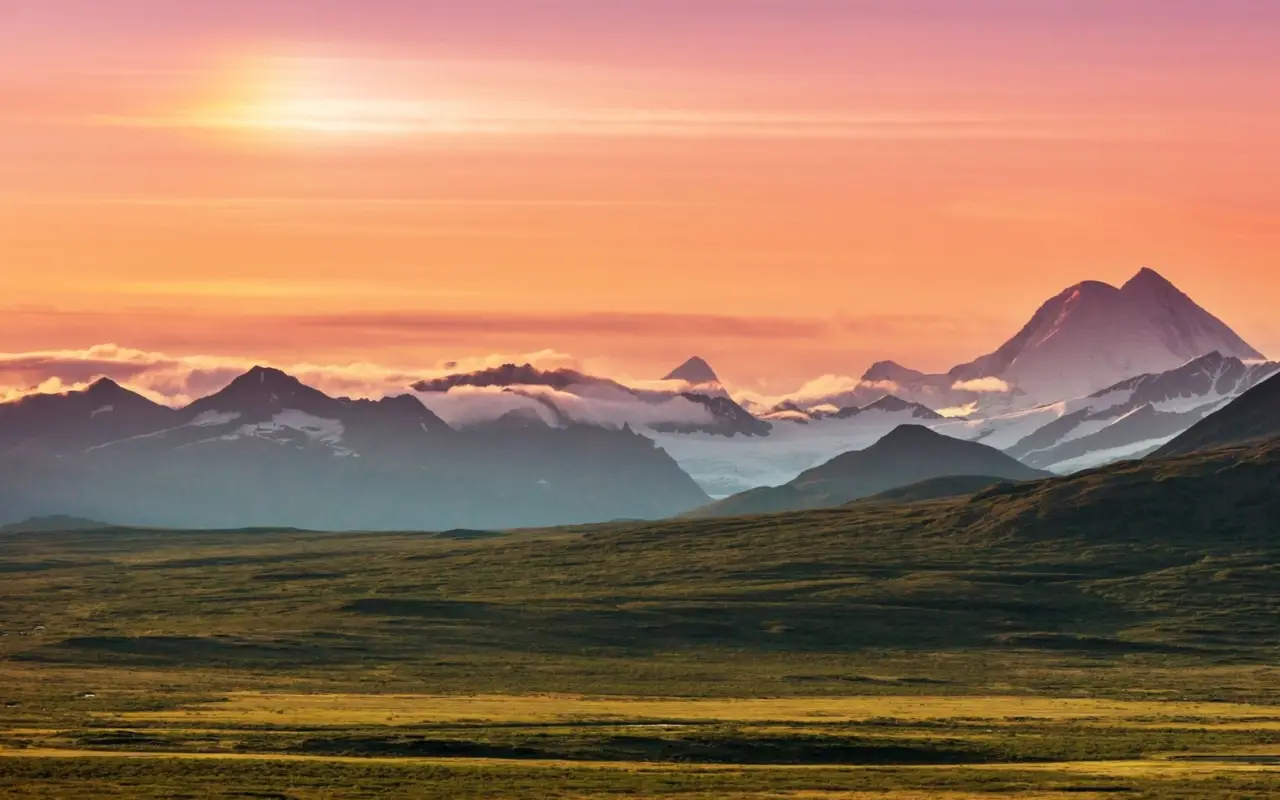
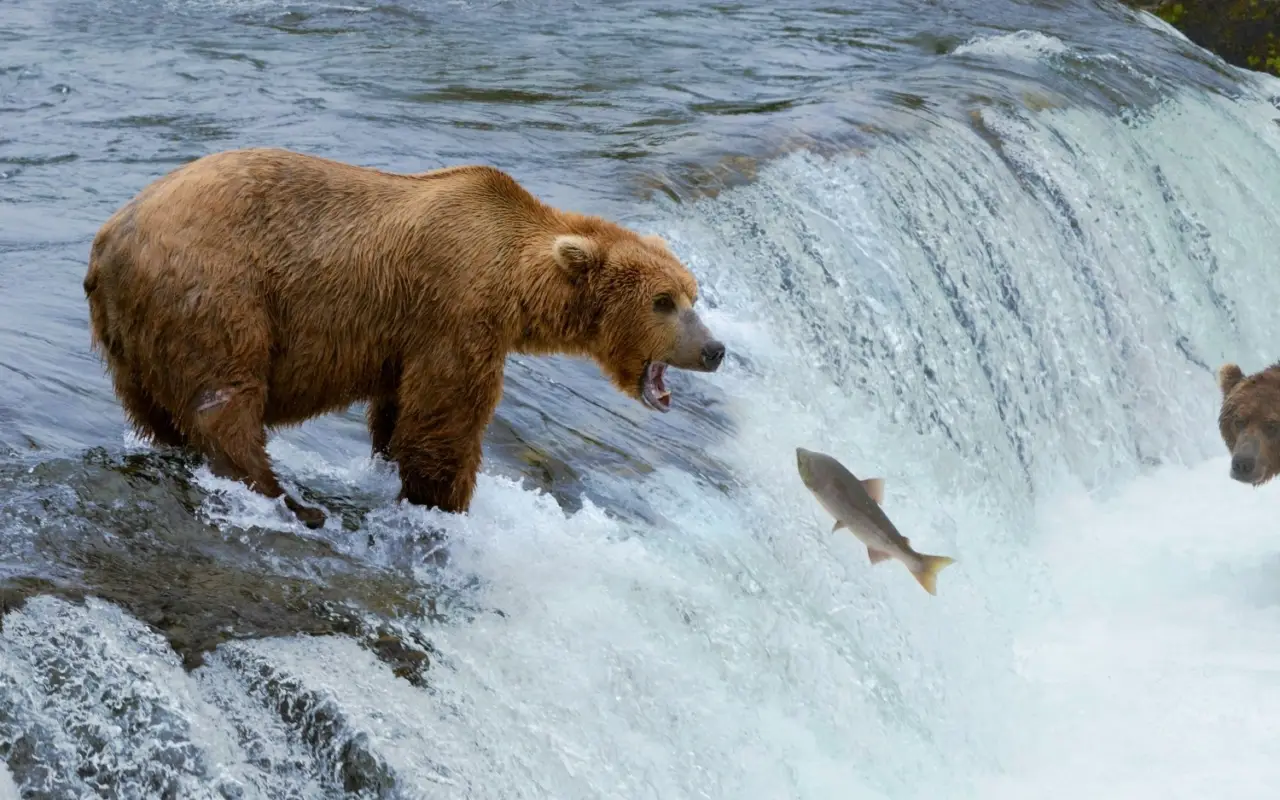
Alaska is one of the world’s best destinations for wildlife. Brown bears gather in the summer to catch salmon. Katmai National Park and its Brooks Falls offer the most famous spectacle.Kodiak Island, meanwhile, is home to the largest brown bears on the planet. At sea, humpback whales, orcas, and sea lions can be spotted on cruises along the Kenai Peninsula and theInside Passage.
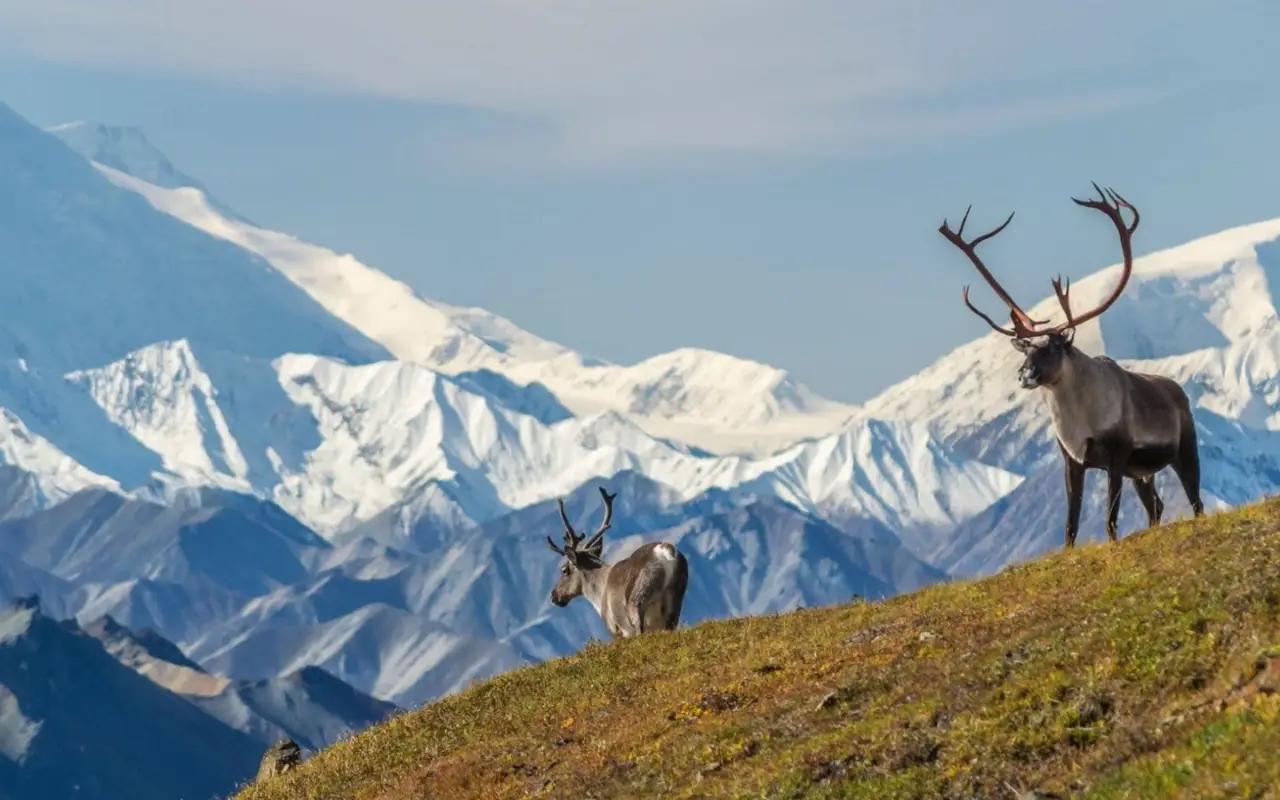
Inland, Denali National Park offers the chance to encounter Alaska’s “Big Five”—grizzly bears, moose, caribou, Dall’s sheep, and wolves—which can be observed from the park’s shuttle buses. To prepare for these encounters, check out our article on wildlife in Alaska.
Where to See Bears Fishing for Salmon
Brooks Falls in Katmai attracts up to 25 bears in July and is accessible by seaplane from King Salmon. From Homer, day flights also go to Katmai and Lake Clark. This is an experience that requires booking well in advance.
Exploring Glaciers
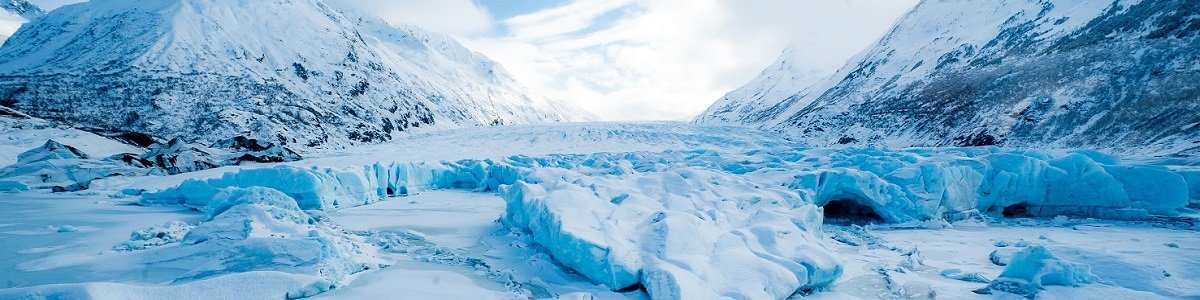
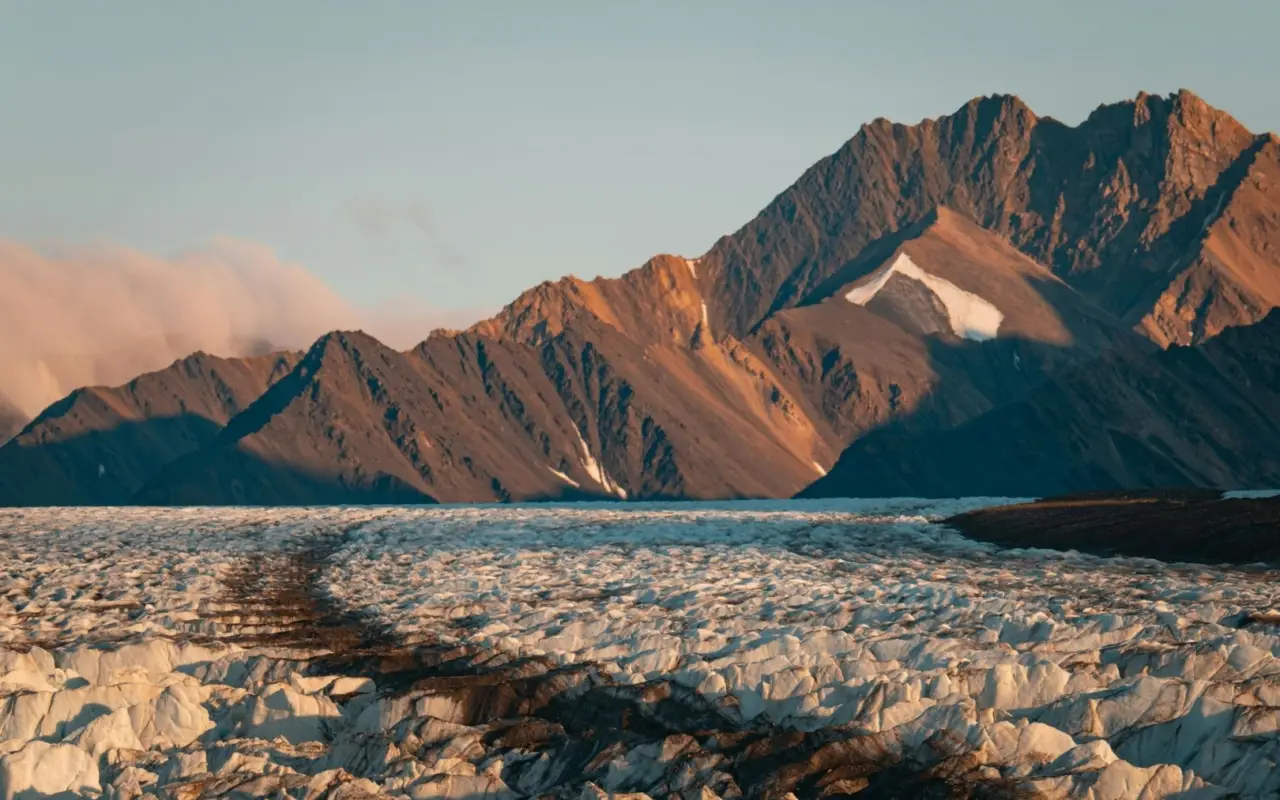
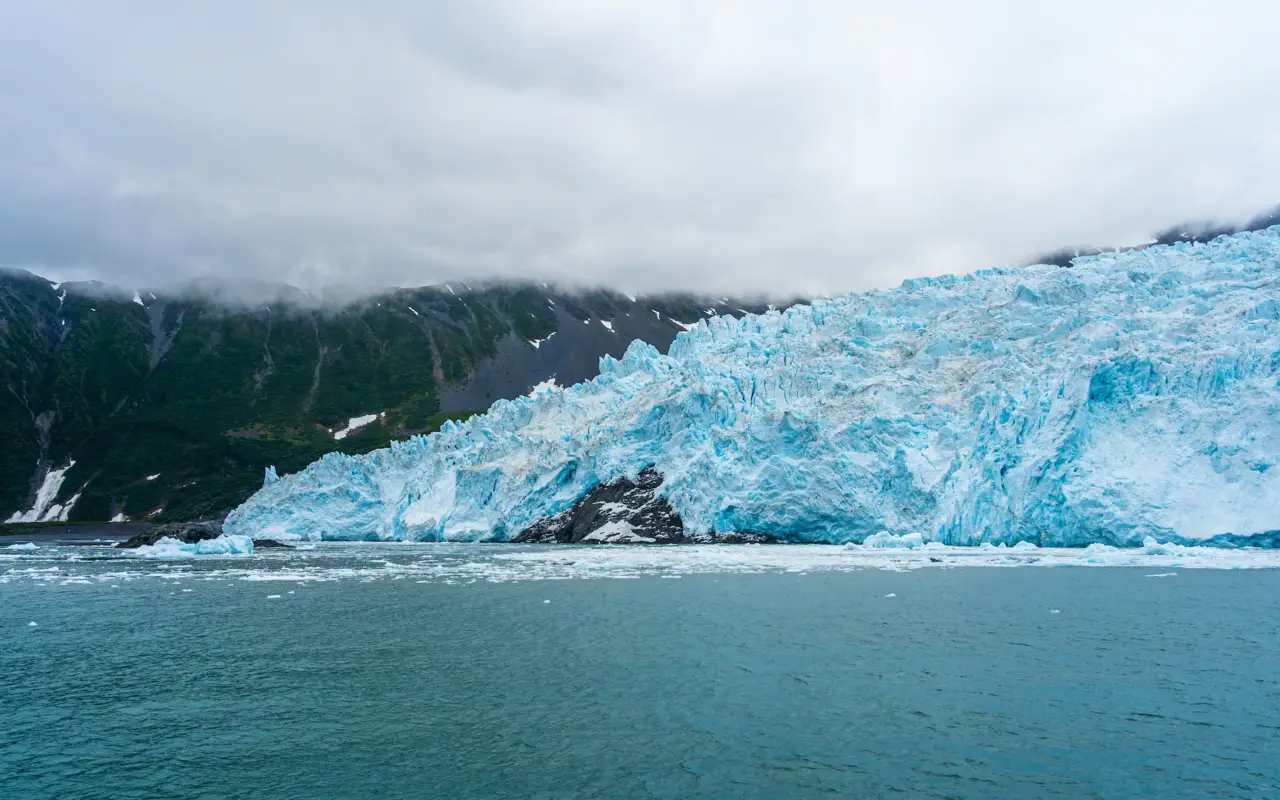
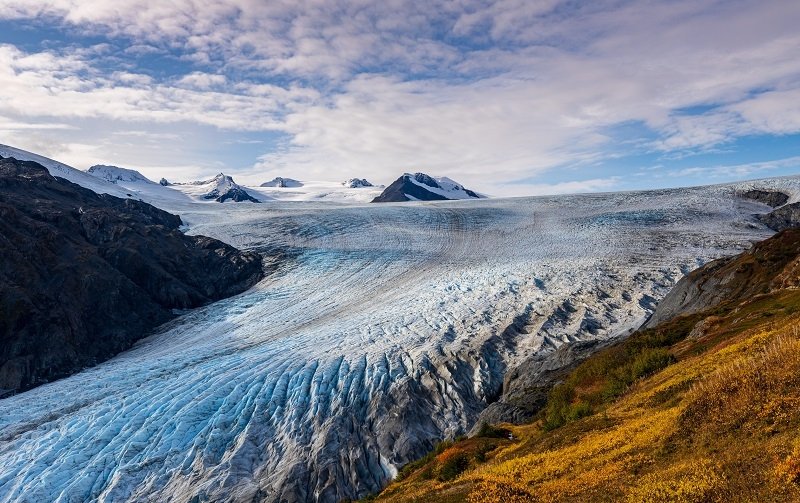
Glaciers shape the Alaskan landscape. There are three ways to explore them. On a cruise, you’ll sail along the ice fronts as they calve into the ocean. The Kenai Fjords from Seward, Prince William Sound from Valdez, and Glacier Bay National Park inthe Inside Passage are among the most beautiful. On foot, with crampons on, you can explore the Matanuska Glacier —accessible by road—or the Root Glacier in Wrangell-St. Elias National Park.
Finally, from the air, a flight reveals the vastness of the ice fields, sometimes including a landing on the ice, particularly from Talkeetna. The Mendenhall Glacier, near Juneau, is even just a few minutes from downtown.
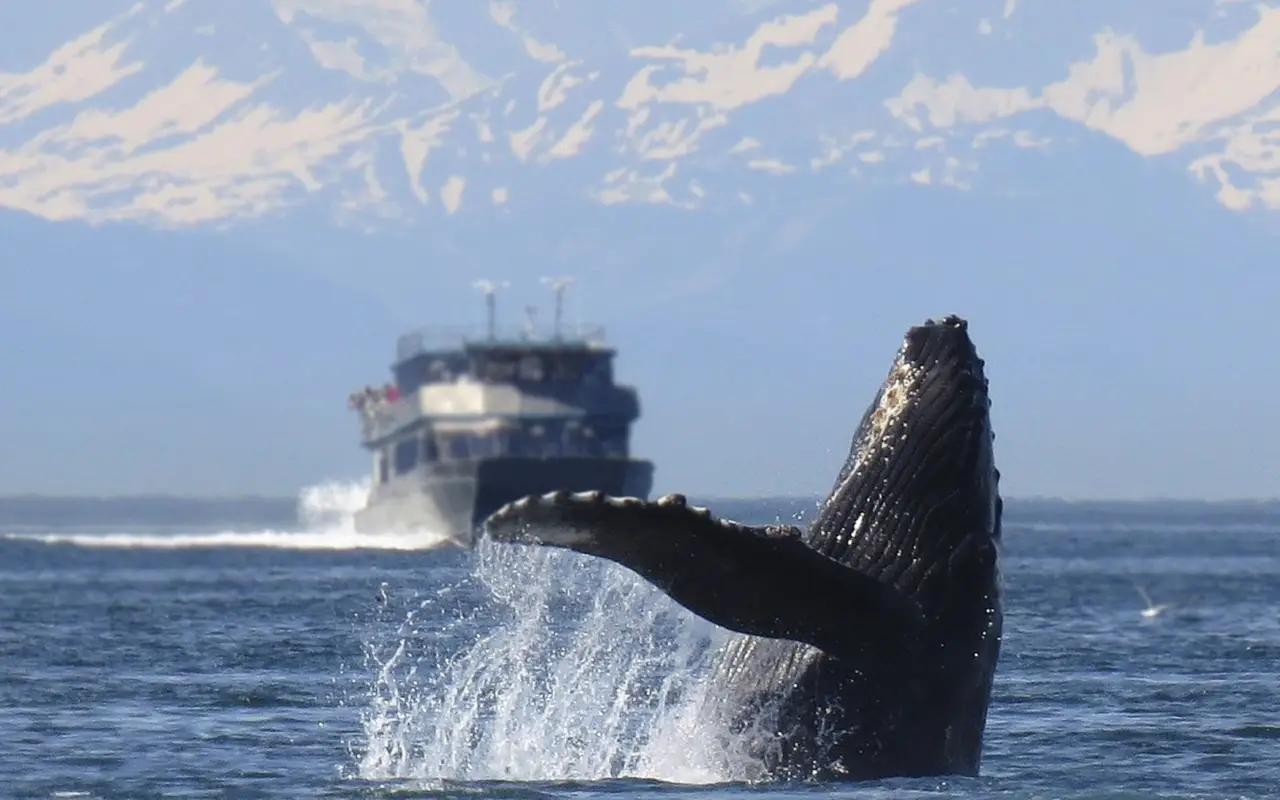
Watching the Northern Lights
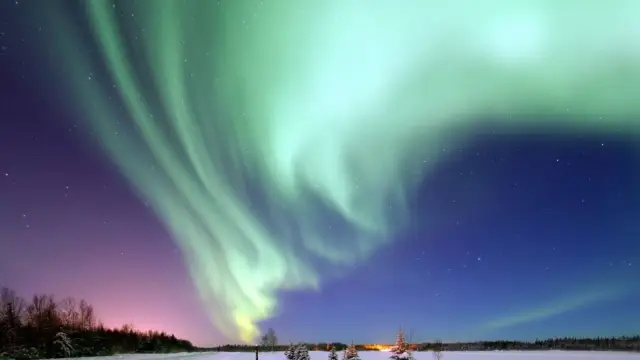
The Northern Lights are one of the main reasons people travel to Alaska. Fairbanks, located within the auroral oval, is the best place to view them: the season runs from late August through late April, peaking from September through March. A stay of three nights or more significantly increases your chances of seeing the phenomenon, often from the hot springs at Chena Hot Springs.
The Denali region and the Arctic also offer good viewing conditions. Viewing the aurora can be combined with winter activities such as dog sledding, snowmobiling, and snowshoeing. Our article on Alaska in winter provides more details about this unique season.
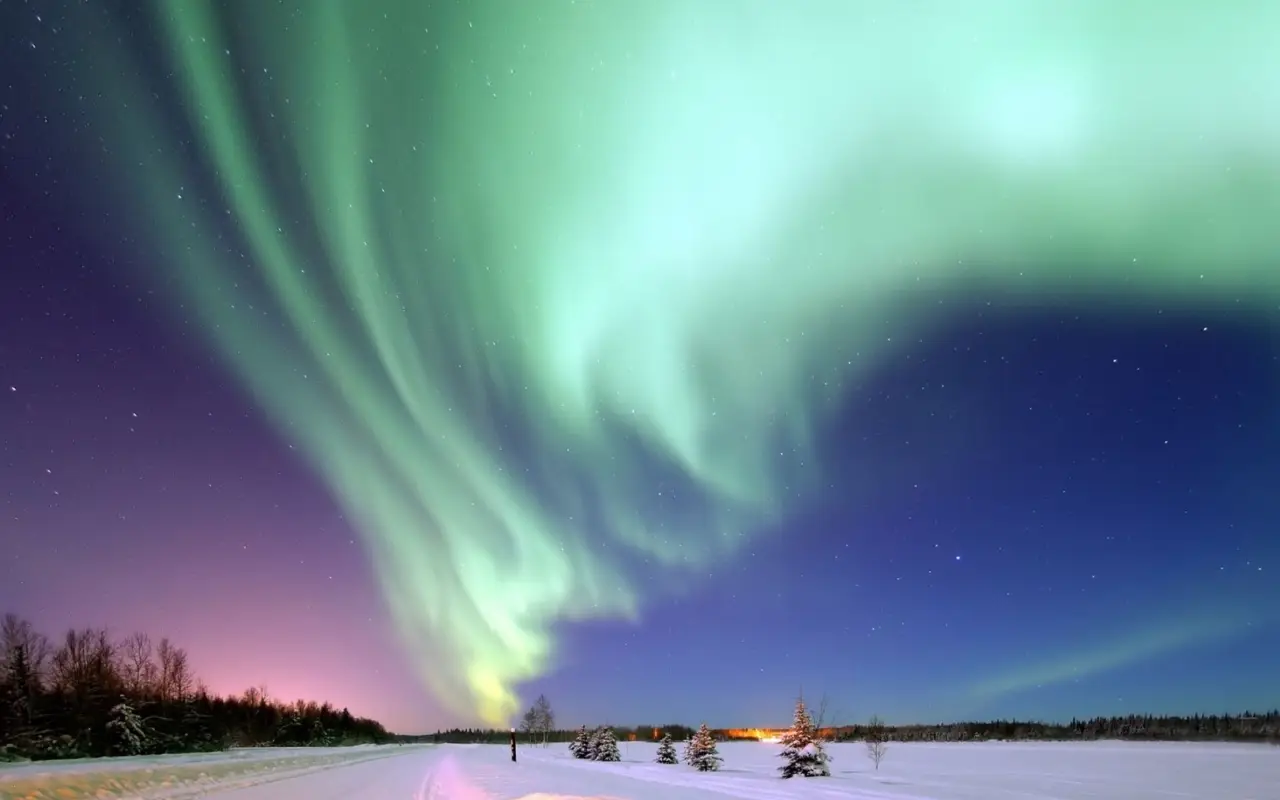
How Many Nights to See the Northern Lights
Plan to spend at least three nights in Fairbanks during the season. This buffer allows you to account for cloud cover and variations in geomagnetic activity. Scheduling several outings, far from city lights, remains the best strategy.
Explore the National Parks
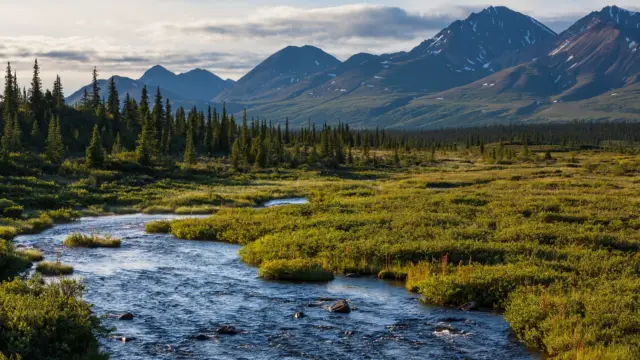
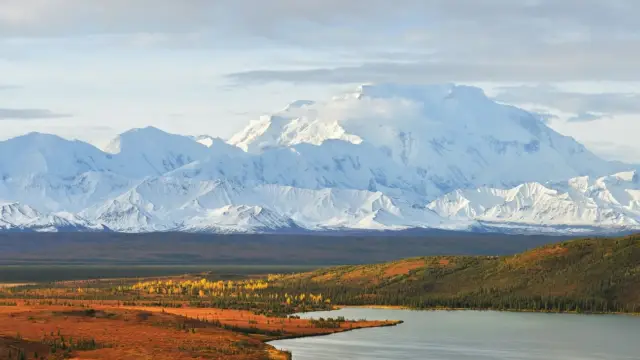
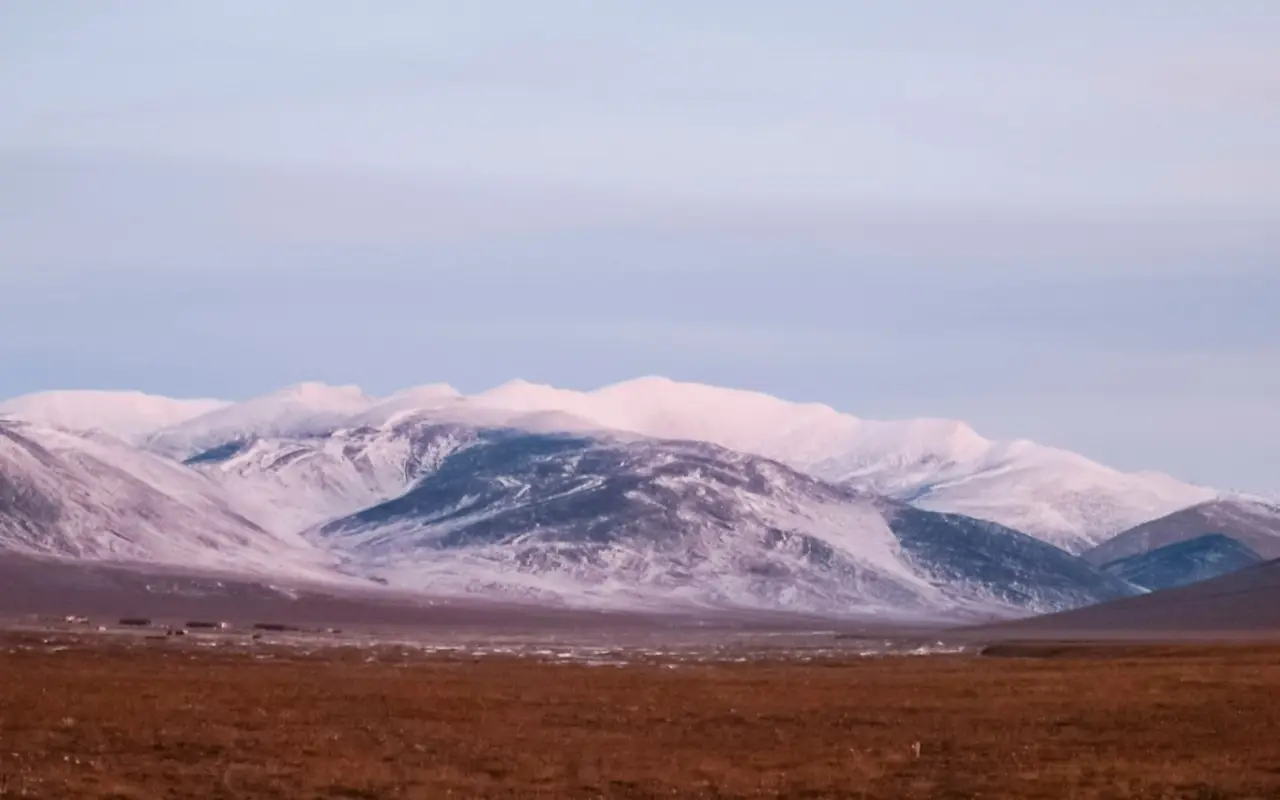
Alaska is home to eight national parks, among the largest in the United States. Visitors can go trekking and hiking there. Denali National Park protects North America’s highest peak and a rich variety of wildlife. Wrangell-St. Elias National Park, the largest in the country, features immense glaciers and the historic mining town of Kennecott. Kenai Fjords National Park showcases its coastal glaciers.
Each park has its own way of getting there: shuttle bus to Denali, gravel road to Wrangell-St. Elias, boat to Kenai Fjords, and seaplane to Katmai. To see the big picture, check out our regional map.
Experience Adventure and the Great Outdoors
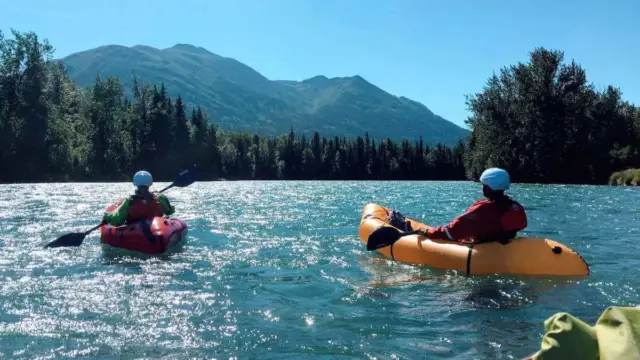
Beyond the sights, Alaska is all about the activities. Salmon and halibut fishing have made the Kenai Peninsula and Homer—the “Halibut Capital”—famous. Sea kayaking takes you up close to glaciers and wildlife in the fjords. Rafting takes you down the glacial rivers around Talkeetna.
The Alaska Railroad, running between Anchorage, Denali, and Fairbanks, offers a scenic journey, while the White Pass Railroad in Skagway retraces the history of the gold rush. To travel without driving, check out our suggested itineraries.
Discover Cities and Culture
Cities punctuate the journey. Anchorage, the state’s largest city, combines museums, Indigenous culture, and nature right on the city’s doorstep. Juneau, the capital accessible only by boat or plane, offers access to the Mendenhall Glacier. Skagway preserves the legacy of the Klondike Gold Rush.
The Tlingit, Haida, and Alutiiq Indigenous cultures can be explored through the totem poles ofthe Inside Passage and the museums of Kodiak. These urban stops provide a balance to an itinerary centered on nature.
What to Do by Region
This table summarizes the main attraction in each major region and the best time of year to visit, to help you plan your itinerary.
| Region | Top Activity | Best Time to Visit |
|---|---|---|
| Denali | Wildlife and North America’s Highest Peak | June through September |
| Kenai Fjords (Seward) | Glacier and whale-watching cruise | June through August |
| Katmai | Bear watching at Brooks Falls | July and September |
| Fairbanks | Northern Lights | Late August through April |
| Inside Passage | Cruise, Glaciers, and Totem Poles | May through September |
| Talkeetna | Scenic flight over Denali | May through September |
| Wrangell-St. Elias | Glacier Hike and Kennecott | June through September |
How do you choose activities in Alaska?
The choice depends on three factors: the season, the length of your trip, and your interests. Summer (June–August) is when the parks, cruises, and fishing are in season. Winter (October–April) is the season for the Northern Lights and dog sledding. For a one-week trip, the south-central region is sufficient; a two-week trip allows you to add the interior and Fairbanks.
Our local team creates customized itineraries based on your priorities, combining regions in a logical way to minimize travel time. To plan your trip, check out our guide to planning your trip to Alaska or learn more about our expertise as a local destination management company.
Frequently Asked Questions: Things to Do in Alaska
What to Do in Alaska in a Week?
In one week, focus on the south-central region: Anchorage, the Kenai Peninsula—including a cruise through the Kenai Fjords from Seward—and Denali National Park. This triangle, accessible by road and train, combines glaciers, marine wildlife, and high mountains without requiring multiple domestic flights.
What are the top activities to do in Alaska?
The most popular activities are bear watching in Katmai and glacier cruises in the Kenai Fjords. Other highlights include the Northern Lights in Fairbanks, Denali National Park, scenic flights from Talkeetna, and cruises along the Inside Passage. Each region has its own specialties.
Can you see bears in Alaska?
Yes. Katmai National Park, where bears catch salmon at Brooks Falls, and Kodiak Island, home to the world’s largest brown bears, are the top destinations. Bears can also be spotted on the Kenai Peninsula and from Homer, via seaplane to Katmai and Lake Clark.
Where can you see the Northern Lights in Alaska?
Fairbanks, located within the auroral oval, is the best place to see them. The season runs from late August to late April, peaking from September through March. A stay of three nights or more greatly increases your chances of seeing them. The Denali region and the Arctic also offer good viewing conditions.
When is the best time to visit Alaska?
June through August offers full access to parks, cruises, and hikes, with long days. May and September are quieter and feature lower prices. Winter, from October through April, is ideal for viewing the Northern Lights and dog sledding. It all depends on your priorities.
Should you rent a car to visit Alaska?
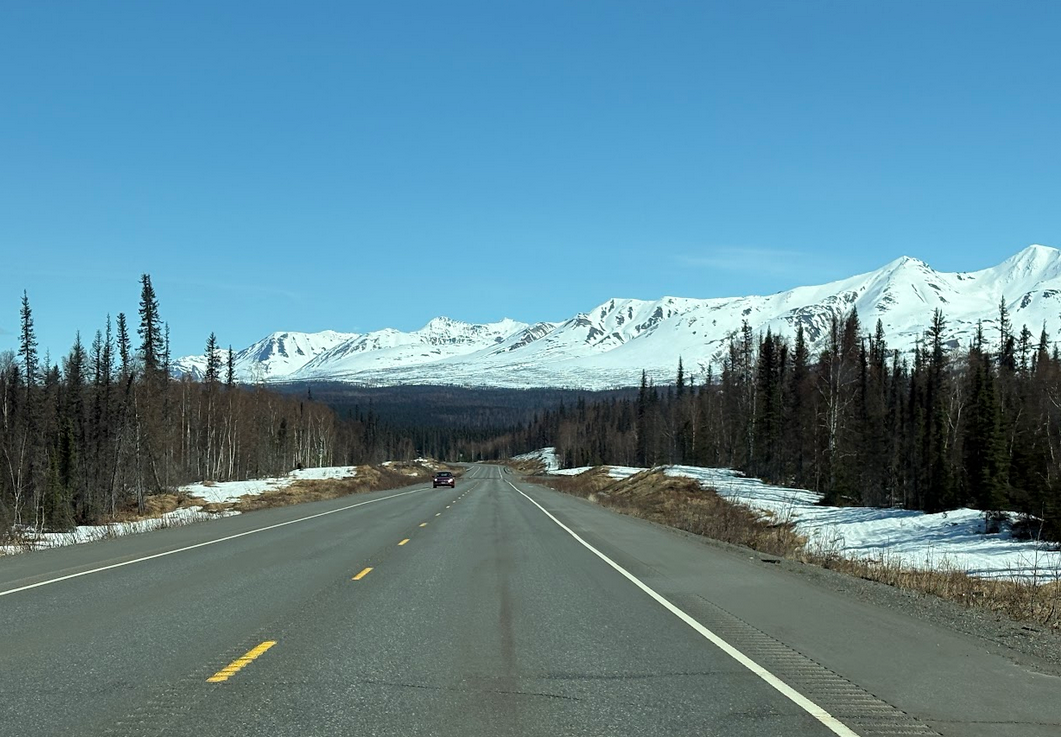
A car offers the greatest freedom on the roads of the south-central and interior regions, between Anchorage, Denali, the Kenai Peninsula, and Valdez. The Alaska Railroad and Inside Passage cruises provide additional options. Some areas, such as Katmai or Juneau, are accessible only by plane or boat.
What can you do in Alaska without a car?
Without a car, combine the Alaska Railroad—which connects Anchorage, Denali, and Fairbanks—with Inside Passage cruises to Juneau and Skagway, and organized tours. Domestic flights serve remote areas. This mode of travel is comfortable and covers the major attractions.
How many days should you spend visiting Alaska?
Plan on at least one week for the south-central region, two weeks to include Fairbanks and the interior, and three weeks to combine the Inside Passage or an extension into the Canadian Yukon. Alaska is vast: it’s better to explore a few regions in depth than to just skim the surface.
Last updated: August 19, 2026.
About Terra Alaska
Terra Alaska is a local travel agency specializing in custom trips to Alaska and a member of the Terra Panamerica network. Our team designs itineraries tailored to each traveler, from national parks to winter expeditions under the Northern Lights. Discover our expertise as a local destination management agency.
Contact us to plan your trip or explore our suggested itineraries.
Sources
National Park Service (Denali, Katmai, Kenai Fjords, Wrangell-St. Elias, Glacier Bay); Travel Alaska; University of Alaska Fairbanks, Geophysical Institute; Alaska Railroad.