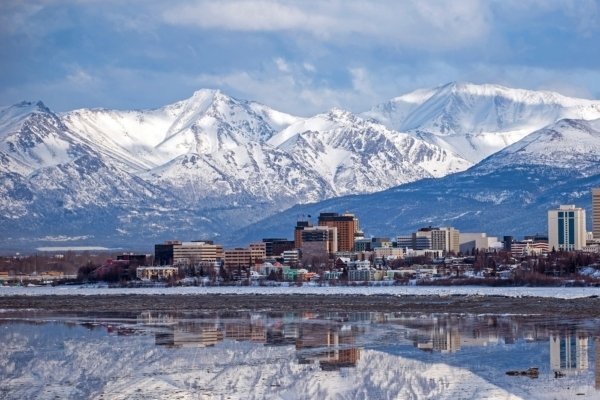
Anchorage, Alaska’s largest city, combines urban amenities with wilderness at the foot of the Chugach Mountains, between Knik and Turnagain Inlets. As the starting point for most trips in the state, it provides access to Chugach State Park, nearby glaciers, and wildlife that can be spotted within minutes. It connects Denali, Seward, and the Kenai Peninsula by road and rail. Best time to visit: June through August.
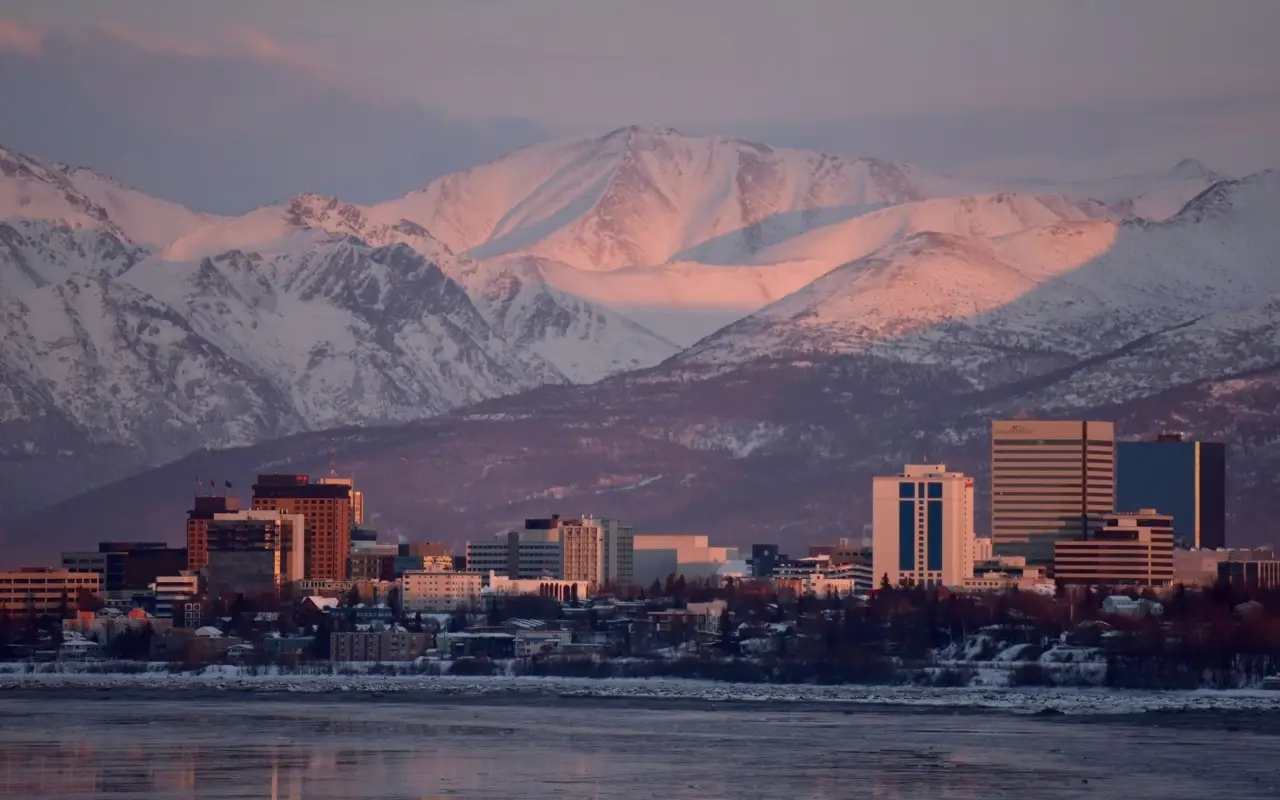
Founded in 1915 as a railroad construction camp, Anchorage has become Alaska’s main hub. Nestled between the two arms of Cook Inlet and the Chugach Mountains, it offers a rare contrast. On one side are museums, restaurants, and galleries; on the other, trails, glaciers, and wildlife—often just minutes from downtown.
The city serves as the gateway to the state. Its international airport, train station, and travel agencies make it the starting point for trips to Denali, the Kenai Peninsula, and Valdez. This page details what to do in Anchorage itself, when to visit, how to get there, and where to stay.
Why visit Anchorage?
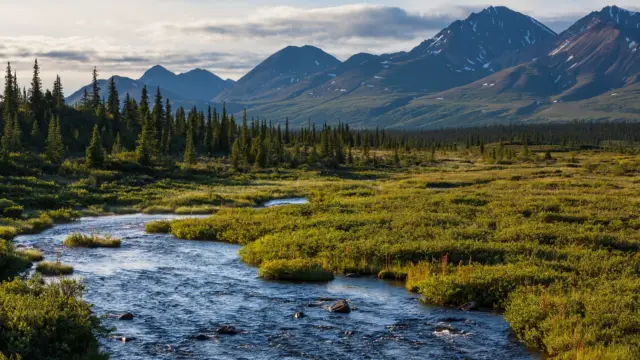
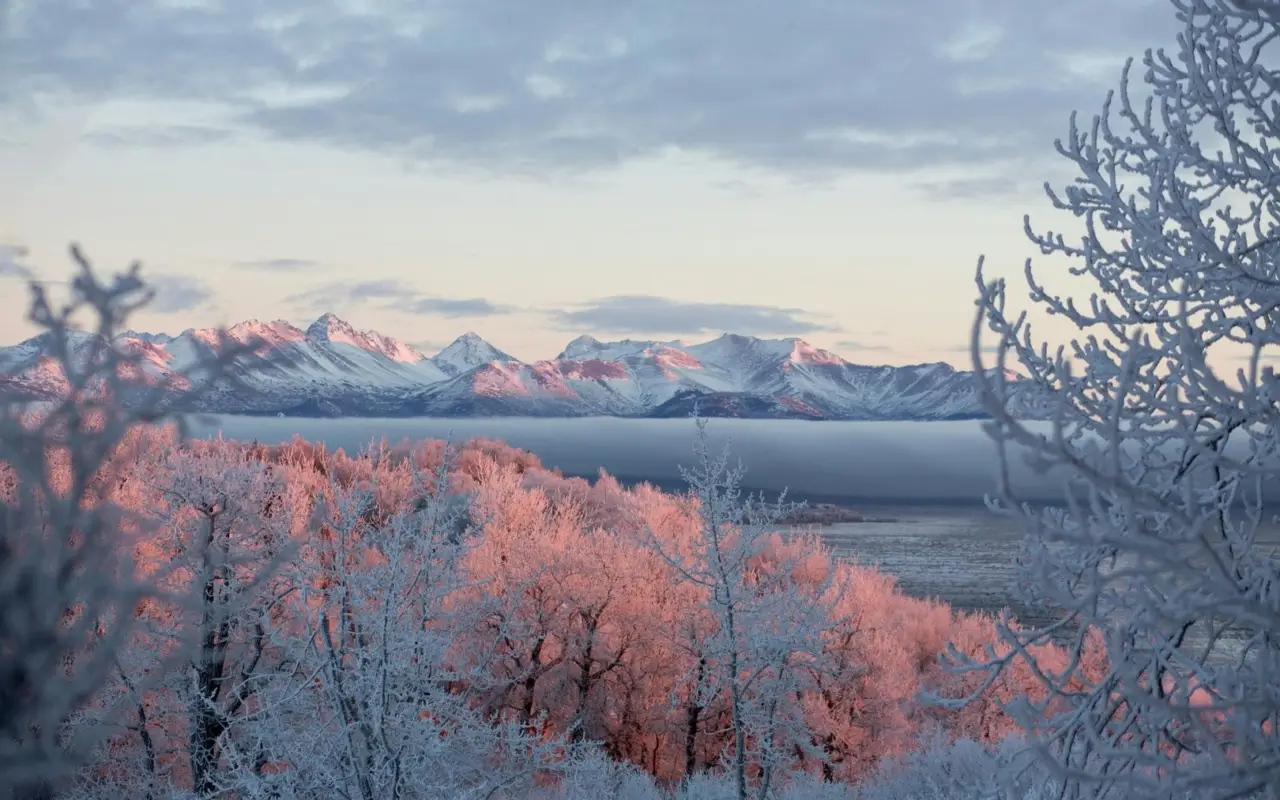
Anchorage offers a rare combination: immediate access to nature right from the heart of a real city. Chugach State Park, one of the largest in the United States, begins right at the city’s doorstep. In just a few minutes, you can go from a museum to a mountain trail or a wildlife viewing spot—without having to drive a long way.
The city is also a hub for the state’s Indigenous culture, at the Alaska Native Heritage Center, and for travel logistics: trains, scenic flights, and car rentals. Its climate, tempered by the Chugach Mountains and the Pacific Ocean, is milder than you might imagine. Anchorage is an ideal first stop before venturing out to the parks and fjords.
What to Do in Anchorage?
Here are the experiences that make a trip to the city and its surrounding areas memorable.
1. Hiking in Chugach State Park
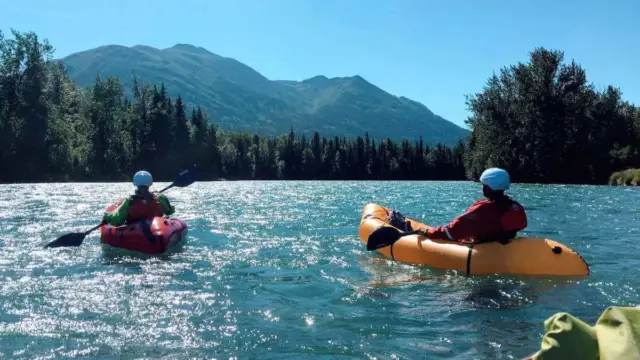
Chugach State Park features hundreds of kilometers of trails just outside Anchorage. The hike up Flattop Mountain, Alaska’s most frequently climbed peak, offers panoramic views of the city and the bay. Eklutna Lake and Far North Bicentennial Park round out the options, offering hiking, kayaking, and mountain biking.
2. Drive along Turnagain Arm
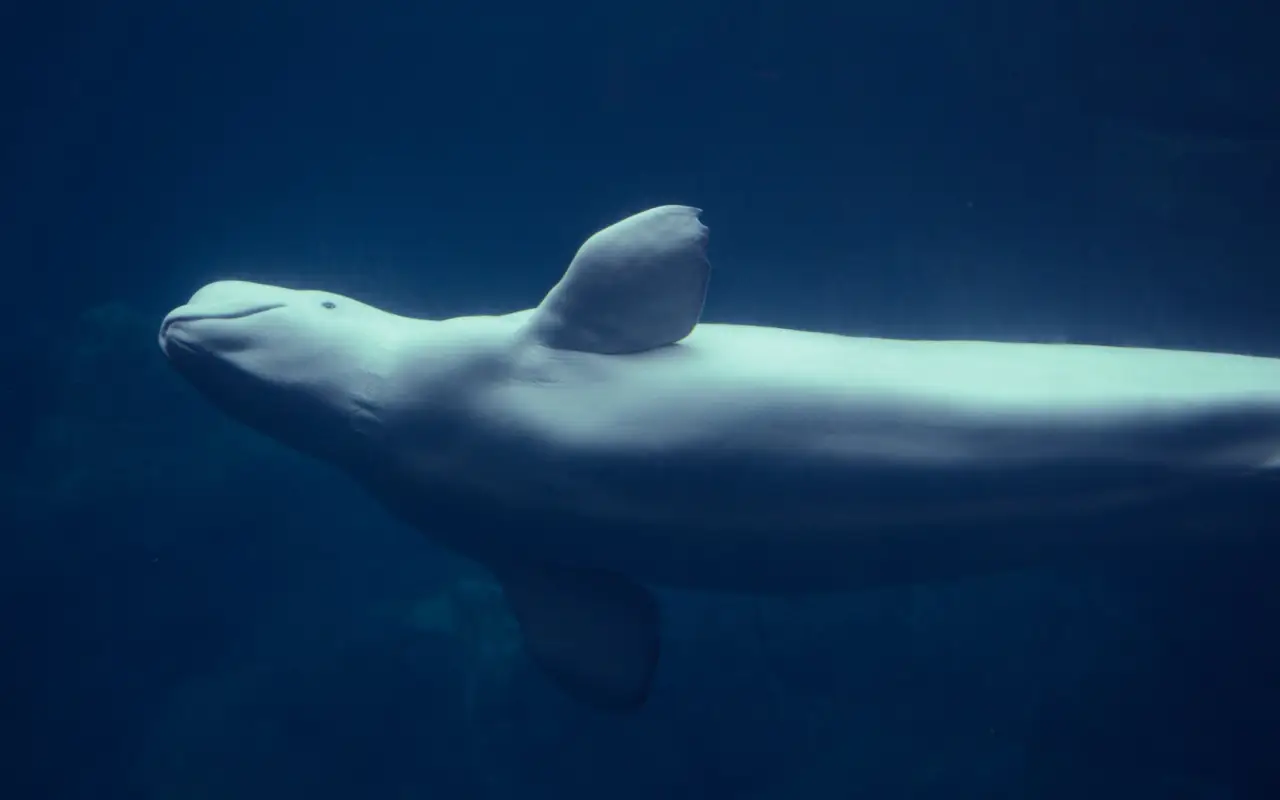
The Seward Highway runs along Turnagain Arm, a designated scenic byway. Stops at Beluga Point and Bird Point offer opportunities to see beluga whales and Dall sheep, and sometimes the tidal bore—a wave that travels up the arm. The route leads to Portage Glacier and Girdwood.
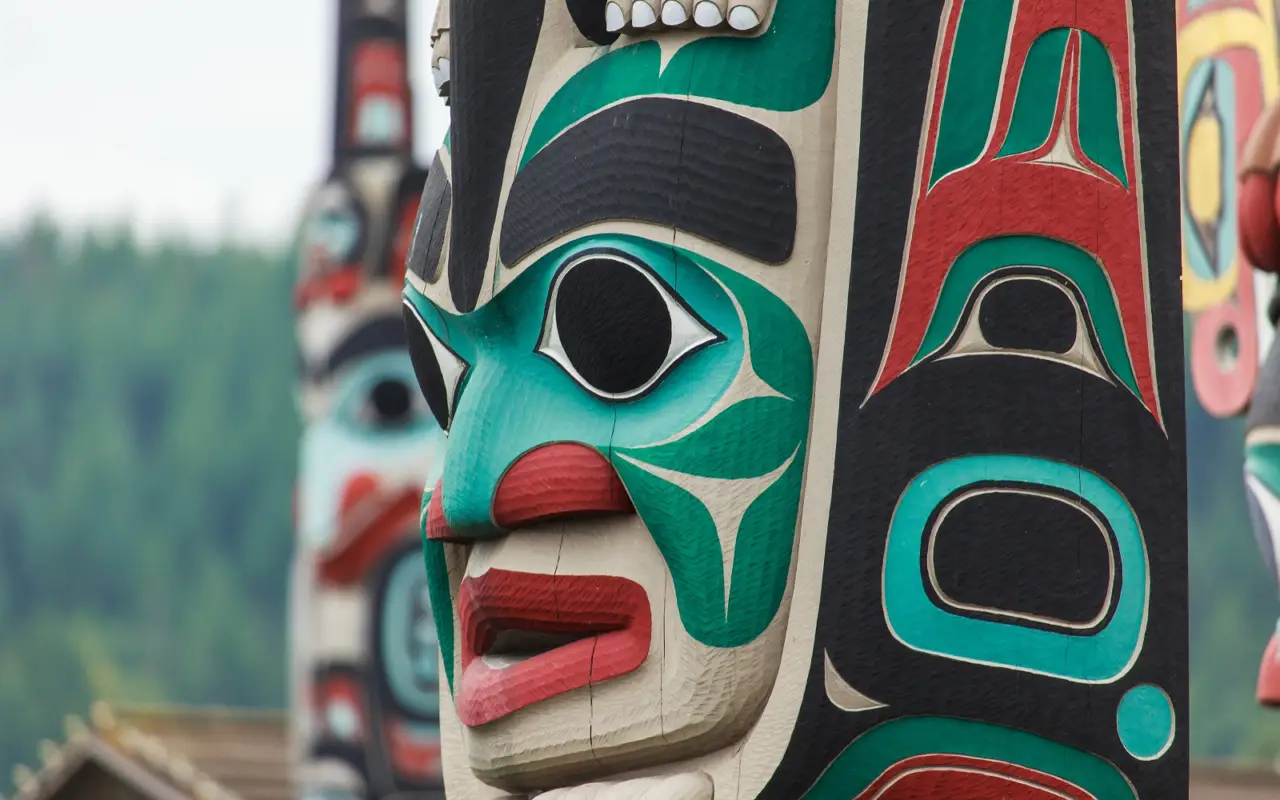
3. Discover Indigenous Culture
The Alaska Native Heritage Center showcases the traditions, dances, and crafts of the state’s major Indigenous cultures. The Anchorage Museum, located in downtown Anchorage, complements this exploration with exhibits on art, history, and the natural sciences, featuring audio guides tailored for English-speaking visitors.
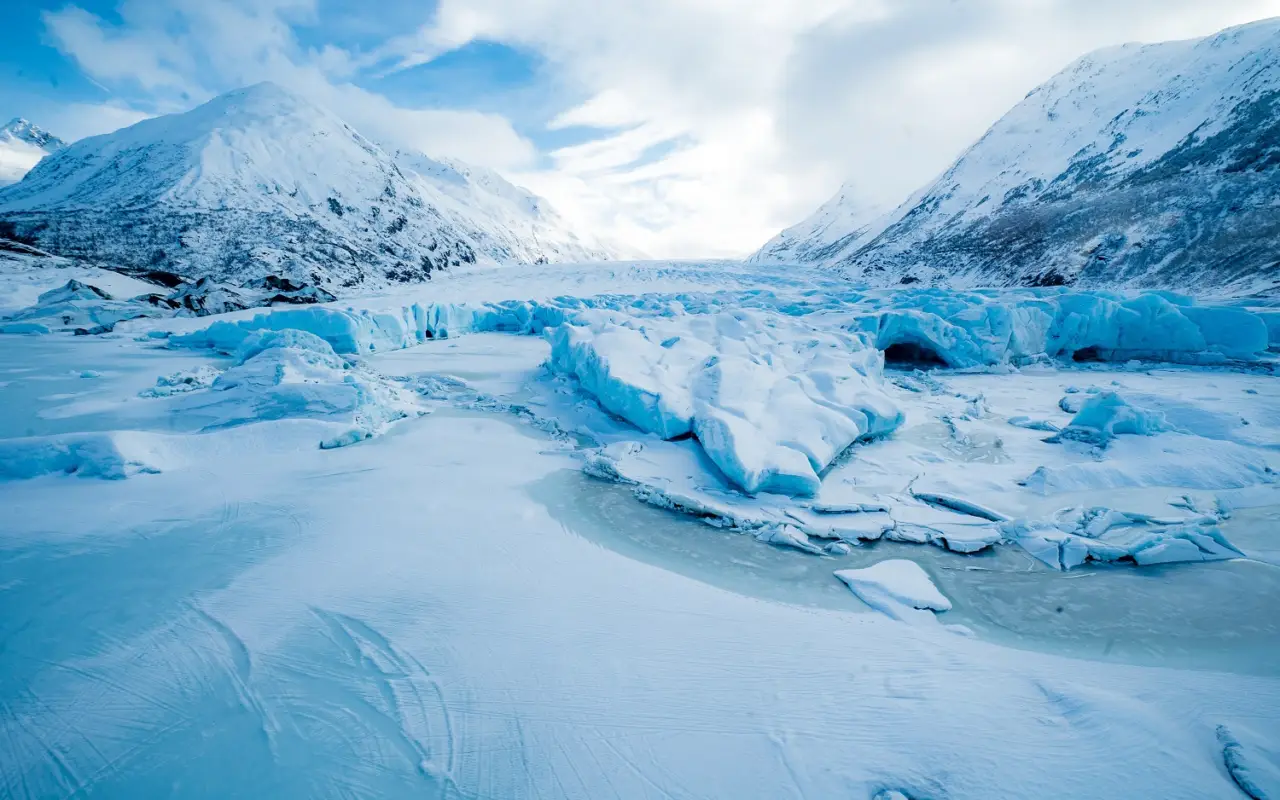
4. Fly Over the Glaciers
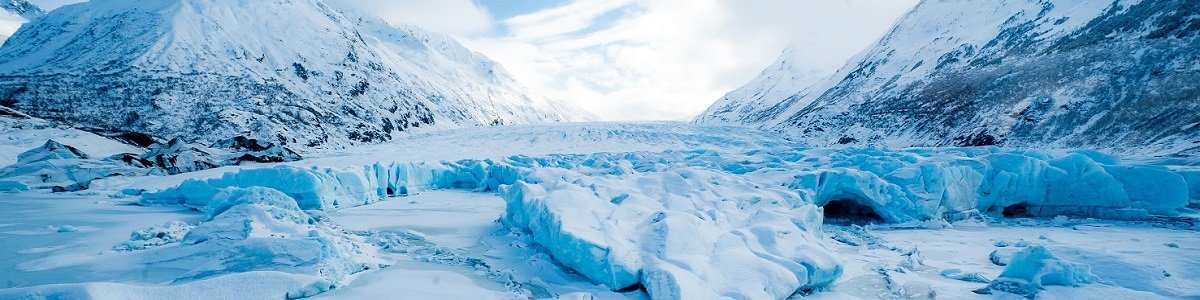
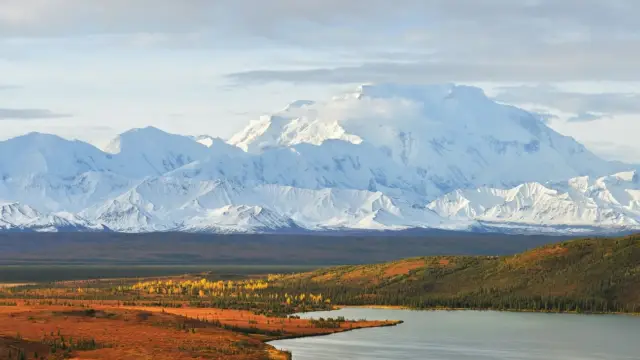
Anchorage is surrounded by glaciers. A flight over them in a seaplane or helicopter reveals their sheer scale, and sometimes includes a landing on the ice. Portage Glacier, an hour’s drive away, can be visited on a cruise, while Girdwood—nicknamed “Glacier City”—serves as a base for aerial excursions.
When is the best time to visit?
From June through August, the peak season offers temperatures around 19 °C, long days, and full access to excursions. This is the busiest time of year, ideal for combining Anchorage with Denali and the Kenai Peninsula.
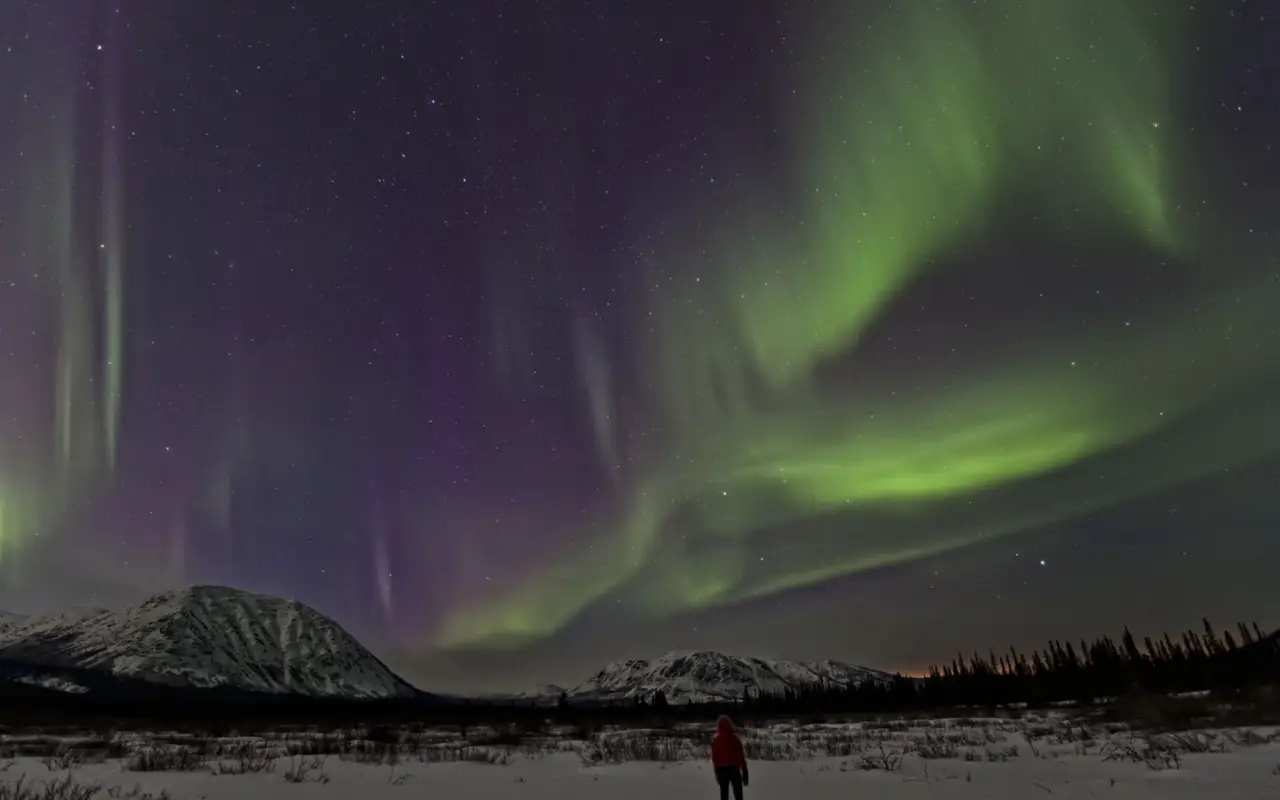
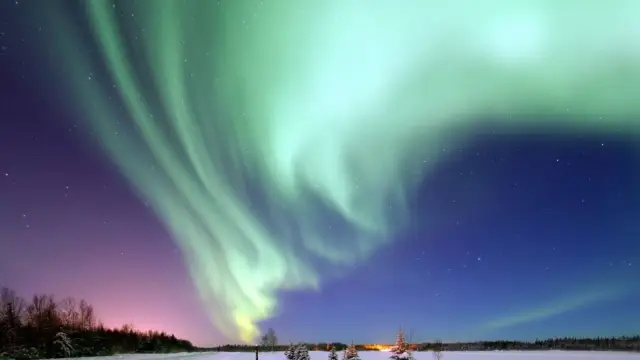
May and September are good months for travelers seeking peace and quiet and lower prices, with cooler temperatures. Winter, which is milder than expected thanks to the protection of the Chugach Mountains, offers the chance to see the Northern Lights and go skiing at Alyeska. Check out our guide on when to visit Alaska.
| Period | Terms and Conditions | Activities |
|---|---|---|
| June through August | High season, up to 19 °C | Hiking, glaciers, wildlife, excursions |
| May and September | Quiet, low prices, cool | Hiking, culture, fewer crowds |
| October through April | Snow, moderately cold | Skiing at Alyeska, Northern Lights |
How do I get there?
Anchorage is home to Alaska’s main international airport, with flights from the United States and abroad. It is the arrival point for most travelers. The city lies at the intersection of the state’s major highways: the Seward Highway to the south, the Glenn Highway to the northeast, and the Denali Highway.
TheAlaska Railroad runs from Anchorage to Denali, Fairbanks, and Seward from mid-May through mid-September. Renting a car remains the most flexible option for exploring the area. The city center is easy to get around on foot or by tram.
Where to stay in the city?
Anchorage offers the most comprehensive selection of hotels in the state, from downtown to the airport area, perfect for your first or last night of travel. Downtown hotels put museums, restaurants, and the train station within walking distance.
For a more natural setting, Girdwood, at the foot of Mount Alyeska, offers lodges and resorts just 45 minutes south. Our team can coordinate your stays in Anchorage around your excursions to Denali or the Kenai Peninsula. Check out our suggested itineraries.
Frequently Asked Questions
What is there to do in Anchorage, Alaska?
Anchorage combines museums with accessible nature. Visitors can explore the Anchorage Museum and the Alaska Native Heritage Center. You can hike in Chugach State Park, walk along the Tony Knowles Coastal Trail, and spot wildlife along Turnagain Arm. The city also serves as a base for exploring Denali, Seward, and the Kenai Peninsula.
Is this a good starting point for exploring Alaska?
Yes. Anchorage is home to the state’s main airport and lies at the crossroads of routes to Denali, Seward, the Kenai Peninsula, and Valdez. The Alaska Railroad and major tours depart from here. It’s the logical starting point for a trip to Alaska.
What’s the weather like in the city?
Protected by the Chugach Mountains and warmed by the Pacific Ocean, Anchorage has a milder climate than you might expect. Summer temperatures often range from 15 to 20 °C. Winter temperatures hover around −5 °C with snow, and the Northern Lights may be visible.
What’s there to see along Turnagain Arm?
The Seward Highway runs along Turnagain Arm, one of Alaska’s most scenic routes. Stops at Beluga Point and Bird Point offer opportunities to see belugas, Dall sheep, and—at high tide—the tidal bore. The road leads to Portage Glacier and Girdwood.
Can you see glaciers from the city?
Yes. Portage Glacier, accessible in one hour via the Seward Highway, can be visited on a cruise. Girdwood, nicknamed “Glacier City,” serves as a base for scenic flights. Matanuska Glacier can be reached via the Glenn Highway. Scenic flights also depart from the city.
When is the best time to visit?
June through August is peak season, with temperatures around 19 °C and long days. May and September offer a quieter atmosphere and lower prices, with cooler temperatures. Winter is the perfect time to see the Northern Lights and go skiing at Alyeska.
What to do in Chugach State Park?
Chugach State Park, one of the largest in the United States, borders Anchorage to the east. It offers hundreds of kilometers of trails, including the popular hike up Flattop Mountain, as well as kayaking on Lake Eklutna and wildlife viewing—all just minutes from downtown.
Where can you see wildlife nearby?
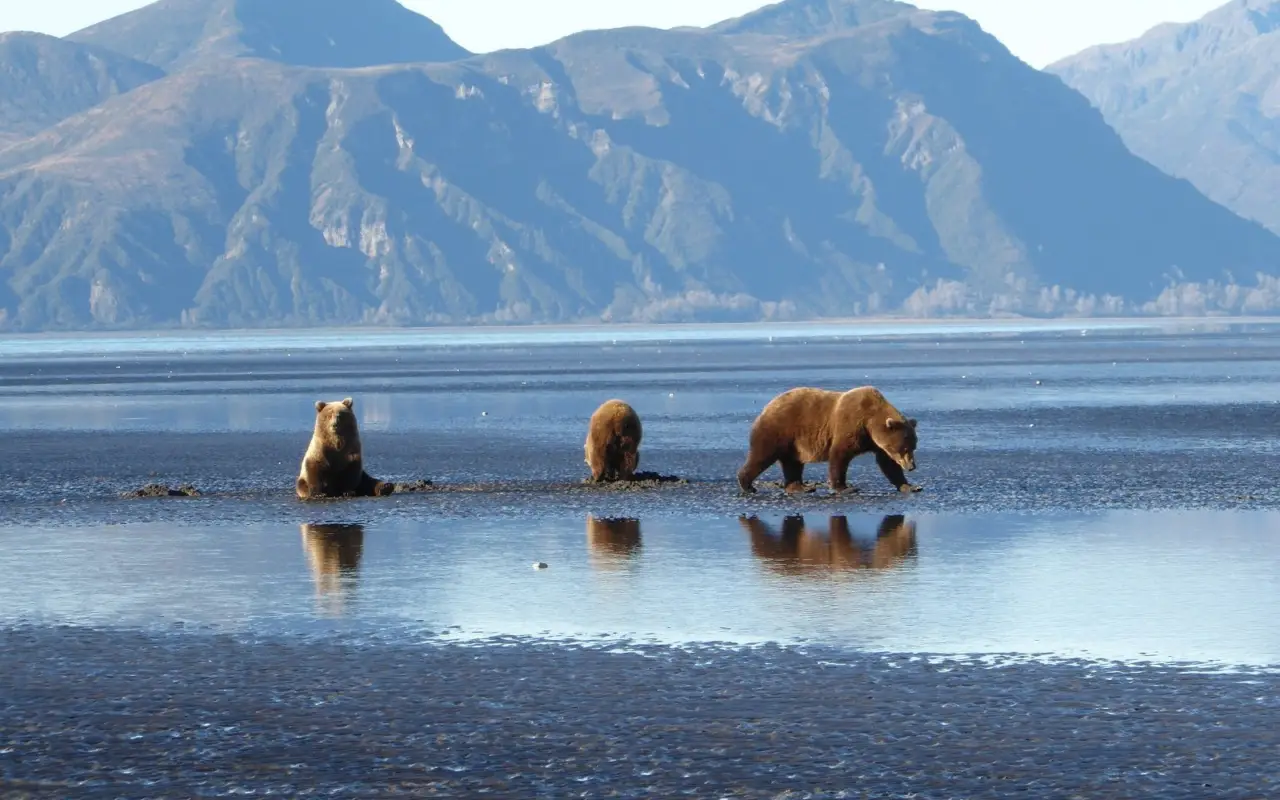
The Alaska Wildlife Conservation Center, in the Portage Valley, showcases the state’s large wildlife. The Potter Marsh Bird Sanctuary is home to many species of birds. Along Turnagain Arm, you can spot belugas and Dall’s sheep depending on the season.
Last updated: August 18, 2026.
About Terra Alaska
Terra Alaska is a local travel agency specializing in custom trips to Alaska and a member of the Terra Panamerica network. Our team designs itineraries tailored to each traveler, from national parks to winter expeditions under the Northern Lights. Discover our expertise as a local inbound travel agency.
Contact us to plan your trip or explore our itinerary ideas.
Sources
Travel Alaska (Anchorage); Visit Anchorage; Alaska State Parks (Chugach State Park); Alaska Railroad.