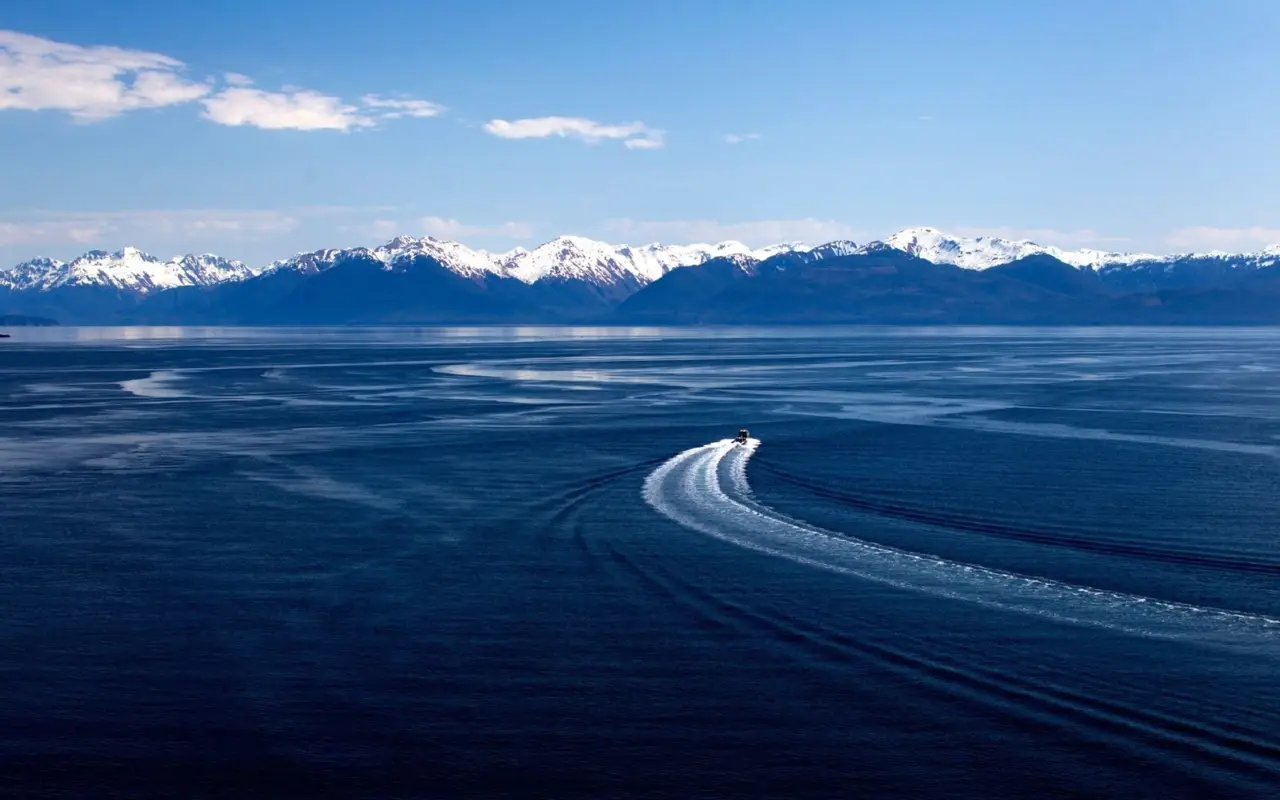
The Inside Passage is a maritime route approximately 500 miles long that runs along the southeastern coast of Alaska, between a string of forested islands and the fjords of the mainland. Its sheltered waters connect Seattle and Vancouver to the coastal cities of Ketchikan, Juneau, and Skagway by cruise ship or ferry. Visitors can see glaciers, humpback whales, and Tlingit culture. Season: May through September.
Southeastern Alaska forms a long coastal strip dotted with islands, separated from the rest of the state by the coastal mountain range. This maritime region, known as theInside Passage, is best explored by water. Its sheltered channels offer calm sailing—one of the few places in the world where ships can sail right up close to the cliffs.
The Inside Passage is home to Juneau, the capital of Alaska, which is accessible only by boat or plane. It is also home to Glacier Bay National Park and the vast Tongass National Forest, one of the largest temperate rainforests on the planet. This page provides details on ports of call, activities, seasons, and how to get there.
Why Visit the Inside Passage?
The region combines three rare attractions: tidewater glaciers calving into the ocean, abundant marine wildlife, and a vibrant Indigenous cultural heritage. Glacier Bay National Park is home to the world’s highest concentration of tidewater glaciers. The calm waters are ideal for travelers prone to seasickness.
The towns of the Inside Passage preserve the heritage of the Tlingit, Haida, and Tsimshian peoples, evident in their totem poles, as well as traces of the Russian presence and the gold rush. Humpback whales, orcas, sea lions, and bald eagles inhabit these waters and forests, set against a backdrop of mountains and fjords.
What to Do in the Inside Passage?
Here are the experiences that shape an itinerary, from glaciers to historic towns.
1. Cruising in Glacier Bay
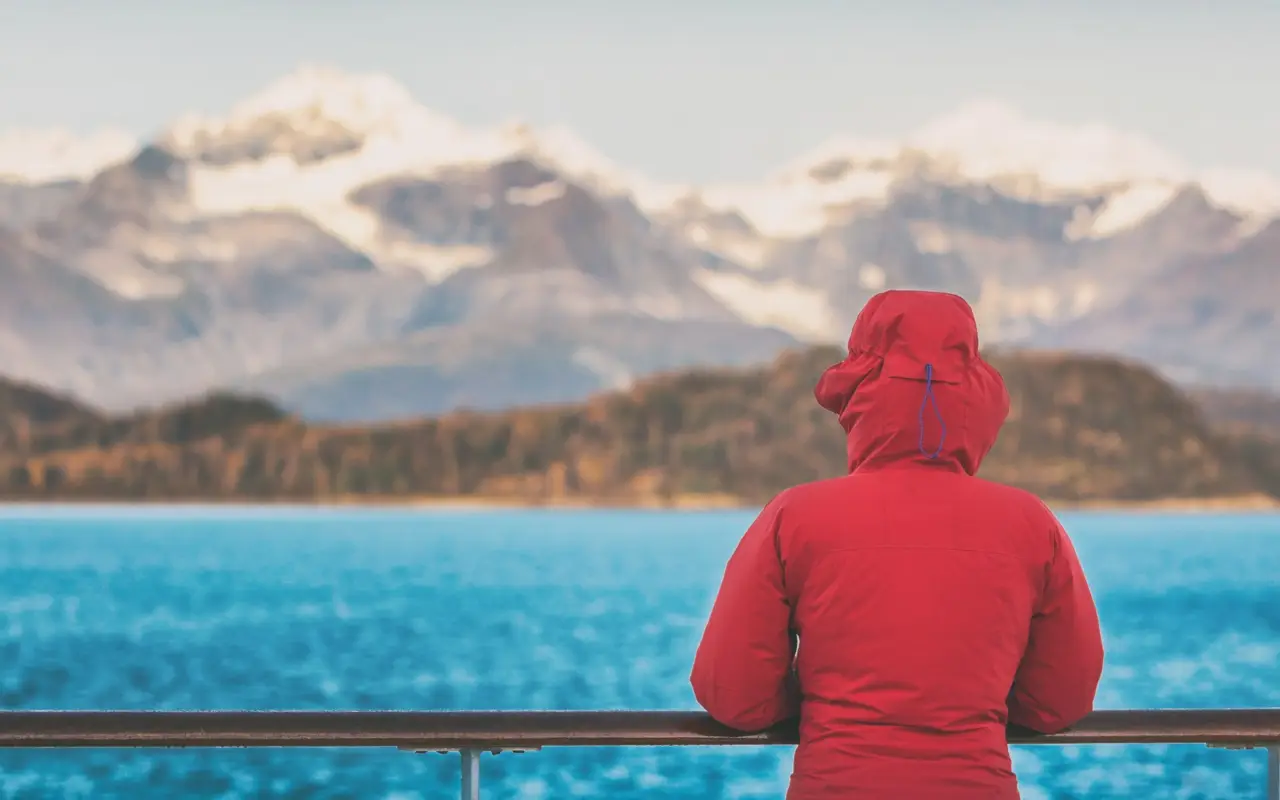
Glacier Bay National Park, a UNESCO World Heritage Site, protects a network of fjords where several tidewater glaciers calve directly into the ocean. The cruise takes you right up close to the ice fronts, where the silence is broken only by the cracking of the ice. Seals, otters, and seabirds inhabit the area.
2. Humpback Whale Watching
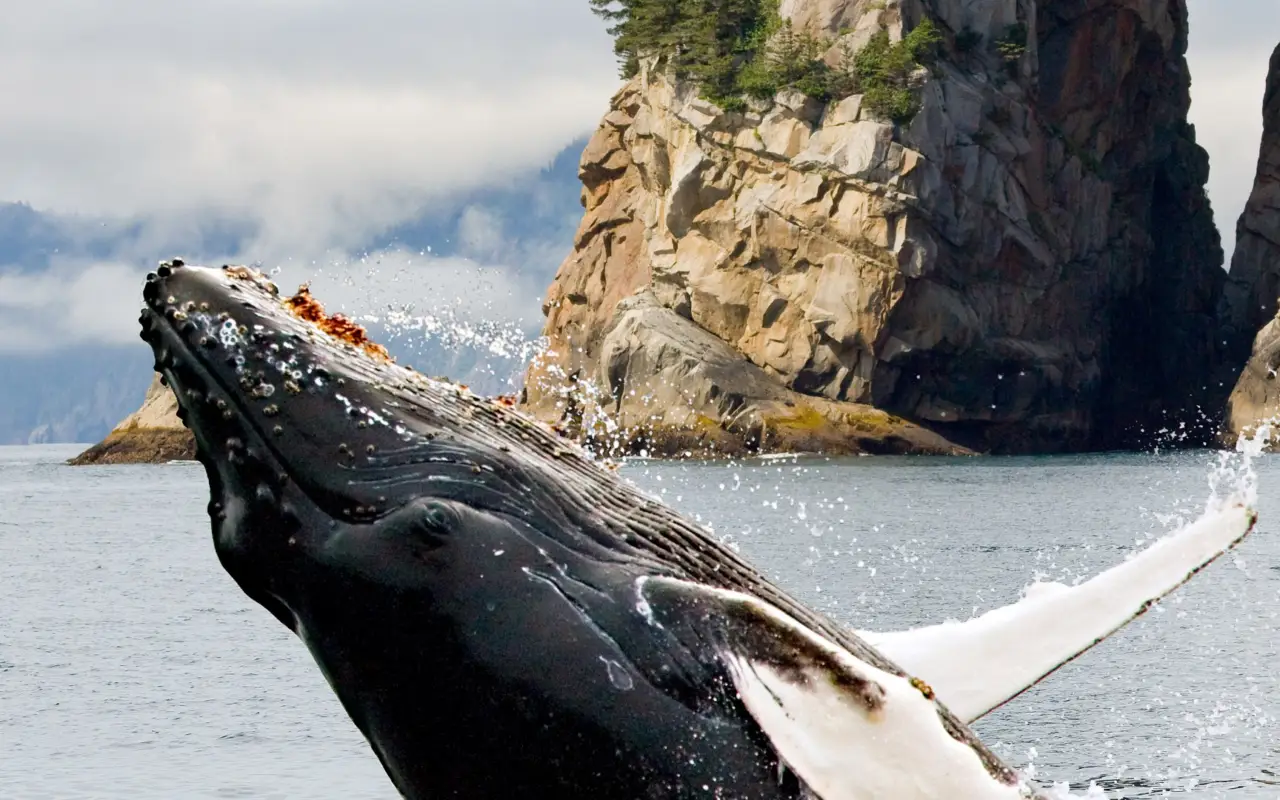
Every summer, the nutrient-rich waters of the Inside Passage attract humpback whales that come to feed. These excursions offer the chance to observe their group hunting techniques, a rare spectacle of coordination. Orcas, porpoises, and sea lions often add to the experience, with peak activity occurring in June and July.
3. Discover Ketchikan’s totem poles
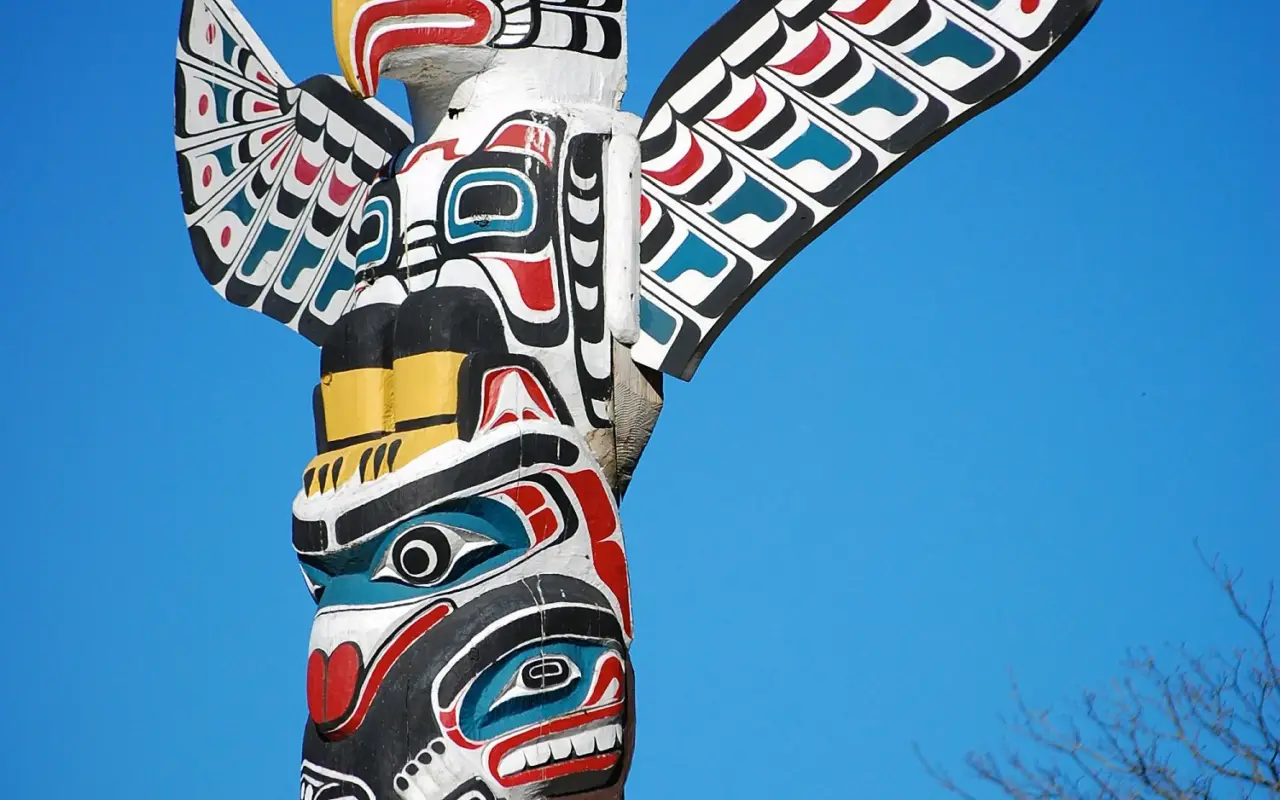
Ketchikan, the first port of call in the north, boasts one of the largest collections of totem poles in the world. The Totem Heritage Center, Totem Bight State Historical Park, and the village of Saxman showcase the art of the Tlingit and Haida peoples. The city is also renowned for its history as the “Salmon Capital.”
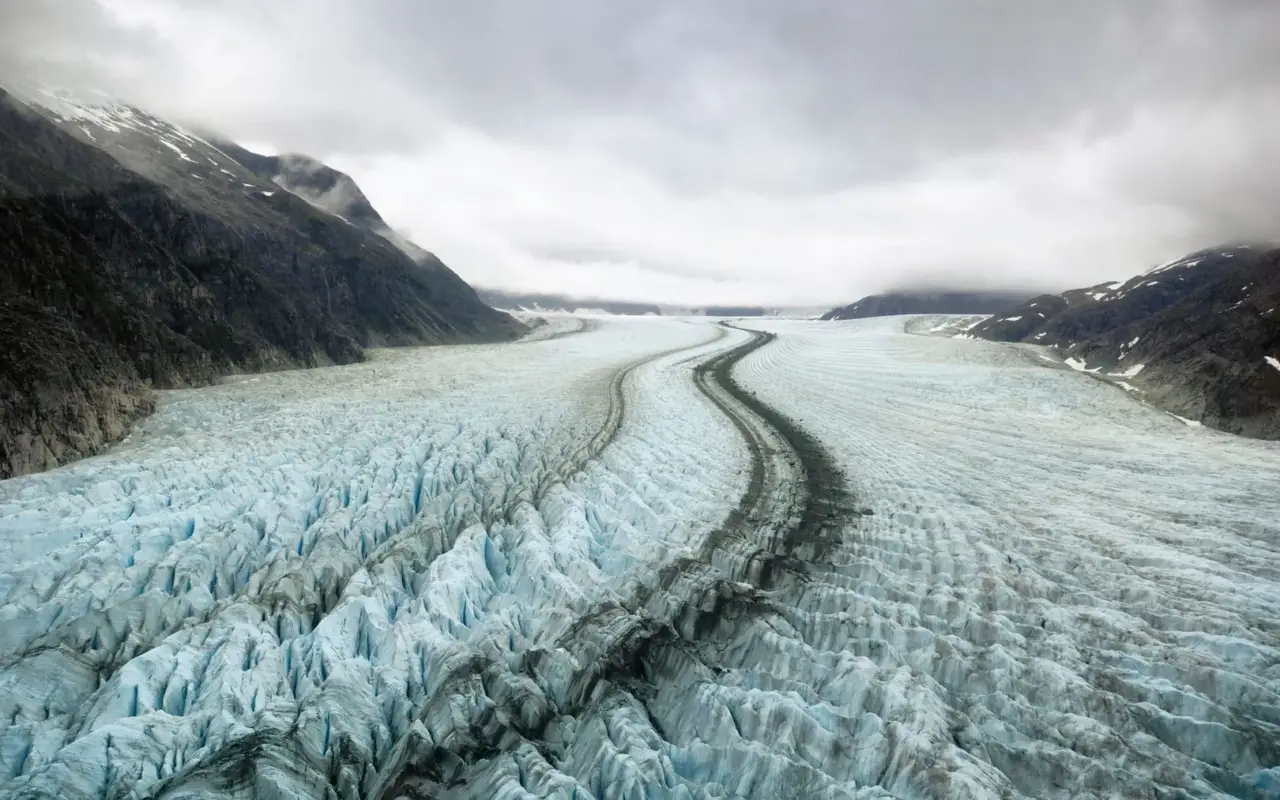
4. Visit the Mendenhall Glacier in Juneau
Juneau, Alaska’s capital city with no road access, provides access to Mendenhall Glacier, just a few miles from downtown. Hiking trails, kayaking, and helicopter tours offer ways to explore it. The city, nestled against the Juneau and Roberts Mountains, also serves as a base for whale watching.
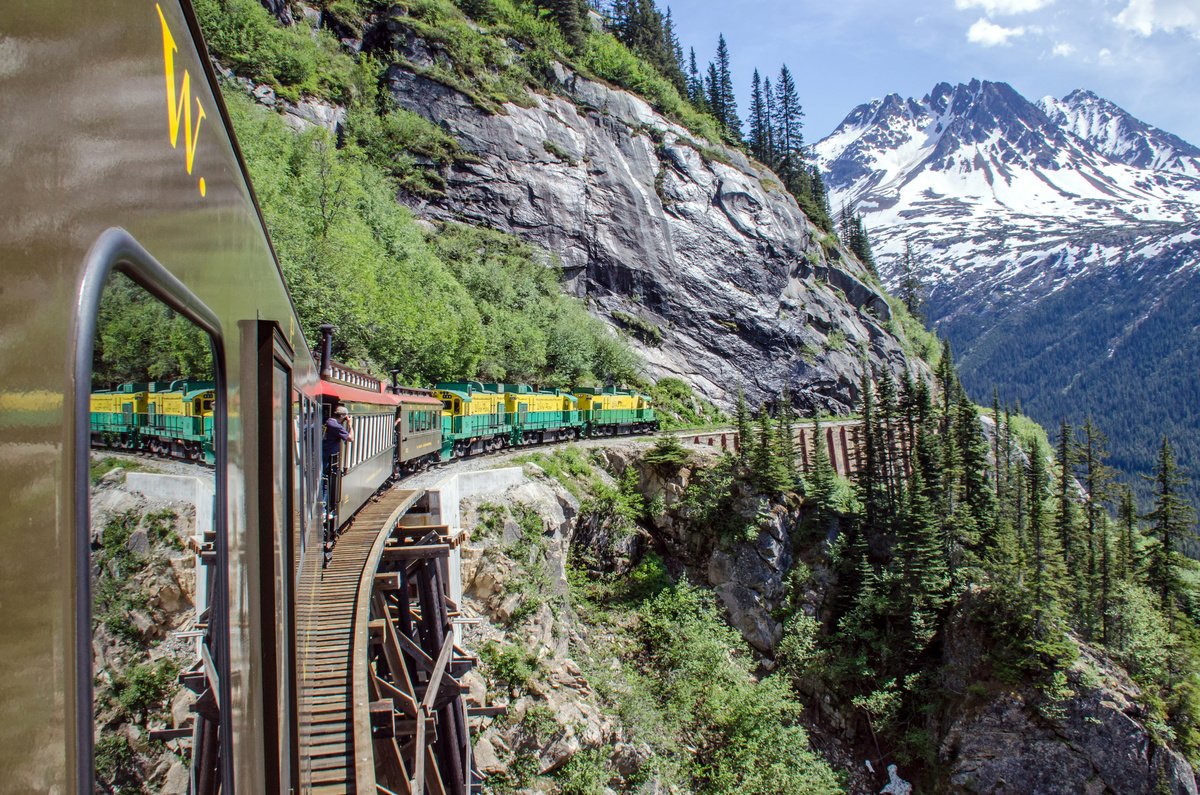
5. Take the White Pass Train in Skagway
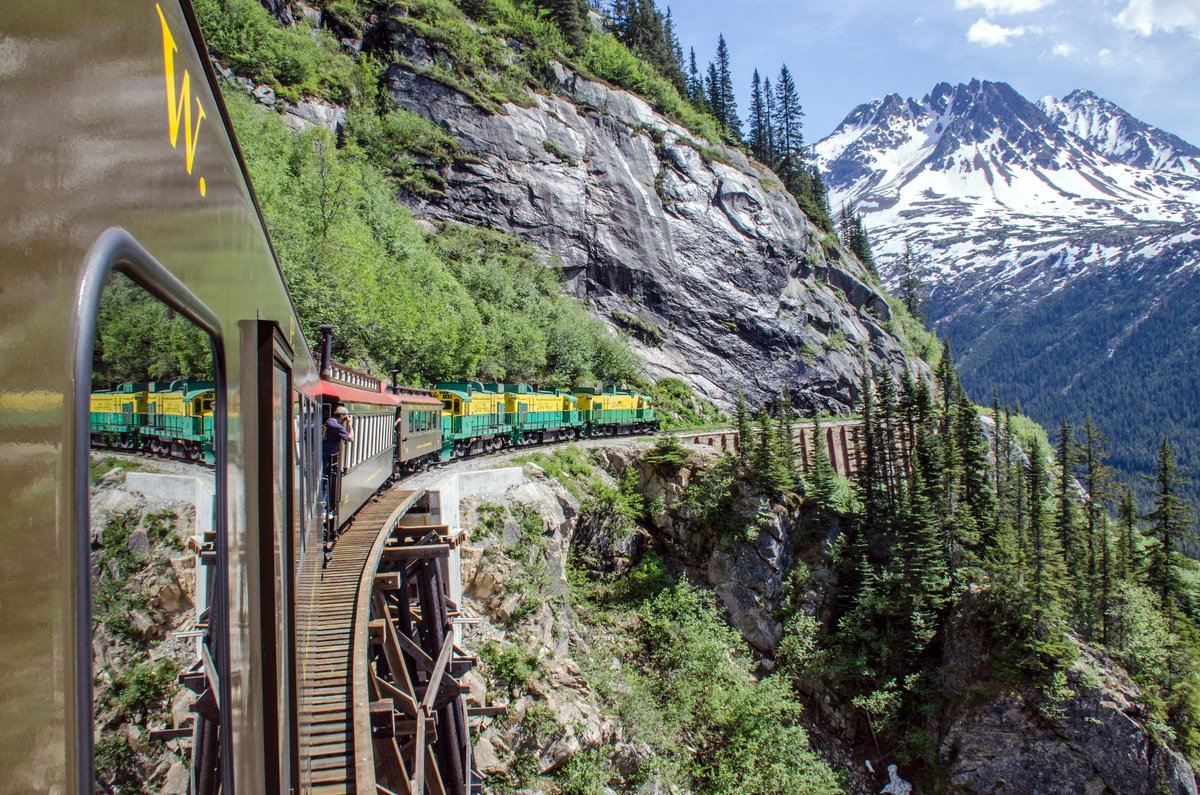
In Skagway, the gateway to the Klondike Gold Rush, the White Pass and Yukon Route Railroad climbs up the mountainside through tunnels, over bridges, and past waterfalls. This historic train retraces the route taken by gold prospectors in 1898, against a backdrop of snow-capped peaks.
When is the best time to visit this region?
The cruise and ferry season runs from May through September. June and July offer the most active humpback whales and long days. The oceanic climate sustains a rainforest: rain is part of the experience, especially at the beginning and end of the season.
July and August are the most stable months. The sheltered waters remain calm throughout the season, except near Sitka, which faces the Pacific. Check out our guide on when to visit Alaska.
| Period | Conditions | Wildlife and Activities |
|---|---|---|
| May | Start of the season, lower rates | First orcas, glaciers |
| June through July | Long days, peak season | Humpback whale season peaks, cruises |
| August | Stable weather | Active wildlife, hiking |
| September | End of season, rain | Wildlife still present, quiet |
How can you explore the region?
There are two main ways to travel. Cruises, both large and small, depart from Seattle, Vancouver, Seward, or Whittier and stop at the main ports of call from May through September. This is the most comfortable option, offering days of scenic cruising through the fjords.
The Alaska Marine Highway System, the state’s ferry network, serves numerous ports, from Bellingham to the Aleutians. It allows you to travel independently, at your own pace, by bringing your vehicle on board. Juneau, Ketchikan, and Sitka also have airports, making it possible to combine air and water travel.
Where to stay along the coast?
On a cruise, accommodations are provided on board. For an independent trip using ferries, each port of call has its own options: hotels and lodges in Juneau, Ketchikan, Sitka, and Skagway, which should be booked in advance during peak season.
There are also secluded lodges in the Tongass National Forest, some accessible only by boat or seaplane, offering a deep immersion in nature. Our team designs itineraries that combine cruises, ferries, and shore excursions. Discover our suggested itineraries.
Frequently Asked Questions About Southeast Alaska
What is the Inside Passage in Alaska?
The Inside Passage is a maritime route approximately 500 miles long that runs along the southeastern coast of Alaska, between a string of islands and the mainland’s fjords. Sheltered and calm, it connects Seattle and Vancouver to coastal towns such as Ketchikan, Juneau, and Skagway, primarily by cruise ship or ferry.
Which towns should you visit along the coast?
The major stops include Ketchikan, famous for its totem poles; Juneau, the capital accessible only by boat or plane; Sitka, steeped in Russian history; and Skagway, the gateway to the Gold Rush. Petersburg, Wrangell, and Haines round out the itinerary.
When is the best time to take a cruise in Alaska?
The cruise season runs from May through September. June and July offer the best chances to see active humpback whales. The sheltered waters between the islands remain calm, making them ideal for travelers prone to seasickness.
What to see in Glacier Bay National Park?
Glacier Bay National Park is home to the world’s highest concentration of tidewater glaciers. The cruise takes you to the foot of ice fronts calving into the ocean, set against a backdrop of fjords. The site, a UNESCO World Heritage Site, is home to seals, otters, and seabirds.
How do you get to Juneau?
Juneau, the capital of Alaska, is not connected to the rest of the state by any roads. It can only be reached by boat or plane. Even residents must transport their cars by ferry. The city provides access to the Mendenhall Glacier.
Can you travel in the region without taking a cruise?
Yes. The Alaska Marine Highway System, the state’s ferry network, serves numerous ports along the Inside Passage, from Bellingham in Washington State to the Aleutian Islands. This option allows you to travel at your own pace, independently.
Where can you see totem poles in Southeast Alaska?
Ketchikan boasts one of the largest collections of totem poles in the world. The best sites are the Totem Heritage Center, Totem Bight State Historical Park, and the village of Saxman. They reflect the Tlingit, Haida, and Tsimshian cultures of the region.
What kinds of whales can be seen in the region?
Humpback whales frequent these waters from May through September, with peak activity in June and July. Orcas, porpoises, sea lions, and sea otters can also be spotted, often during dedicated tours or from the deck of a boat.
Last updated: August 18, 2026.
About Terra Alaska
Terra Alaska is a local travel agency specializing in custom trips to Alaska and a member of the Terra Panamerica network. Our team designs itineraries tailored to each traveler, from national parks to winter expeditions under the Northern Lights. Discover our expertise as a local inbound travel agency.
Contact us to plan your trip or explore our suggested itineraries.
Sources
National Park Service (Glacier Bay National Park); UNESCO (Glacier Bay); Travel Alaska (Inside Passage); Alaska Marine Highway System; U.S. Forest Service (Tongass National Forest).