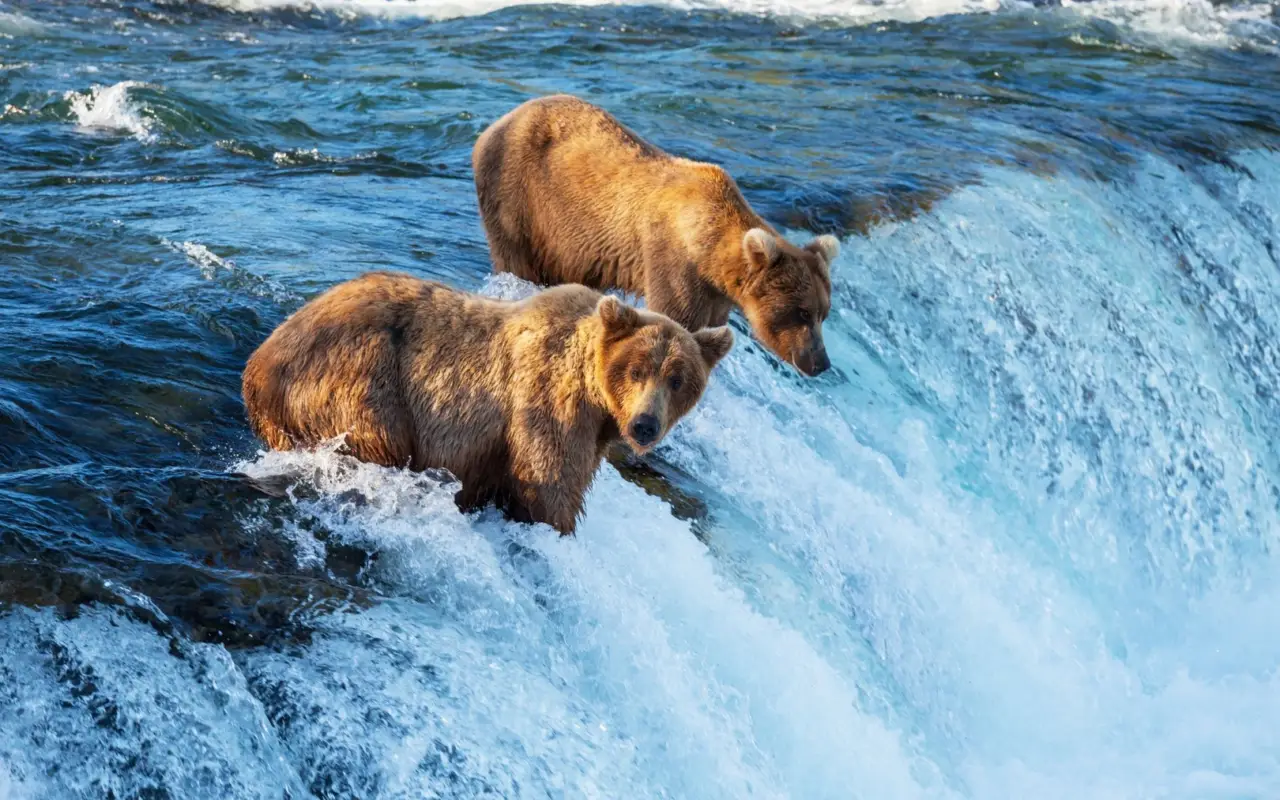
When it comes to bear watching in Alaska, three locations stand out: Katmai National Park and Brooks Falls, Lake Clark National Park, and Kodiak Island. The best time to visit is from June through September, with peak activity in July and August during the salmon run. Access is by small plane, often on day trips from Anchorage, Homer, or Kenai. Katmai is home to more than 2,000 brown bears.
Watching a brown bear catch salmon in a river is one of the most memorable experiences of a trip to Alaska. The state is home to one of the largest brown bear populations on the planet, concentrated in a few exceptional locations. This guide, based on data from the National Park Service, details where to go, when to go, how to get to the sites, and how to observe the bears safely.
This article is part of our series on things to do in Alaska and complements our guide to Alaska’s wildlife. To figure out the best time of year for bear watching, see also when to visit Alaska.
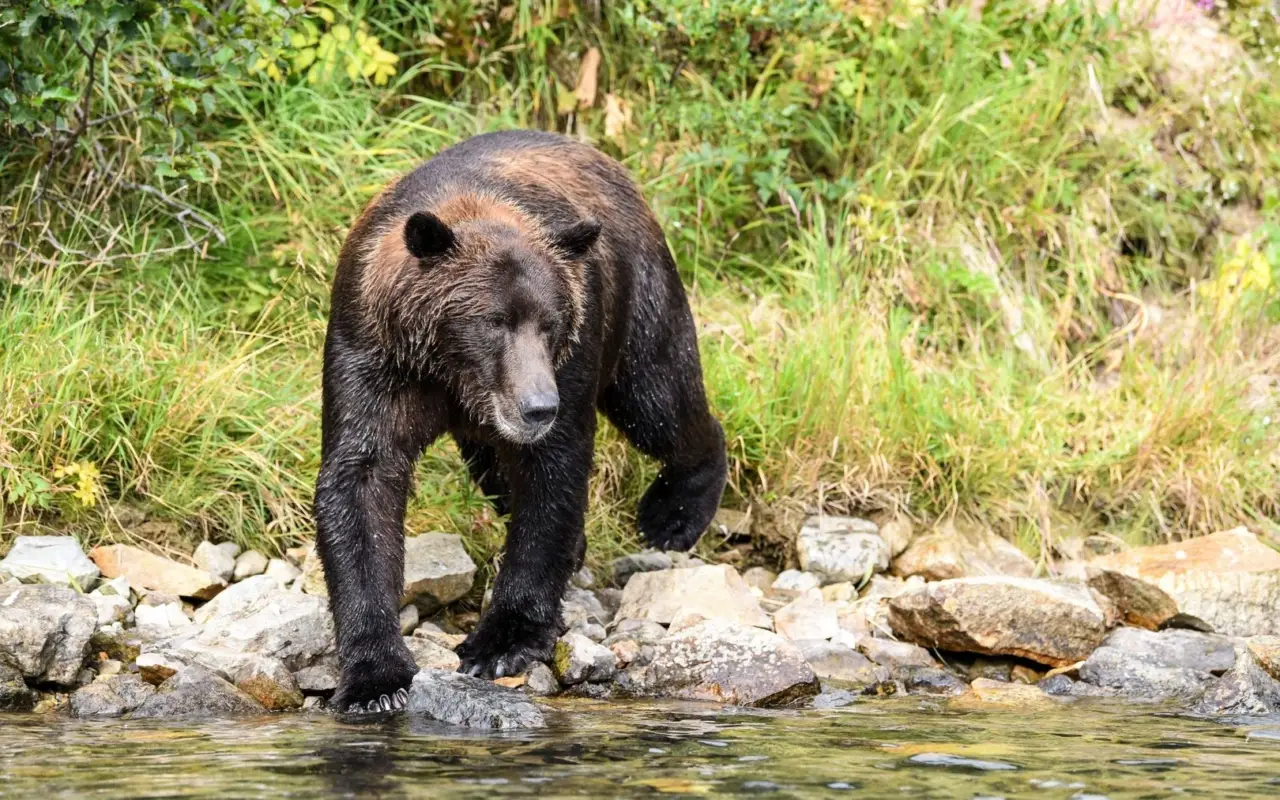
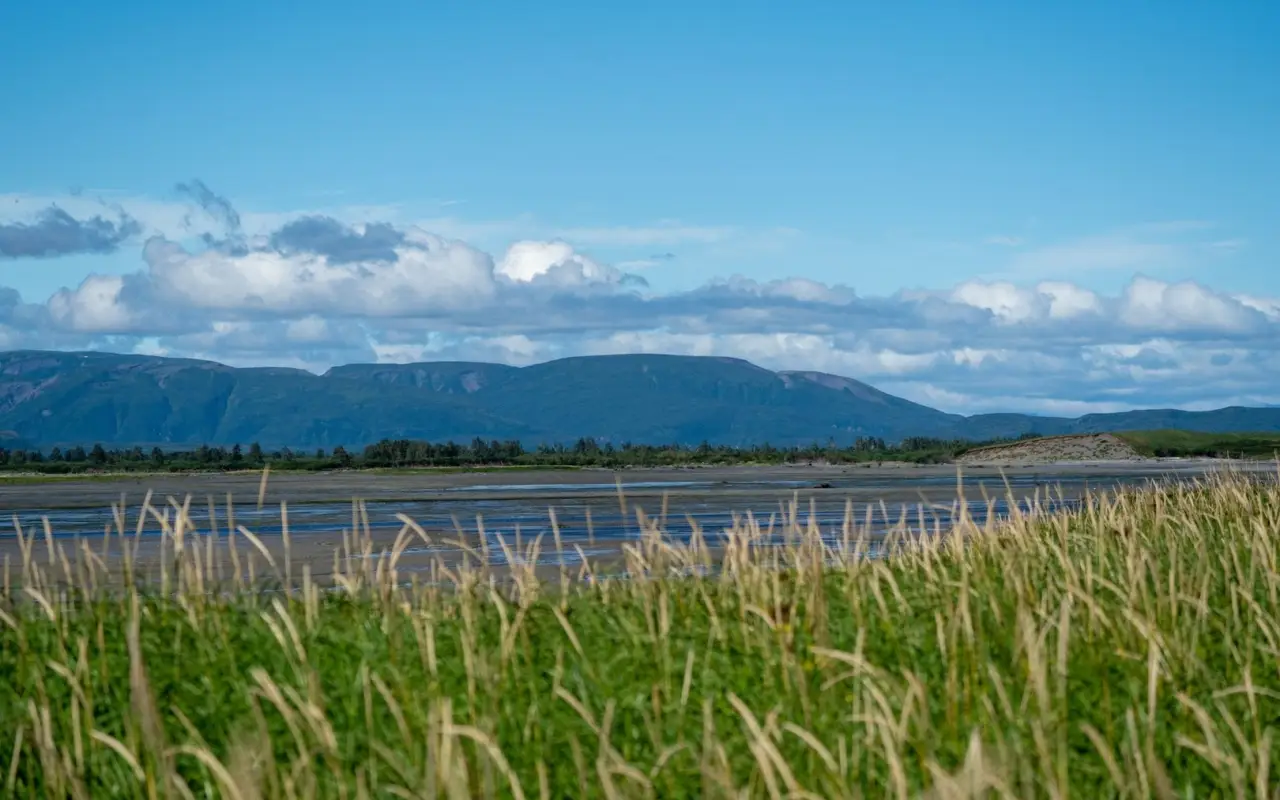
Where can you see bears in Alaska?
Three destinations stand out, all renowned for their brown bears and accessible by small plane. Here they are, from the most iconic to the wildest.
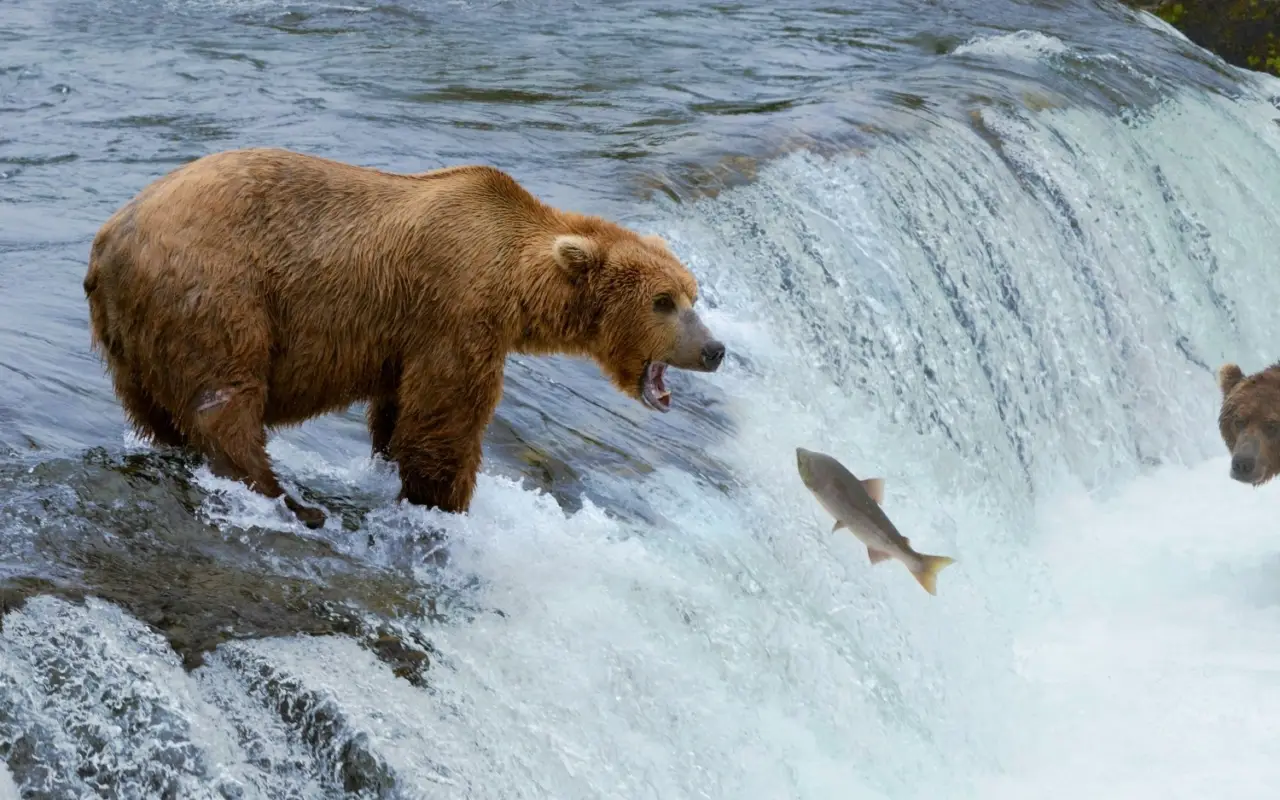
1. Katmai National Park and Brooks Falls
Katmai National Park is the world’s most famous destination for bear watching. In July, Brooks Falls attracts dozens of bears that come to catch the salmon leaping over the waterfalls. Viewing takes place from platforms supervised by park rangers. The park is home to more than 2,000 brown bears. Sites like Hallo Bay and Geographic Harbor offer a more wilderness-oriented experience.
2. Lake Clark National Park
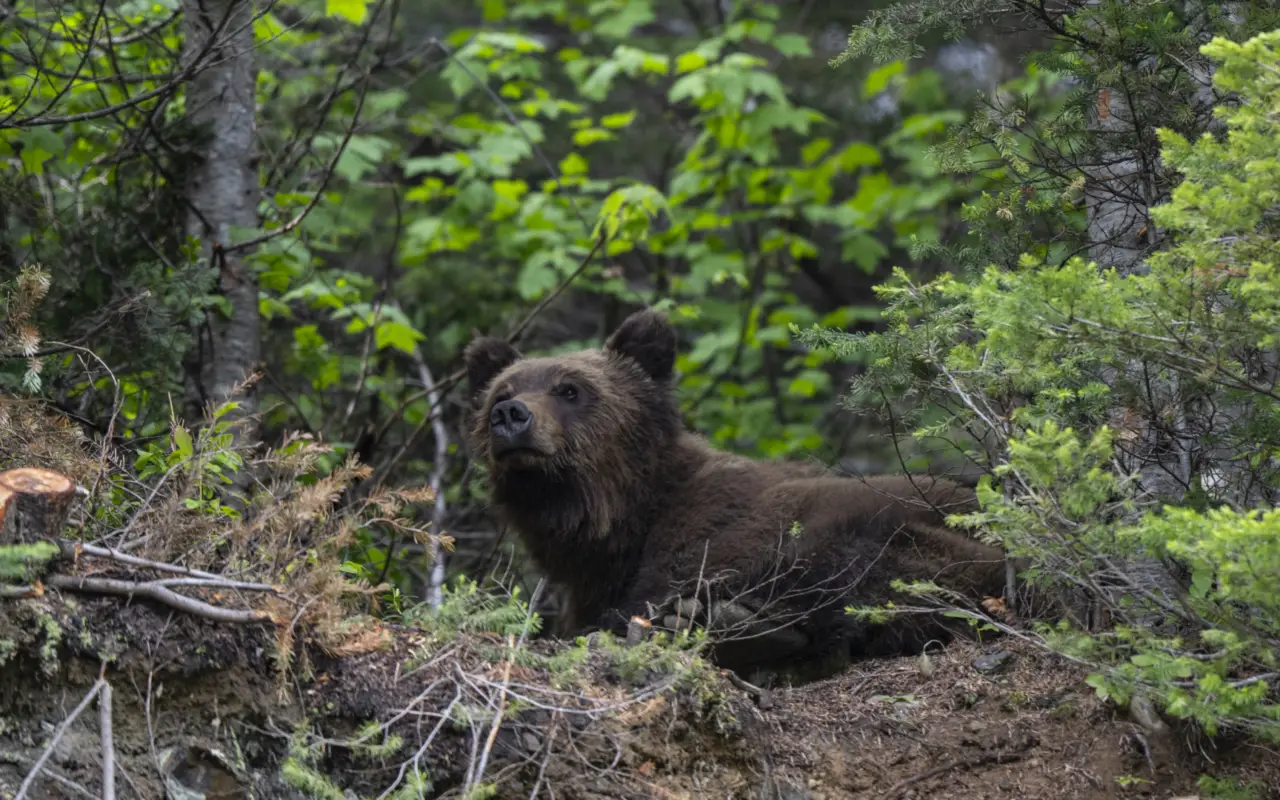
Lake Clark National Park offers a more intimate wildlife viewing experience, often on foot among the bears accompanied by a guide. Along the shores of Chinitna Bay and Silver Salmon Creek, bears graze, dig for clams, and fish for salmon. Just an hour’s flight from Anchorage, it’s a less crowded alternative to the Katmai viewing platforms.
3. Kodiak Island
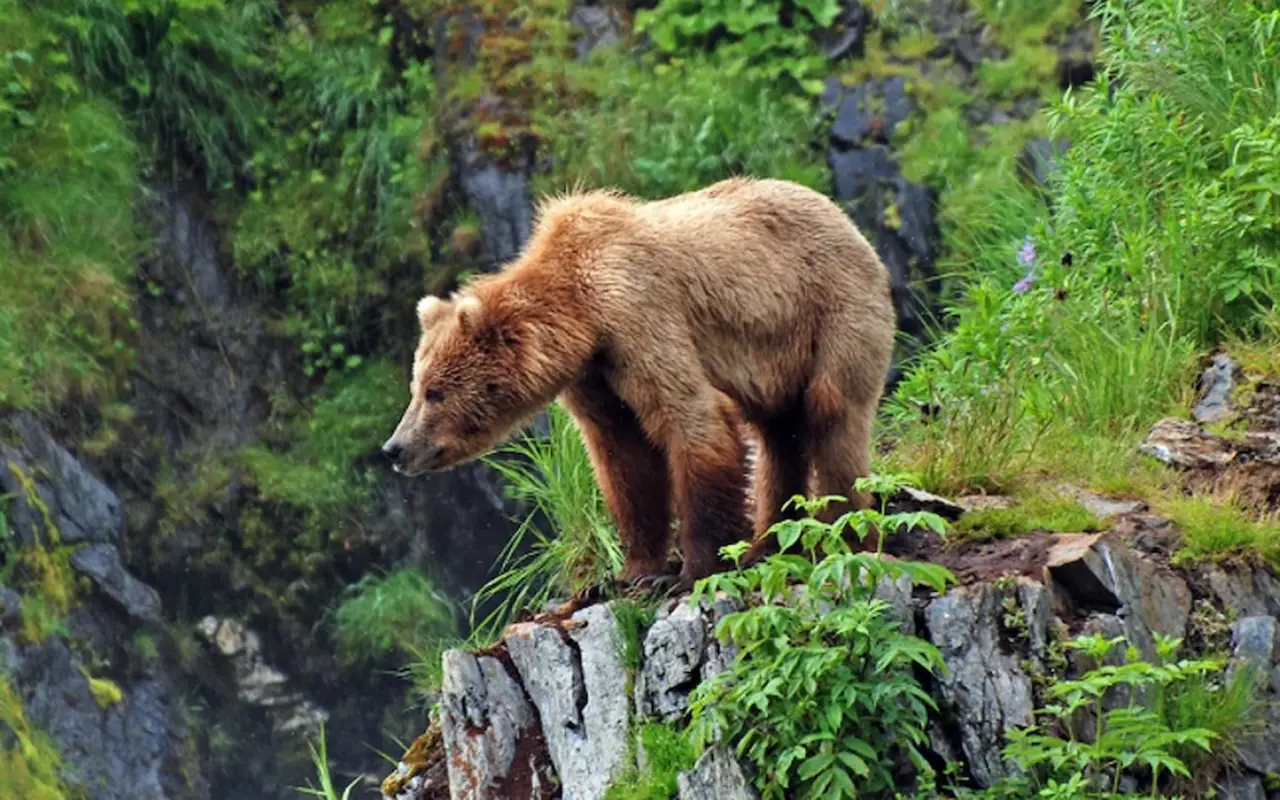
Kodiak Island is home to the world’s largest brown bears, the Kodiak bear, a subspecies whose males weigh over 600 kilograms. The Kodiak National Wildlife Refuge, established in 1941, protects approximately 3,500 of them. Rivers such as the Karluk and Fraser offer great opportunities for bear watching. The island, accessible by plane from Anchorage, is a more diverse destination combining bears, fishing, and culture.
Other Places to See Bears
Beyond the top three destinations, there are several other sites where you can spot bears. Denali National Park is home to brown bears that are more widely scattered, some of which can be seen from the scenic byway. The Kenai Peninsula and the Russian River attract bears that come to fish, and these areas are accessible on foot. The Redoubt Bay Preserve, near Lake Clark, rounds out the options for day trips from Anchorage.
When is the best time to see bears in Alaska?
The viewing season runs from June to September, aligned with the bears’ feeding cycle. In the spring and early summer, they graze on grasses and forage along the shoreline. The peak viewing period is from July to September, when the salmon run draws them to the rivers.
From November through March, bears hibernate, making sightings impossible. The weather can be unpredictable and may delay connecting flights; it’s best to plan for several days and be flexible. Cross-reference these guidelines with our guide on when to go.
| Period | Bear Behavior | Observation |
|---|---|---|
| May through June | Emerging from hibernation, grasses, clams | Good, Lake Clark coast |
| July–August | Salmon fishing | Best, Brooks Falls, Kodiak |
| September | Last chance to catch big fish before winter | Very good, fewer crowds |
| November through March | Hibernation | None |
How do you get to the observation sites?
Most viewing sites can only be reached by small plane or seaplane, often as part of a day trip. Katmai is reached via King Salmon, followed by a flight to Brooks Camp. Lake Clark is a one-hour flight from Anchorage, Homer, or Kenai. Kodiak has an airport connected to Anchorage.
These popular excursions, which have limited availability, must be booked several months in advance. A seaplane flight is often part of the experience. Many travelers combine bear watching with a fishing trip orwhale watching.
Safe Bear Viewing
Guided bear viewing is very safe. At the Brooks Falls viewing platforms, park rangers are on duty at all times. Along the shores of Lake Clark, guides lead on-foot approaches from a respectful distance. There are a few rules to follow: keep your distance, never feed a bear, avoid sudden movements, and follow instructions.
A telephoto lens allows you to take photos without disturbing the bears. Gear suitable for changing weather conditions is essential. Booking your trip through a local agency ensures you’ll have access to the right service providers and the best viewing opportunities.
Frequently Asked Questions: Bear Watching in Alaska
Where can you see bears in Alaska?
The three best locations are Katmai National Park and Brooks Falls, Lake Clark National Park—around Chinitna Bay and Silver Salmon Creek—and Kodiak Island. These areas, accessible by small plane, are home to the highest concentrations of brown bears in the state, drawn by the salmon.
When is the best time to see bears in Alaska?
The viewing season runs from June through September. In May and June, the bears graze on grasses and dig for clams on the foreshore. Starting in July, they catch salmon as they run upstream—the most spectacular time of year. September remains a good time to visit, before the bears go into winter hibernation.
How many bears live in Katmai National Park?
Katmai National Park is home to more than 2,000 brown bears, according to the National Park Service—one of the highest densities in the world. In July, dozens of bears may gather around Brooks Falls alone to catch salmon swimming upstream.
How do you get to the bear-viewing sites?
Most sites are accessible only by small plane or seaplane, often as part of a day trip from Anchorage, Homer, or Kenai. Katmai can be reached via King Salmon and then Brooks Camp. Kodiak has an airport connected to Anchorage, from which tours depart.
Is it safe to observe the bears?
Yes. Bear viewing is always supervised by guides or rangers, either from designated viewing platforms like those at Brooks Falls or from a respectful distance along the shores of Lake Clark. You must keep your distance, never feed the bears, and follow instructions. Incidents are very rare.
What kinds of bears can you see in Alaska?
You’ll mainly see brown bears, including the Kodiak bear—the world’s largest subspecies—found exclusively on the Kodiak Archipelago. Black bears are more elusive and inhabit forested areas. Polar bears live only in the far northern Arctic, which is difficult to access and off the beaten path.
Do you need to make a reservation to see bears in Alaska?
Yes, and well in advance. Bear-viewing tours and lodges operate only during a short summer season and receive few visitors. Spots on viewing platforms and on planes are limited. Booking several months before departure is strongly recommended for the high season.
Can you combine bear viewing with other activities?
Yes. Bear viewing can easily be combined with a glacier cruise in the Kenai Fjords, whale watching, or a seaplane flight. Many travelers combine Katmai, Lake Clark, or Kodiak with a broader, custom-designed tour of Alaska.
Last updated: August 24, 2026.
About Terra Alaska
Terra Alaska is a local travel agency specializing in custom trips to Alaska and a member of the Terra Panamerica network. We design trips that include bear watching in Katmai, Lake Clark, and Kodiak, working with the best local providers. Discover our expertise as a local destination management company.
Contact us to plan your trip or explore our suggested itineraries.
Sources
National Park Service (Katmai National Park and Preserve, Lake Clark National Park); U.S. Fish and Wildlife Service (Kodiak National Wildlife Refuge). Data collected in 2026.