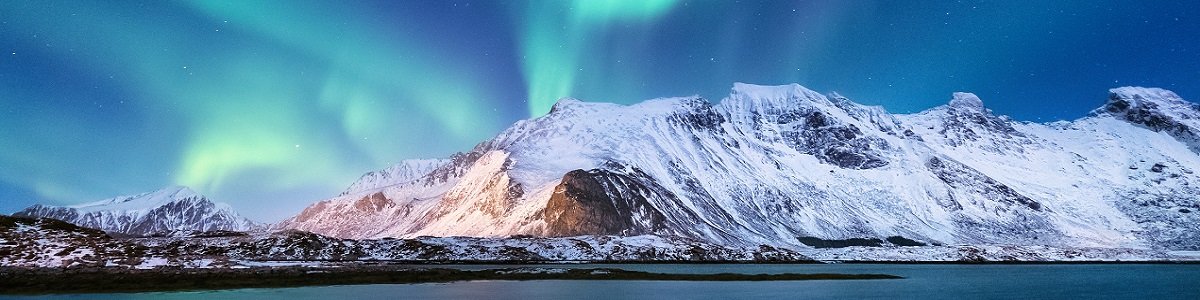
In winter, Alaska offers a variety of unique activities. You can watch the Northern Lights in Fairbanks, go dog sledding, and soak in the Chena Hot Springs. Other activities include snowshoeing, snowmobiling, skiing in Girdwood, and ice carving. The season runs from November through March, with temperatures ranging from -10 °C to -30 °C. This article is part of our guide to things to do in Alaska.
Winter transforms Alaska into a land of northern adventure. From the Northern Lights to snow-covered landscapes and traditions of the Far North, the season offers experiences that summer simply can’t match. Fairbanks remains the go-to destination for the Northern Lights, but Talkeetna, Girdwood, and Seward offer a variety of other experiences.
This guide answers a simple question: What to do in Alaska in winter? It details the top activities, the best regions, the season, and the necessary gear, and links each experience to our dedicated guides. To finalize your dates, also check out when to visit Alaska.
Why Travel to Alaska in Winter
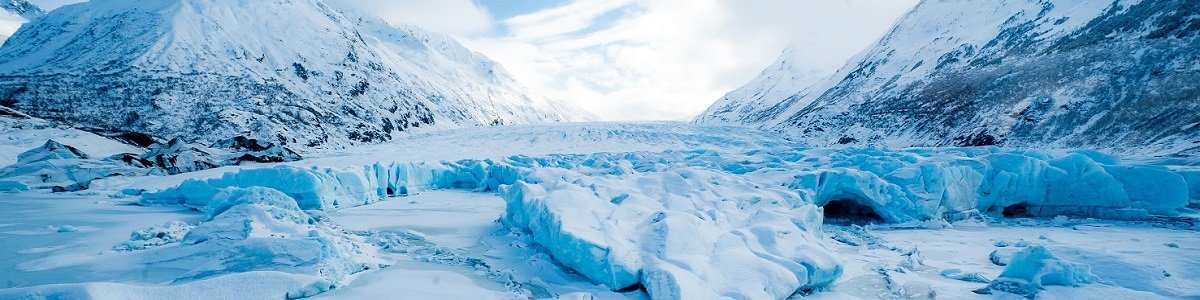
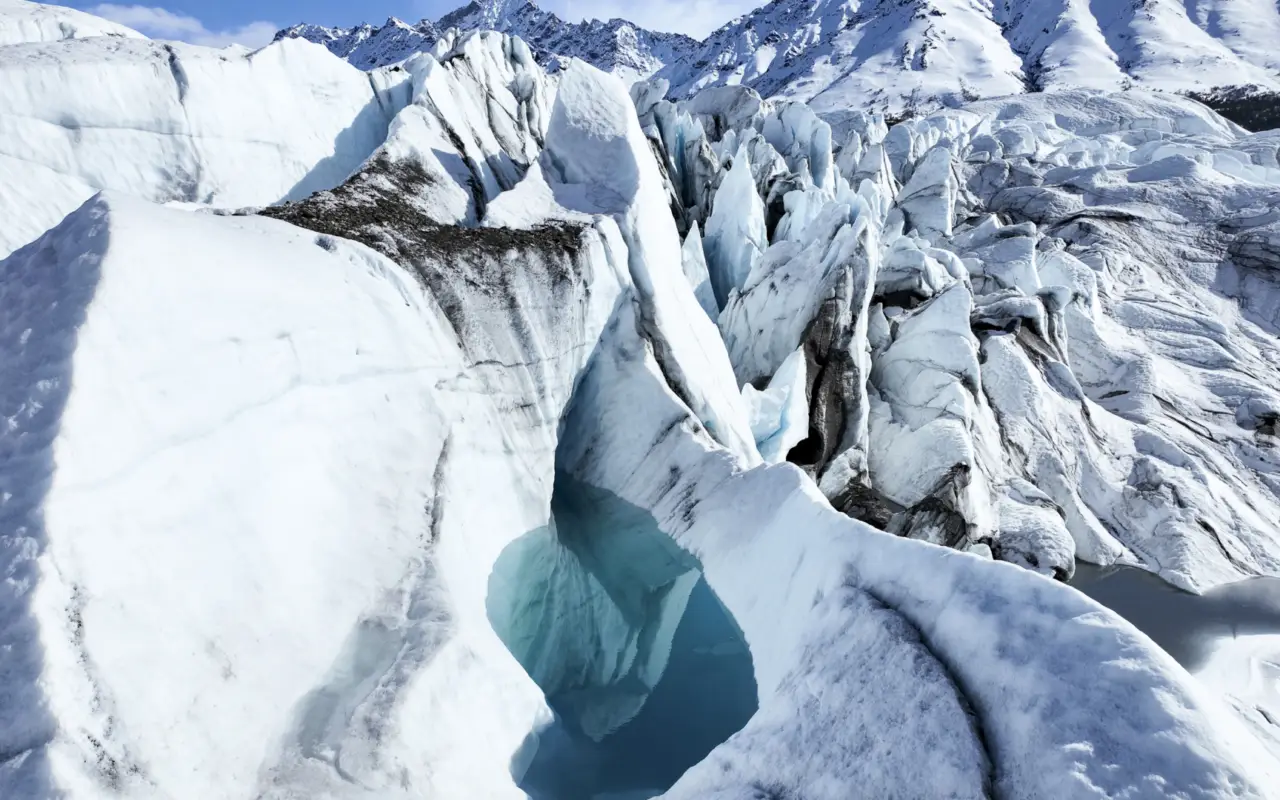
From November through March, snow-covered landscapes, short days, and long nights create ideal conditions for unique experiences, starting with the Northern Lights. Less crowded than in the summer, winter also offers a more intimate way to explore the region.
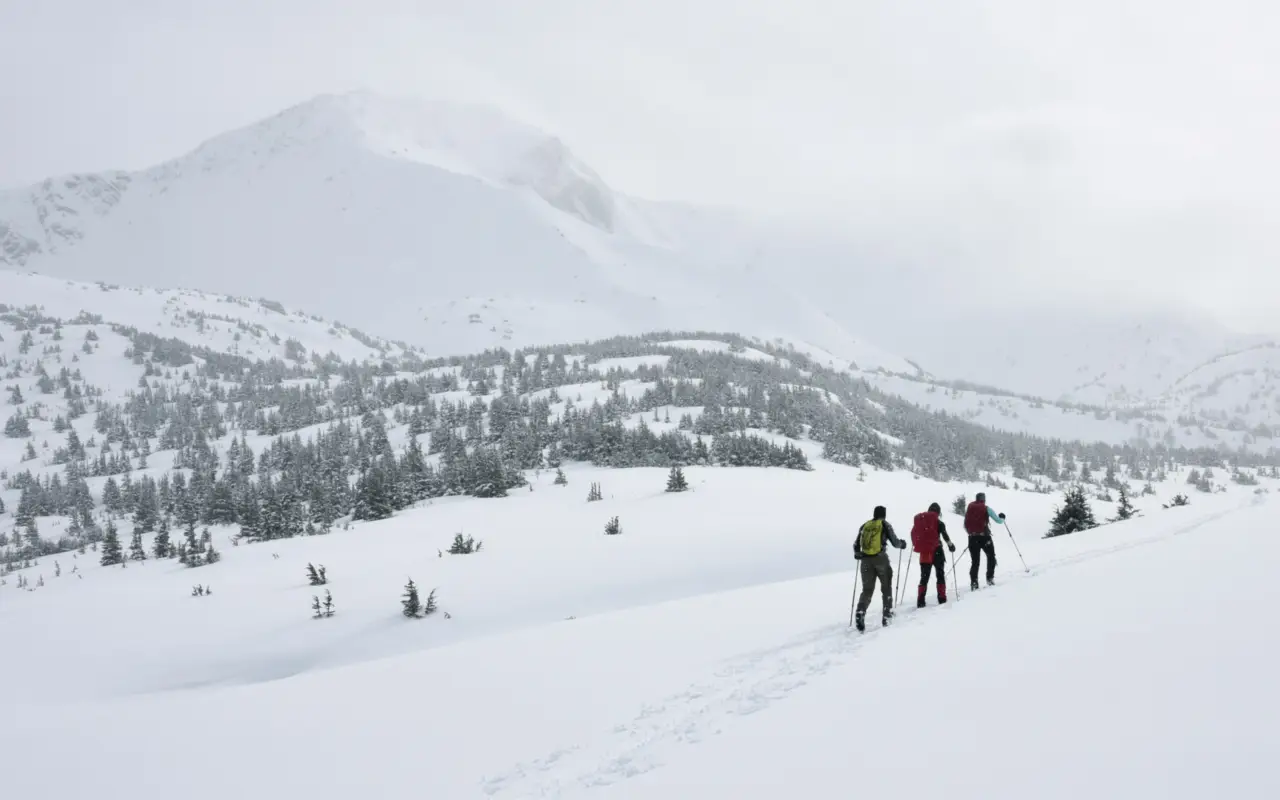
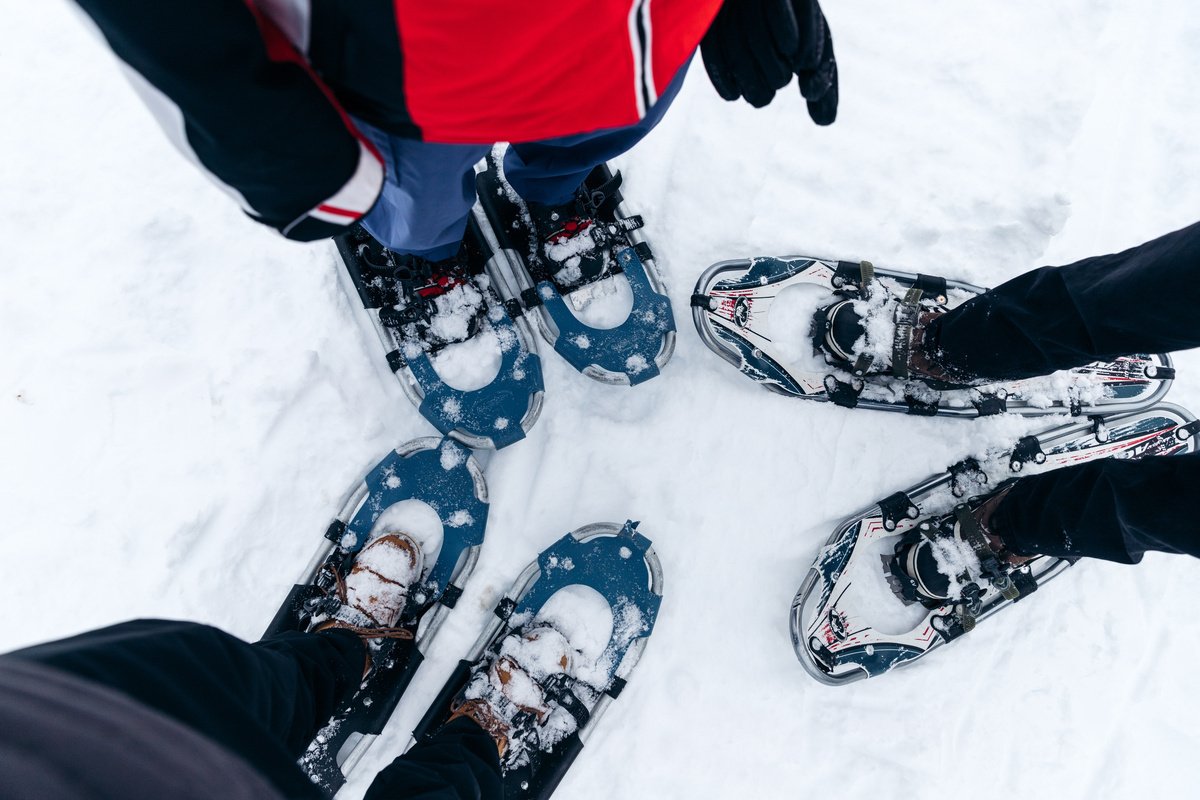
It’s the quintessential season for northern activities: dog sledding, snowshoeing, snowmobiling, hot springs, and ice art. The crisp cold is part of the experience—be sure to dress warmly. In return, nature reveals itself in a silence and light that only the Arctic winter can provide.
Things to Do in Alaska in Winter: Top Activities
Here are Alaska’s top winter experiences, from viewing the northern lights to dog-sledding traditions.
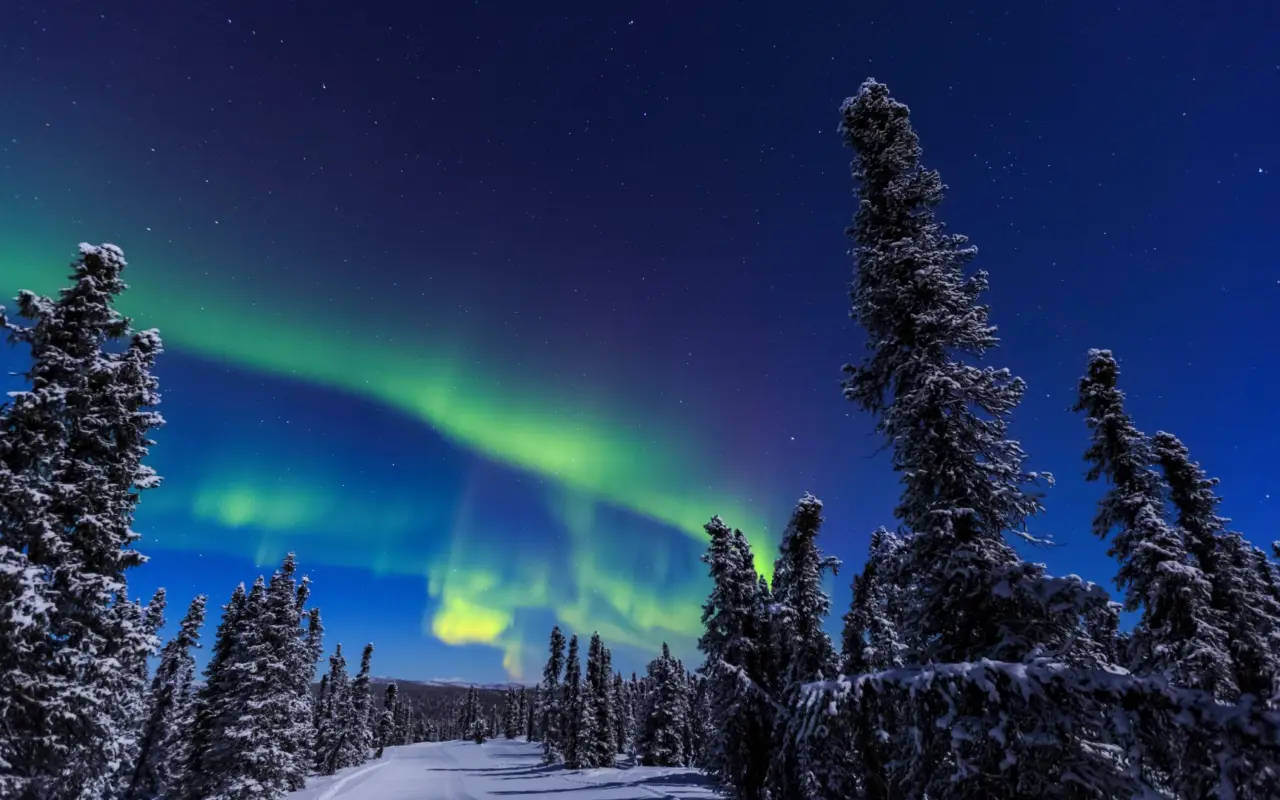
1. Watch the Northern Lights
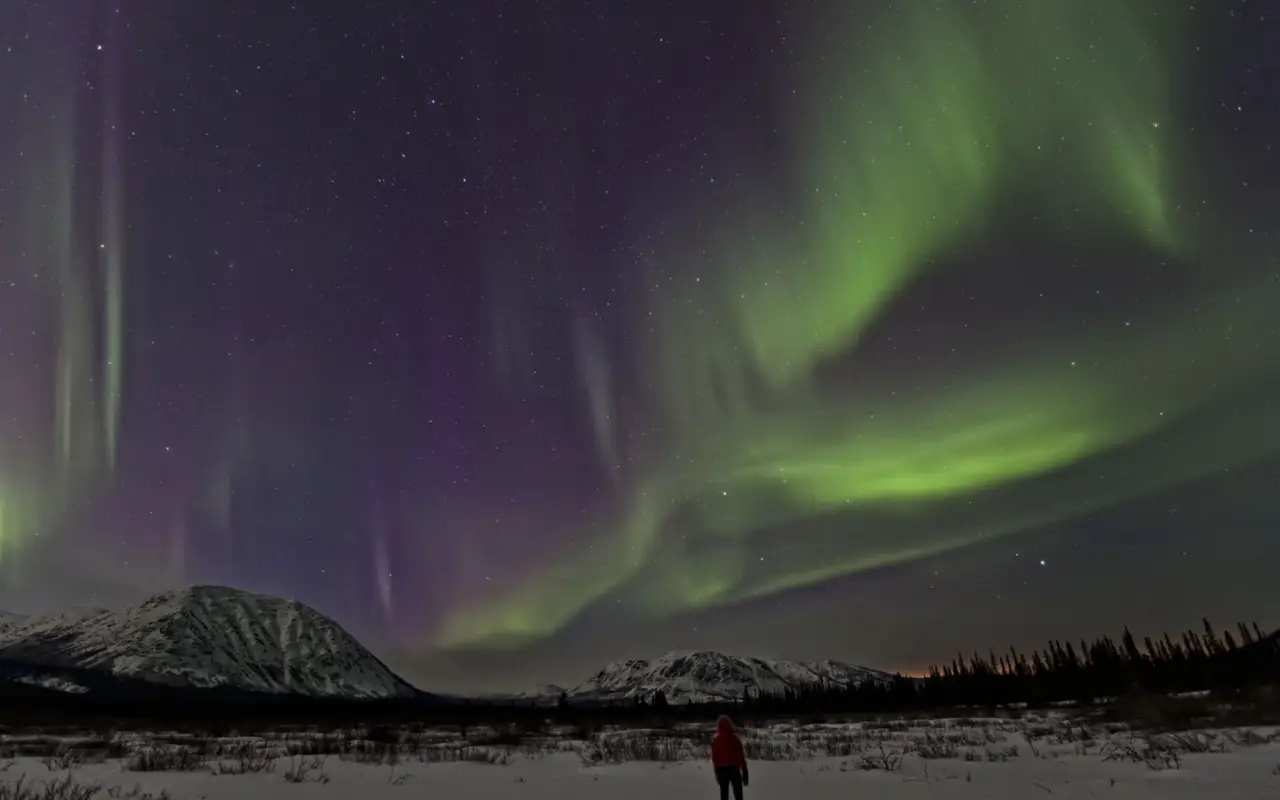
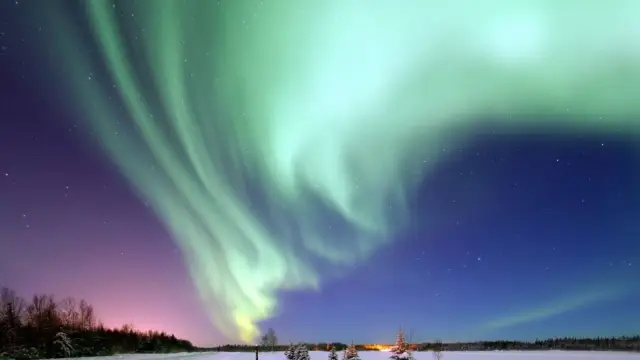
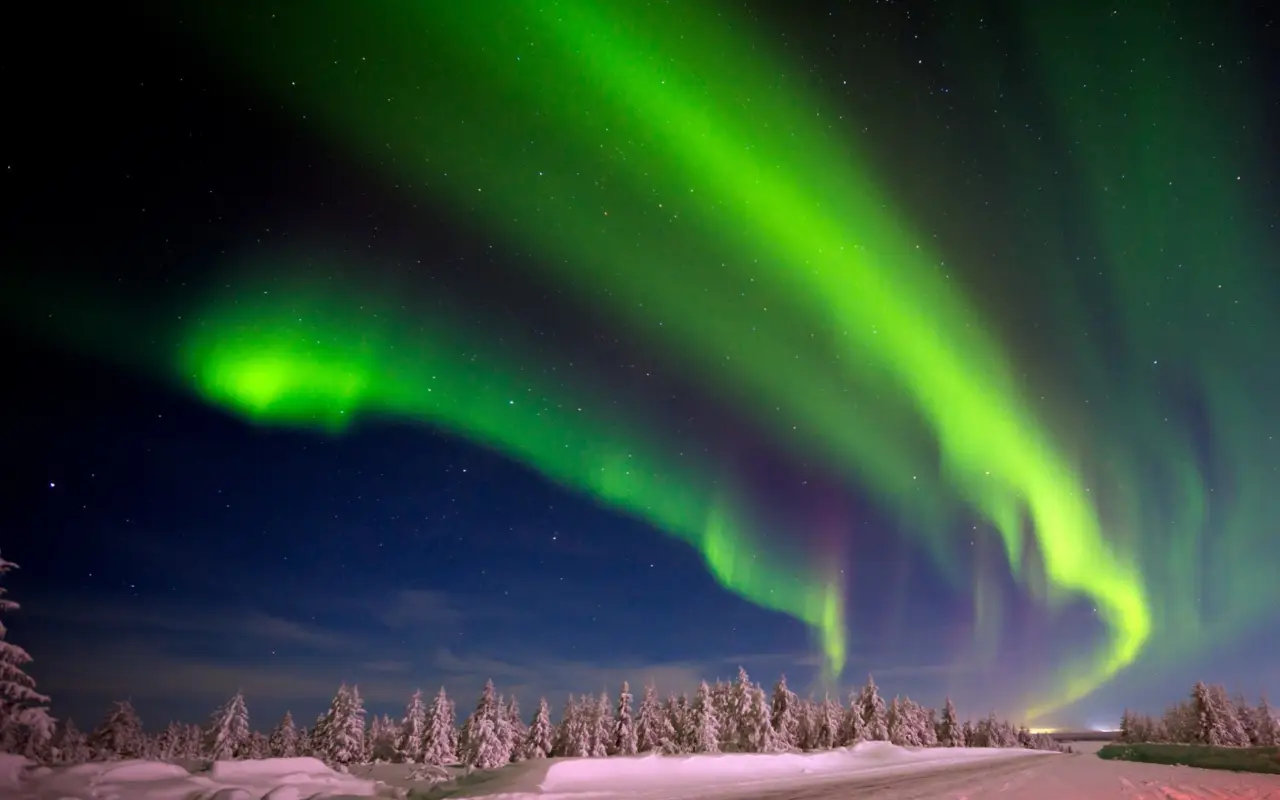
This is the quintessential winter experience. Fairbanks, located beneath the auroral oval, is one of the best places in the world to see the Northern Lights. During a three-night stay, the chances of seeing them exceed 90%. The viewing season runs from late August to early April. Everything is detailed in our guide dedicated to the Northern Lights in Alaska.
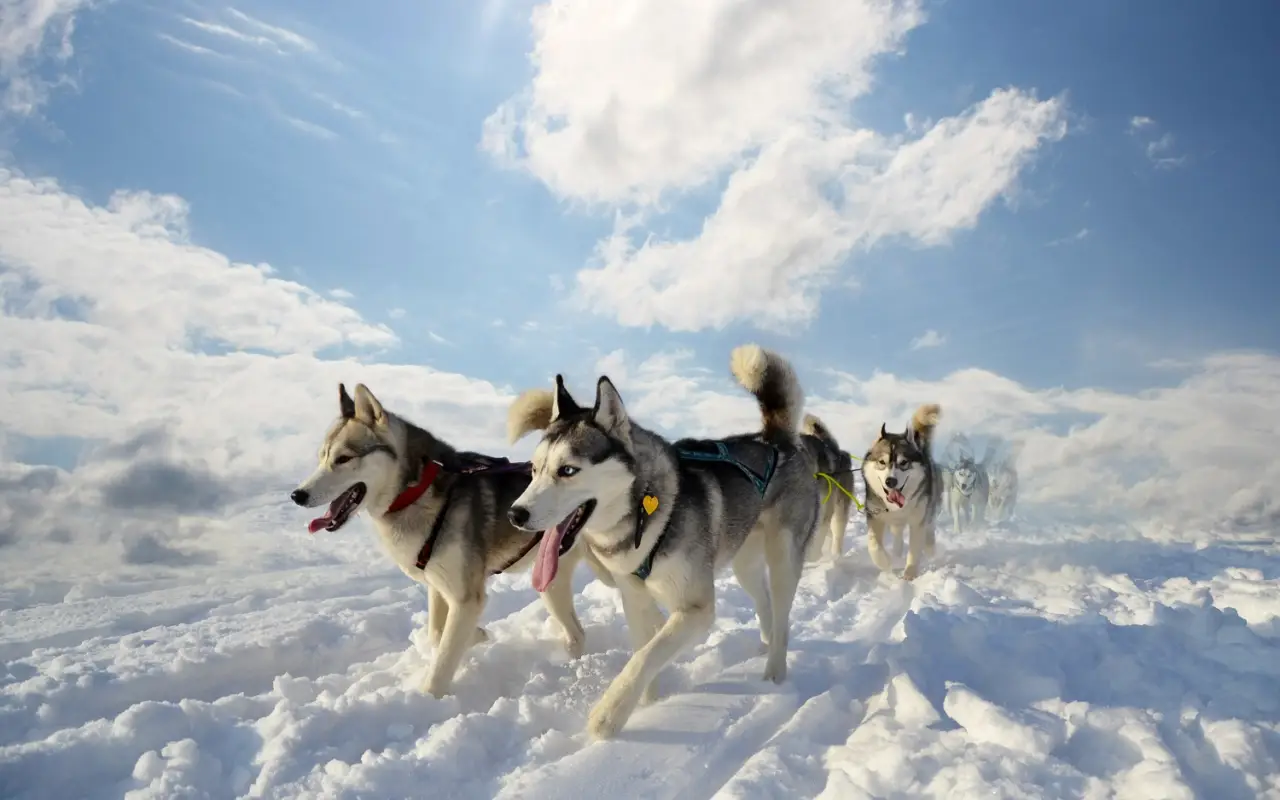
2. Go dog sledding
Dog sledding, a legacy of Indigenous traditions and major races like the Iditarod, lets you glide silently through snow-covered landscapes. Mushers offer everything from short introductory rides to multi-day expeditions around Fairbanks and Talkeetna. Find out everything you need to know in our guide to dog sledding in Alaska.
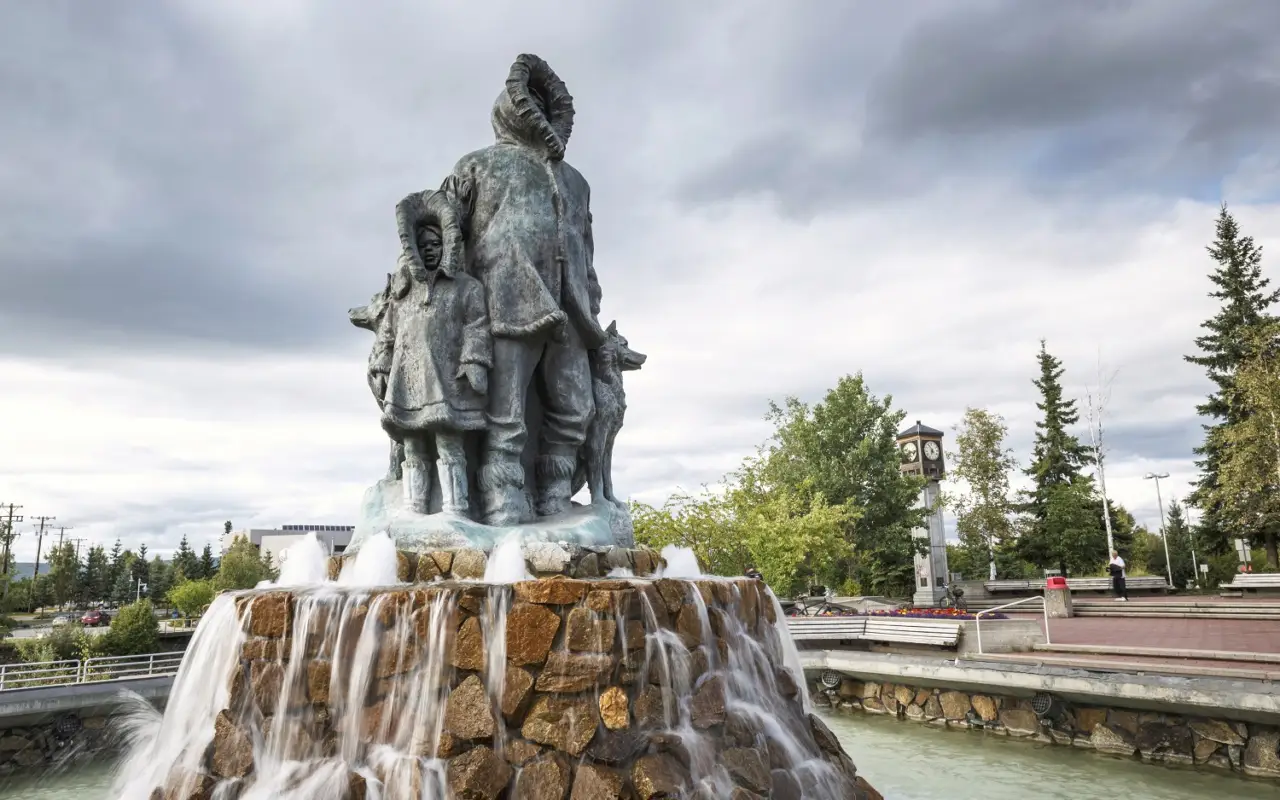
3. Soak in the Chena Hot Springs
An hour from Fairbanks, the Chena Hot Springs invite you to soak in naturally warm water surrounded by snow. It’s one of Alaska’s most popular winter experiences, often combined with viewing the northern lights from the site. The surrounding area is also perfect for beautiful snowshoe hikes through the boreal forest.
4. Skiing, Snowmobiling, and Ice Sculpture
South ofAnchorage, Girdwood and its Alyeska resort offer downhill skiing, a great complement to a cross-country skiing trip. Snowmobiling opens up the vast snow-covered wilderness. In Fairbanks, the Ice Museum and the World Ice Art Championships—an international ice sculpture competition—transform the city into an open-air gallery every winter.
Where to Spend the Winter in Alaska
Each region has its own winter attractions. This table will help you plan your itinerary.
| Region | Winter Highlights | Pair with |
|---|---|---|
| Fairbanks | Northern Lights, dog sledding, Chena, ice art | Minimum 3-night stay |
| Talkeetna | Dog sledding, traditions, Iditarod | Winter flight over Denali |
| Girdwood / Anchorage | Downhill skiing, snowmobiling, easy access | Starting point of the trip |
| Seward | Marine wildlife on boat excursions, fjords | Winter cruise |
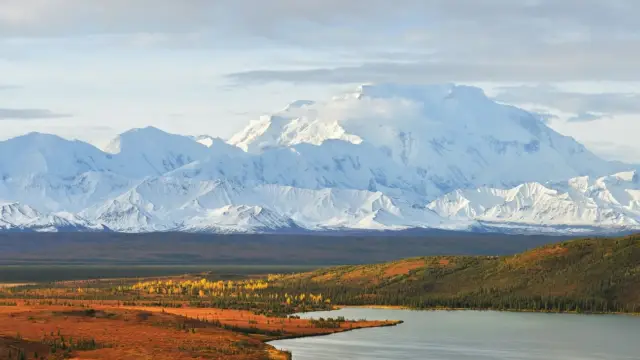
In Seward, even in winter, a boat trip offers the chance to spot seabirds, sea lions, and sometimes whales, against a backdrop of fjords and glaciers. To extend the experience, a scenic flight over Denali from Talkeetna reveals the snow-covered mountain range.
When to Visit Alaska in Winter
The winter season runs from November through March. For the Northern Lights, the viewing window extends from late August through early April, when the nights are long and dark enough. December through March offer the most snow for sledding, skiing, and snowmobiling.
The days are short—just a few hours of daylight in December—leaving long nights for the Northern Lights. Check out our detailed guide on when to visit Alaska and discover our winter trips, such as the Winter Getaway in Wild Alaska.
Tips for Enjoying the Cold
Alaska experiences harsh winters, with average temperatures ranging from -10 °C to -30 °C, sometimes dropping even lower during cold snaps. Proper preparation is essential. Opt for a layered clothing system, with insulated and breathable clothing, boots, gloves, and protective gear suited for extreme cold.
For nighttime outings in search of the aurora, plan for breaks in a warm place and a hot drink. Check the weather forecast and the aurora activity index before each outing. Our “Preparing for Your Trip” guide provides detailed information on equipment.
Frequently Asked Questions: Alaska in Winter
What is there to do in Alaska in winter?
Winter in Alaska offers the chance to see the Northern Lights in Fairbanks and go dog sledding. You can also bathe in the Chena Hot Springs, go snowshoeing or snowmobiling, and ski in Girdwood. Fairbanks features ice carvings, and marine wildlife can still be spotted in Seward.
When is the best time to visit Alaska in the winter?
The winter season runs from November through March. For the Northern Lights, the viewing window runs from late August to early April, when the nights are long and dark enough. December through March offer the most snow for dog sledding, skiing, and snowmobiling, with landscapes completely blanketed in snow.
Can you see the Northern Lights in Alaska in the winter?
Yes. Fairbanks, located within the auroral oval, is one of the best places in the world to see the Northern Lights. If you spend three nights there between late August and early April, your chances of seeing them exceed 90%. The dry sky and low light pollution enhance visibility.
Where can you go dog sledding in Alaska in the winter?
Fairbanks is the main hub for dog sledding in winter, offering everything from short introductory rides to multi-day expeditions. Talkeetna, a village steeped in the traditions of the Far North and the Iditarod, also offers dog sledding tours. You can either drive a team or ride in the sled, guided by mushers.
Is it very cold in Alaska in winter?
Yes. Average temperatures range from -10 °C to -30 °C, sometimes dropping even lower during cold snaps, especially in the interior around Fairbanks. Layered clothing, boots, gloves, and protective gear suitable for extreme cold are essential to enjoy your stay.
What are the Chena Hot Springs?
The Chena Hot Springs, about an hour from Fairbanks, are naturally warm pools where you can bathe in the middle of winter, surrounded by snow. It’s one of Alaska’s most popular winter experiences, often combined with viewing the Northern Lights from the site.
Can you see wildlife in Alaska in the winter?
Yes, but to a more limited extent than in the summer. Bears are hibernating, but Seward still offers boat tours to see seabirds, sea lions, and sometimes whales. You might also spot moose, caribou, and foxes in the snow, as well as sled dogs at the kennels.
How long should you stay in Alaska in the winter?
An 8- to 12-day winter trip lets you combine the Northern Lights in Fairbanks, dog sledding, hot springs, and a second region such as Talkeetna or Anchorage. Plan on at least three nights in Fairbanks to maximize your chances of seeing the Northern Lights. Our winter tours are designed with this in mind.
Last updated: August 25, 2026.
About Terra Alaska
Terra Alaska is a local travel agency specializing in custom trips to Alaska and a member of the Terra Panamerica network. We design custom winter trips to Alaska, from the northern lights in Fairbanks to dog sledding. Discover our expertise as a local inbound travel agency.
Contact us to plan your trip or explore our suggested itineraries.
Sources
UAF Geophysical Institute (aurora forecast, gi.alaska.edu); Chena Hot Springs Resort; Ice Alaska (World Ice Art Championships). Data collected in 2026.