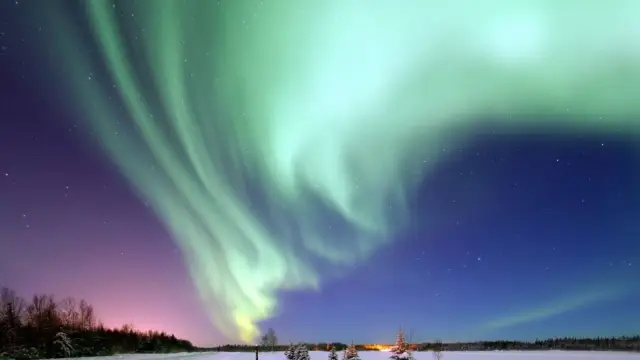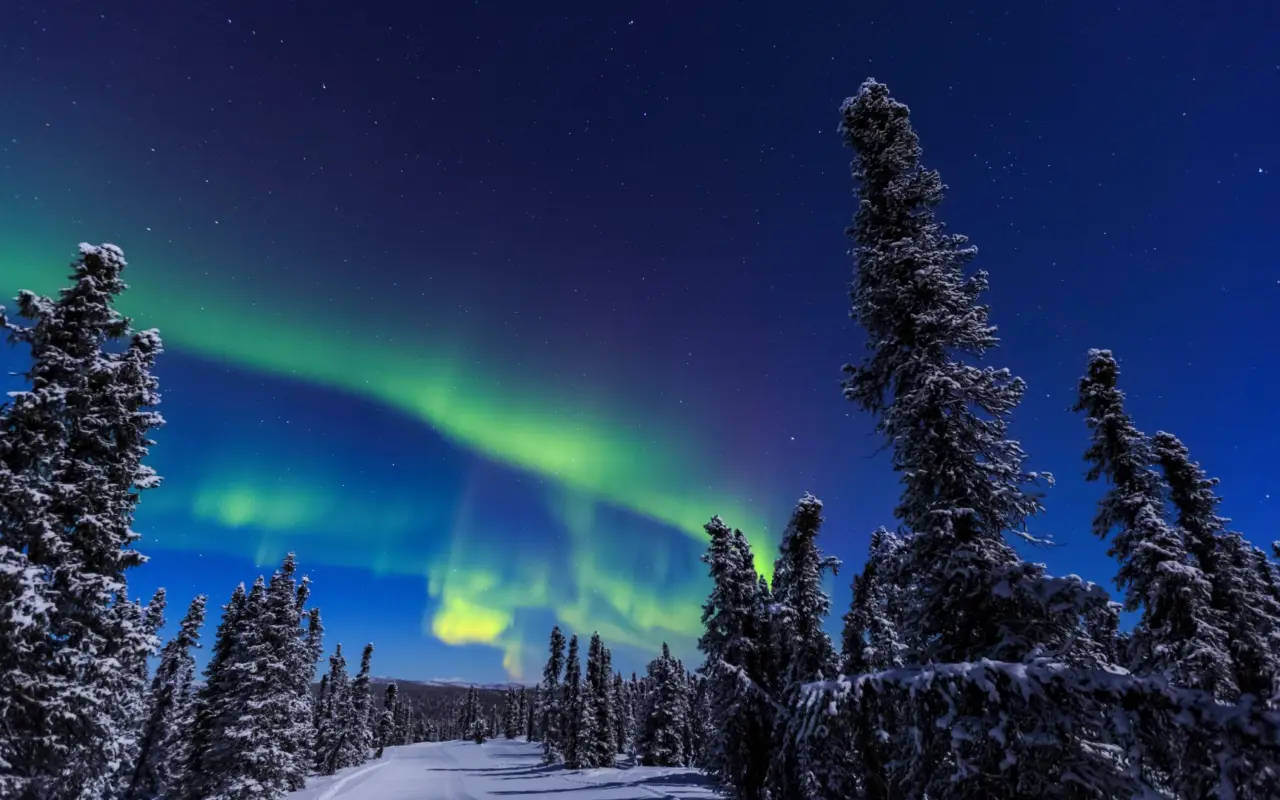
Fairbanks, Alaska’s second-largest city, is one of the best places in the world to view the Northern Lights, thanks to its location withinthe auroral oval. The viewing season runs from late August to late April, peaking from September through March. The city offers access to the Chena Hot Springs Resort, its geothermal baths, and the Arctic Circle. A stay of three nights or more greatly increases your chances of seeing the phenomenon.
Located in central Alaska, on the banks of the Chena River, Fairbanks was founded during the gold rush of the early 20th century. Today, the city serves as a base for viewing the Northern Lights, which are particularly active from late summer through spring. Its location within the auroral oval—the most active zone on the planet—makes it a sought-after destination for travelers and photographers.
Beyond the auroras, Fairbanks opens the door tothe Alaskan Interior: the Chena Hot Springs, dog sledding, and the Arctic Circle via the Dalton Highway. This page details where and when to view the auroras, what to do while there, and how to get to the city.
Why visit Fairbanks?
The main reason can be summed up in two words: the Northern Lights. Fairbanks lies directly beneaththe auroral oval, the ring where auroral activity is most intense. Travelers here don’t have to “chase” the lights far away—they often dance right overhead. The viewing rate here is among the highest in the world during the season.
The city combines this attraction with easy access to winter activities: geothermal baths at Chena Hot Springs, dog sledding, ice fishing, and snowmobiling. Fairbanks is also the gateway to the Arctic Circle and the Trans-Alaska Pipeline. A stay of several nights combines urban comfort with an immersion in the Far North.
What to Do in Fairbanks?
Here are the experiences that make a trip memorable, from viewing the northern lights to activities in the bitter cold.
1. Watch the Northern Lights
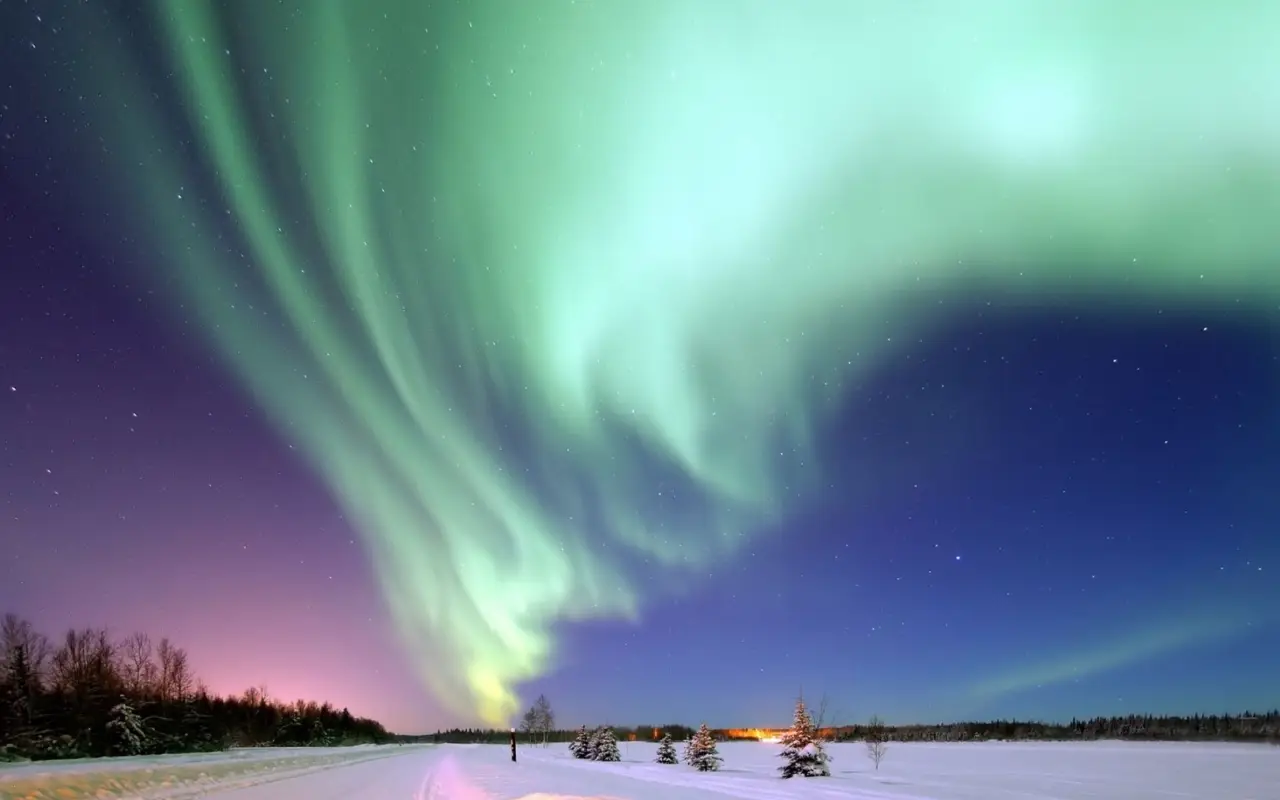
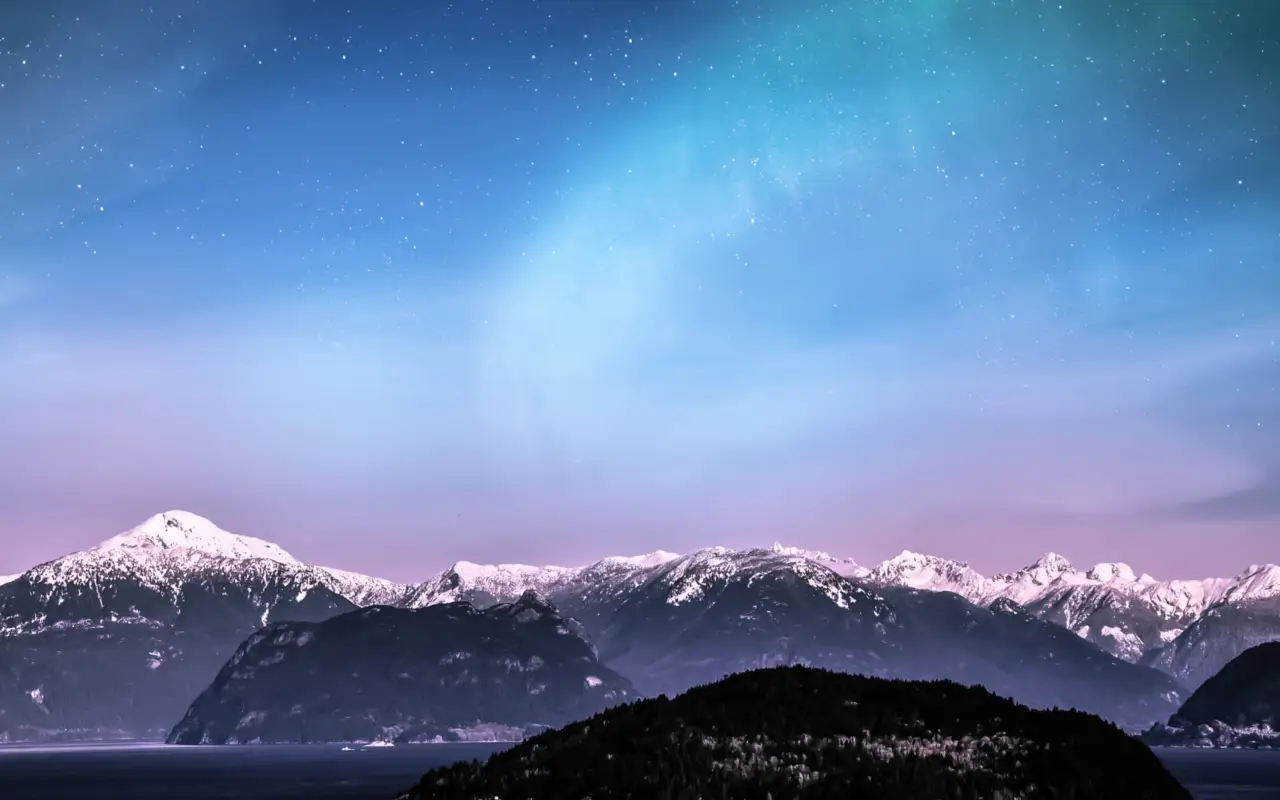
From late August through late April, clear nights reveal green, pink, and purple hues. To maximize your chances of seeing them, head away from city lights. Guided tours take you to the best viewing spots, often with hot drinks provided while you wait.
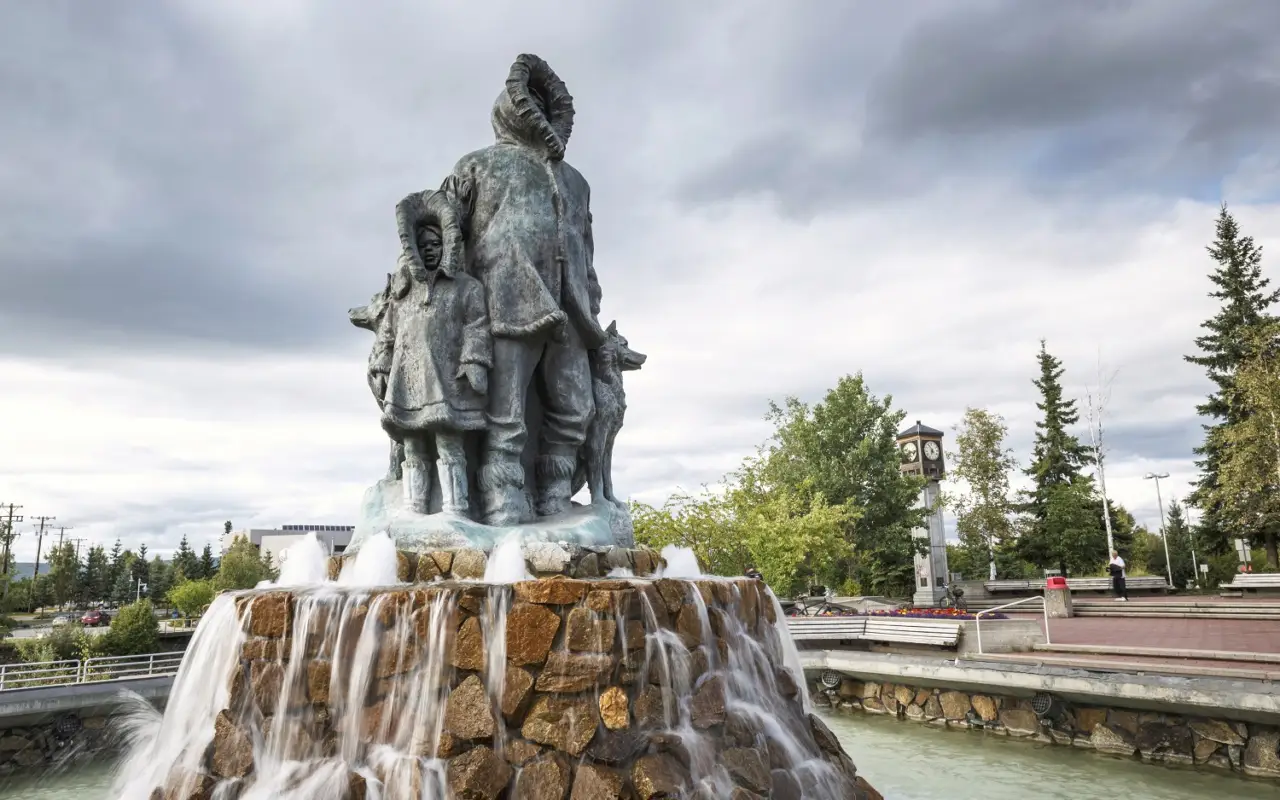
2. Bathing at the Chena Hot Springs Resort
About 60 miles to the northeast, the Chena Hot Springs Resort features natural mineral water pools, discovered in 1905 by gold prospectors. Far from light pollution and beneath the auroral oval, the site allows you to watch the northern lights while soaking in a hot bath.The Aurora Ice Museum rounds out the visit.
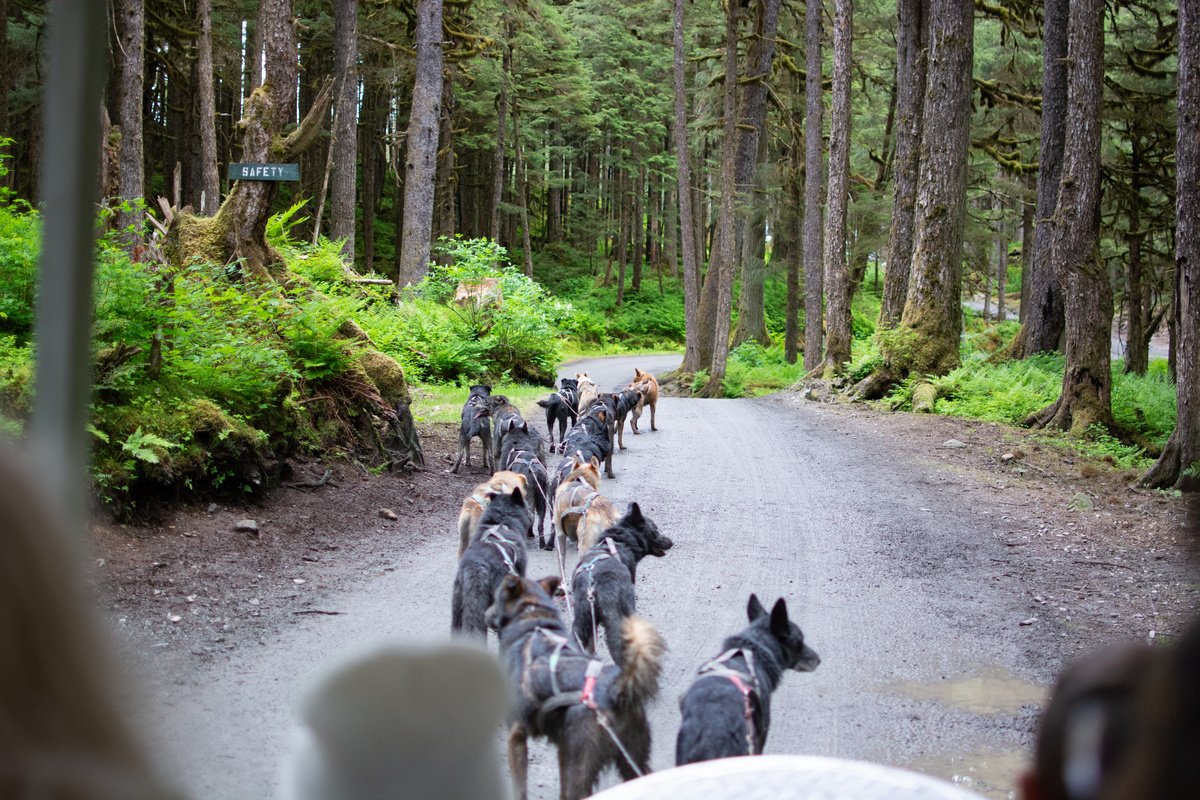
3. Driving a dog sled team
Dog sledding is Alaska’s official sport. Around Fairbanks, mushers offer introductory excursions, ranging from simple rides to the chance to drive your own team. The activity takes place in the snow-covered boreal forest and often includes explanations about husky breeding.
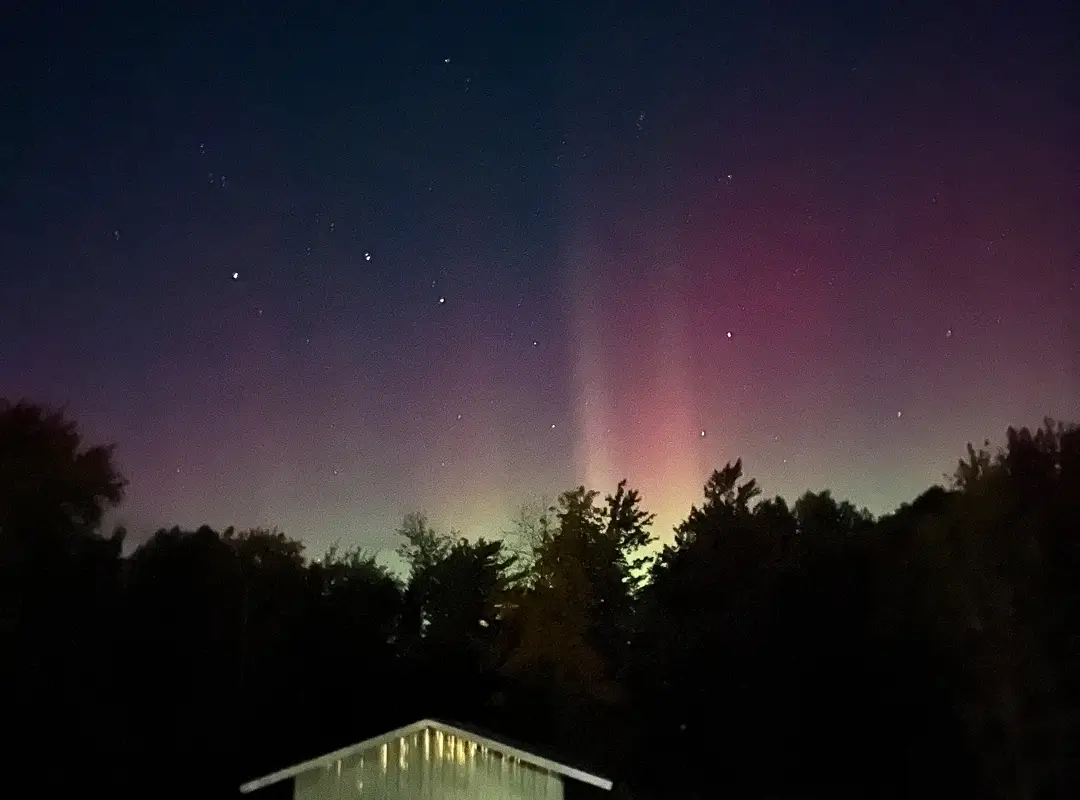
4. Travel to the Arctic Circle
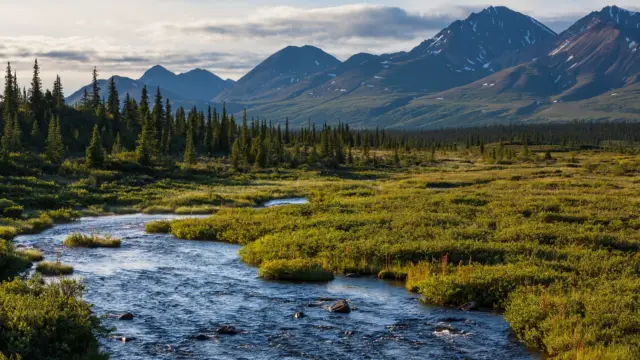
From Fairbanks, tours head north on the Dalton Highway, following the Trans-Alaska Pipeline for more than 400 miles round-trip to the Arctic Circle. The route crosses the tundra and, in winter, offers exceptional conditions for viewing the aurora, far from any artificial light.
When is the best time to visit Fairbanks?
For the Northern Lights, the best viewing window runs from late August to late April, with peak activity from September through March. The summer midnight sun makes the sky too bright to see the Northern Lights between May and July. September and early spring offer a good balance between bearable cold and nights that are already dark.
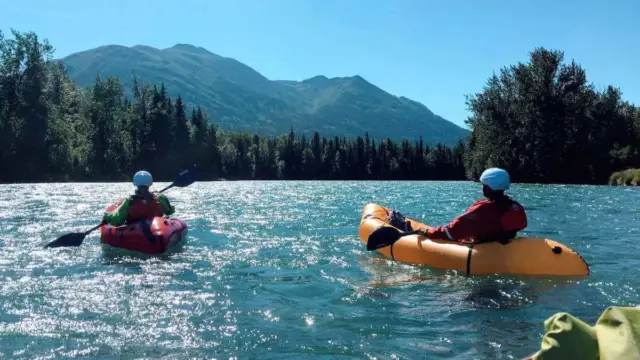
Summer is ideal for outdoor activities under the midnight sun, such as hiking and canoeing on the Chena River. If your trip is focused on the Northern Lights, plan to stay for several nights. Check out our guide on when to visit Alaska and our article on Alaska in winter.
| Season | Auroras | Conditions |
|---|---|---|
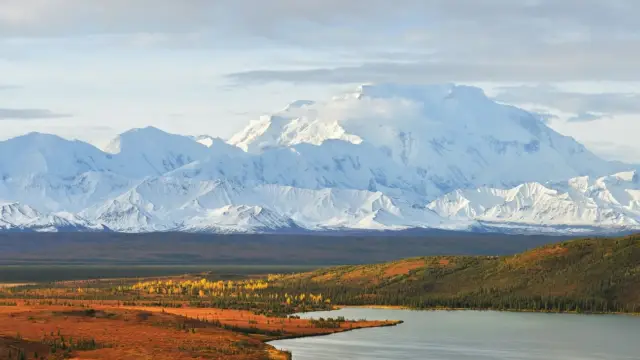
| Late August through September | Good, nights are getting longer | Moderately cold, colorful tundra |
| October through March | Peak season | Extreme cold, long, dark nights |
| April | End of season | Temperatures rising, days getting longer |
| May through mid-August | None (midnight sun) | Summer outdoor activities |
How do you get to Fairbanks?
Fairbanks has an international airport with flights from Anchorage and Seattle, among other cities. The city can also be reached by car from Anchorage in about 6 hours, or by the Alaska Railroad’s Denali Star, which runs between Anchorage and Fairbanks via Denali from mid-May through mid-September.
Once there, most aurora tours and transfers to Chena Hot Springs include hotel pickup. In winter, driving requires equipment suitable for extreme cold. The Morris Thompson Cultural and Visitors Center, located downtown, serves as an information hub.
Where to Stay in Fairbanks?
Fairbanks offers a wide range of hotels in the city center and on the outskirts, perfect for trips focused on the Northern Lights. Some hotels offer a Northern Lights wake-up service, which alerts guests when the phenomenon appears. For a more immersive experience, several lodges are located outside the city.
At the Chena Hot Springs Resort, you can stay on-site and watch the aurora from the hot springs—a popular winter experience. Our team can arrange a combination of a city hotel and a night at Chena. Discover our unique accommodations in Alaska.
Frequently Asked Questions About Fairbanks
When is the best time to see the Northern Lights in Fairbanks?
The viewing season runs from late August to late April, peaking from September through March, when the nights are dark enough. Fairbanks lies within the auroral oval, one of the most active regions in the world. A stay of three nights or more greatly increases your chances of seeing the Northern Lights.
Where can I see the Northern Lights near Fairbanks?
It’s best to get away from city lights. The Chena Hot Springs Resort, about 60 miles northeast, is one of the most popular spots, located within the auroral oval and far from light pollution. Guided tours take visitors to the best viewing spots.
What is the Chena Hot Springs Resort?
It is a geothermal spa located about 60 miles from Fairbanks, discovered in 1905 by gold prospectors. It features natural mineral water pools, the Aurora Ice Museum, and numerous winter activities, all in a setting ideal for viewing the aurora.
Is seeing the Northern Lights guaranteed in Fairbanks?
No. The Northern Lights are a natural phenomenon that cannot be guaranteed. Clear skies, a pitch-black night, and sufficient geomagnetic activity are required. Spending several nights watching significantly increases your chances of success.
What is there to do in Fairbanks in the winter?
Fairbanks offers Northern Lights viewing, dog sledding, snowmobiling, ice fishing, and the Chena Hot Springs. The city also serves as the starting point for the Dalton Highway and the Arctic Circle.
How do you get to Fairbanks?
Fairbanks is served by an international airport, with flights from Anchorage and Seattle. The city can also be reached by road from Anchorage (about 6 hours) or by the Alaska Railroad’s Denali Star train, from mid-May to mid-September.
Can you see the Northern Lights in Fairbanks in the summer?
No. In the summer, the midnight sun keeps the sky too bright to see the aurora. The season begins around late August, when the nights become dark enough again, and continues through April.
How many nights should you plan for to see the Northern Lights?
A stay of three nights or more is recommended. This allows you to account for cloud cover and variations in geomagnetic activity from one night to the next, and significantly increases your chances of seeing the aurora.
Last updated: August 18, 2026.
About Terra Alaska
Terra Alaska is a local travel agency specializing in custom trips to Alaska and a member of the Terra Panamerica network. Our team designs itineraries tailored to each traveler, from national parks to winter expeditions under the Northern Lights. Discover our expertise as a local inbound travel agency.
Contact us to plan your trip or explore our suggested itineraries.
Sources
National Park Service; Travel Alaska (Fairbanks); University of Alaska Fairbanks, Geophysical Institute (aurora forecasts); Chena Hot Springs Resort.