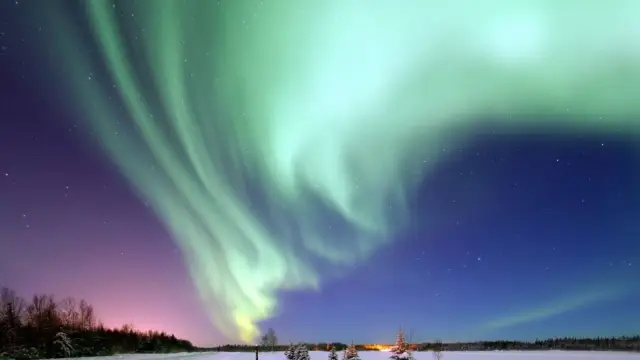
To see the Northern Lights in Alaska, the best place is Fairbanks, located within the auroral oval, from late August through mid-April, with peak activity from September through March. Watch between 10 p.m. and 2 a.m., under clear skies and away from artificial lights. Plan on staying at least three nights. The phenomenon is caused by the solar wind directed toward the poles. In 2026, solar activity will remain high. For photography: use a tripod, a wide aperture, a high ISO setting, and an exposure of a few seconds.
The Northern Lights are one of the main reasons to travel to Alaska. This comprehensive guide brings together everything you need to know to see them: where to go, when to go, how the phenomenon works, how to maximize your chances of seeing them, and how to photograph them. It draws on authoritative scientific sources, cited at the end of the article.
Alaska offers a rare advantage: several of its regions lie within the auroral oval, the zone of highest activity. Add to that often clear skies and easier access for many travelers compared to Scandinavia. To plan your trip, also check out our guide on when to visit Alaska and our article on Alaska in winter.
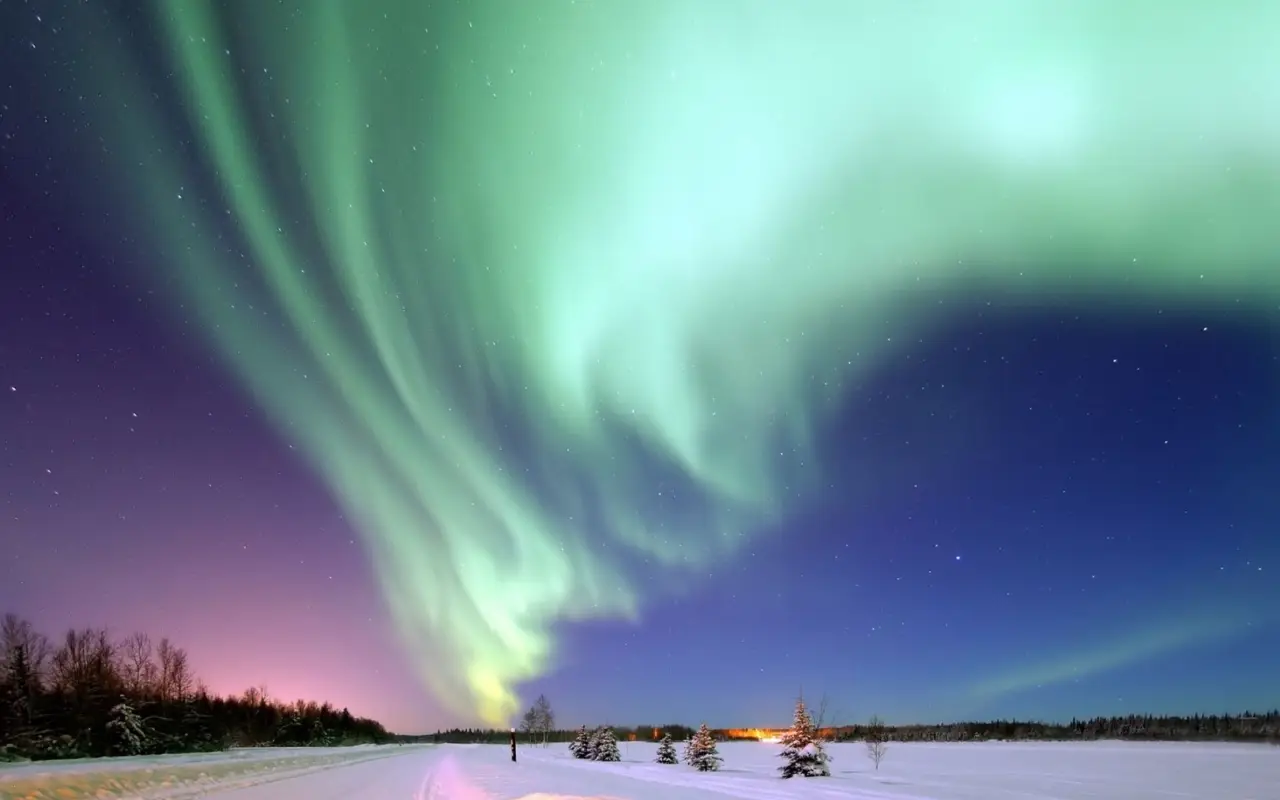
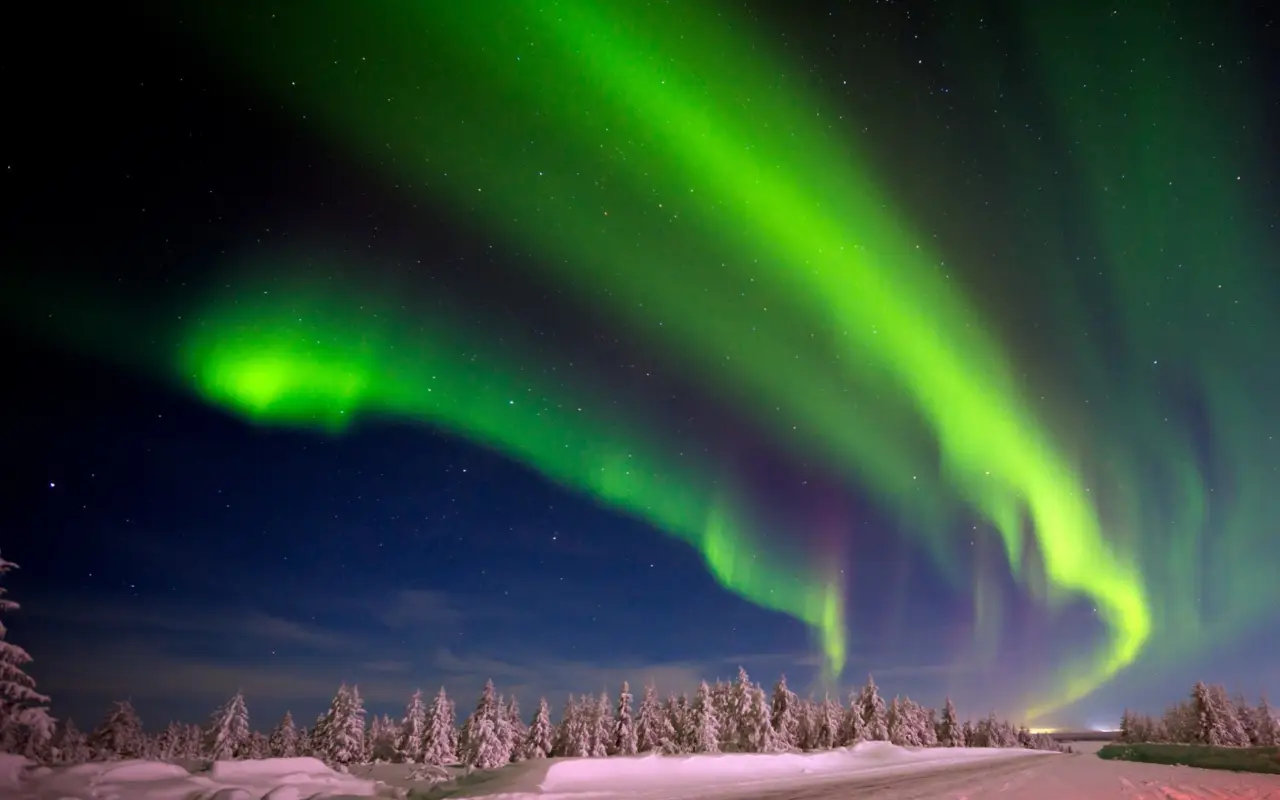
How are the Northern Lights formed?
It all starts with the Sun. Our star constantly emits a stream of charged particles—the solar wind. During solar storms, this stream intensifies and takes one to three days to reach Earth. Most of these particles are deflected by Earth’s magnetic field.
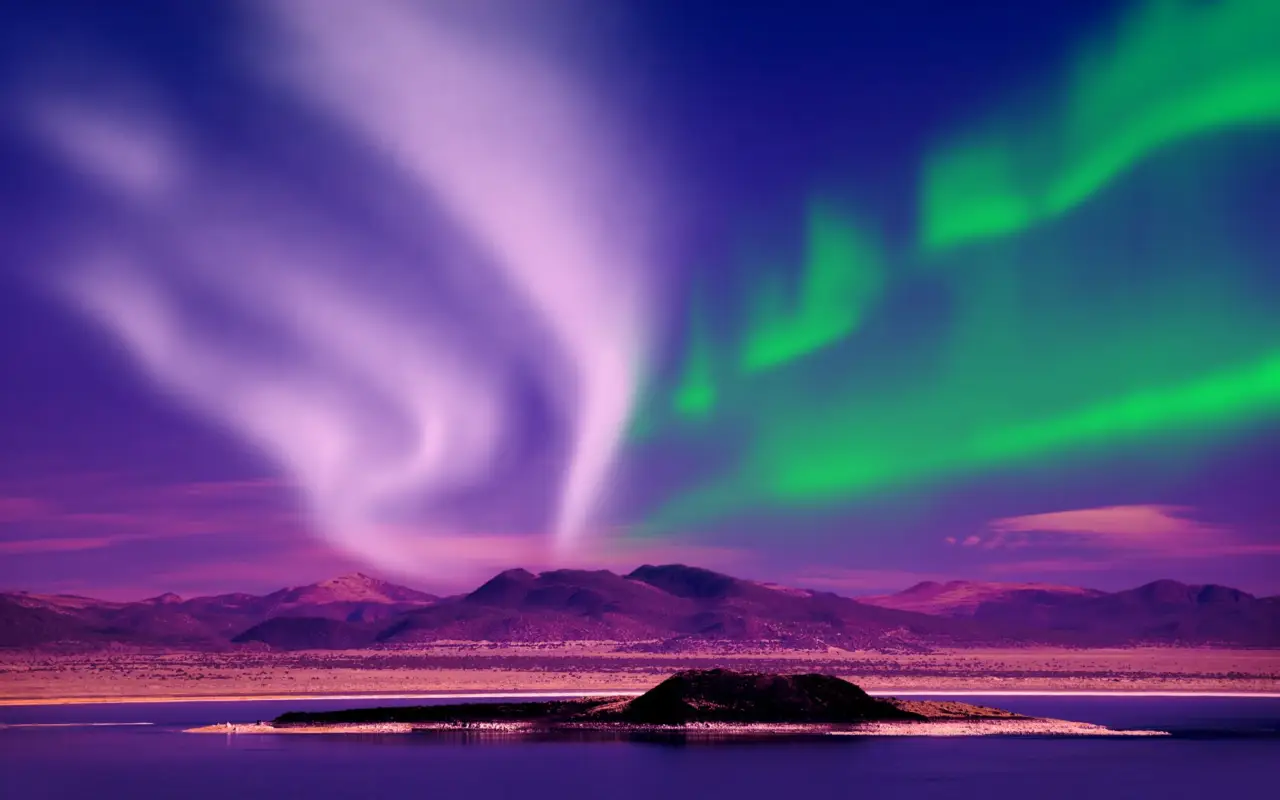
Near the poles, however, the magnetic field lines guide some of these particles toward the upper atmosphere. There, they collide withoxygen andnitrogen atoms. These collisions release energy in the form of light: oxygen produces green and red hues, while nitrogen produces shades of purple, blue, and pink. The shapes of the curtains, arcs, and spirals depend on the magnetic field.
Why Alaska Is a Prime Location
Alaska’s greatest asset is its location beneaththe auroral oval, a ring of intense activity centered on the magnetic pole. Fairbanks, at a magnetic latitude of about 65 degrees, lies right in the middle of it. The auroras are visible there on most clear nights during the season, even when solar activity is moderate.
In addition to this location, the climate is continental and drier than along the coast, offering more clear nights than many locations in Scandinavia. Finally, access is easy: Fairbanks has an airport with connections to major U.S. cities. Our article on flights from France to Alaska details the connecting flights.
Where can you see the Northern Lights in Alaska?
There are several regions where you can see them, ranging from the most accessible to the wildest.
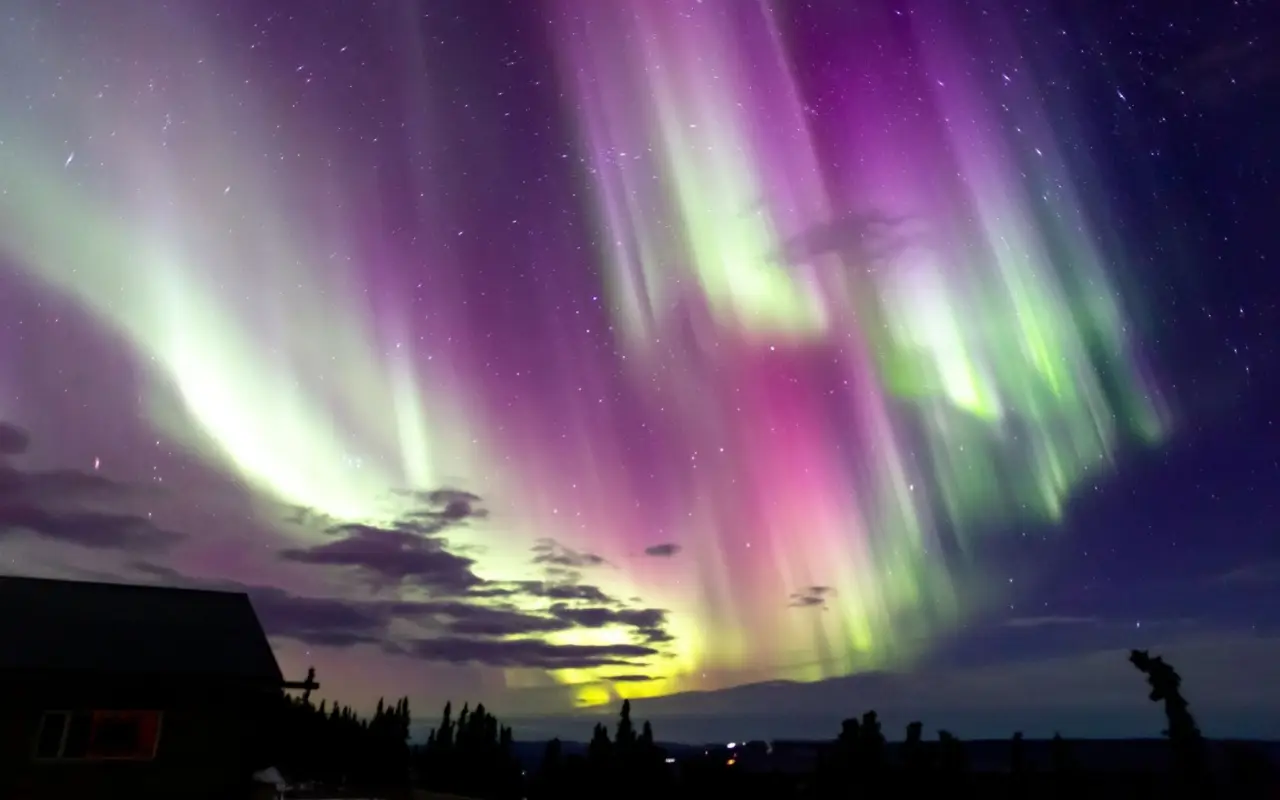
Fairbanks and the Surrounding Area
Fairbanks is the best starting point. The city is home to a concentration of viewing sites and specialized accommodations. Well-known spots include Chena Hot Springs, where you can watch the aurora from the hot springs, as well as Murphy Dome and Cleary Summit, which are high up and far from city lights. It’s an easy place to start for your first aurora-viewing trip.
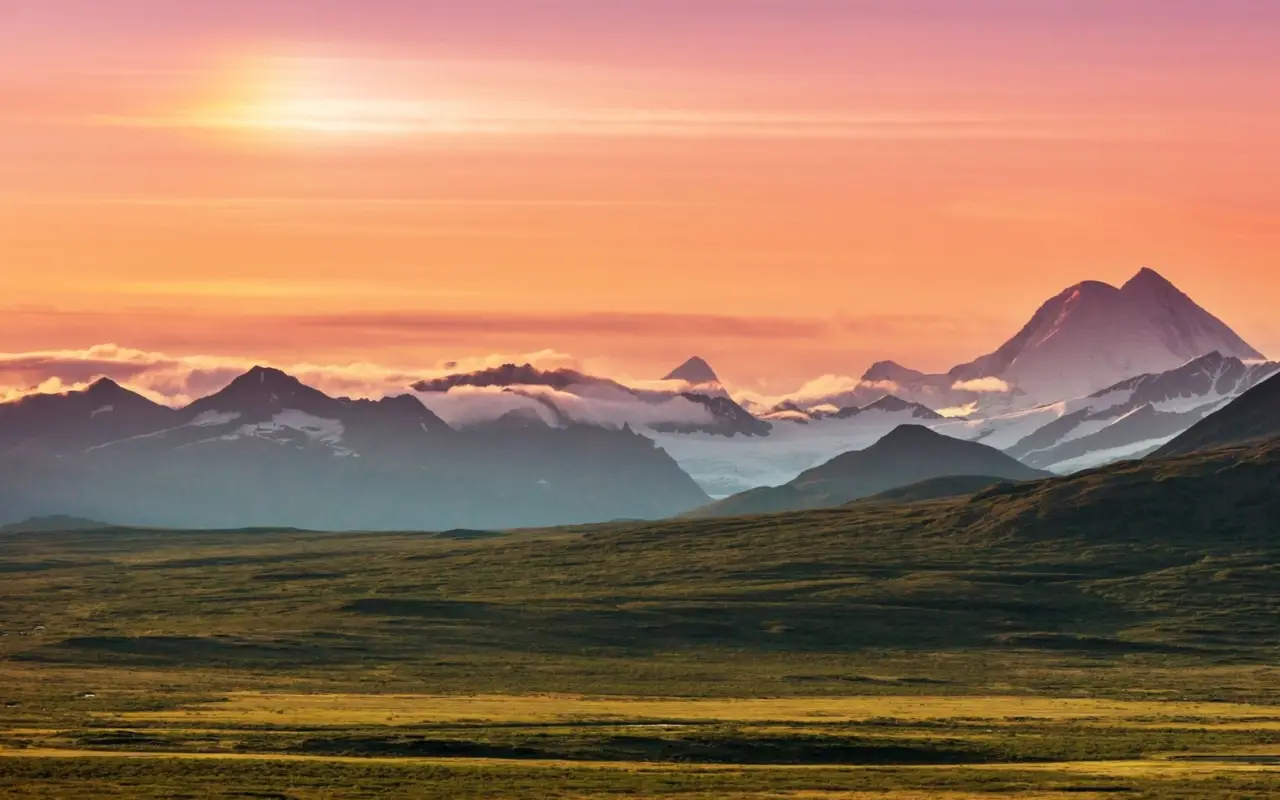
The Denali Region
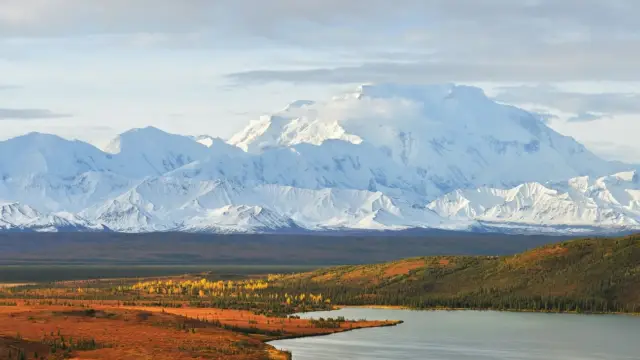
Surrounding Denali National Park, the areas around Healy and Cantwell offer dark skies and mountain scenery. The Parks Highway, which runs between Fairbanks and Anchorage, passes through this area. It’s a popular choice for capturing the Northern Lights against a backdrop of spectacular landscapes in your photos.
The North and the Arctic
Further north, the Dalton Highway leads beyond the Arctic Circle, toward Coldfoot and Wiseman. These areas, virtually free of light pollution, are among the best spots for aurora hunters. Getting there takes longer and requires specialized logistics, often involving a small plane or a guided expedition.
The Anchorage Area
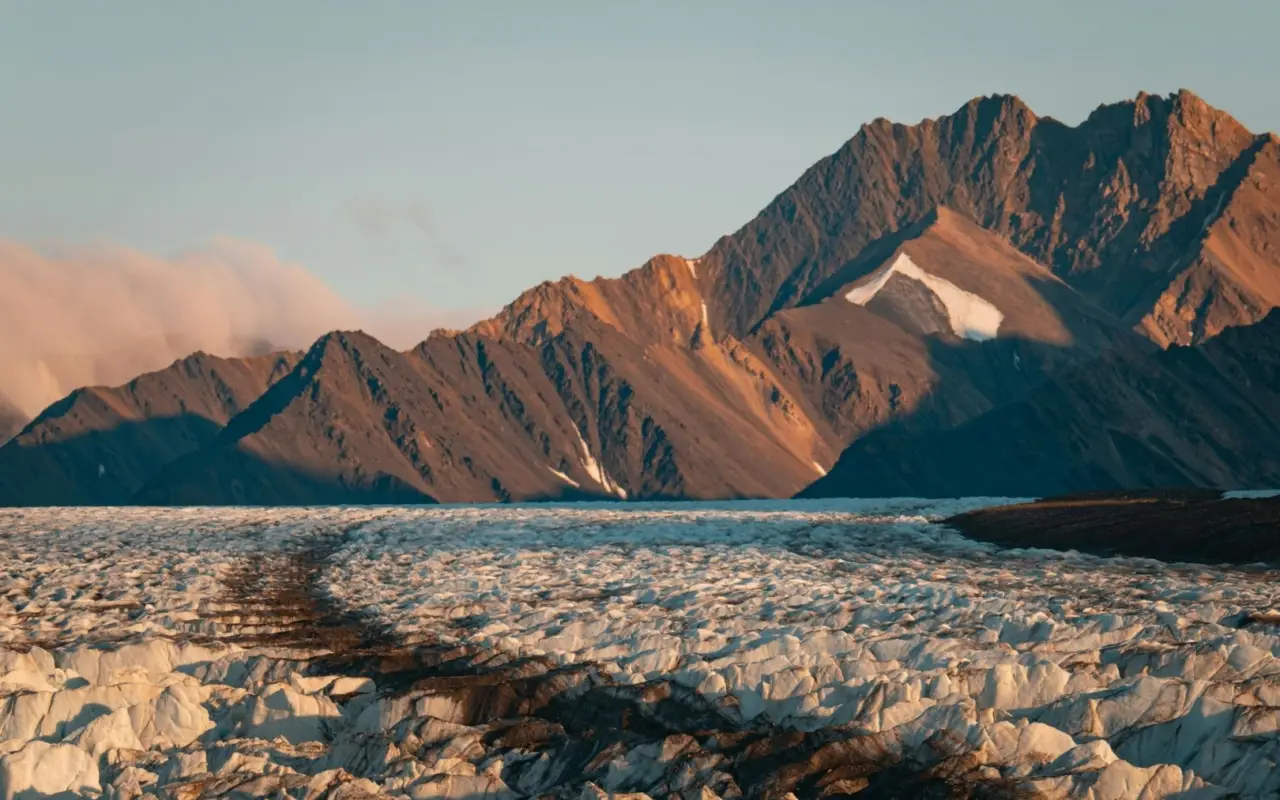
From Anchorage, you’ll need to head away from the city lights, which takes less than 45 minutes. Chugach State Park, the Matanuska Valley, and the Eagle River Nature Center all offer dark skies. Temperatures there are milder than in Fairbanks, making it a good option for those who dread the bitter cold.
When is the best time to see the Northern Lights in Alaska?
The season runs from late August to mid-April, when the nights become dark enough again. In summer, the midnight sun prevents any sightings, even though the phenomenon still occurs. The best months are from September through March.
There are two distinct periods. Around the equinoxes—in late September and March—geomagnetic activity increases, a scientific phenomenon linked to the Earth’s orientation. September offers mild temperatures and nights that are already quite long. December and January offer the deepest darkness—up to 18 hours per night—but with bitterly cold temperatures. Cross-reference these guidelines with our guide on when to go.
| Period | Terms and Conditions | Note |
|---|---|---|
| Late August through September | Mild nights, darkness returning | Comfortable temperatures, fall equinox |
| October through February | Long nights, bitter cold | Maximum darkness, high activity |
| March | Long nights, rising temperatures | Spring equinox, often very active |
| Late April through mid-August | Too much light | Observation impossible, midnight sun |
What time, and how many nights?
The most active period is around magnetic midnight, generally between 10 p.m. and 2 a.m. Alaska Time. The auroras may appear earlier or later, so it’s best to be available for several hours each night.
The length of your stay is crucial. Three nights of observation bring the probability of seeing the aurora in Fairbanks on a clear night to about 80 to 90 percent. For a spectacular show, plan on five to seven nights. The weather remains the main variable: a one-night stay is a gamble. As for the solar cycle, the peak was reached in late 2024; in 2026, activity remains well above average, making this another favorable period.
How can you maximize your chances?
Four factors determine a successful observation:solar activity,darkness, cloud cover, and the phase of the moon. Choose a dark location, away from light pollution, with a clear northern horizon. Plan your nights around the new moon to avoid its brightness overshadowing faint auroras.
Check the forecasts before heading out. The Kp index measures geomagnetic activity. Two authoritative sources are the aurora forecast fromthe Geophysical Institute at the University of Alaska Fairbanks and the Space Weather Prediction Center at NOAA. They help you choose the best nights.
How do you photograph the Northern Lights?
Photographing the Northern Lights requires minimal equipment and manual settings. The camera must be mounted on a stable tripod, as exposure times are long. A fast, wide-angle lens captures both the sky and the landscape. A remote shutter release or the self-timer prevents camera shake.
Set the camera to manual mode: a wide aperture around f/2.8, an ISO sensitivity of 800 to 3200 depending on the intensity, and a shutter speed of 5 to 15 seconds. Focus manually to infinity. Bring spare batteries—cold weather drains them quickly—and keep them warm. The table below provides a starting point.
| Setting | Recommendation | Why |
|---|---|---|
| Mode | Manual | Full control over exposure |
| Aperture | f/2.8 or wider | Capture as much light as possible |
| ISO Sensitivity | 800 to 3200 | Depending on the intensity of the aurora |
| Shutter speed | 5 to 15 seconds | Freeze or blur the motion |
| Focus | Manual, set to infinity | Sharpness of stars and the aurora |
| Mount | Tripod and remote shutter release | Avoid camera shake |
Dressing Properly for Stargazing
Observation takes place at night, often in very cold temperatures, especially in the middle of winter when Fairbanks can drop below -30 degrees. Proper gear is essential: multiple layers, a down jacket, a hat, warm gloves, thermal socks, and insulated boots. Hand warmers and a hot drink help you stay warm for longer.
Be prepared to wait outside for several hours, with no guarantee of seeing anything. This is where a well-planned trip makes all the difference: north-facing accommodations, multiple excursions, and local guides. Our article on accommodations in Alaska and our travel planning guide will help you prepare.
Watch the Northern Lights with a Local Tour Agency
The Northern Lights are known to be unpredictable. A local travel agency increases your chances by designing a trip centered around aurora viewing. They select the best viewing spots based on weather and aurora activity, schedule multiple outings, book well-located accommodations, and handle logistics in extreme cold.
Terra Alaska designs tailored winter trips that combine the Northern Lights with seasonal activities like dog sledding. Discover our expertise as a local incoming tour operator, explore our suggested itineraries, or estimate your budget with our price guide for a trip to Alaska.
Frequently Asked Questions: Northern Lights in Alaska
Where can you see the Northern Lights in Alaska?
Fairbanks, located within the auroral oval, is the best spot in Alaska. The city offers easy access, clear skies, and numerous viewing spots, such as Chena Hot Springs and Murphy Dome. The Denali region, the northern part of the state along the Dalton Highway, and the area around Anchorage round out the options.
When is the best time to see the Northern Lights in Alaska?
The aurora season runs from late August through mid-April, when the nights are dark enough. The best months are from September through March, with peak activity around the equinoxes in late September and March. In the summer, the midnight sun makes viewing impossible.
What is the best time to view the auroras?
The most active period is around magnetic midnight, generally between 10 p.m. and 2 a.m. Alaska Time. However, the auroras can appear as soon as night falls. It’s best to plan for several hours of viewing under a clear sky and away from artificial lights.
How many nights should you plan for to see the auroras?
Three nights offer about an 80 to 90 percent chance of seeing the aurora in Fairbanks under clear skies. For the best chance of an intense display, five to seven nights are recommended. Since weather is the main variable, a one-night stay remains a risky bet.
How do the Northern Lights form?
The auroras are caused by the solar wind, a stream of charged particles emitted by the sun. As these particles approach Earth, they are guided by the magnetic field toward the poles, where they collide with oxygen and nitrogen in the upper atmosphere. These collisions release light—green, red, or purple.
Will we be able to see the Northern Lights in 2026?
Yes, under the right conditions. Solar Cycle 25 reached its peak in late 2024 and will remain in its declining phase in 2026, with activity still well above average. The years following a solar maximum often produce frequent and intense auroras, making 2026 a favorable time.
How do you photograph the Northern Lights?
Use a camera set to manual mode on a tripod, with a wide aperture around f/2.8, an ISO sensitivity of 800 to 3200, and a shutter speed of 5 to 15 seconds. Manually focus to infinity using a wide-angle lens and a self-timer. Bring extra batteries, as the cold causes them to drain quickly.
Do you need a guide to see the auroras in Alaska?
A guide isn’t essential, but it does improve your chances. They know the best viewing spots based on the weather and aurora activity, and they handle nighttime travel and logistics in extreme cold. A local agency can plan a trip focused on aurora viewing, with several outings to maximize your chances of seeing them.
Last updated: August 19, 2026.
About Terra Alaska
Terra Alaska is a local travel agency specializing in custom trips to Alaska and a member of the Terra Panamerica network. We design winter trips focused on viewing the Northern Lights, drawing on our in-depth local knowledge. Discover our expertise as a local inbound travel agency.
Contact us to plan your trip or explore our suggested itineraries.
Sources
University of Alaska Fairbanks, Geophysical Institute (aurora forecast); NOAA Space Weather Prediction Center; NASA (Solar Cycle 25); Travel Alaska. Data collected in 2026.