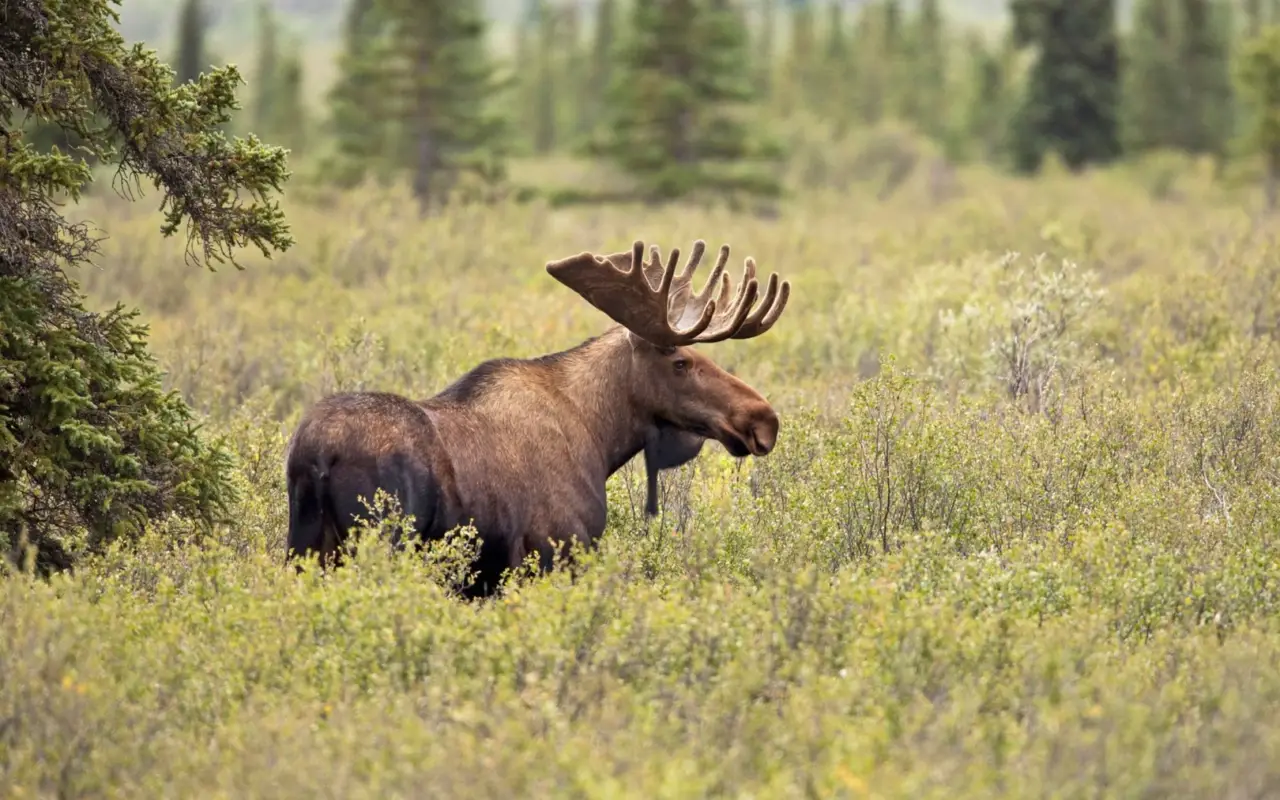
Alaska’s wildlife includes five iconic large mammals:the bear, the caribou,the moose, the wolf, and the Dall sheep. The ocean is home to humpback whales, orcas, otters, and seals. The skies are home to nearly 400 species of birds, including the bald eagle and the puffin. The best time for birdwatching is from June through September. This guide links each species to the best sites and activities for observing it.
Alaska is one of the last places where nature still reigns supreme. Watching a bear catch salmon in a river, hearing a whale’s breath in a fjord, or coming across a moose while hiking a trail is an integral part of the journey. Wildlife here is never just a backdrop, but a living, unpredictable reality.
This guide serves as a starting point for planning your wildlife viewing. It covers the three main categories—terrestrial wildlife, marine life, and birds—links each species to the best regions for spotting it, and suggests activities in Alaska for observing them. To finalize your dates, also check out when to visit Alaska.
Alaska’s Large Land Mammals
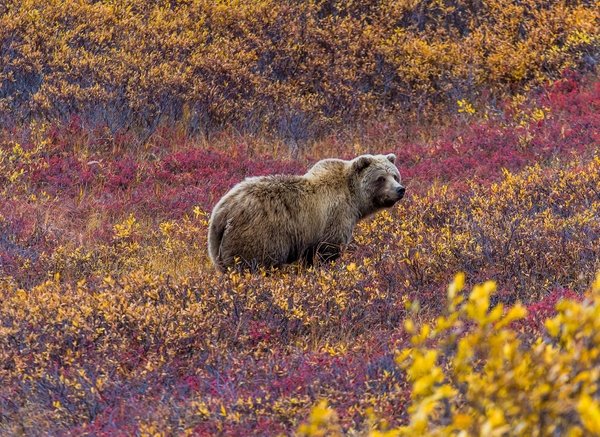
Alaska is home to remarkable terrestrial wildlife. Five species are emblematic of this wildlife, along with more elusive predators such as the lynx and the wolverine.
1.Bears, from Grizzlies to Kodiak Bears
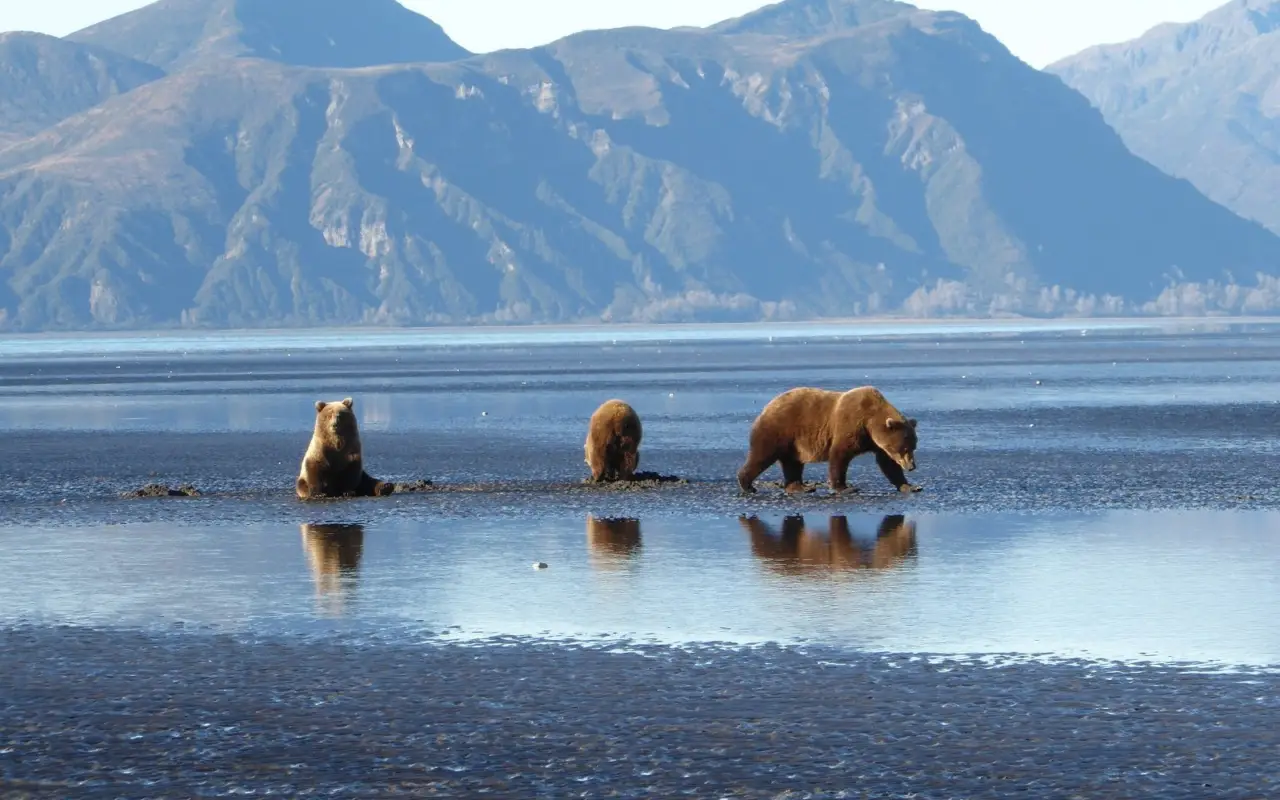
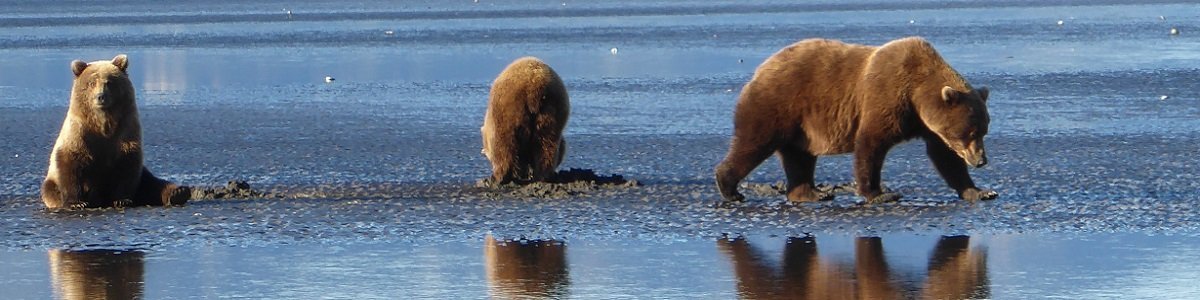
Bears are the stars of Alaska’s wildlife. There are several types: the brown bear, the interior grizzly, the black bear of the forests, and the Kodiak bear—the largest subspecies in the world. The best places to seethem are Katmai National Park and its Brooks Falls, Lake Clark National Park, and Kodiak.
Find out everything you need to know in our guide dedicated tobear watching.
2. Caribou, moose, wolves, and Dall’s sheep
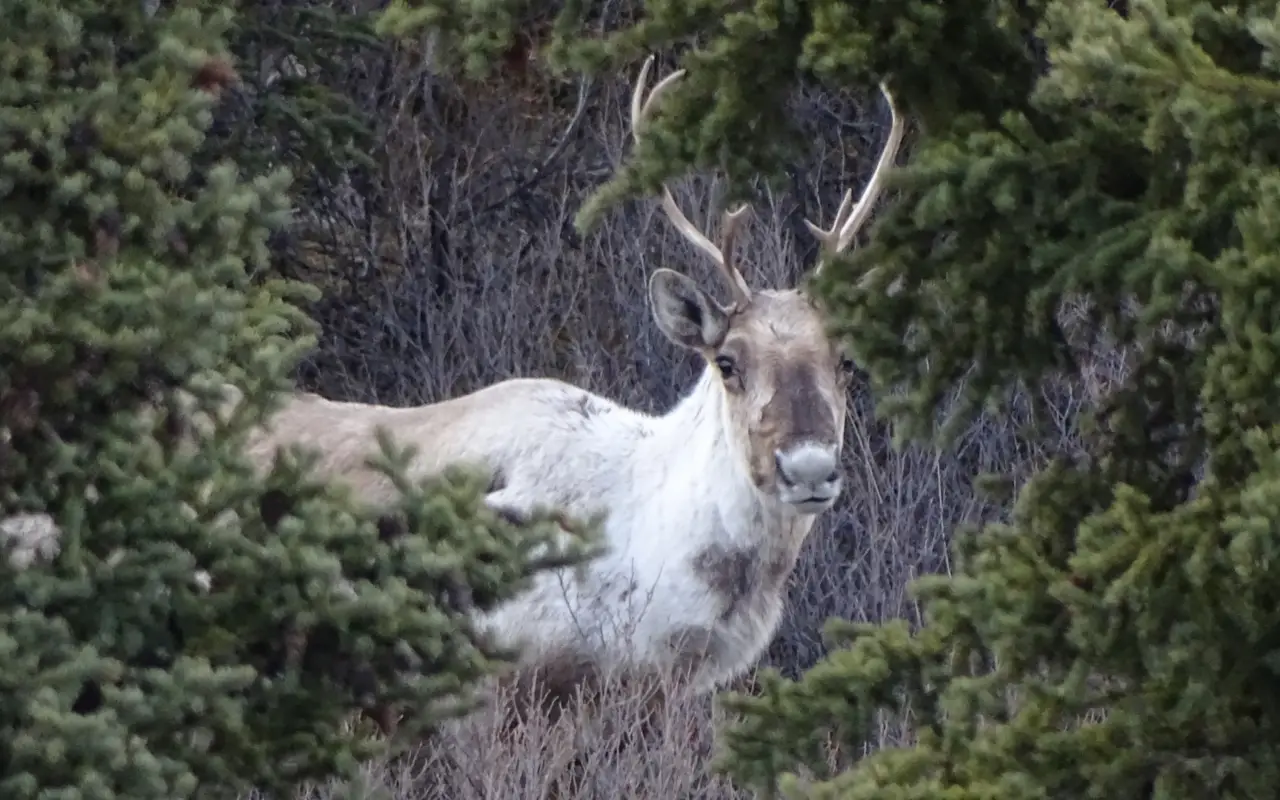
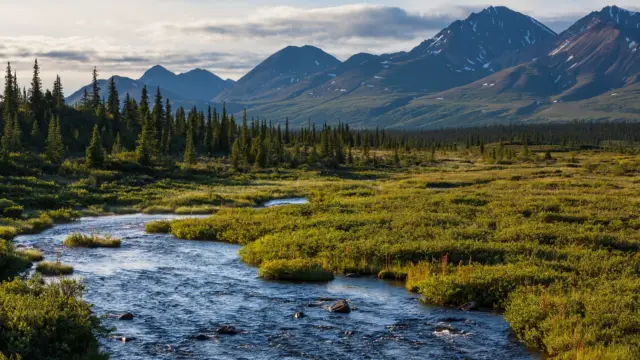
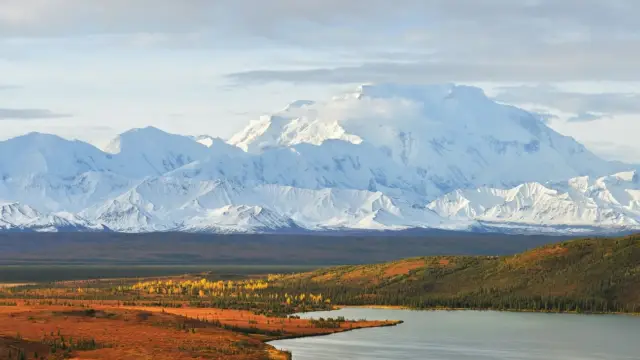
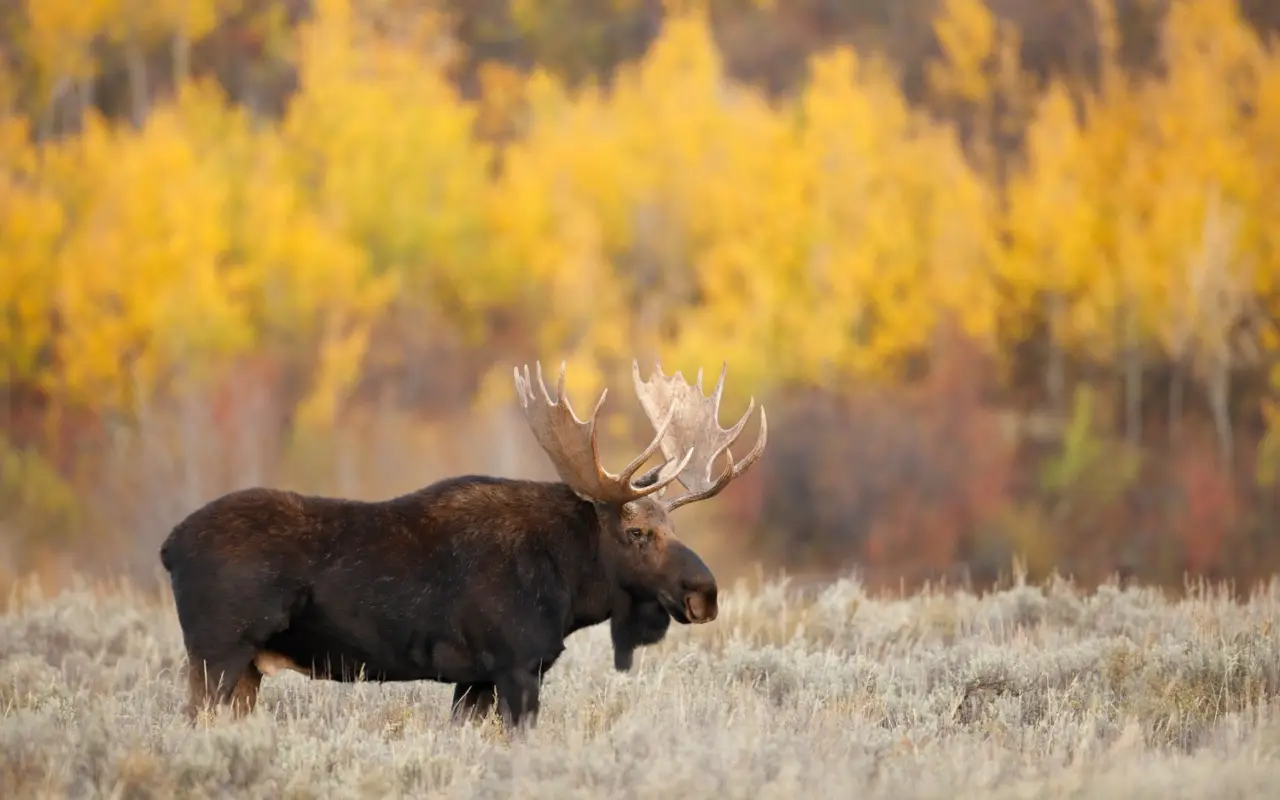
Denali National Park is home to all five of Alaska’s major mammals. Here, you can spot caribou in herds,moose—the world’s largest deer— wolves, and Dall’s sheep, recognizable by their white coats, on the ridges. Wrangell-St. Elias and Gates of the Arctic National Parks also offer wonderful opportunities to see these animals.
Marine and Coastal Wildlife
Along the coast and deep within the fjords, wildlife takes on a whole new character. Wildlife viewing at sea is often one of the highlights of a trip to Alaska.
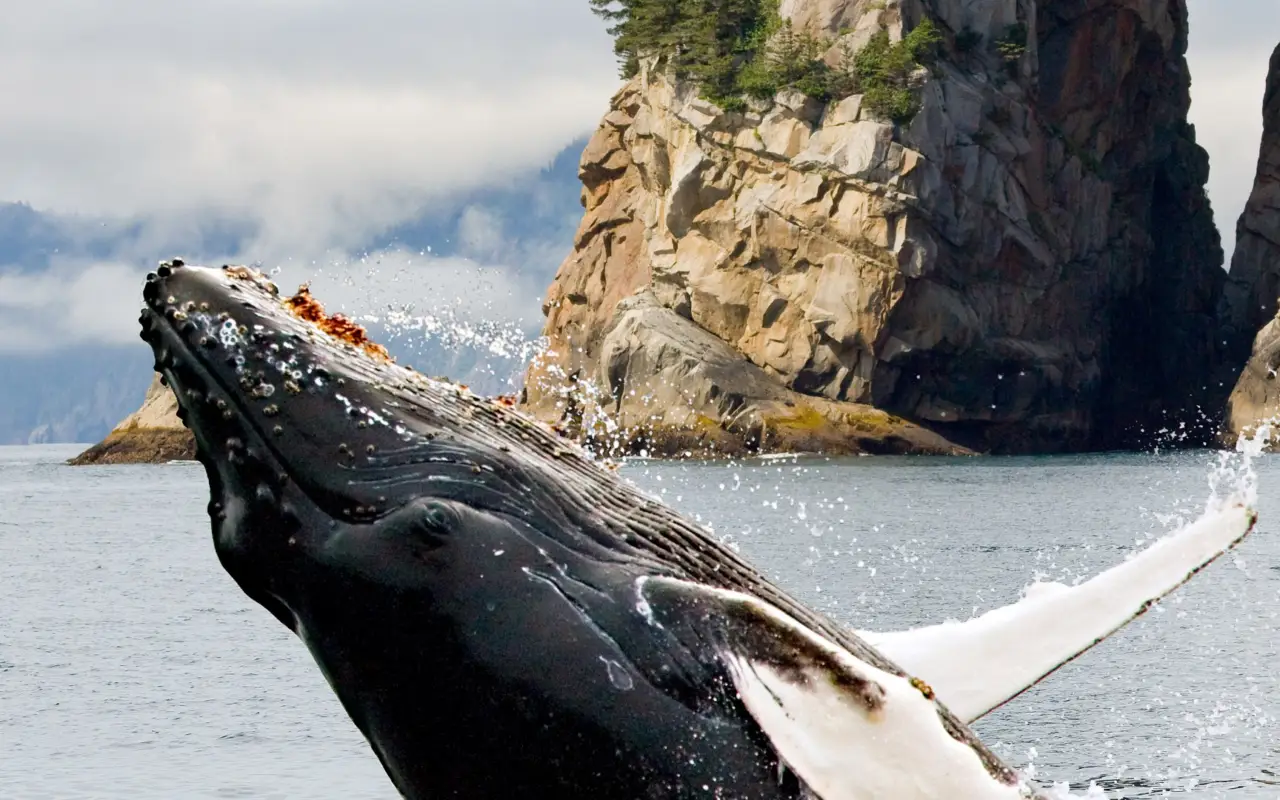
3. Humpback Whales and Orcas
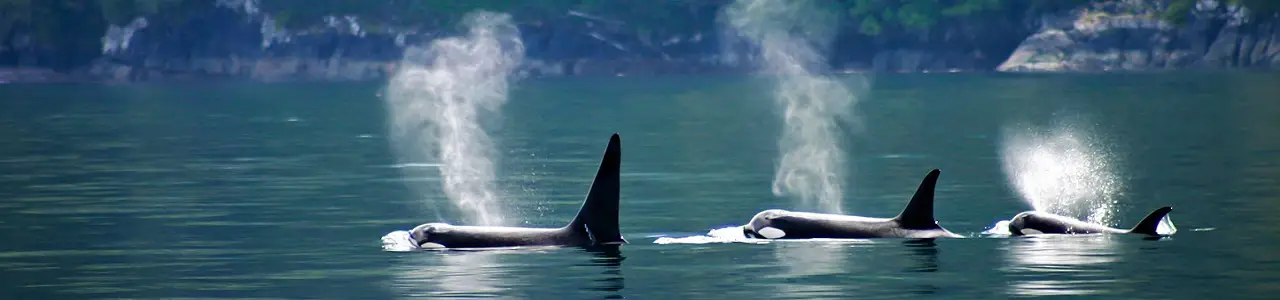
Humpback whales migrate every summer from Hawaii or Mexico to feed in the cold waters of Alaska, while orcas patrol the fjords. Kenai Fjords National Park, accessible from Seward, and Juneau are the best spots.
All the details are in our guide towhale watching.
4. Otters, Seals, and Sea Lions
Closer to the coast, you can see sea otters floating on their backs, seals and sea lions resting on the rocks, as well as Steller sea lions. Beluga whales are found in Cook Inlet, nearAnchorage. Terra Alaska takes you out to sea aboard small boats carrying 6 to 12 passengers, bringing you as close as possible to the glaciers.
Birds: Alaska, a Global Aviation Hub
Every year, millions of migratory birds pass through or nest in Alaska. With nearly 400 species recorded depending on the season, the region is one of the world’s largest migratory hubs.
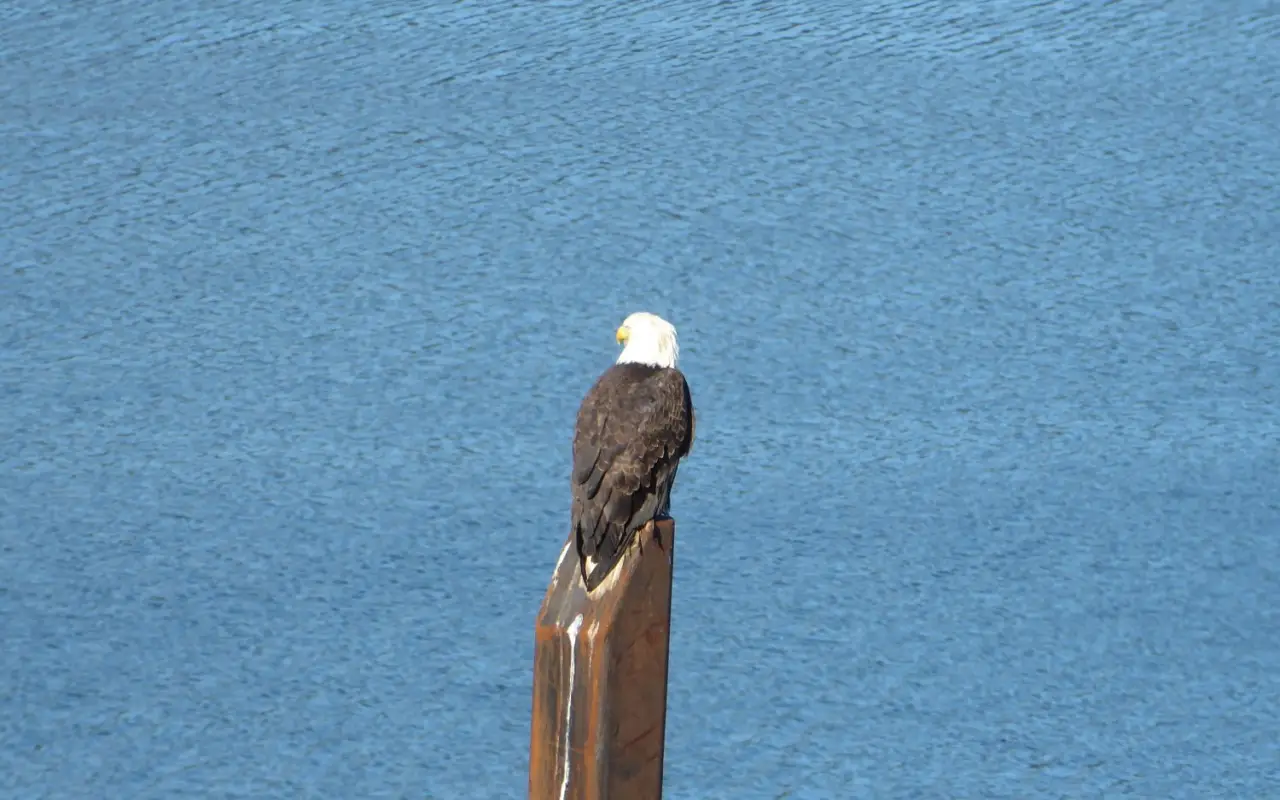
5. TheBald Eagle
The bald eagle, the symbol of the United States, is common along the coasts and waterways of Alaska. Geese, ducks, and cranes also frequent the area. Rarer species, such as the Steller’s eider and the white-billed loon, find refuge in the vast, remote wetlands, which serve as the state’s natural sanctuaries.
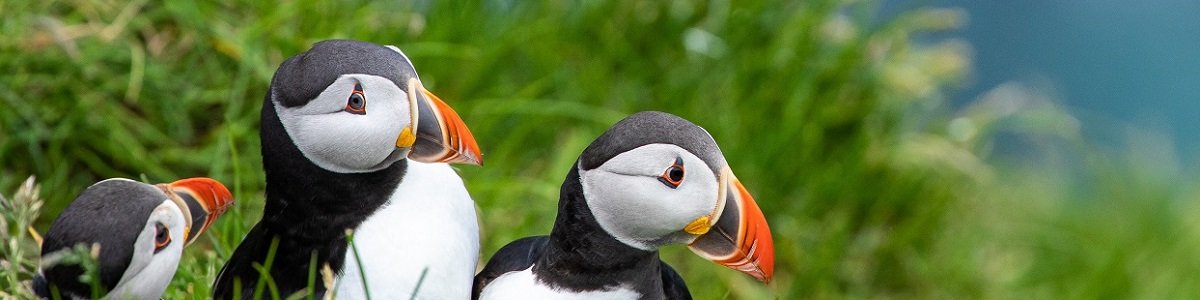
6. Puffins and Birdwatching
The tufted puffin and the horned puffin nest in colonies on the cliffs and can be observed at sea in Kenai Fjords National Park, Kachemak Bay in Homer, and the
Where to See Wildlife, Region by Region
Each region of Alaska has its own signature species. This table summarizes the best sites to help you plan your itinerary.
| Region | Flagship Species | How to Observe |
|---|---|---|
| Katmai, Lake Clark, Kodiak | Brown Bears | Fly-in, viewing platforms, day trips |
| Denali | Grizzly bears, moose, caribou, wolves, bighorn sheep | Park shuttle, hiking |
| Kenai Fjords, Juneau | Whales, orcas, puffins, otters | Cruise, small-boat tour |
| Cordova (Copper River) | Migratory birds, shorebirds | Spring birdwatching |
| Fairbanks (Creamer’s Field) | Waterfowl, cranes, geese | Trails in the refuge |
When is the best time to observe wildlife in Alaska?
Summer, from June to September, offers the best conditions: bears active along the salmon rivers, whales returning, nesting birds, and long days. This is the peak season for wildlife viewing.
Spring is ideal for bird migration and the passage of gray whales.Fall offers the colors of the tundra and wildlife preparing for winter. Wildlife viewing always depends on the location, the season, and a bit of luck.
| Season | Active wildlife | Highlights |
|---|---|---|
| April through May | Bird migration and gray whales | Copper River Delta, coastlines |
| June through August | Bears, humpback whales, breeding birds | Observation deck, puffins |
| September | Bears before winter, colorful tundra | Fewer crowds, beautiful light |
How to Go Wildlife Viewing with Terra Alaska
Wildlife viewing encompasses a variety of activities, which we incorporate into custom itineraries.Bear watching andwhale watching are the two main highlights, often complemented by a seaplane flight to reach the most remote parks.
We prioritize small vessels carrying 6 to 12 passengers and local naturalist guides, including an ornithologist for bird enthusiasts. This wildlife-friendly approach guarantees high-quality sightings. Contact our team to plan your trip.
Observing Wildlife Responsibly
Observing wildlife is a privilege that requires keeping your distance, remaining discreet, and following the safety guidelines issued by the National Park Service. Never feed an animal or try to approach it.
Traveling in Alaska means agreeing to slow down, observe without interfering, and act responsibly in order to preserve the fragile balance of one of the planet’s last great wilderness areas. Our guides ensure that these principles are followed in the field.
Frequently Asked Questions About Wildlife in Alaska
What animals can you see in Alaska?
Alaska is home to five iconic large mammals: bears, including the Kodiak bear; caribou; moose; wolves; and Dall’s sheep. At sea, you can spot humpback whales, orcas, otters, seals, and sea lions. The skies are home to nearly 400 species of birds, including the bald eagle and the puffin.
Where can you see bears in Alaska?
The best spots are Katmai National Park and its Brooks Falls, Lake Clark National Park, and Kodiak Island—all renowned for their brown bears. Denali National Park is also home to grizzly bears, though they are more scattered. The best time to visit is from June through September, during the salmon run.
Where can you go whale-watching in Alaska?
Kenai Fjords National Park, accessible from Seward, and Juneau in the southeast offer the best viewing opportunities. Humpback whales and orcas can be seen there from May through September. The Inside Passage, Prince William Sound, and Glacier Bay are other major whale-watching destinations.
When is the best time to observe wildlife in Alaska?
Summer, from June to September, offers the best conditions: active bears, returning whales, nesting birds, and long days. Spring is ideal for bird migration and gray whales. Sightings always depend on the location, the season, and a bit of luck.
Can you see puffins in Alaska?
Yes. The Atlantic puffin and the horned puffin nest in colonies on coastal cliffs and can be spotted at sea, particularly in Kenai Fjords National Park, Kachemak Bay near Homer, and the Aleutian Islands. The best time to see them is from spring through late summer, during the nesting season.
How many species of birds live in Alaska?
Nearly 400 species of birds visit Alaska seasonally, making it one of the world’s major migratory hubs. The bald eagle, the symbol of the United States, is common along the coastlines and rivers, alongside geese, ducks, and cranes.
How can you safely observe wildlife in Alaska?
Keep your distance, stay quiet, and never feed the animals. The National Park Service provides safety guidelines, particularly regarding bears. Observing wildlife with guides or from designated viewing platforms is the safest option, especially for large mammals.
Where is the best place to see wildlife in Alaska?
Denali National Park is the most comprehensive land-based destination, home to all five major land mammals. For bears, Katmai and Kodiak are the top choices. For marine wildlife, Kenai Fjords and Juneau are the best options. The best choice depends on the species you’re looking for: a customized tour allows you to combine them.
Last updated: August 25, 2026.
About Terra Alaska
Terra Alaska is a local travel agency specializing in custom trips to Alaska and a member of the Terra Panamerica network. We design wildlife-viewing trips—from the bears of Katmai to the whales of Kenai Fjords—with local naturalist guides. Discover our expertise as a local incoming tour operator.
Contact us to plan your trip or explore our suggested itineraries.
Sources
National Park Service (Denali, Katmai, Kenai Fjords); U.S. Fish and Wildlife Service; Friends of Creamer’s Field (Fairbanks). Data collected in 2026.