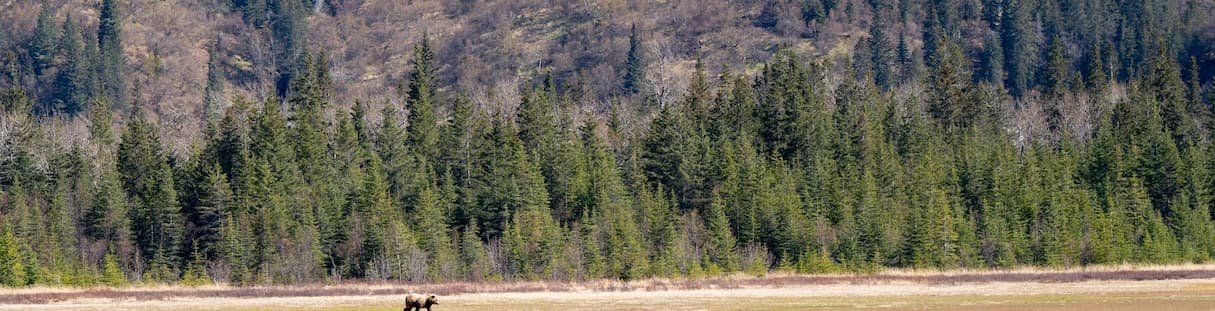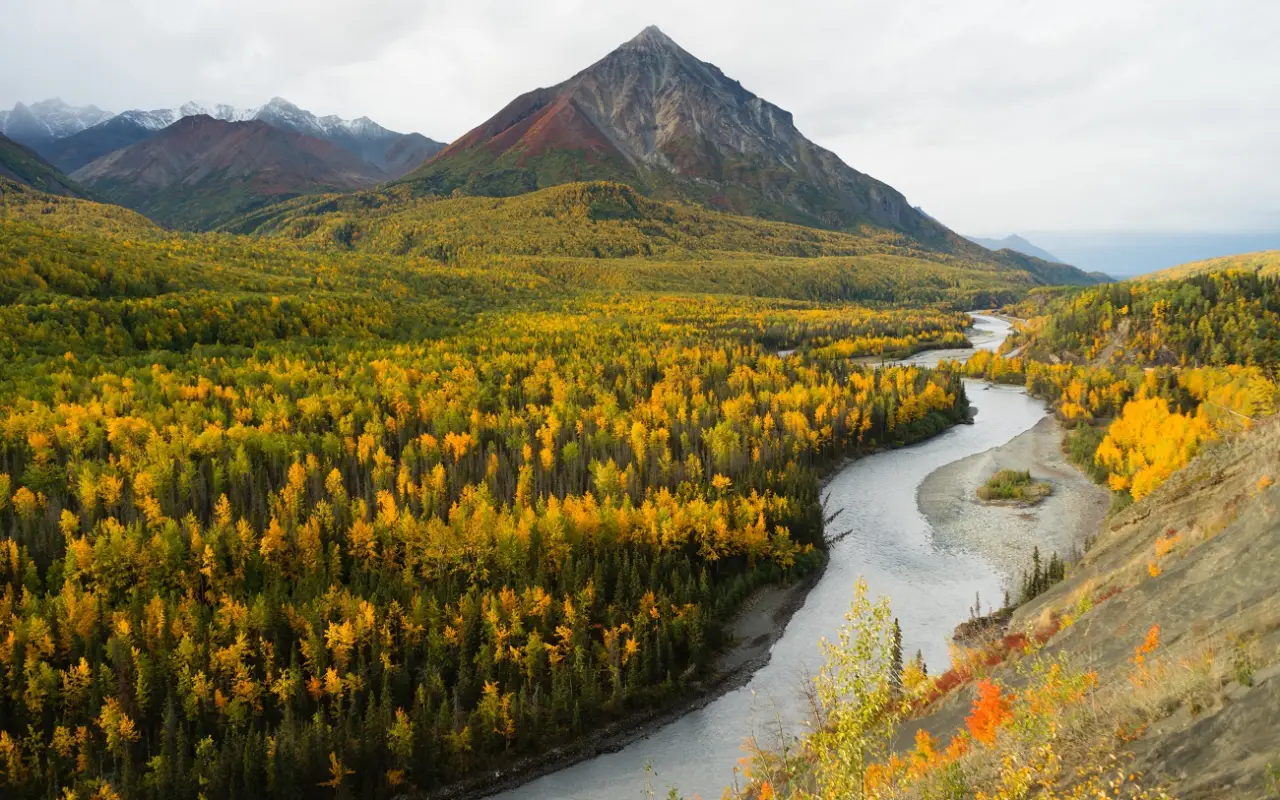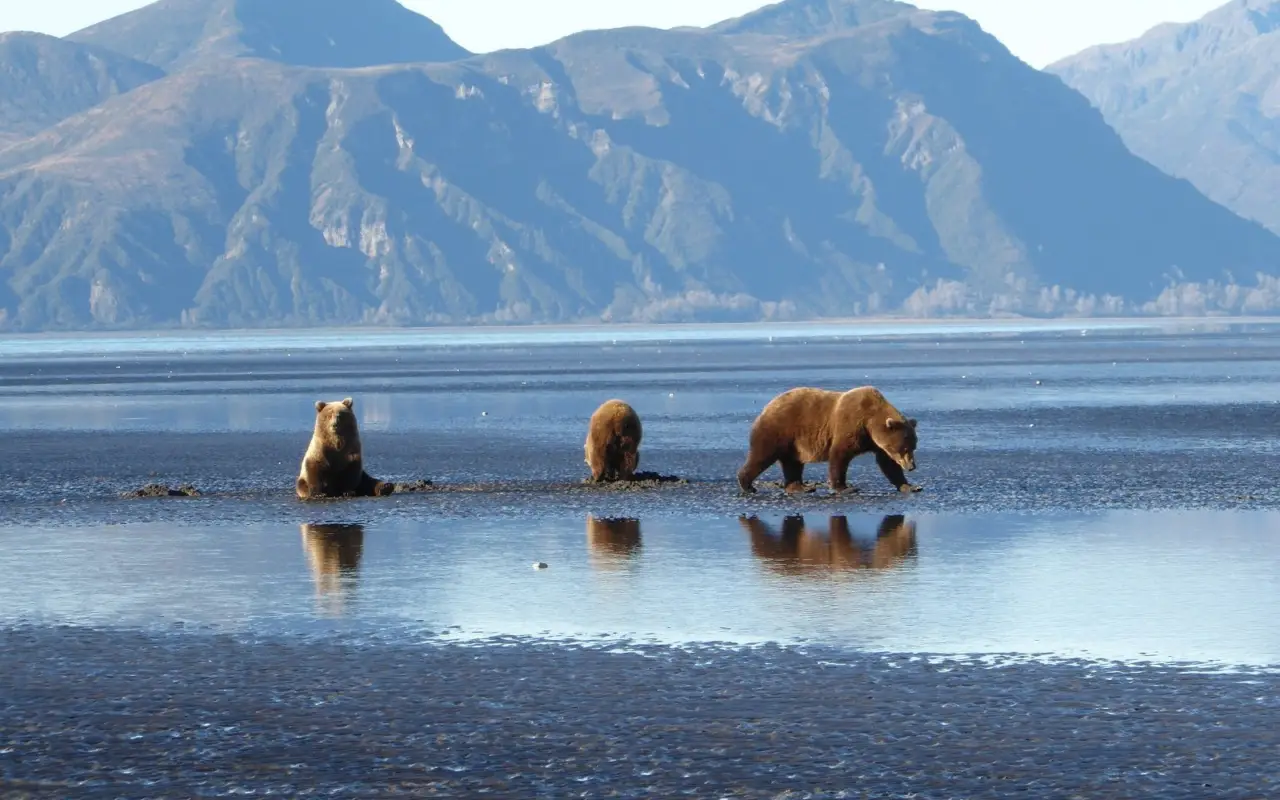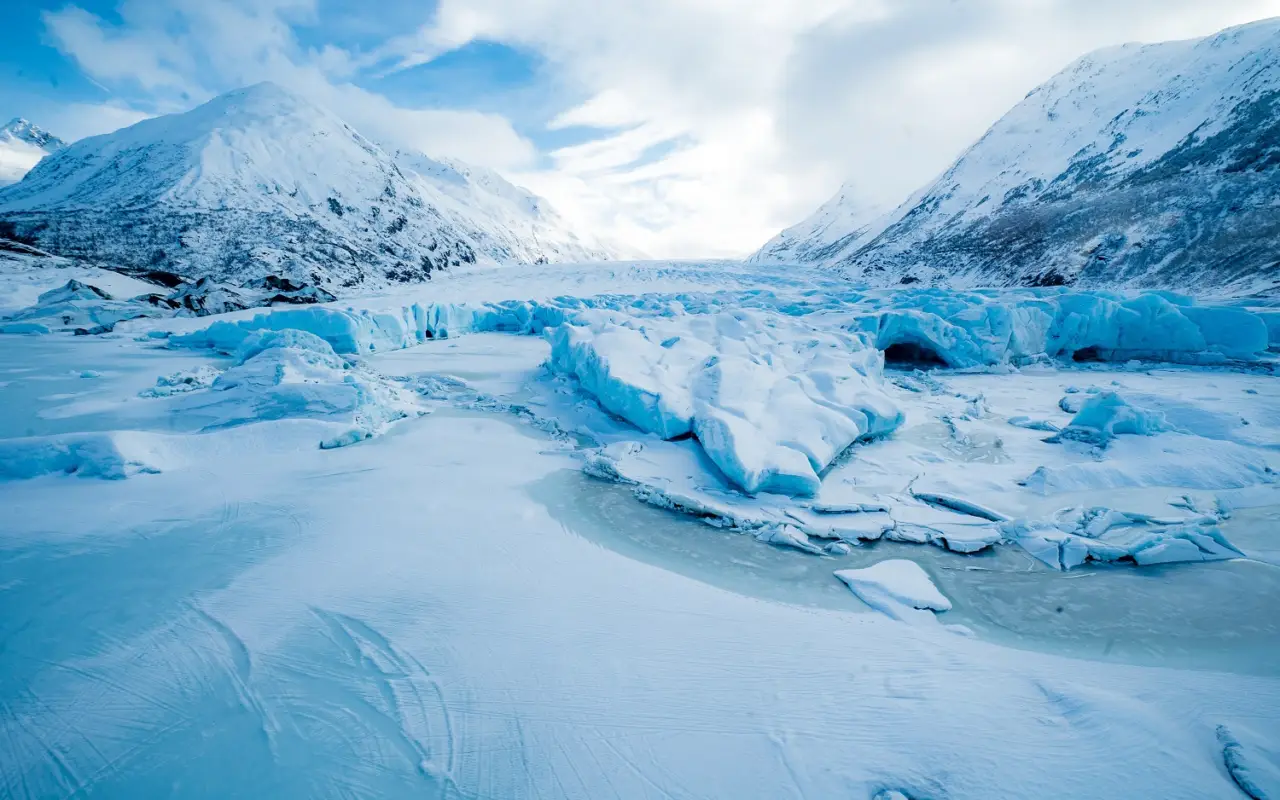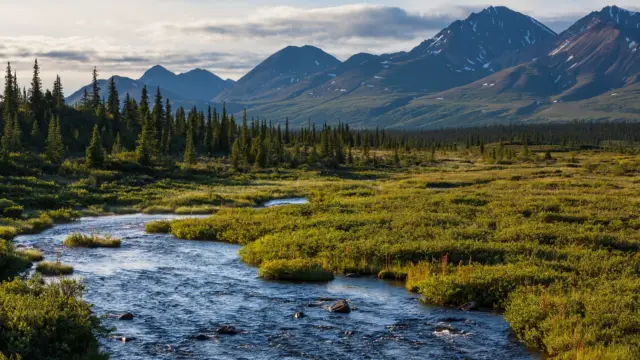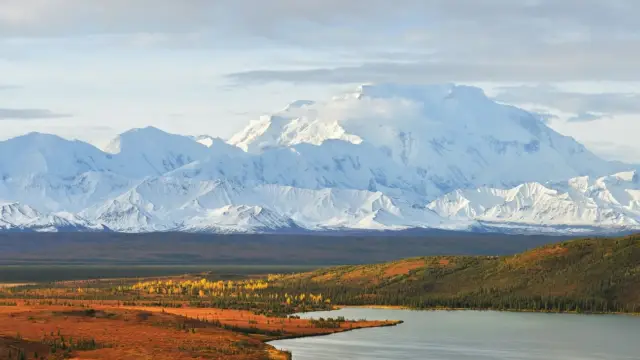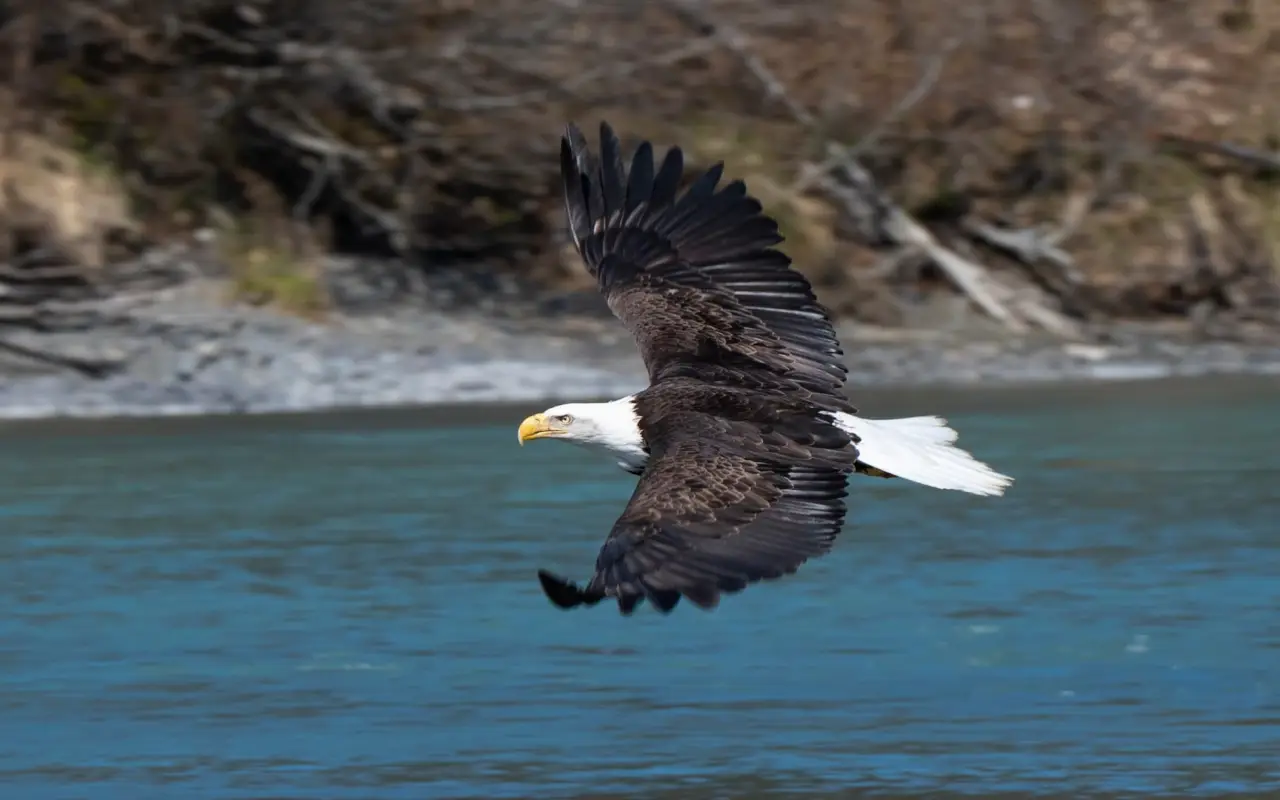
A legendary destination with spectacular landscapes, Alaska attracts travelers seeking wide-open spaces, untamed nature, and experiences off the beaten path. With its majestic glaciers, towering mountains, vast forests, and wildlife, Alaska offers a unique setting.
To fully enjoy this exceptional destination, however, it’s essential to plan ahead for certain aspects of the trip. Proper preparation ensures a stress-free journey and allows you to experience Alaska in the best possible conditions.
Administrative formalities to lay a solid foundation for your trip
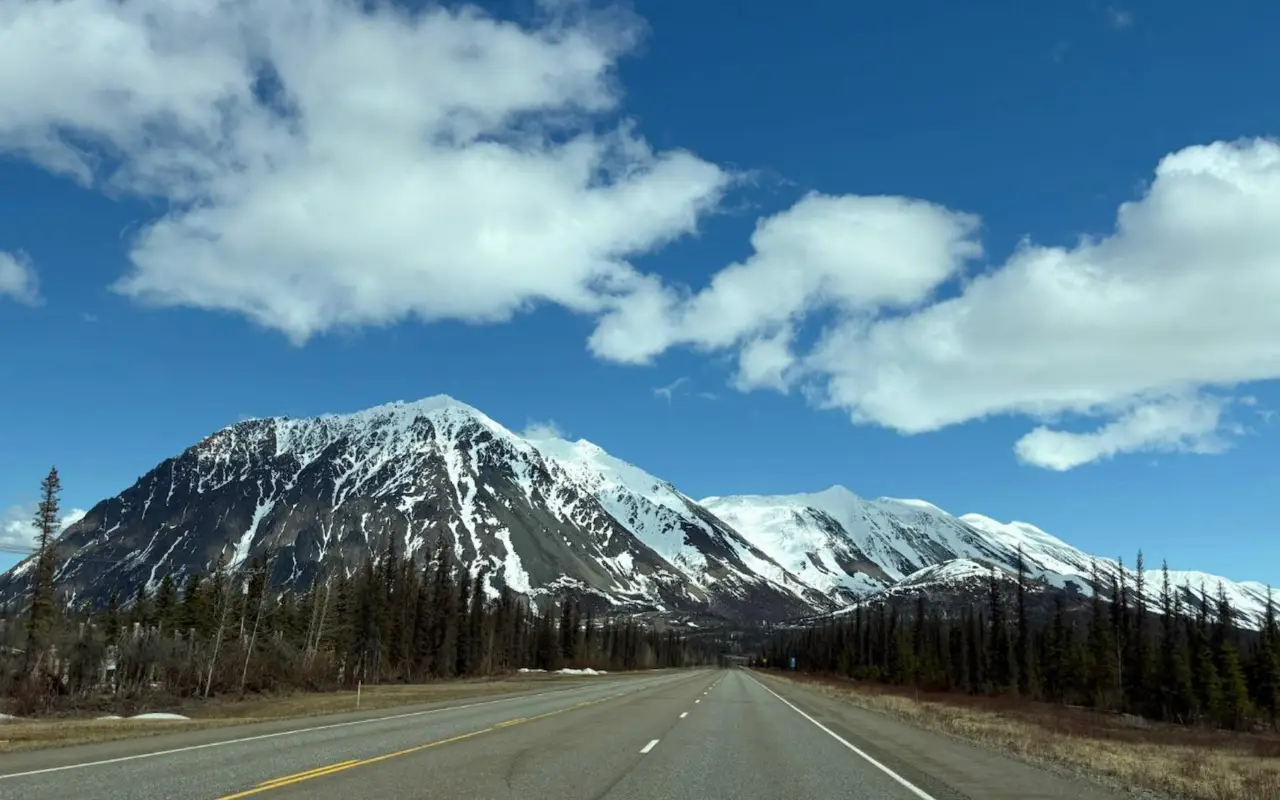
Traveling to Alaska requires compliance with certain administrative formalities. A valid biometric passport is required to enter the United States. Citizens of Schengen Area countries may be eligible for the Visa Waiver Program for stays of less than 90 days, provided they complete an electronic travel authorization through the official ESTA website before departure. This online process requires a fee and must be completed at least 72 hours before travel. It is important to be wary of unofficial websites offering this service at exorbitant rates.
Find all the information regarding entry requirements for stays of less than 90 days.
Fortrips that include Canada, an Electronic Travel Authorization (eTA) is also required, even if it is just a layover.
Choosing the Right Time for Your Trip
Alaska can be visited year-round, but each season offers a very different atmosphere. The best time to visit depends primarily on the activities you’d like to do.
Summer—June through mid-September
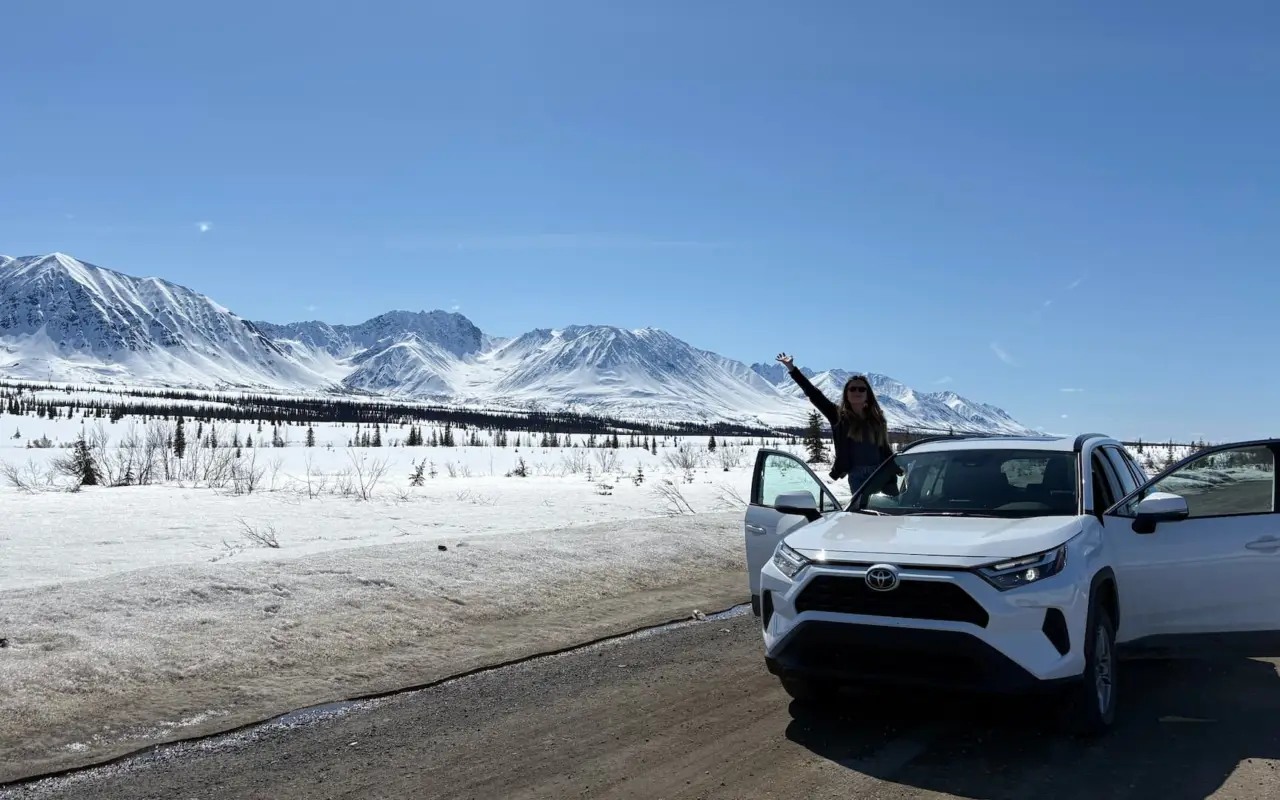
This is the ideal time to explore Alaska. Temperatures are pleasant, offering a wide range of outdoor activities, and the roads are fully passable.
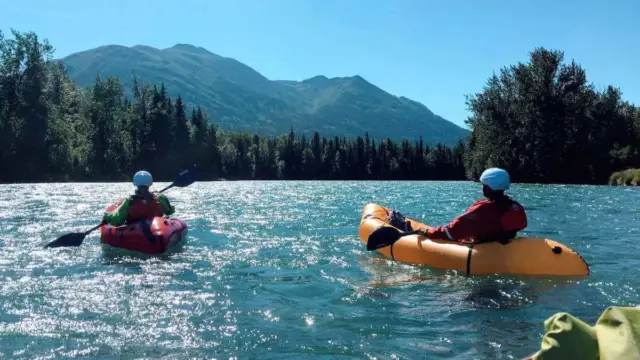
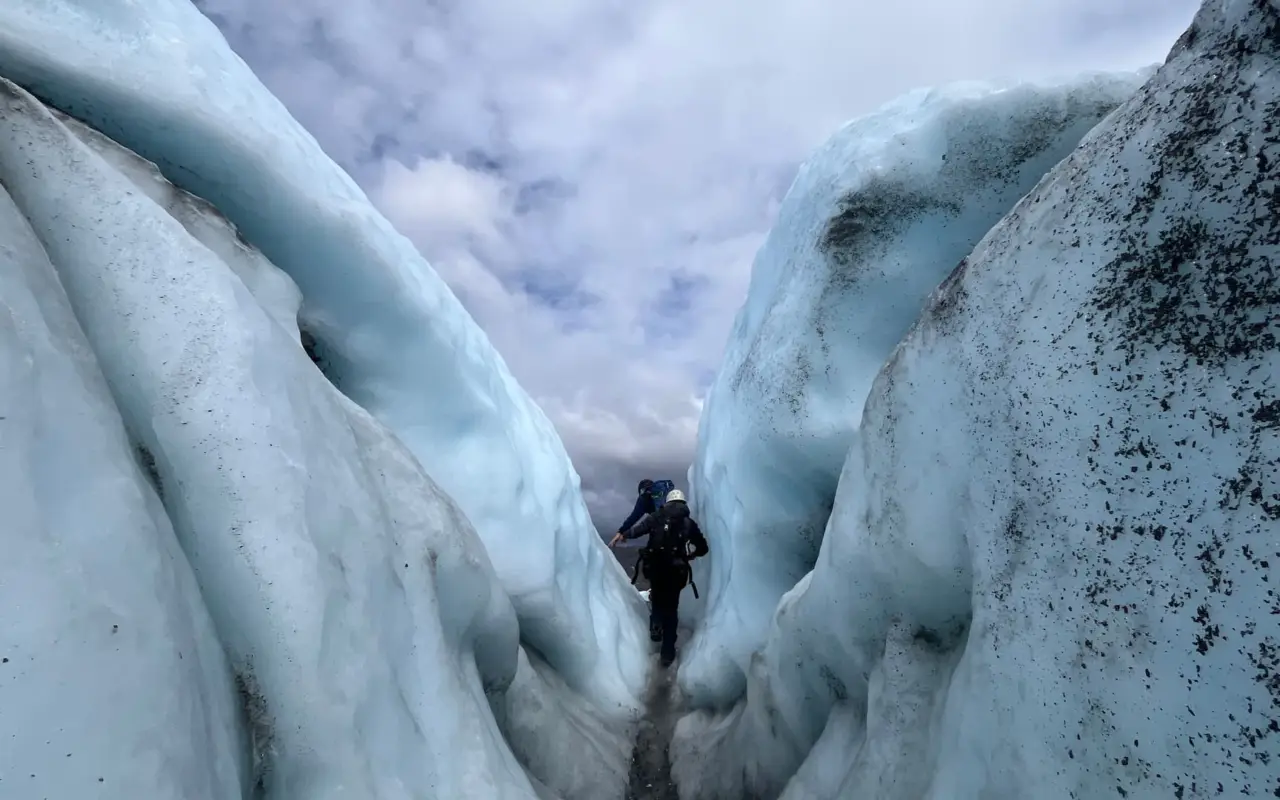
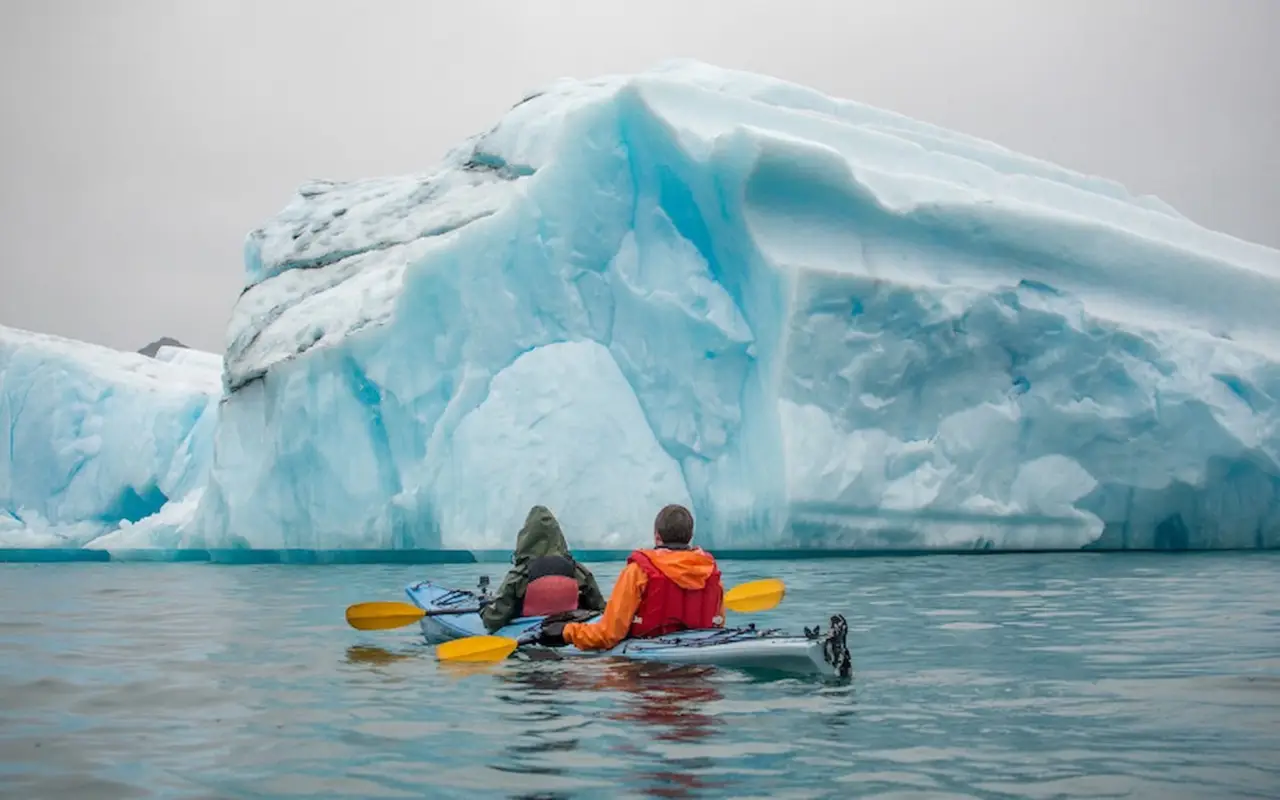
The days are very long, perfect for hiking , kayaking , and wildlife viewing . Since the season is short and in high demand, it’s strongly recommended that you book your trip well in advance to get the best value for your money.
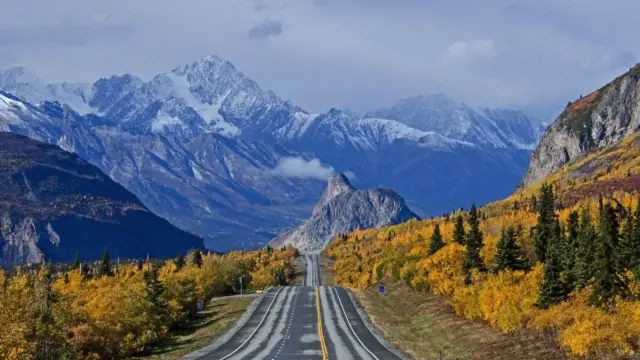
Off-season – May, late September, October
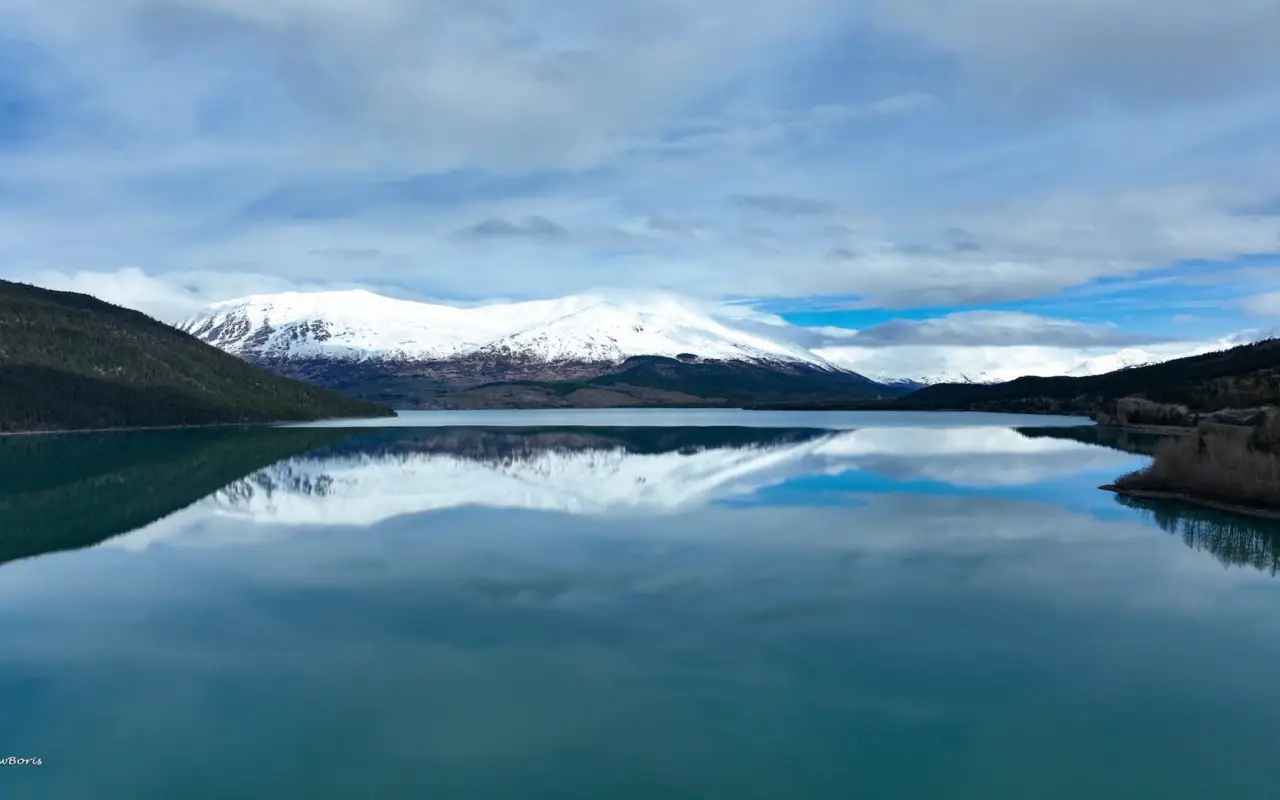
These periods offer a quieteratmosphere and , at times, more affordable rates . Temperatures are cooler, but it’s still possible to enjoy wonderful nature experiences and observe wildlife in certain regions. Note, however, that many facilities don’t open until late May and close in mid-September.
Winter – November through April
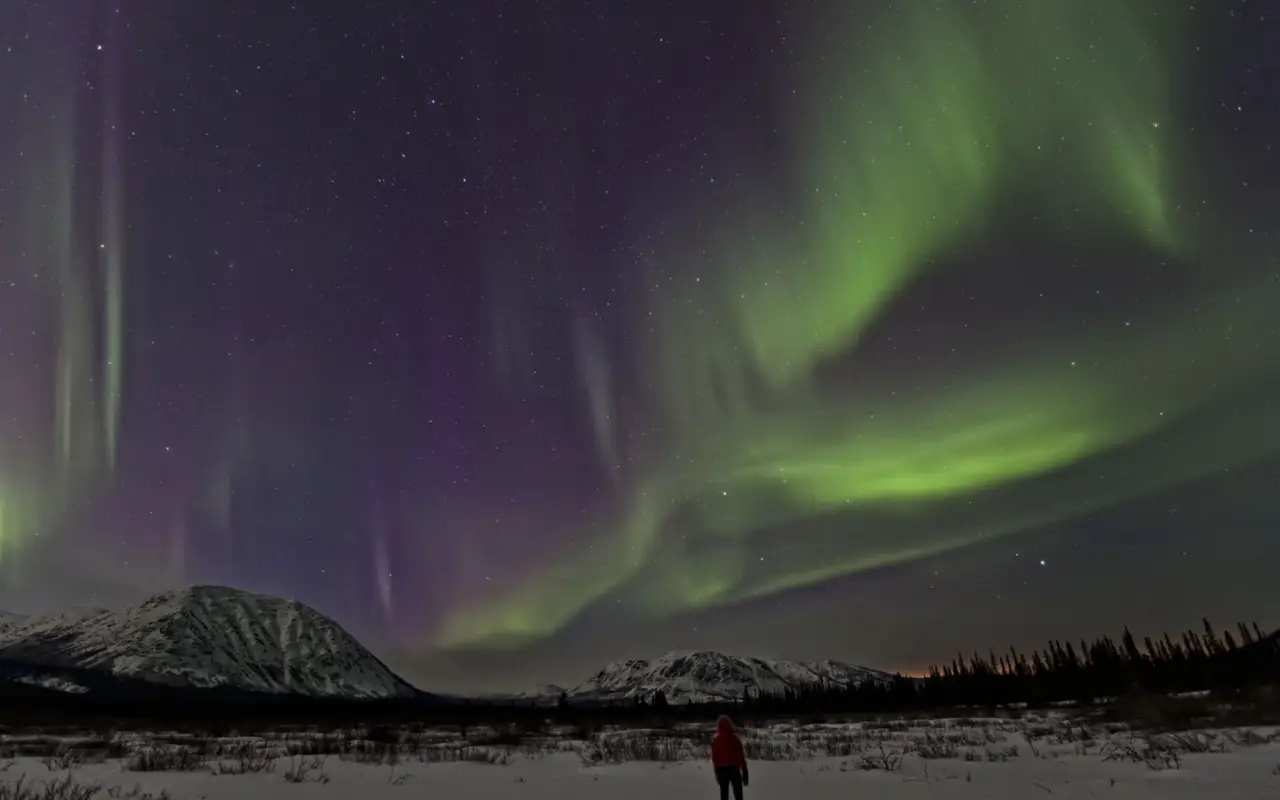
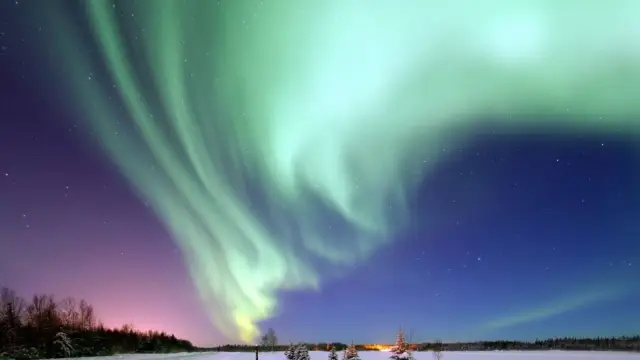
In winter, the days in Alaska are very short, with only a few hours of daylight. This rhythm directly influences how activities are organized and creates ideal conditions for viewing the Northern Lights, particularly around Fairbanks.
Dog sledding, snowshoeing, and exploring snow-covered landscapes offer a truly immersive experience of the Far North. Temperatures, which often range from -20°C to -30°C, require appropriate gear, some of which is typically provided on site.
Packing the Right Gear for Alaska
In Alaska, proper gear is key to your comfort and safety. Weather conditions can change rapidly, even in the summer, and it’s important to be prepared.
The layering principle is recommended: a breathable layer, an insulating layer, and a waterproof layer to protect against wind and rain. Comfortable shoes suited to your planned activities are essential, especially for hiking.
Even during the warmer months, it’s advisable to pack warm, lightweight clothing, as well as protection from rain and wind, so you can fully enjoy the scenery and activities.
Traveling with Peace of Mind in Alaska: Health and Safety
No special health precautions are required for travel to Alaska. The required vaccinations are the same as in Europe or Canada, and there are no specific checks for them upon entry into the country.
Due to the remoteness of certain regions, it is strongly recommended that you have health and repatriation insurance. Access to medical care may be limited outside major cities, and adequate coverage allows you to travel with peace of mind.
Alaska is a wilderness destination where nature sets the pace. It is essential to behave responsibly—especially around wildlife—and to follow safety guidelines during outdoor activities. Planning your itinerary and anticipating weather conditions in advance will help ensure a peaceful and safe trip.