Summary: When to Visit Alaska
Alaska can be visited year-round, depending on your preferences. High season (June–August): 20 hours of sunlight, all activities available, high prices, book a year in advance. Low season (May–September): solitude, lower prices, some parks closed. Winter (October–April): spectacular Northern Lights, extreme cold, unique winter experiences.
When is the best time to travel to Alaska?
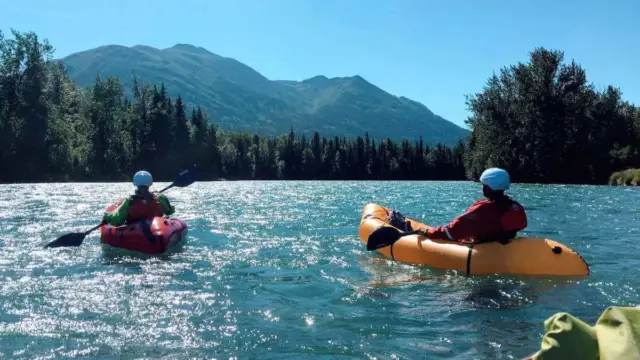
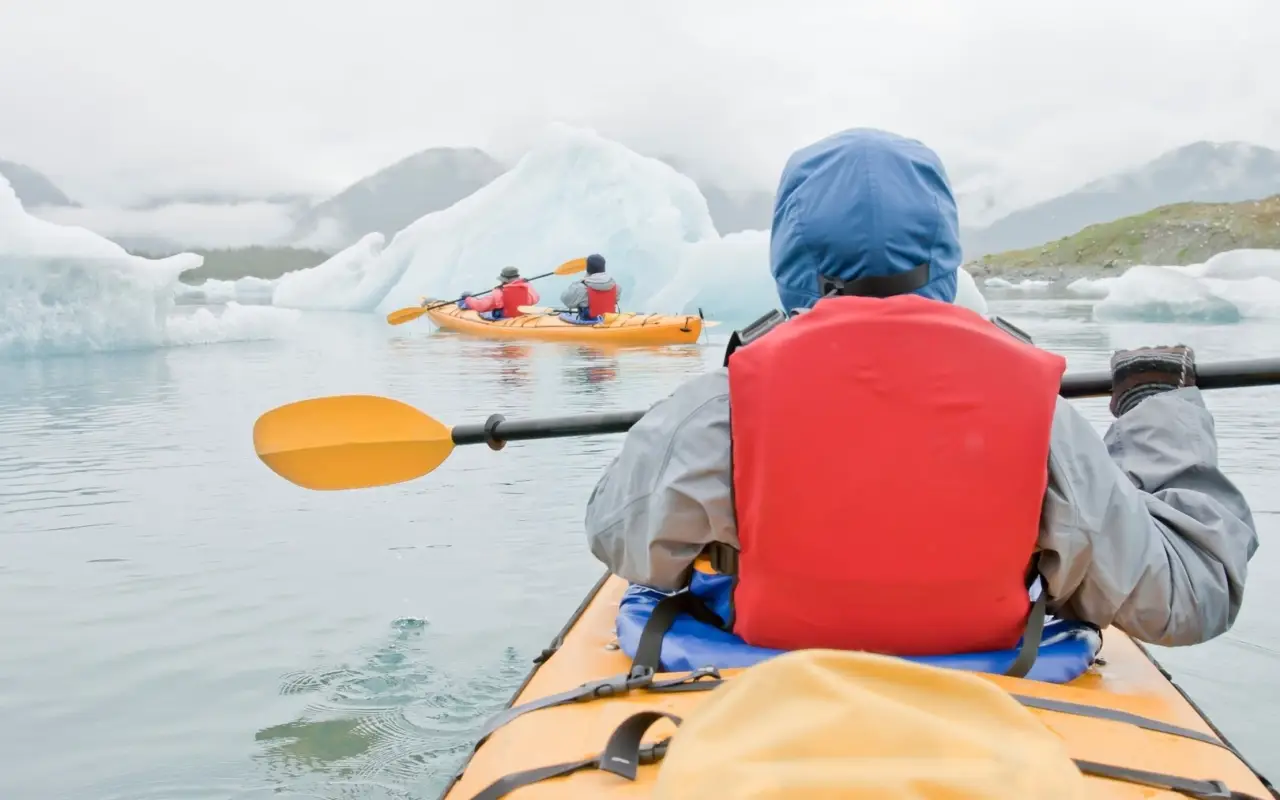
If you’re looking for the midnight sun and a kayaking trip on the turquoise waters of glacial rivers, then visit during peak season, from June through August. The season is very short, so you’ll need to book your trip and accommodations well in advance. There’s no room for last-minute plans!
- The roads are 100% passable
- Access to all outdoor activities
- 20 hours of sunlight per day in June
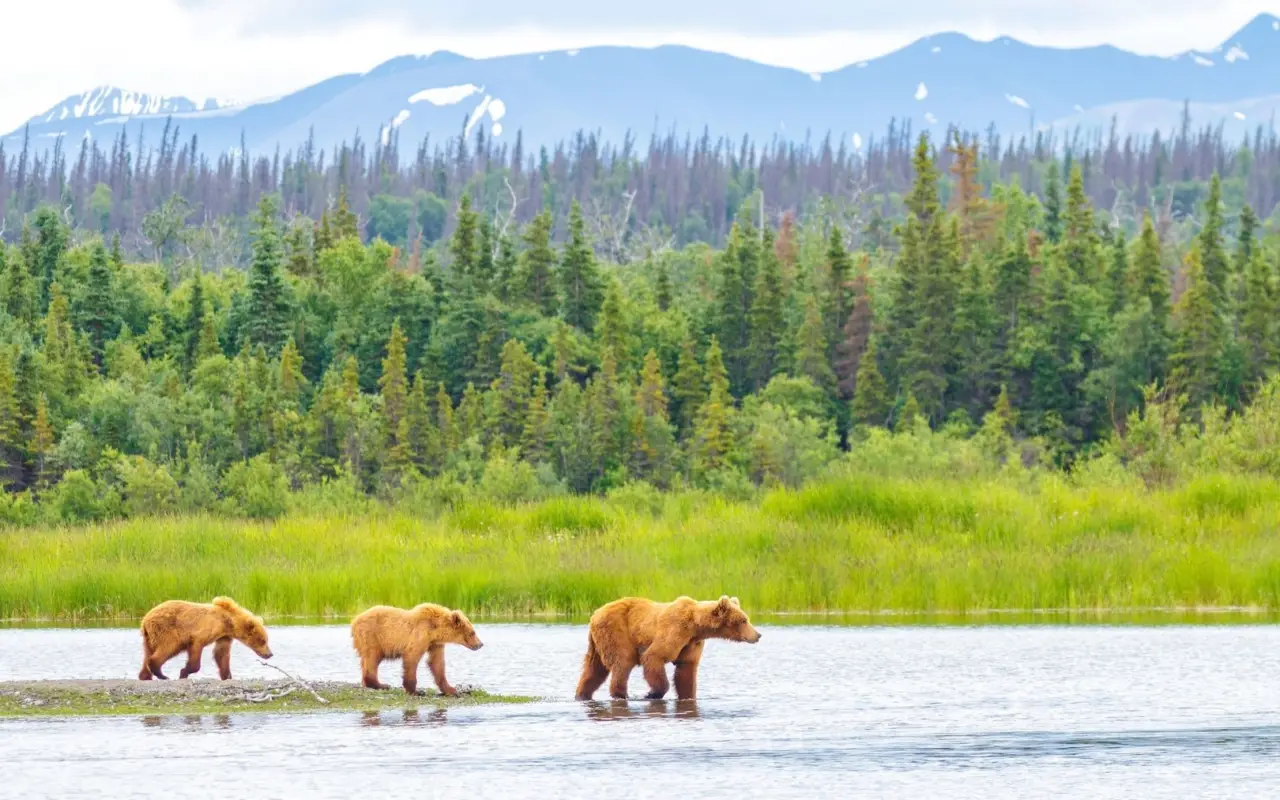
- It’s salmon migration and wildlife viewing season
- Average temperature: 15–21 °C (59–70 °F)
Budget: Rates are at their highest. Expect a 20–30% increase in costs compared to May or September for lodging and activities.
In summary: This is the best time to make the most of Alaska and its natural beauty. As a result of this (all too) short season, prices are higher than during the rest of the year.
Get inspired by our Nature Itinerary in Alaska
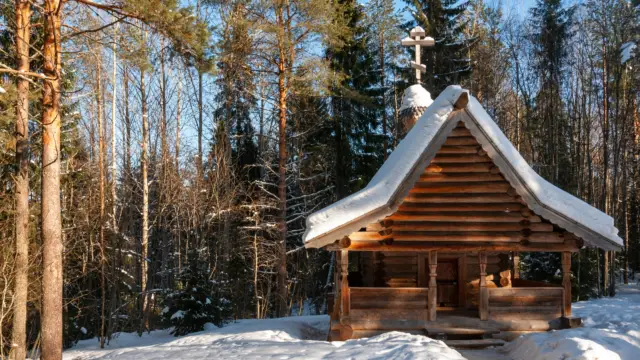
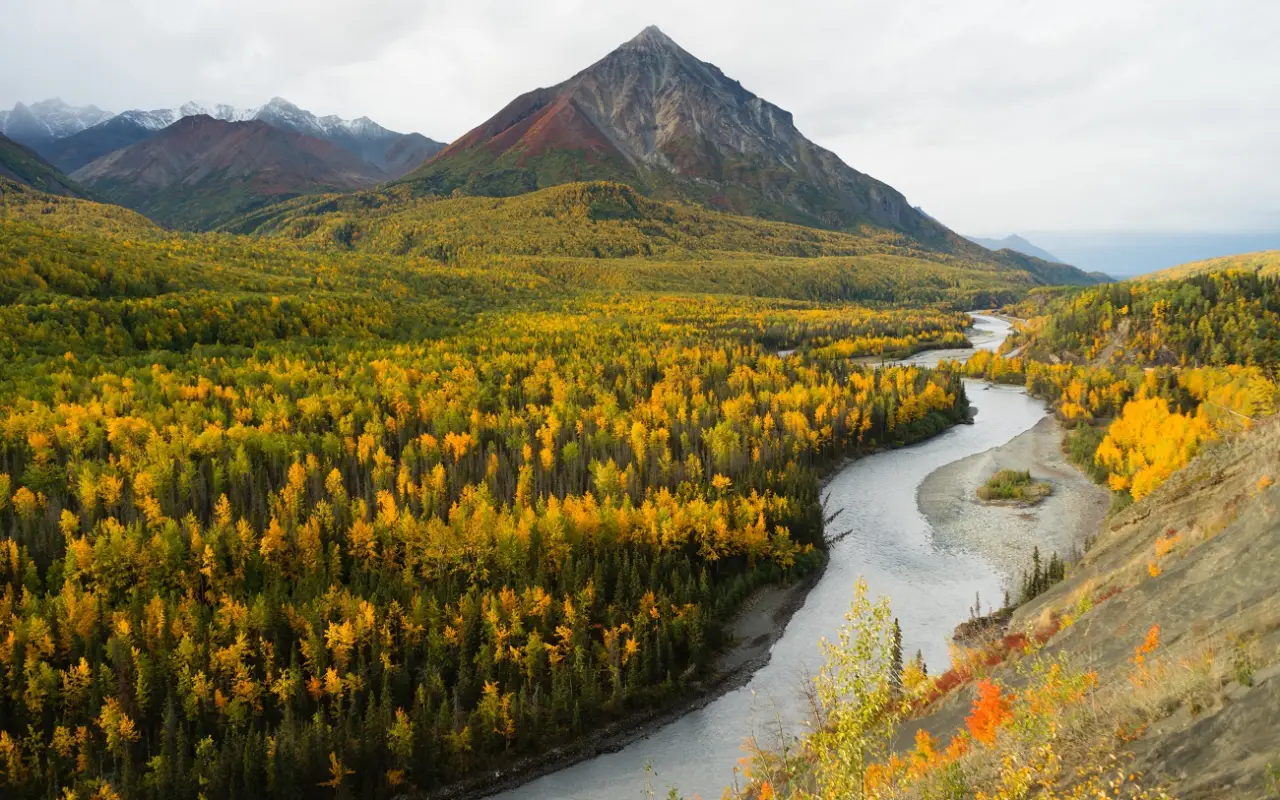
Low tourist season: May and September
Want to enjoy nature all to yourself? Then come in May before the crowds arrive, or in September, when the summer rush is over. Please note:
- Some accommodations and tourist attractions are closed during the off-season
- Hotel and car rental rates are 20–30% cheaper than in the summer
- It’s cooler than in summer, but a trip to the Kenai during the off-season is also very pleasant
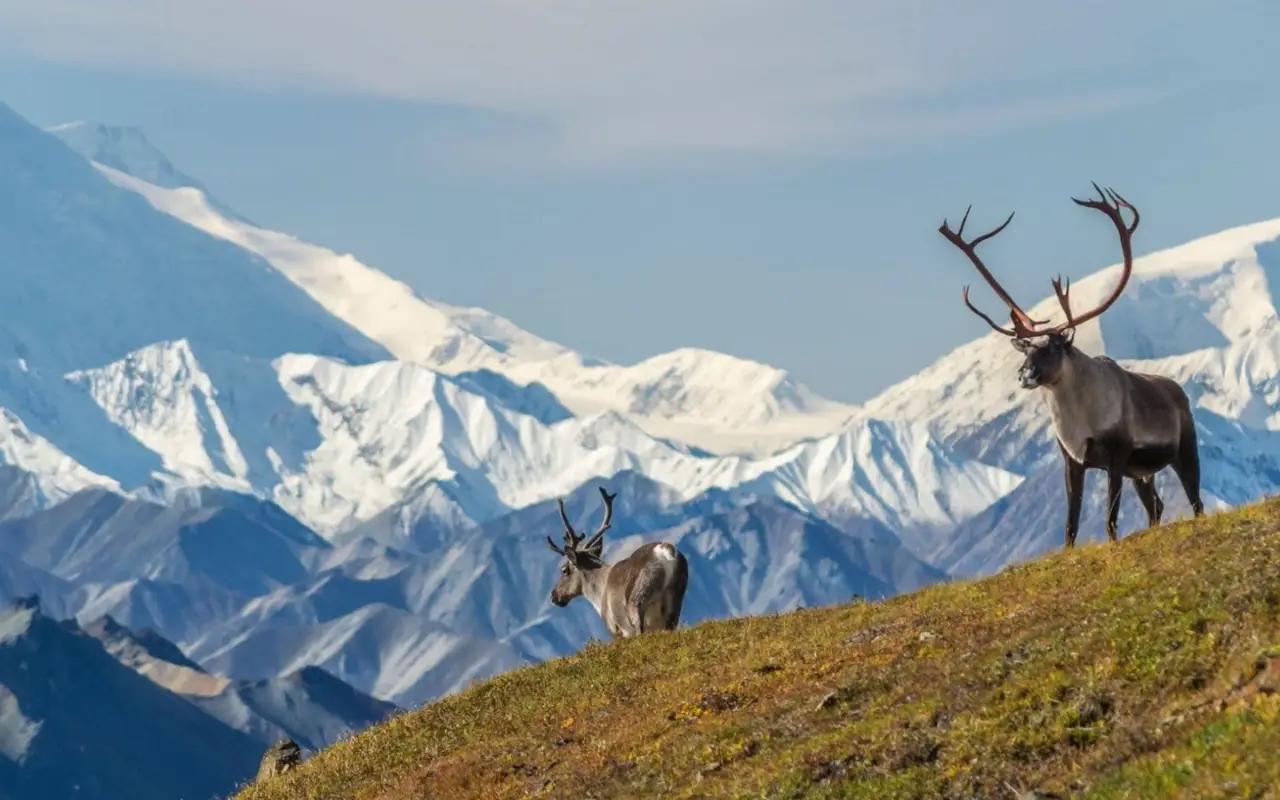
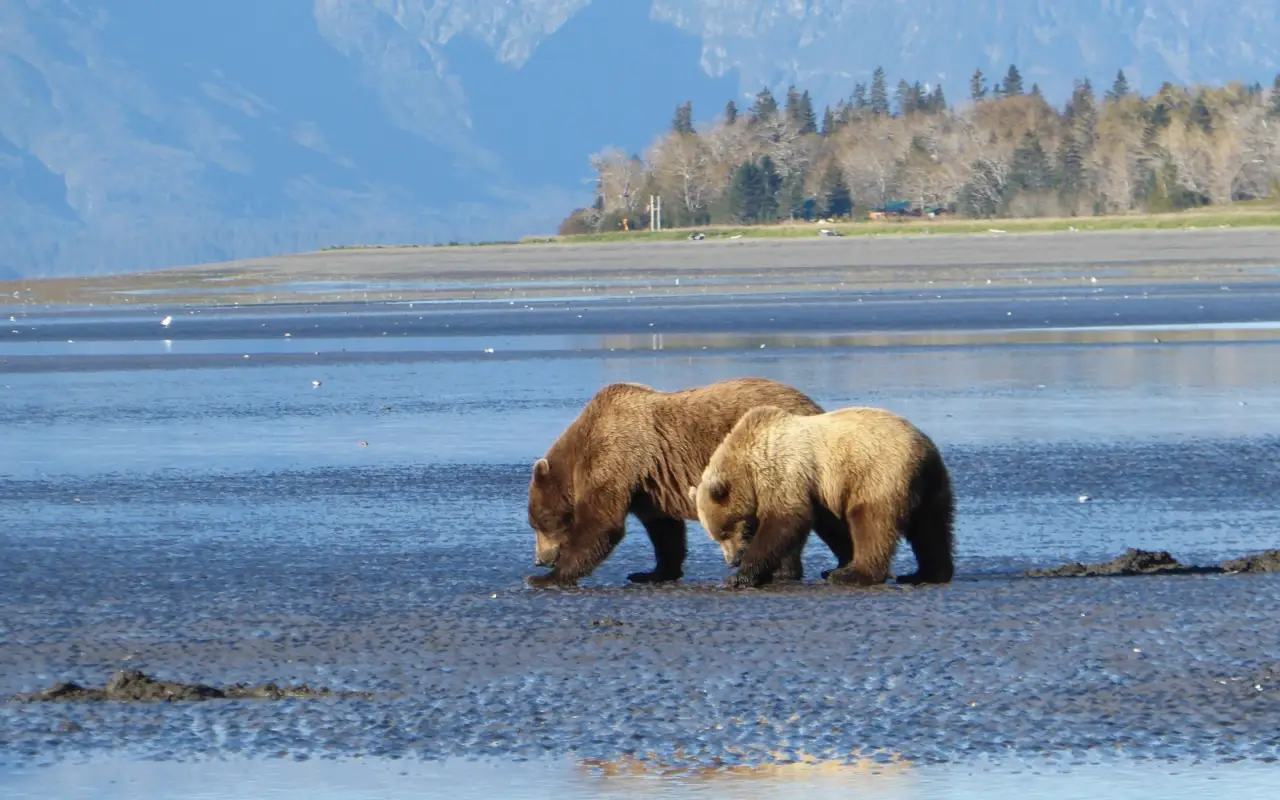
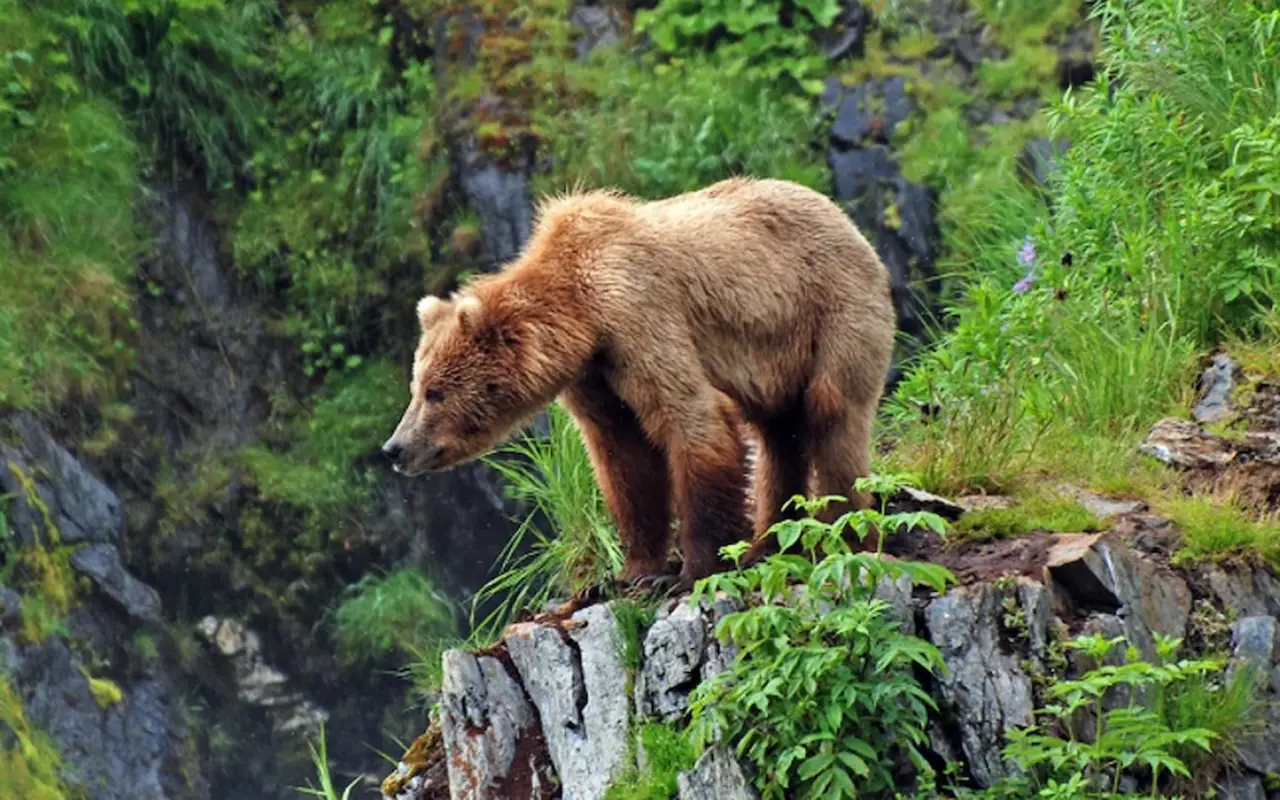
- You can go whale-watching or bear-watching on certain dates in early or late season
- Average temperature: 8–15 °C (46–59 °F)
- Daylight hours: about 16–17 hours in May, 12–13 hours in September
Best for: Travelers seeking tranquility, wildlife photography, and great rates. May is excellent for fishing and spring wildlife; September is great for early Northern Lights.
Discover our Canada–Alaska trip
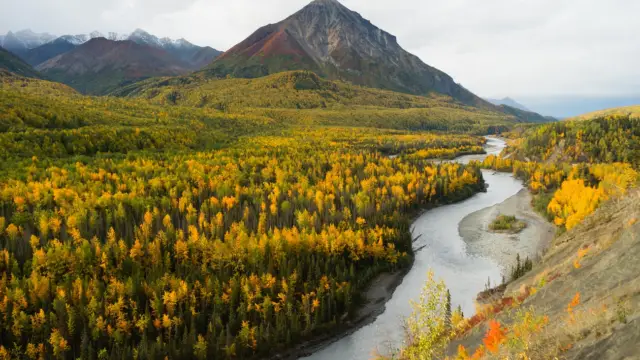
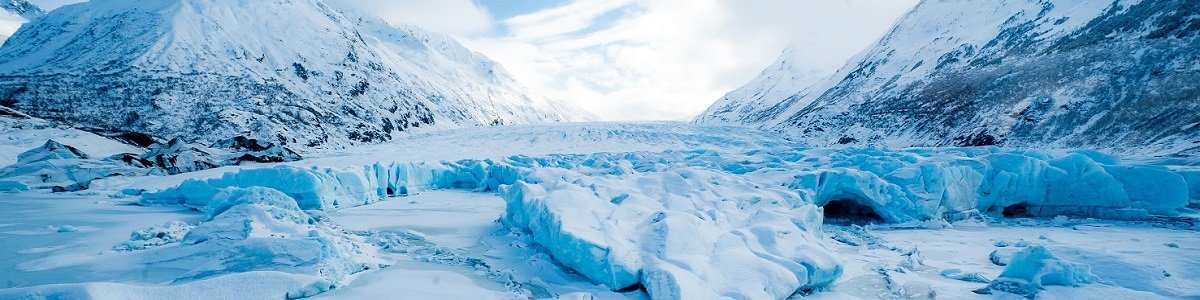
Winter in Alaska: Travel from October to April
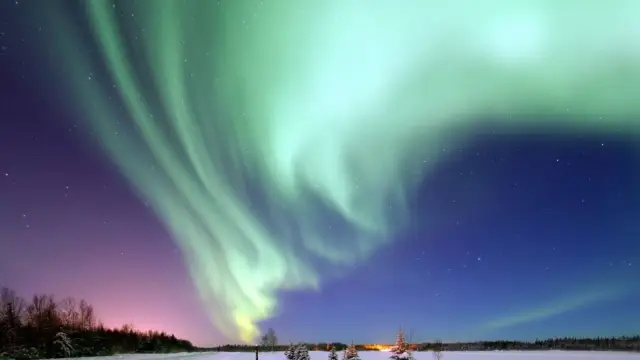
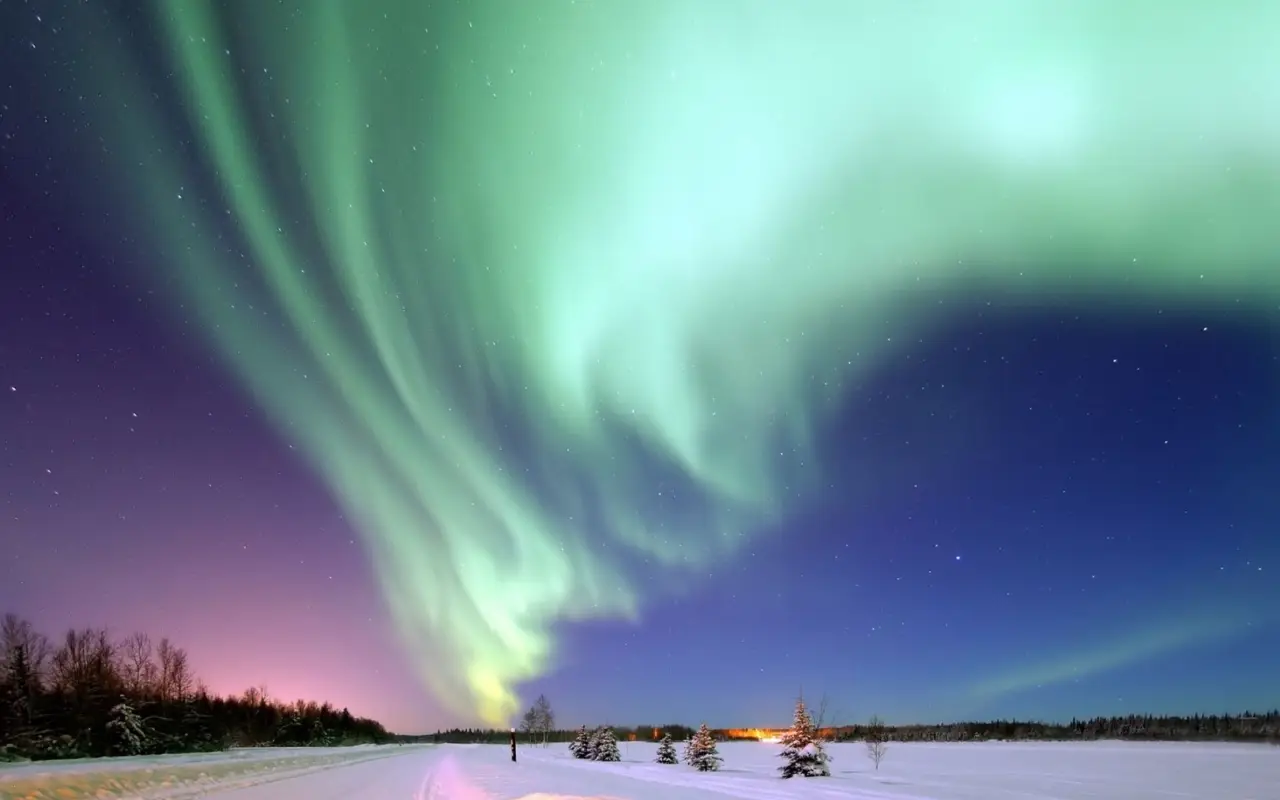
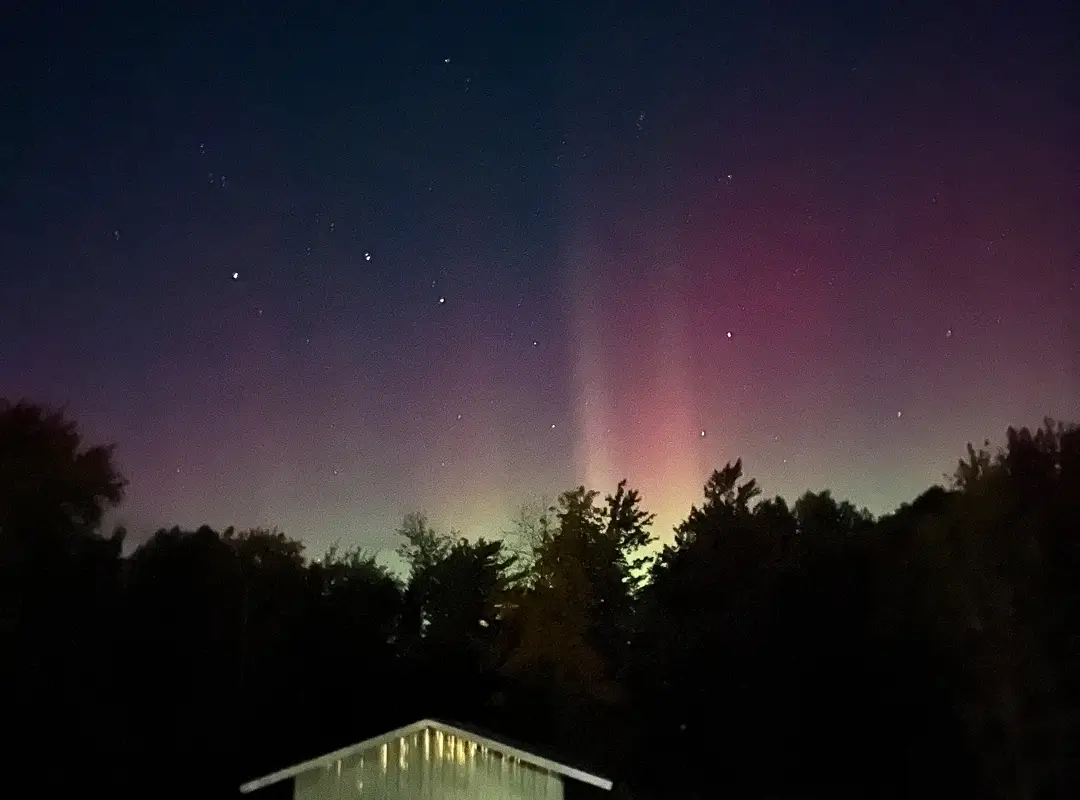
Alaska in winter is rugged and breathtaking. Think Northern Lights, extreme-cold activities, dog sledding, and cozy lodges! Its charm never fails to captivate. Alaska is one of the world’s best spots for viewing the Northern Lights.
- Some lodges offer superb winter experiences: a mix of extreme-cold outdoor activities and Northern Lights viewing
- It gets very cold (−20 to −40 °C / −4 to −40 °F). You’ll need to be very well equipped!
- The Northern Lights begin to appear as early as late September in the Fairbanks area, before the cold weather sets in
- Activities include dog sledding, snowmobiling, and winter hiking
- Polar night: daylight hours drop drastically (0–6 hours of daylight in December)
Chance of seeing the Northern Lights: 70–90% probability from September through February in the north (Fairbanks, Barrow). At least 30% in October and April.
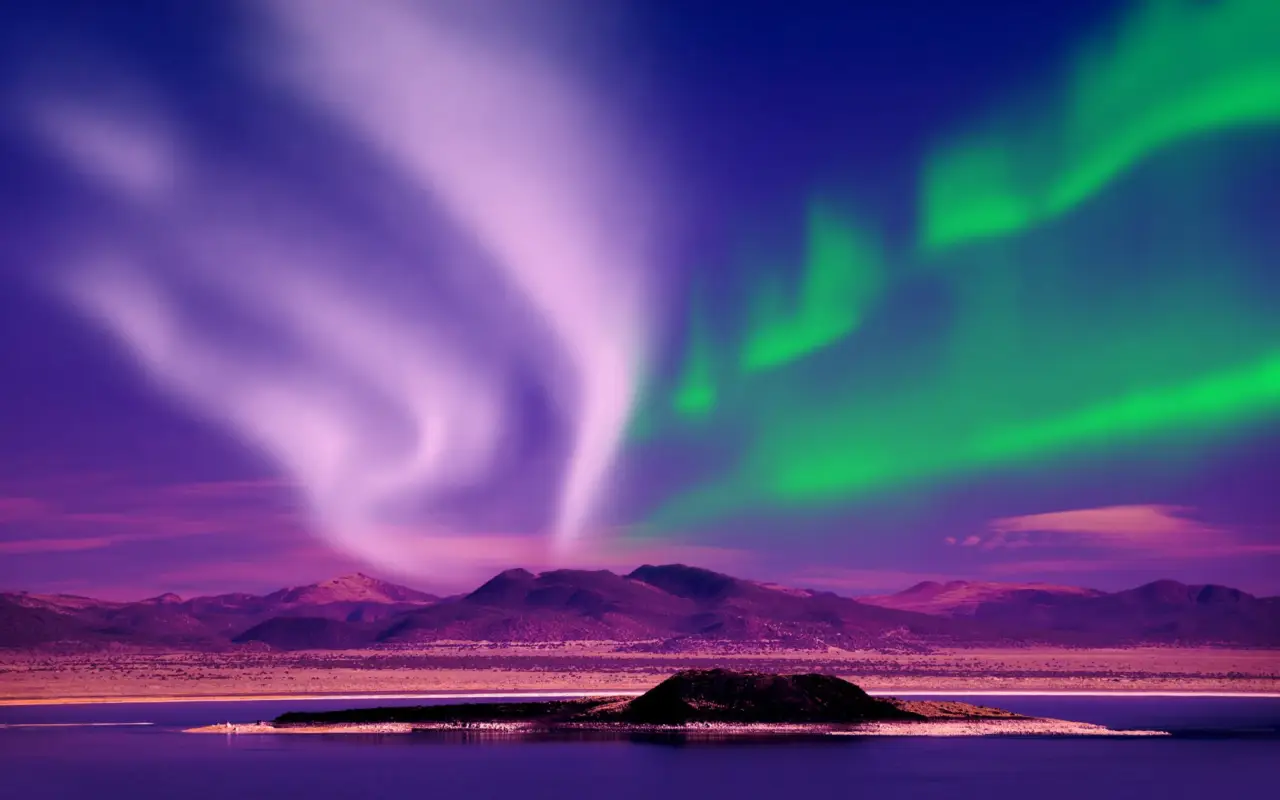
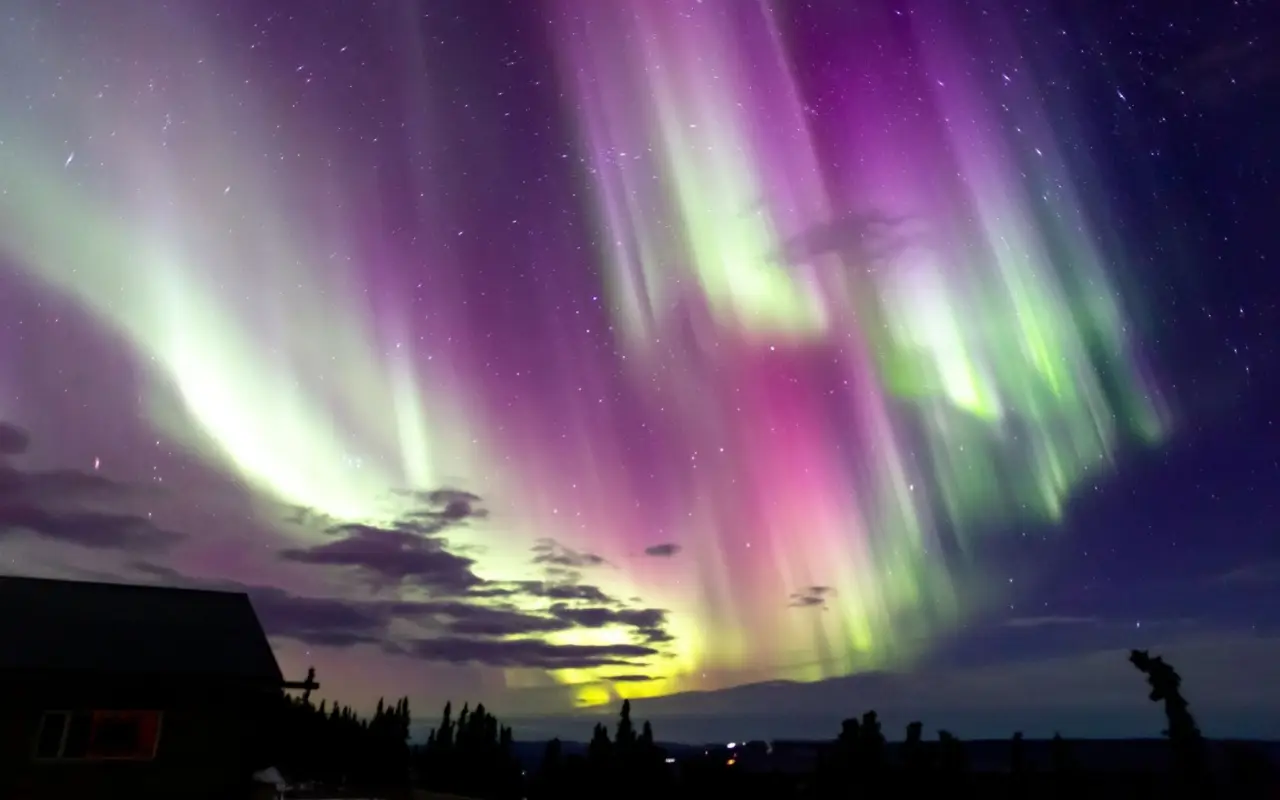
Take a Winter Trip to Alaska
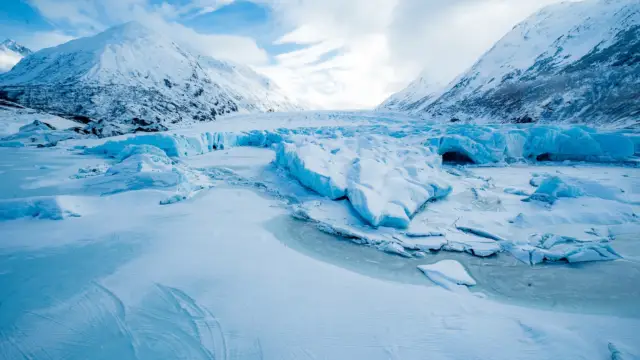
Best Season by Region
Each region of Alaska has its own unique climate and tourist attractions. Here are the recommendations by area:
Fairbanks and the Northern Lights
Best time to visit: September–February (best chance of seeing the Northern Lights). Lows of −30 °C in December–January. Clear skies are essential: September and February offer a good balance of cold temperatures and stable weather.
Kenai Peninsula (fishing, kayaking, wildlife)
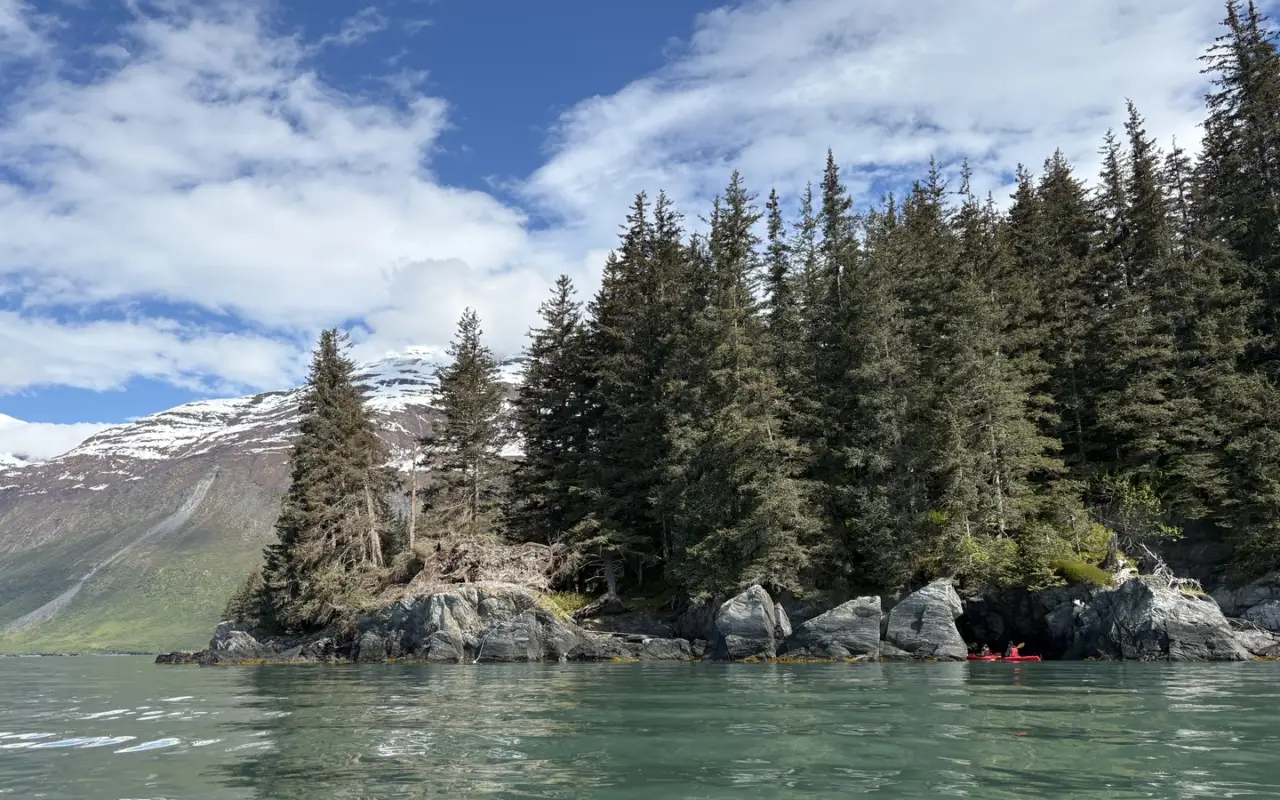
Best time to visit: June–August for fishing and kayaking (rivers running high, abundant salmon). May and September for a peaceful experience. Very harsh winters; difficult to access.
Southeast Alaska and the Inside Passage (cruises, forests)
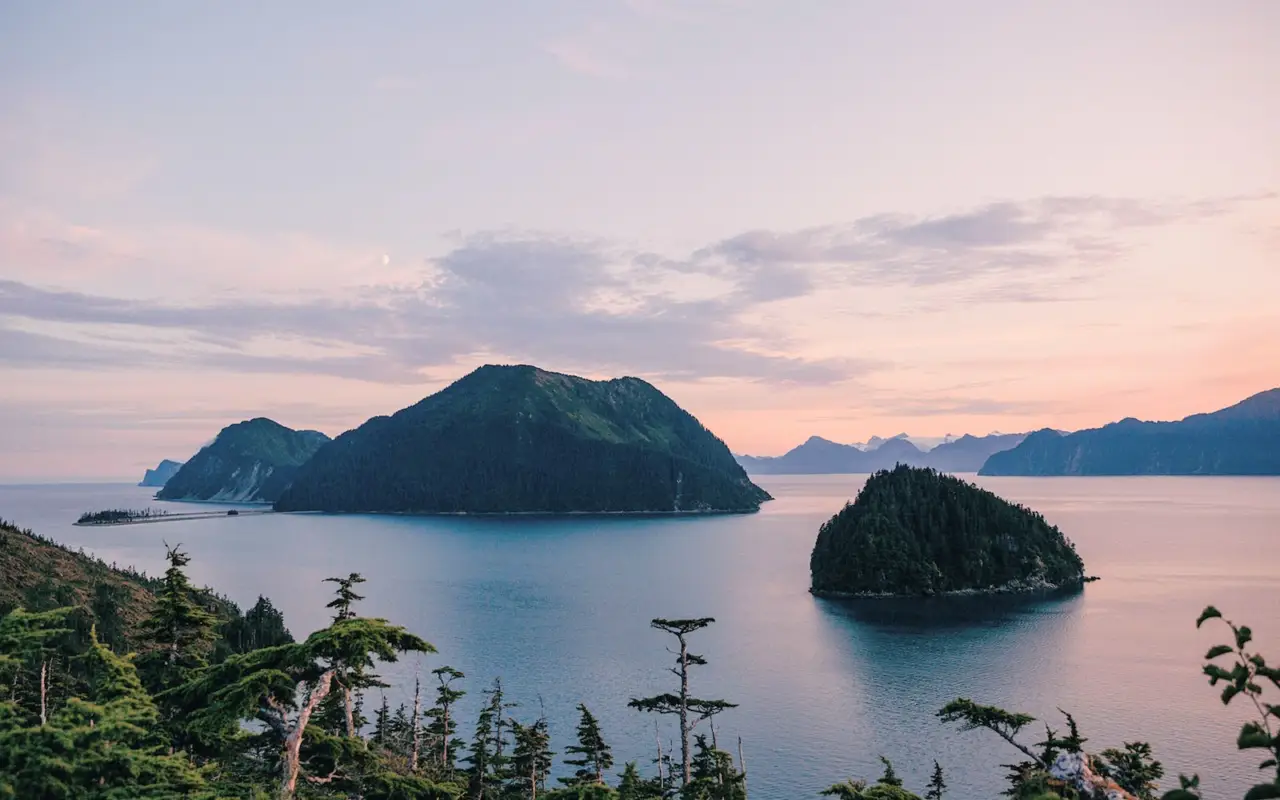
Best season: June–September (milder climate, accessible glaciers, cruises operating). June can be rainy. July–August are the most stable months.
Our Tips for Choosing the Best Time for Your Trip
Plan your trip to Alaska at least one year in advance to ensure access to great excursions and top-notch accommodations. We can start planning wonderful trips up to 6 months in advance. After that, we’ll still offer you alternatives, but you’re more likely to have only a limited selection.
Frequently Asked Questions About the Best Time of Year to Visit Alaska
Can I really travel to Alaska year-round?
Yes, but with some adjustments. June through September offer full access. May and October allow for most activities. From November through April, you’ll need to be motivated by the Northern Lights and winter activities, and be prepared for extreme conditions.
What budget should I plan for depending on the season?
High season (June–August): Prices are 20–30% higher. Low season (May, September): Save 15–25%. Winter: Moderate rates, but significant costs for heating and specialized equipment.
What’s the best season to see the Northern Lights?
September through February, peaking in October–January. Lower cloud cover in September and February offers better visibility than in December–January, despite the less extreme cold.
Are Alaska’s roads safe in winter?
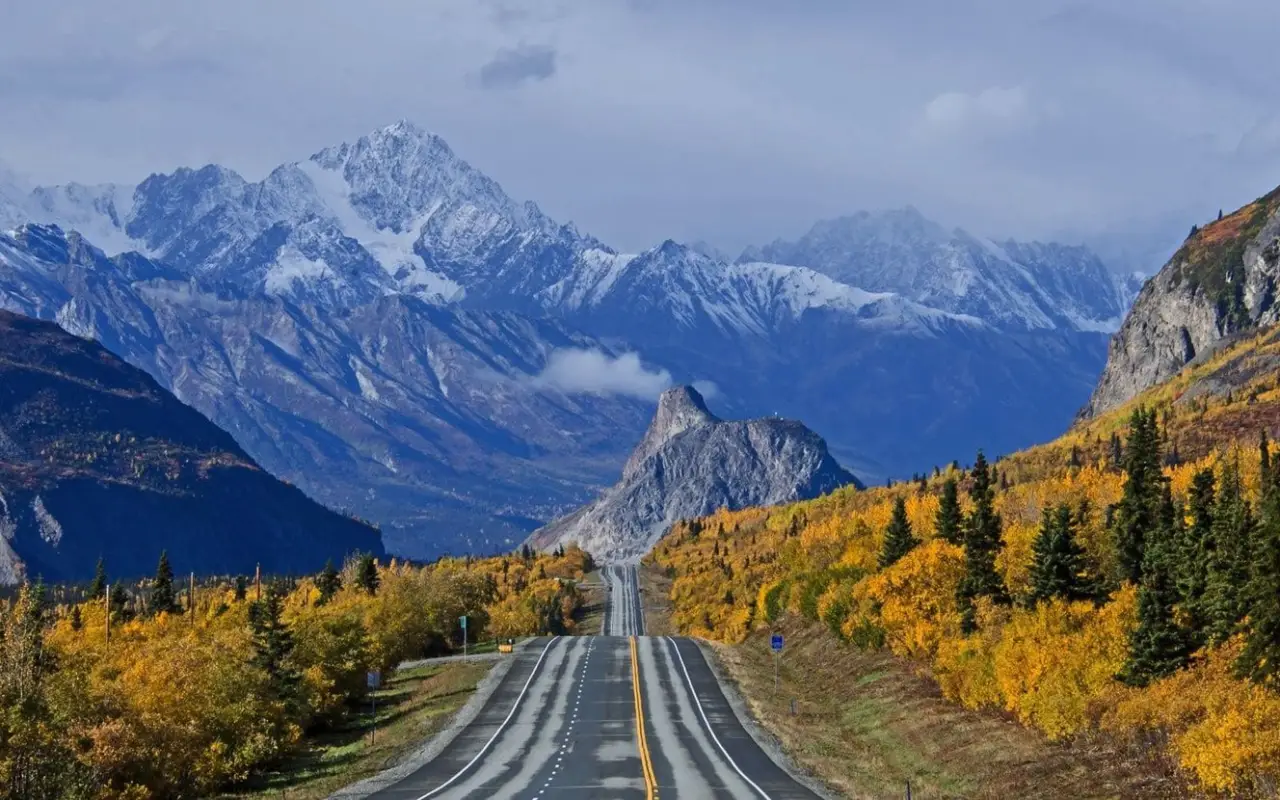
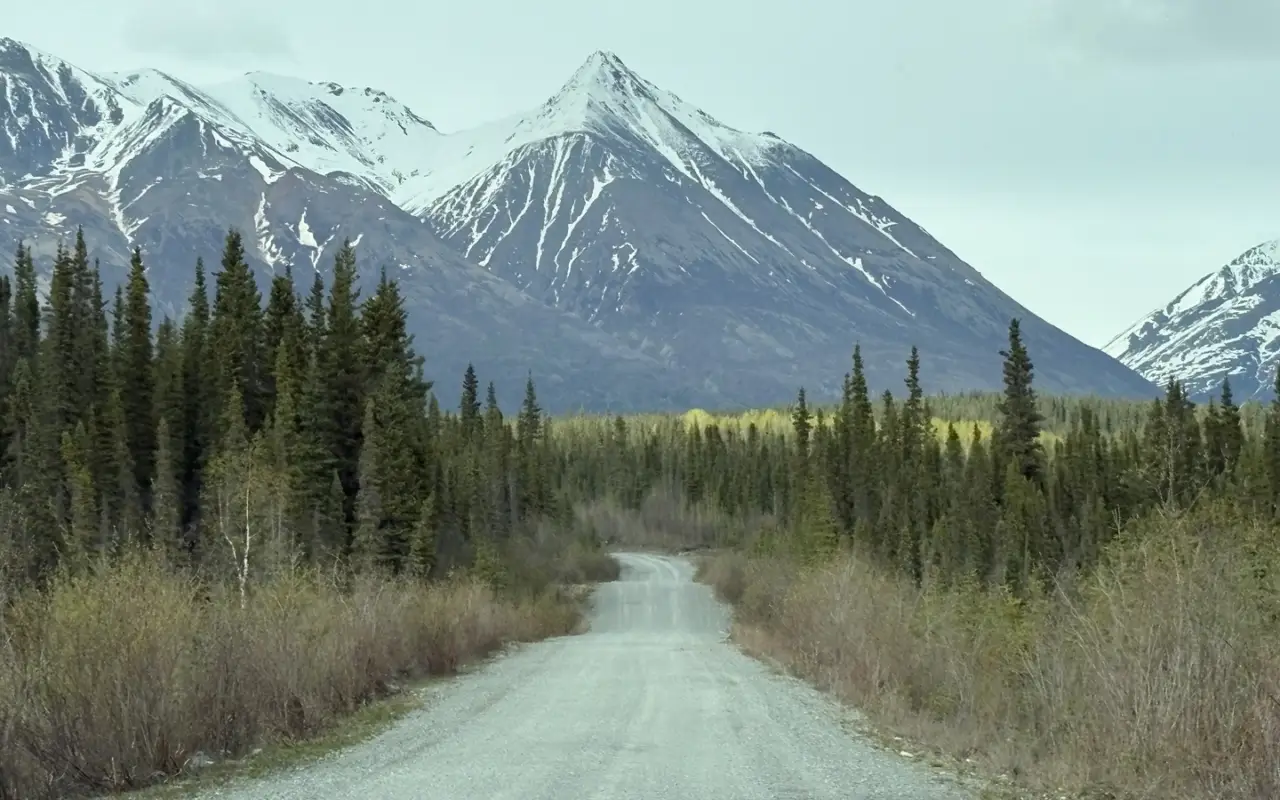
The main highways (Dalton Hwy, Glenn Hwy) are open but conditions vary. The Denali Hwy closes in early October. Specialized tires are required from September through April. An experienced driver and constant vigilance are essential.
Can I travel to Alaska with children outside of peak season?
May, September, and early October are good times to visit. Winter (Northern Lights) is suitable for motivated and well-equipped children. Discover our family trips.
Ready to plan your trip? Check out our recommended tours and itineraries or contact us for a custom trip.