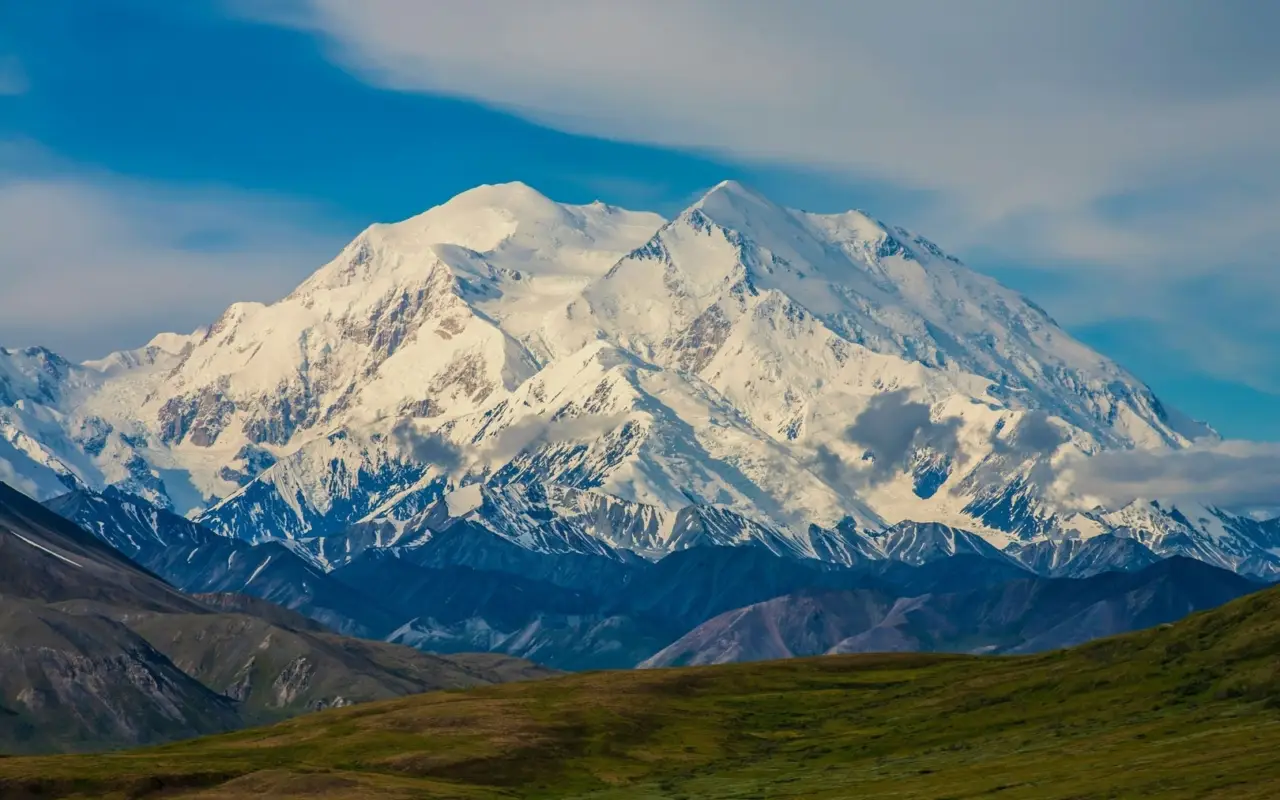
Denali National Park protects more than 6 million acres of subarctic wilderness in central Alaska, surrounding Mount Denali or McKinley (6,190 m), the highest peak in North America. A single 92-mile road runs through the park, but it has been closed beyond mile 43 since 2021 due to the Pretty Rocks landslide. You can spot large wildlife (bears, caribou, moose, Dall sheep, wolves) there, and reach the park from Anchorage (4 hours) or Fairbanks (2 hours). Best time to visit: late May through mid-September.
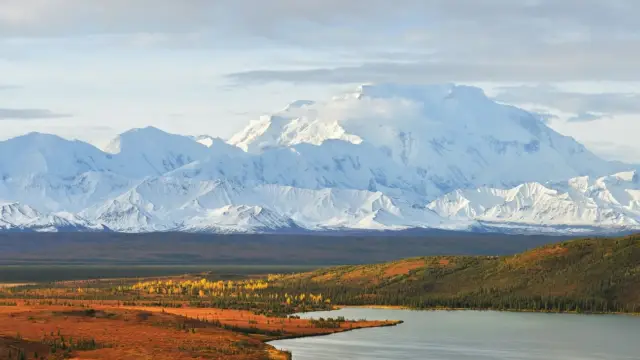
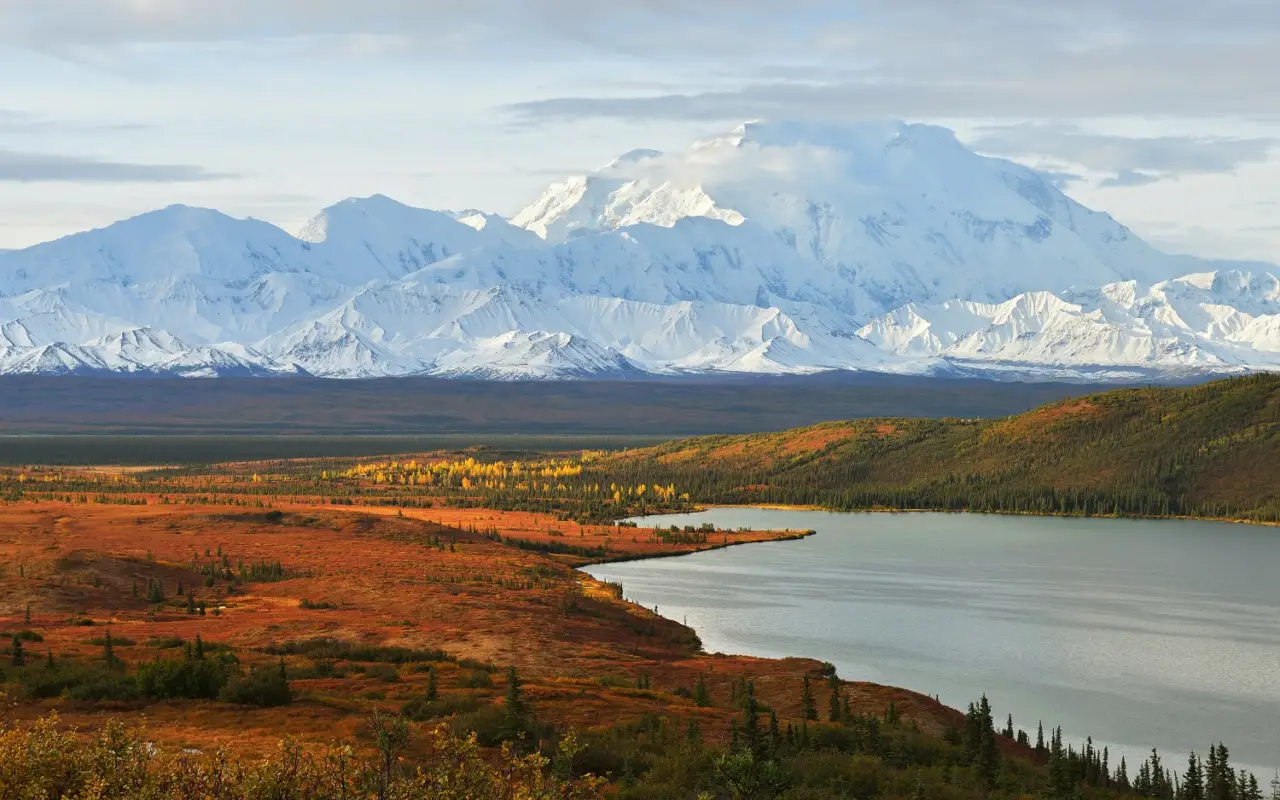
This park alone embodies the image most travelers have of Alaska: a massive mountain reflected in a lake, grizzly bears roaming free, and tundra stretching as far as the eye can see, with no fences or paved roads. Established on February 26, 1917, as Mount McKinley National Park, it is centered around the peak, whose Athabascan name means “the high one” or “the great one.” The park covers more than 6 million acres—an area larger than the state of New Hampshire—and has been designated a biosphere reserve by UNESCO.
Its uniqueness lies in its layout. A single road, the Denali Park Road, runs through the park for 92 miles, and private vehicle access is strictly limited. This restriction, designed to preserve the ecosystem, shapes the entire visitor experience: you explore the area at the pace of the shuttle buses, on foot, and by observing your surroundings, rather than from behind the wheel. This page details what you can see and do, when to visit, how to get there, and where to stay, along with current conditions for the season.
Why visit Denali National Park?
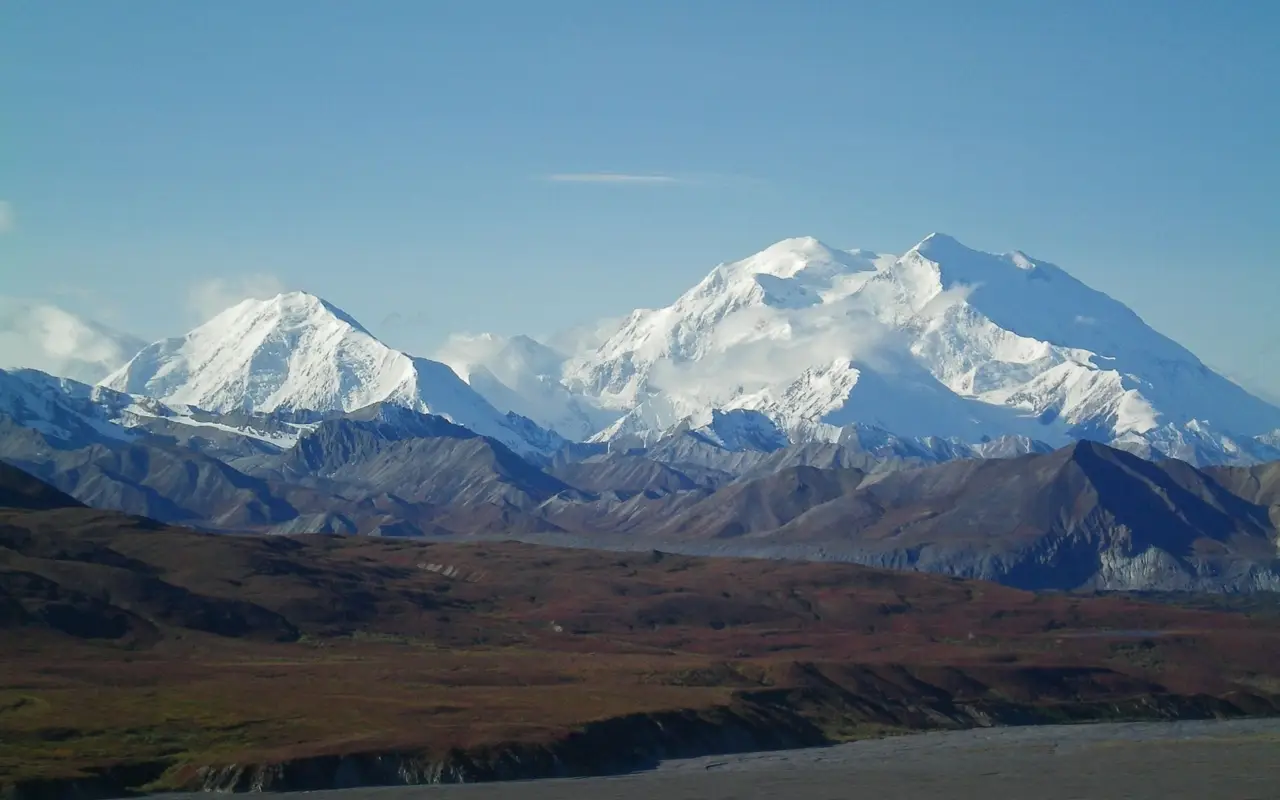
The park combines three features that few other destinations offer: a record-breaking peak, a dense concentration of easily observable wildlife, and virtually untouched wilderness that has been protected for over a century. Mount Denali rises to 6,190 meters (20,310 feet), making it the highest point on the North American continent. The mountain creates its own weather and remains shrouded in clouds for much of the summer, so catching a clear view of it is a matter of luck rather than a guarantee.
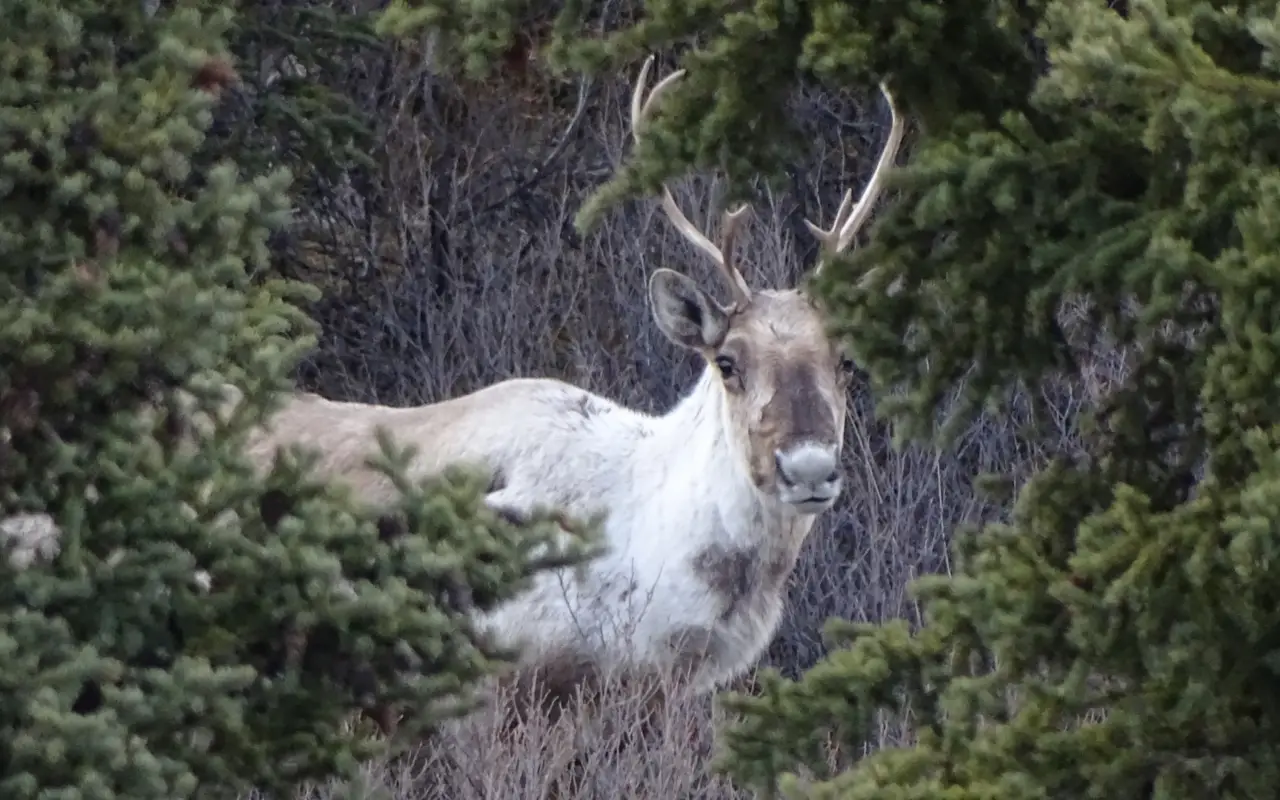
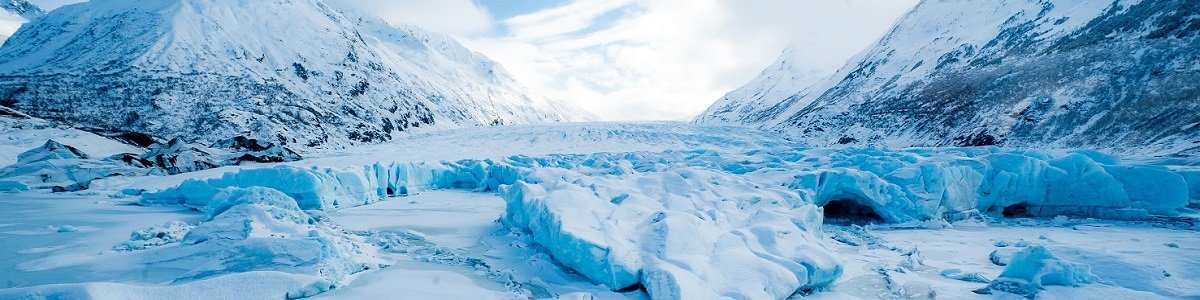
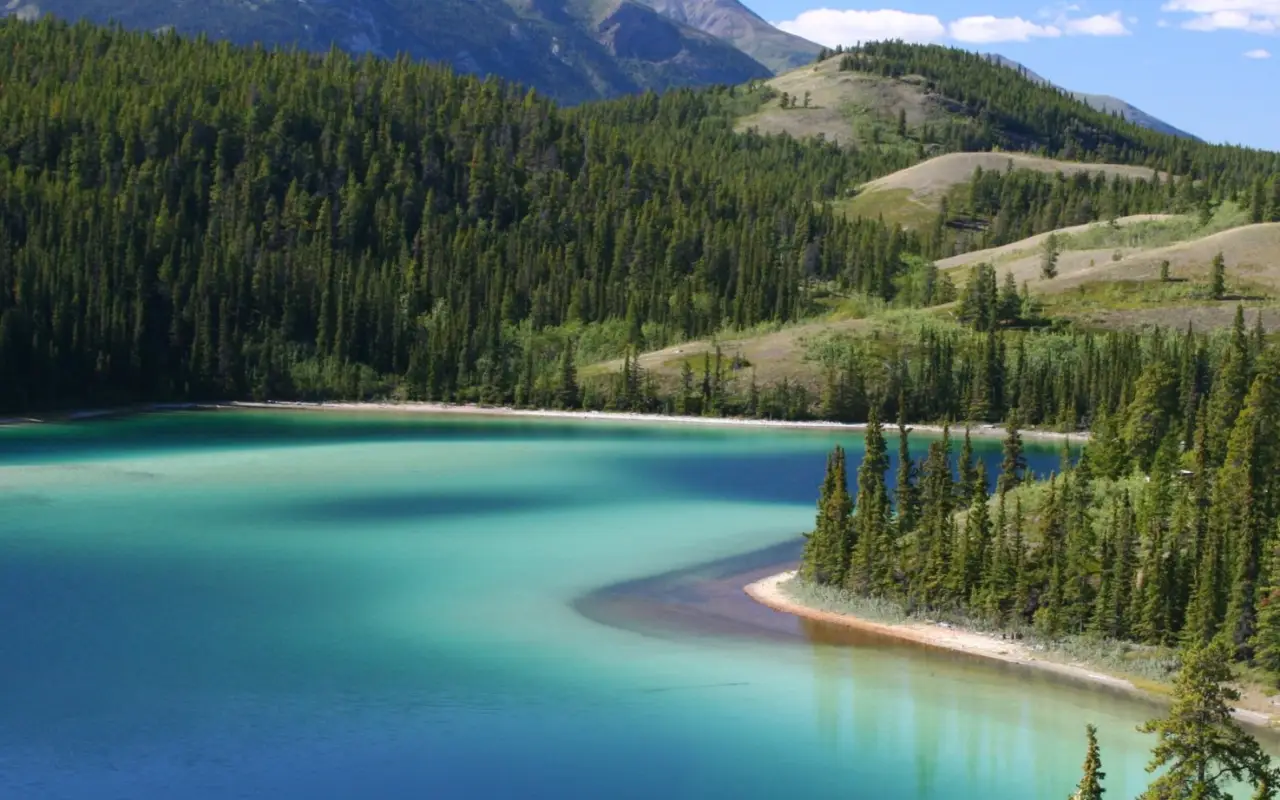
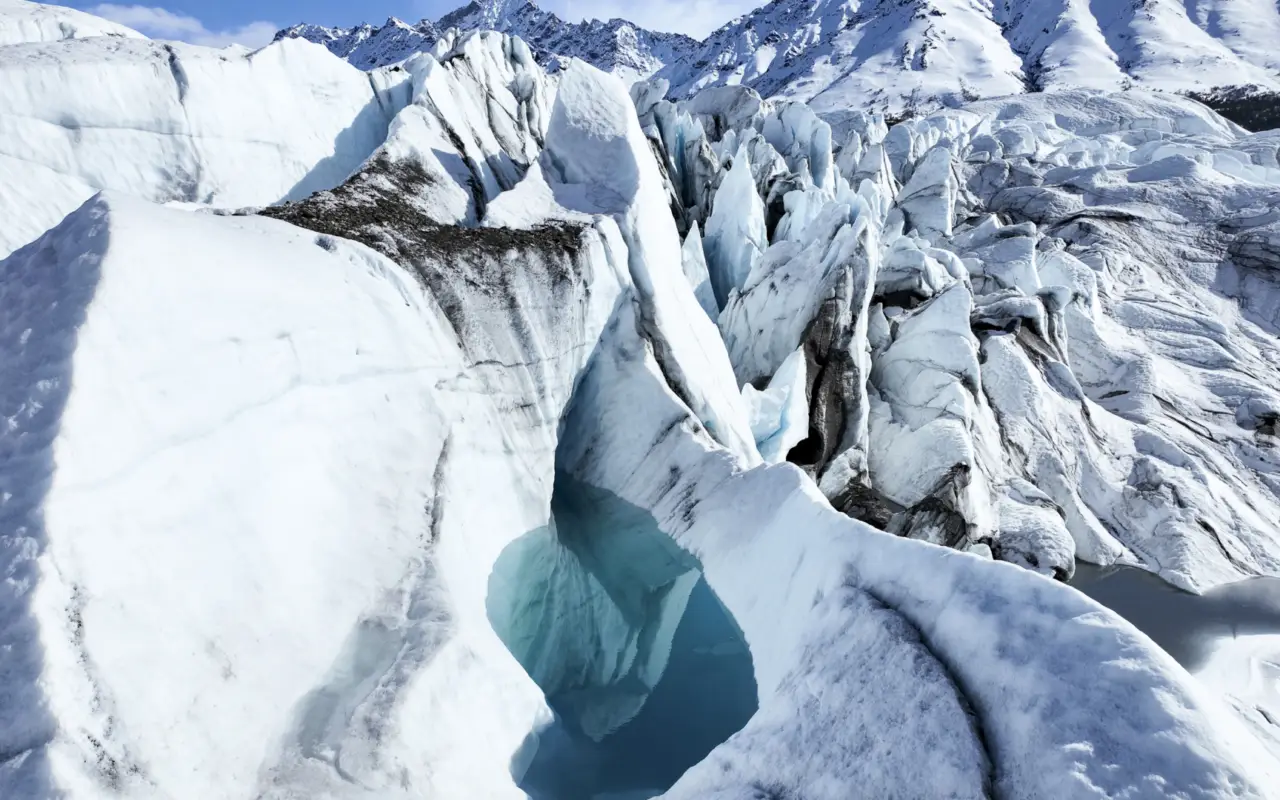
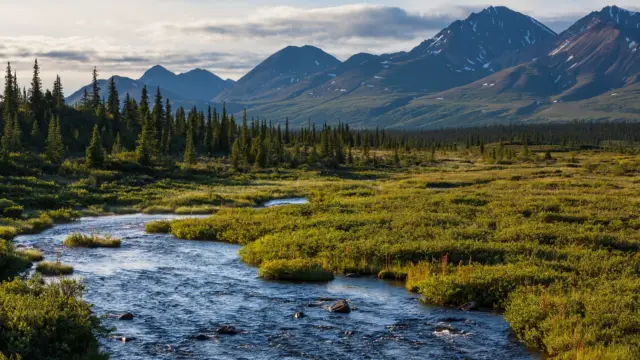
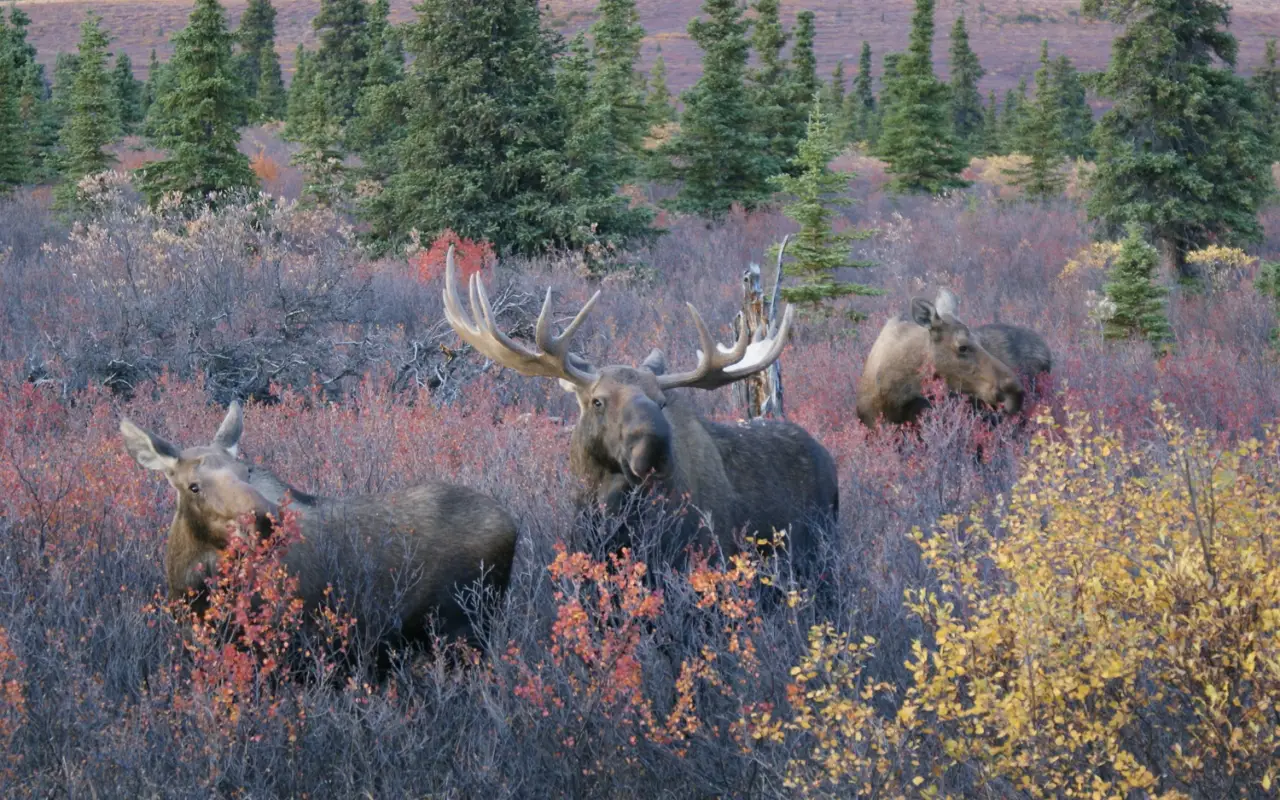
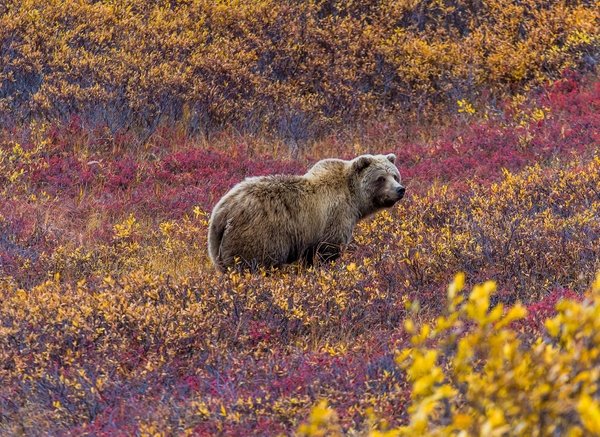
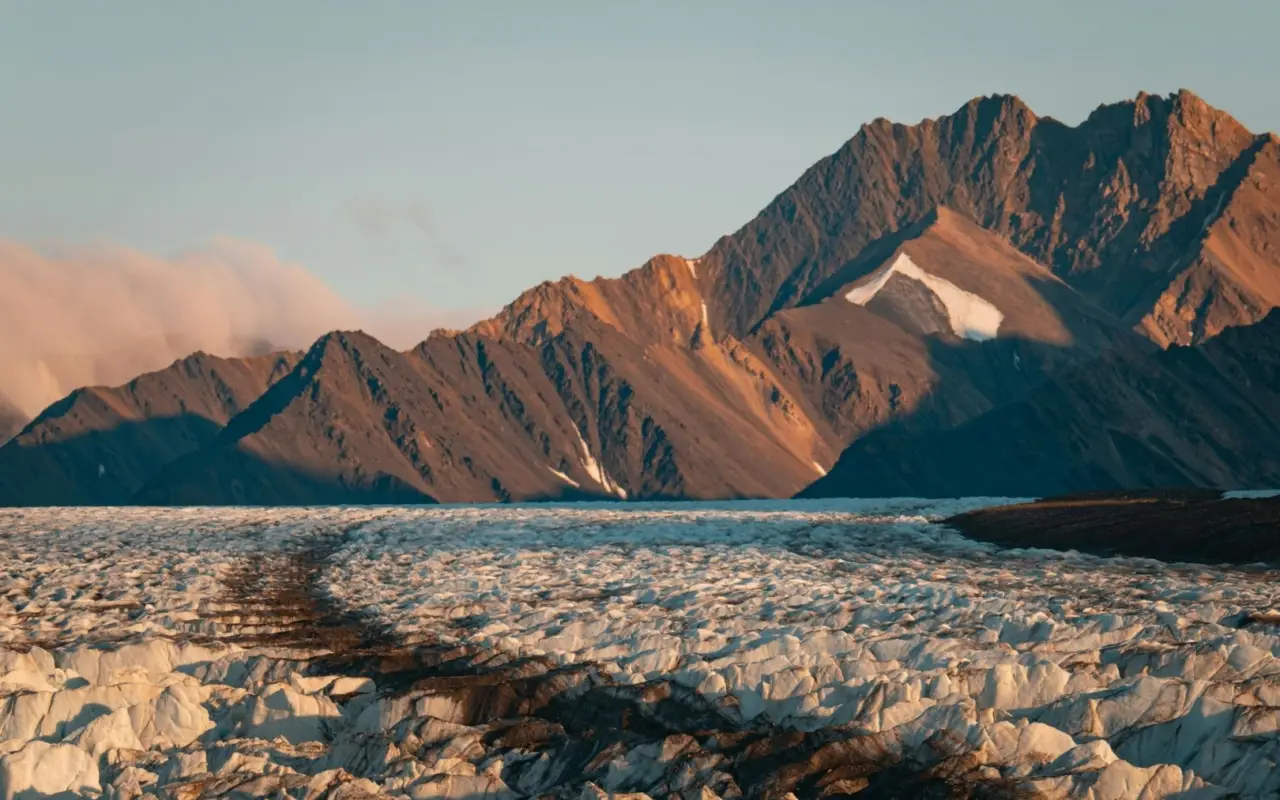
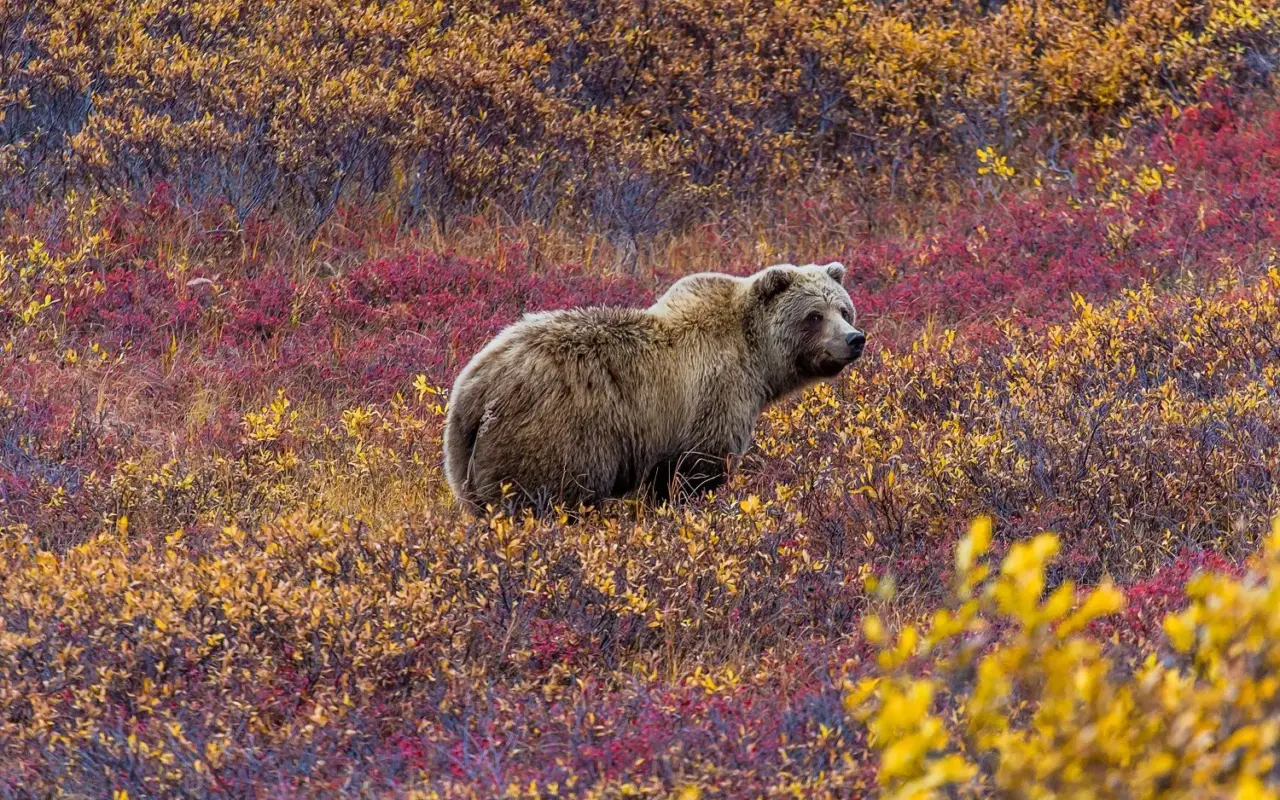
The park is home to 39 species of mammals and 169 species of birds, according to the National Park Service. Travelers come mainly for Alaska’s “Big Five”: the grizzly bear, moose, caribou, Dall’s sheep, and wolf. The shuttle system was specifically designed to allow visitors to observe these animals without disrupting their habitat. Finally, the mountain range remains one of the few subarctic regions where tundra, taiga, and glaciers coexist within a single protected area, traversed by the Kahiltna, the longest glacier in the region.
What to Do in Denali National Park?
Your visit revolves around the Denali Park Road and the entrance area. Here are the activities that make up a typical visit, ranging from the most accessible to the most challenging.
1. Take the shuttle on Denali Park Road
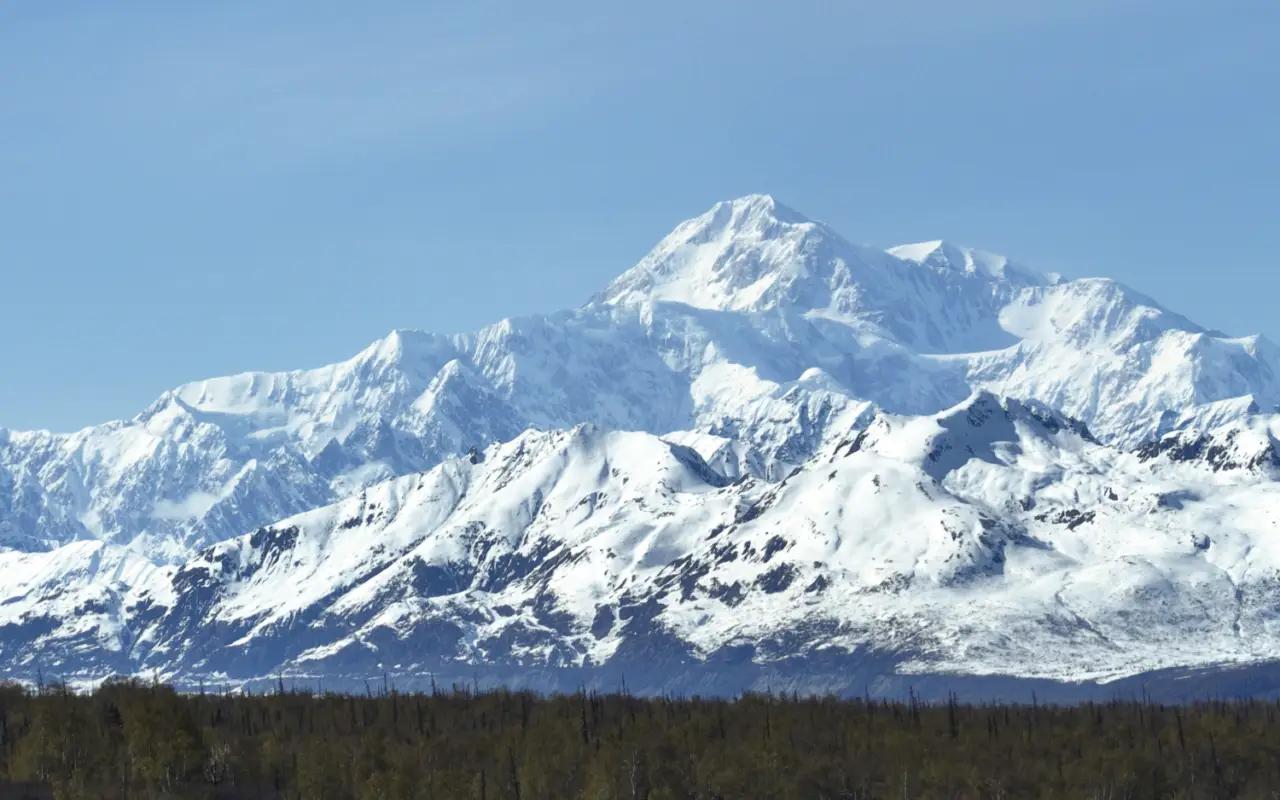
The shuttle is the primary way to enter the park. The green shuttle buses allow you to hop on and off freely along the route to hike or observe wildlife. Drivers are happy to stop when animals are spotted and share their knowledge of the area. In 2026, due to the closure at mile 43, the Tundra Wilderness Tour turns back at mile 42, at Murie Cabin on the East Fork River.
2. Wildlife Viewing
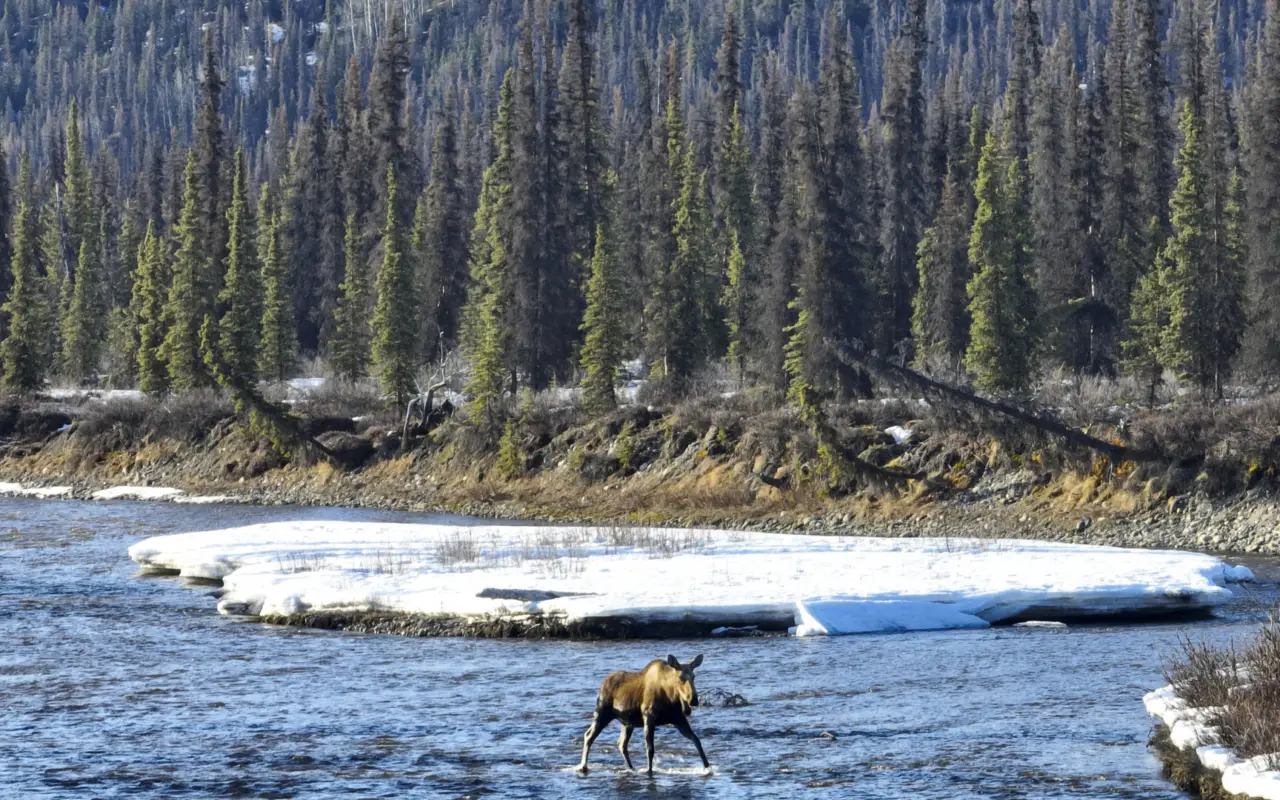
Elk are often seen between the entrance and the Savage River at mile 15. Dall sheep appear on the heights of Igloo Canyon, between miles 28 and 34, as white dots. Grizzly bears and caribou share the same areas and can be spotted along the riverbanks, such as along the Savage River. Binoculars are essential. Check out our article on Alaskan wildlife to prepare for your wildlife viewing.
3. Hiking, on trails or off-trail
The park has few marked trails, most of which are near the entrance: the Horseshoe Lake Trail, which descends to a tranquil lake, or the Savage River Loop Trail. Denali’s main attraction remains backcountry hiking through the tundra. This requires self-sufficiency—bringing your own water and food—and adherence to safety rules regarding wildlife. Overnight stays in the backcountry require a permit and prior orientation.
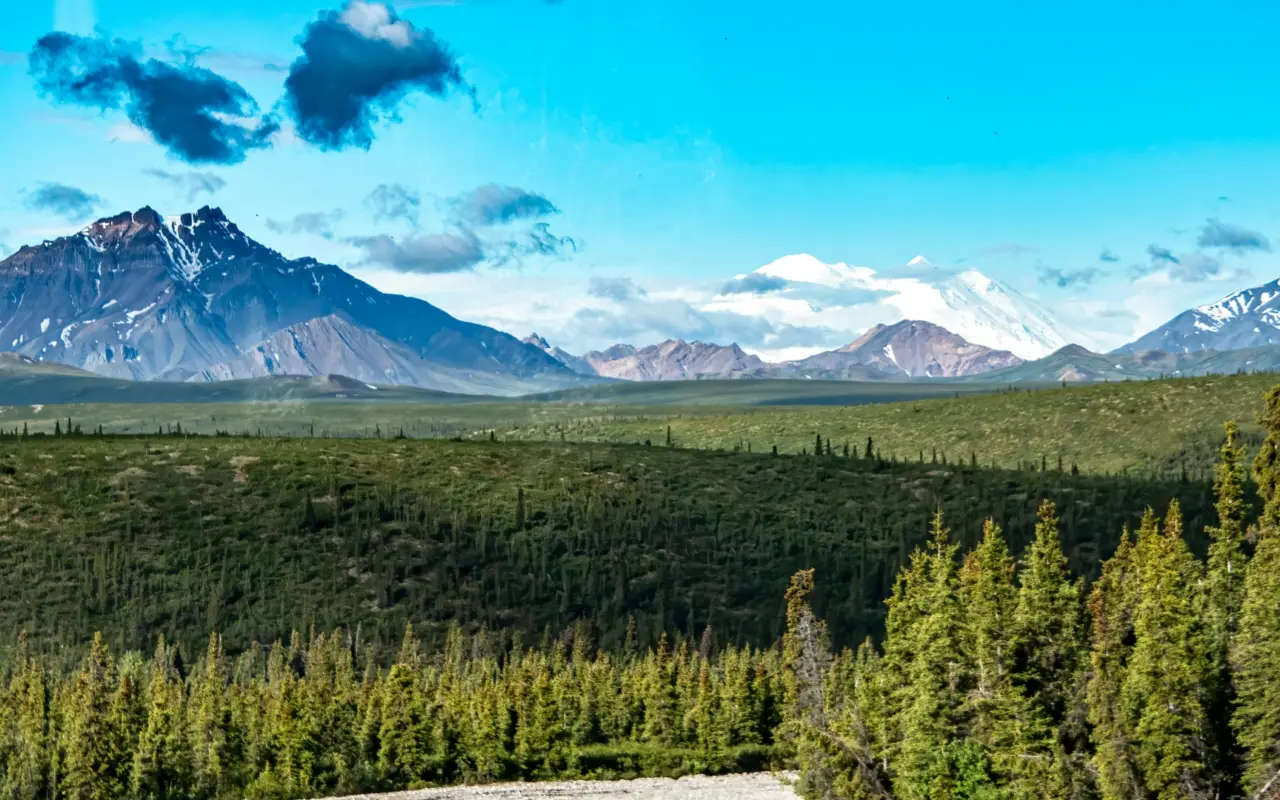
4. Fly over the mountain range
A flight in a small plane, often departing from Talkeetna, reveals the vastness of the mountain range and glaciers, which are invisible from the road. Some packages include a glacier landing, with equipment provided. Since the road closed at mile 43, flying is also the only way to reach Kantishna, at the far end of the park, where a few remote lodges are located.
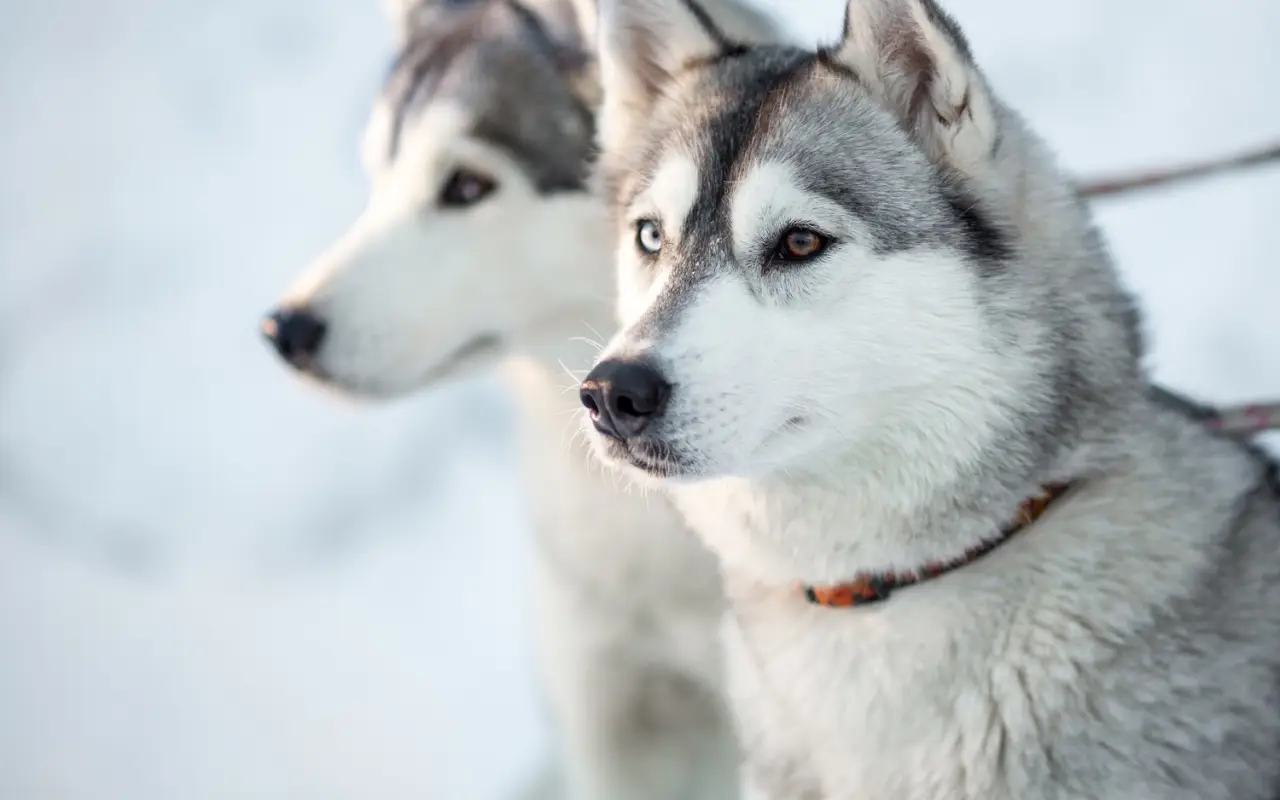
5. Discover the park’s sled dogs
Denali is the only U.S. national park that maintains a sled dog kennel, used for winter patrols in the protected area. In the summer, free demonstrations allow visitors to watch the teams at work. In winter, the park is ideal for dog sledding, cross-country skiing, and snowshoeing in extreme conditions.
When is the best time to visit Denali?
The summer season, from mid-May to mid-September, is when most services and access points are available. This is when the shuttles run, the visitor centers are open, and wildlife is most active. June through August offer the longest days and the best chance of clear views of the mountain, though this is never guaranteed.
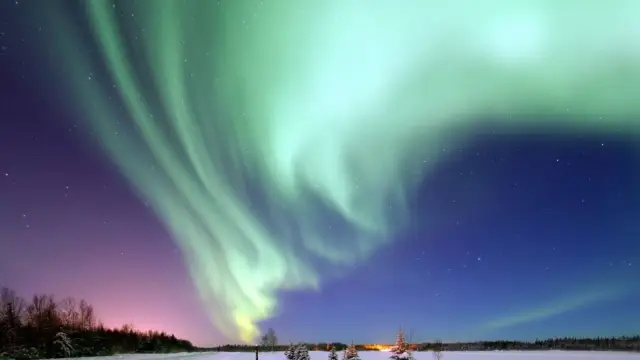
Early fall, in September, brings color to the tundra and marks the return of the first northern lights, before the bitter cold sets in. Winter, from October through April, transforms the park into a playground for dog sledding, skiing, and snowshoeing, amid extreme temperatures and very limited daylight. To plan your trip based on your priorities, check out our detailed guide on when to visit Alaska.
| Period | Conditions | What You Can Do |
|---|---|---|
| Mid-May to mid-September | Summer season, shuttle service available, wildlife active | Shuttle, hiking, wildlife viewing, scenic flights, dog sledding |
| June through August | Long days, up to 20 hours of daylight in June | Maximum access, best chances of seeing the mountain |
| September | Colorful tundra, first Northern Lights | Photography, Northern Lights at the end of the month, wildlife still visible |
| October through April | Extreme cold, limited daylight, unmaintained roads | Dog sledding, cross-country skiing, snowshoeing, Northern Lights |
How do you get to Denali?
The park entrance is located along the George Parks Highway, about a 2-hour drive south of Fairbanks and 4 hours north of Anchorage. Most travelers get there by rental car, which gives them the freedom to set their own pace. The Alaska Railroad offers a comfortable alternative: the Denali Star train connects Anchorage to Fairbanks, stopping at the park’s depot, and runs from mid-May through mid-September.
Important note for 2026: Denali Park Road remains closed beyond mile 43, at the Pretty Rocks landslide. Private vehicles can travel as far as mile 15 (Savage River), and shuttles turn back at mile 43. A steel bridge approximately 475 feet long was built to span the unstable area, at a cost of nearly $100 million. Full shuttle service to Wonder Lake and Kantishna is not expected until 2027. Plan your itinerary around mile 43, not mile 92.
Where to Stay in Denali?
The National Park Service does not operate any lodging facilities within the park. There are four private lodges in Kantishna, at the end of the road at mile 92: Camp Denali, Denali Backcountry Lodge, Kantishna Roadhouse, and Skyline Lodge. Since the road closes at mile 43, these lodges are accessible only by plane. The entrance area, on the other hand, offers traditional hotel accommodations, which should be booked well in advance given the short season.
The park manages six campgrounds, including Riley Creek, which is open year-round. To camp in the backcountry, a permit and orientation are required. Our team can tailor a trip combining hotels in the entrance area with a night at a remote lodge based on your preferences. Check out our unique accommodations in Alaska for inspiration.
| Location | Location | Points of Interest |
|---|---|---|
| Savage River | Mile 15 | End of private vehicle access, moose, loop trail |
| Igloo Canyon | Miles 28–34 | Dall’s sheep sightings on the ridges |
| East Fork River | Mile 43 | Shuttle terminus in 2026, Murie Cabin |
| Eielson Visitor Center | Mile 66 | Views of Mount Denali; reopens with the road in 2027 |
| Wonder Lake | Mile 85 | Reflection of the mountain; expected to open in 2027 |
| Kantishna | Mile 92 | Remote lodges, accessible by plane |
Frequently Asked Questions About Denali
Is the park open in 2026?
Yes, the park is open. The summer season runs from mid-May to mid-September. However, the Denali Park Road remains closed beyond mile 43 due to the Pretty Rocks landslide. Private vehicles can go as far as mile 15, and shuttles run to mile 43.
Why is the Denali Road closed?
The Pretty Rocks landslide, which has been active since the 1960s and has accelerated significantly since 2014, has made the road impassable beyond mile 43. It has been closed since August 2021. A bridge approximately 475 feet long is being built to span the area, with full service expected in 2027.
When is the best time to visit?
From mid-May to mid-September for full access to shuttles and services. June through August offer the longest days. September brings color to the tundra and the first northern lights. Winter is ideal for dog sledding and skiing, though conditions are extreme.
How much does it cost to enter Denali National Park?
Admission is $15 per person aged 16 and older, valid for 7 days. Children under 16 enter for free. The America the Beautiful Pass ($80) is accepted, and a Denali-specific annual pass is available for $45.
Is it guaranteed that you’ll see Mount Denali?
No. The mountain creates its own weather and remains shrouded in clouds for much of the summer. Seeing it clear is a matter of luck. Plan to spend several days there if catching a glimpse of it is a priority, and consider a clear view a bonus.
What animals can you see in the park?
The park is home to Alaska’s “Big Five”: grizzly bears, moose, caribou, Dall’s sheep, and wolves. It is home to 39 species of mammals and 169 species of birds. Moose can be seen near the Savage River, Dall’s sheep in Igloo Canyon, and grizzly bears and caribou along the riverbanks.
How do you get to Denali from Anchorage or Fairbanks?
The park is about a 4-hour drive north of Anchorage and 2 hours south of Fairbanks, along the George Parks Highway. The Alaska Railroad’s Denali Star train also serves the park’s depot from mid-May through mid-September.
Where to stay in the park?
The park does not operate any lodging facilities. Four private lodges are located in Kantishna, accessible by plane once the road is closed. The entrance area is where most traditional lodging options are concentrated. The park manages six campgrounds, including Riley Creek, which is open year-round.
Last updated: August 18, 2026.
About Terra Alaska
Terra Alaska is a local travel agency specializing in custom trips to Alaska and a member of the Terra Panamerica network. Our team designs itineraries tailored to each traveler, from exploring national parks to winter expeditions under the Northern Lights.
Contact us to plan your trip or explore our suggested itineraries.
Sources
National Park Service (Denali National Park and Preserve, Polychrome Area Plan, Pretty Rocks Landslide); UNESCO (biosphere reserve); Alaska Railroad.