Kodiak Island, the second-largest island in the United States, is located in the Gulf of Alaska, in the southwestern part of the state. It is home to the world’s largest populationof Kodiak brown bears —approximately 3,500 bears—which are protected by the Kodiak National Wildlife Refuge. Visitors can watch the bears catch salmon, go king crab fishing, and explore Alutiiq culture. Access by plane from Anchorage. Best time to visit: June through September.
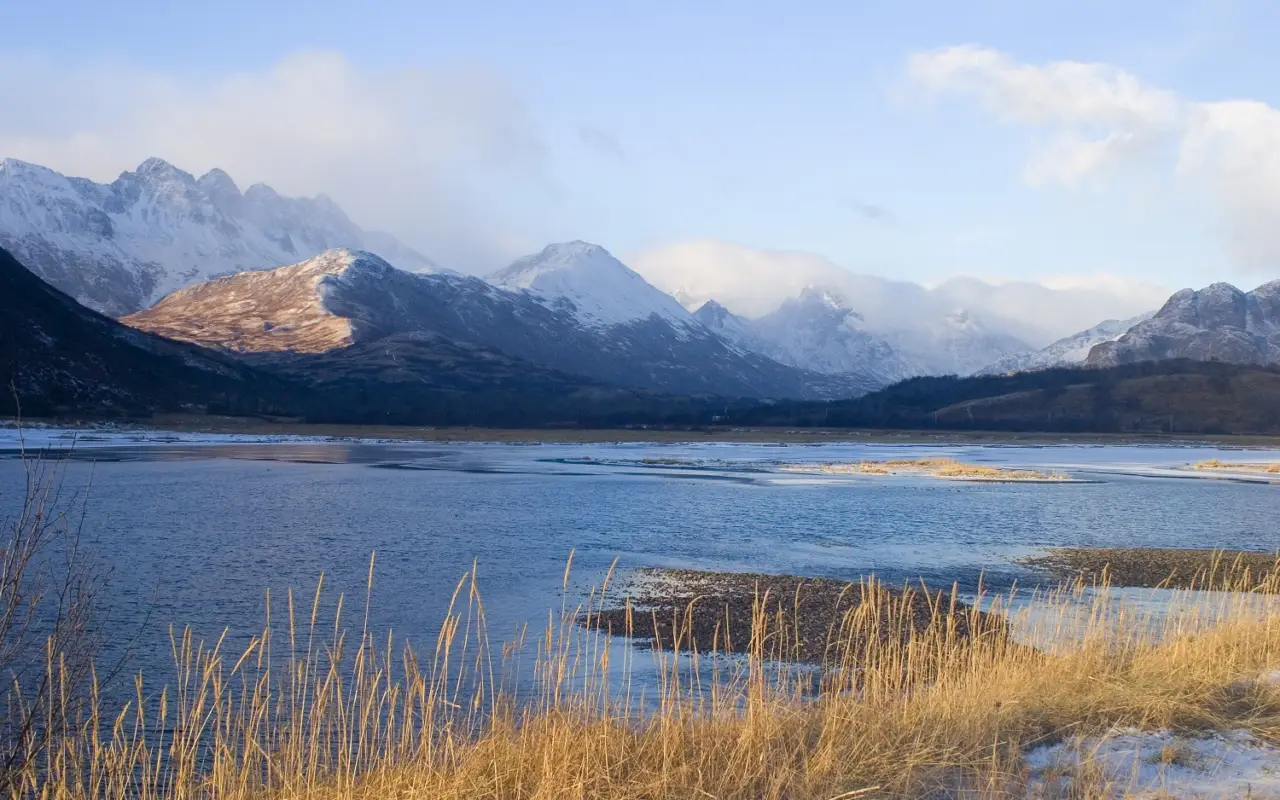
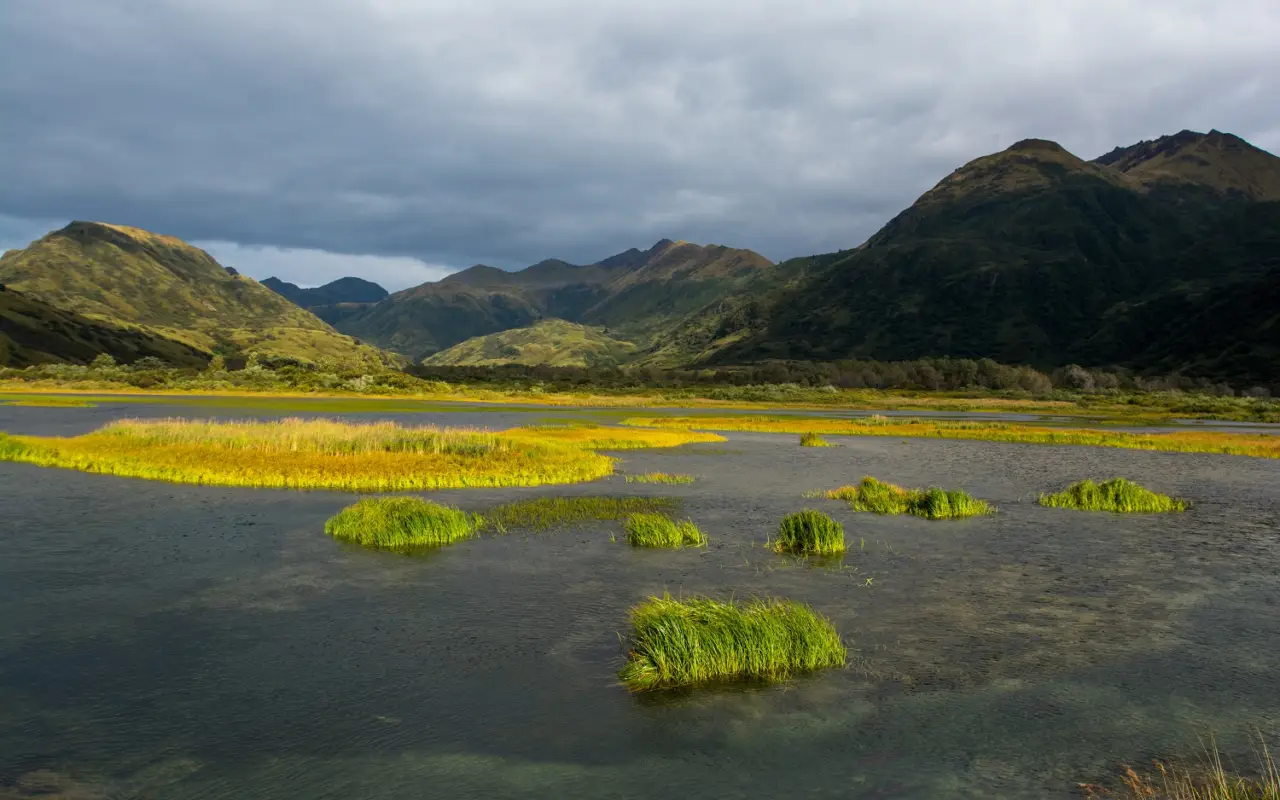
Kodiak Island extends the Aleutian Range into the Gulf of Alaska, about an hour’s flight from Anchorage. 160 kilometers long, mountainous, and indented with fjords, it is one of the state’s wildest destinations. The city of Kodiak, the main fishing port and home to a Coast Guard station, is the hub for tourist services.
The island owes its fame to its Kodiak brown bears—a giant subspecies—and to the Kodiak National Wildlife Refuge, which covers nearly two-thirds of the island. It also boasts a rich Alutiiq and Russian heritage. This page provides details on bear watching, access, seasons, and other things to discover on the island.
Why visit Kodiak Island?
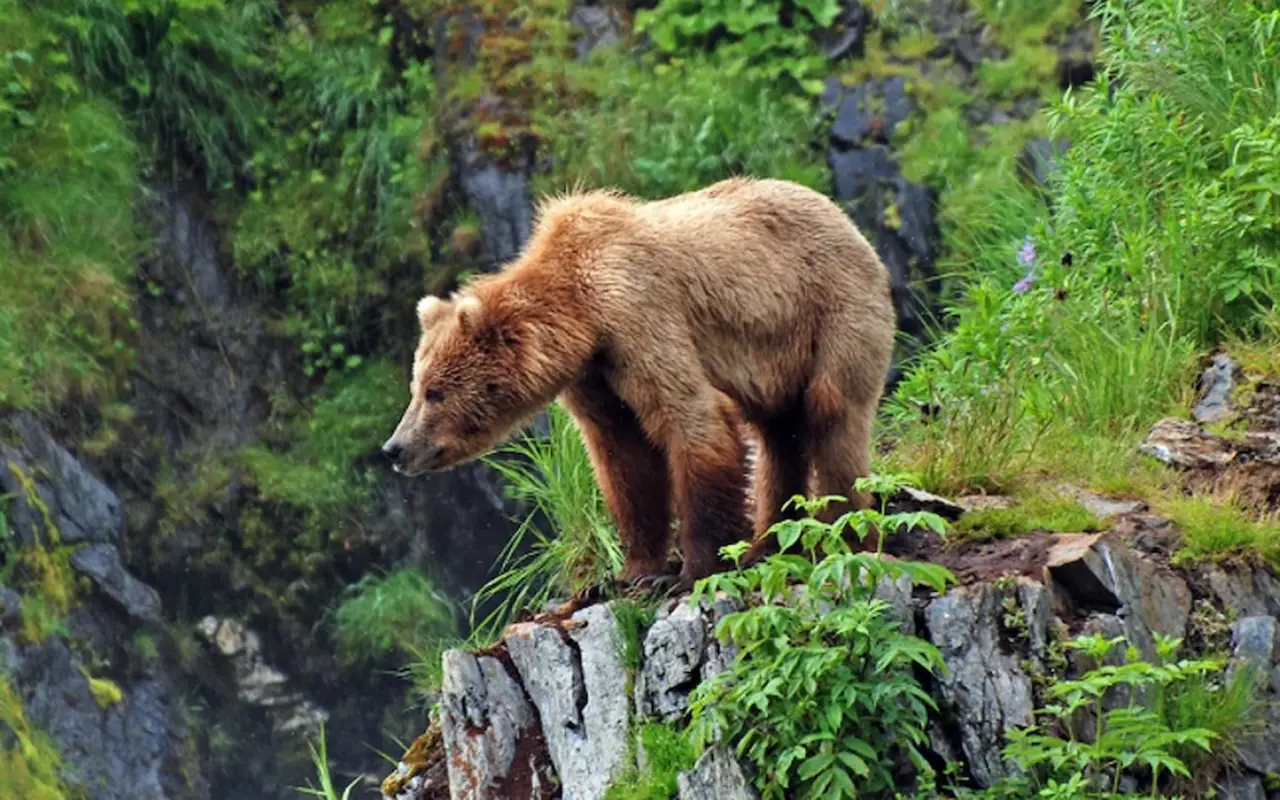
Kodiak offers the chance to observe the world’s largest brown bears in a pristine, uncrowded setting. The Kodiak bear subspecies, genetically isolated for millennia, is among the most impressive on the planet. The Kodiak National Wildlife Refuge, established in 1941, protects some 3,000 of these giants across a vast expanse.
The island offers a less expensive and more diverse alternative to trips to Katmai or Lake Clark. Beyond the bears, it offers renowned fishing for king crab and salmon, a vibrant Alutiiq culture, a Russian heritage, and abundant marine life. Kodiak rewards travelers seeking wilderness and authenticity.
What to Do on Kodiak Island?
Here are the top experiences, from bear watching to local culture.
1. Watch the Kodiak bears
Kodiak brown bears gather along salmon-rich rivers in the summer. The best viewing sites are accessible by seaplane from the city of Kodiak to remote lodges such as the Kodiak Brown Bear Center. The peak viewing season runs from mid-August to late September, with specialized guides.
2. Fishing for Salmon and King Crab
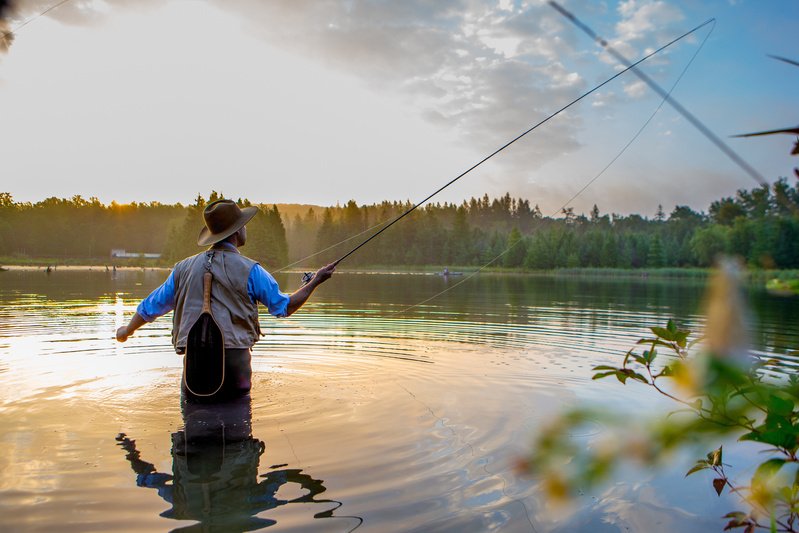
Kodiak is one of the largest fishing ports in the United States. The island has many rivers where you can fish for all five species of Pacific salmon, as well as halibut offshore. King crab is what the area is famous for. Guided tours, on foot or by boat, are organized from the harbor.
3. Discover Alutiiq Culture
The Alutiiq people have inhabited Kodiak for millennia. The Alutiiq Museum and the Baranov Museum—housed in the oldest Russian building on U.S. soil (1808)—tell this story. The Orthodox church stands as a testament to the Russian presence, which began with sea otter hunting in the 18th century.
4. Explore Fort Abercrombie
Fort Abercrombie State Park, north of the city, preserves remnants of World War II amid coastal forests and cliffs. The trails offer ocean views and opportunities to spot wildlife. A great alternative to bear watching on rainy days.
When is the best time to visit the island?
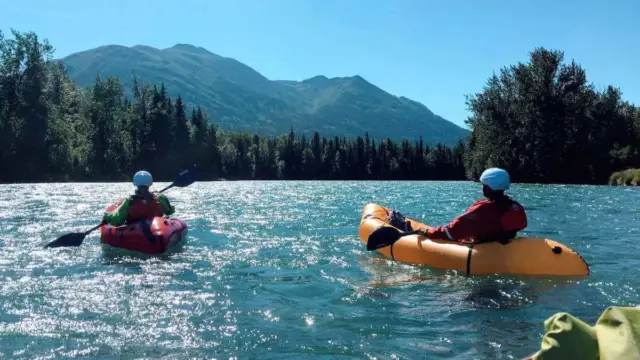
The season runs from June through September, offering full access to bear watching, fishing, and kayaking. The peak time for bear watching is from mid-August through late September, during the salmon run, when bears fish in the rivers.
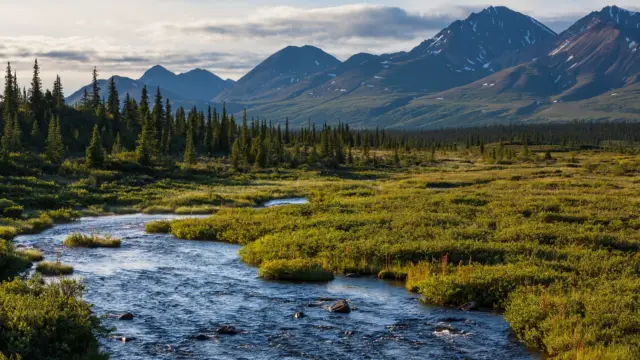
The temperate oceanic climate makes the island accessible for much of the year, with frequent rain that keeps its vegetation lush and green—hence its nickname, the “Emerald Isle.” Check out our guide on when to visit Alaska.
| Period | About Us | Activities |
|---|---|---|
| June through July | Bears found along the coast | Fishing, kayaking, hiking |
| Mid-August through September | Peak season, salmon in the rivers | Bear watching by seaplane |
| October through May | Hibernation | Limited access; fishing depends on weather conditions |
How do you get to the island?
A scheduled flight connects Anchorage to Kodiak in about 1 hour. This is the fastest way to get there. The Alaska Marine Highway ferry also serves the island from Homer, taking about 9 hours during peak season, for travelers who wish to bring a vehicle.
From the city of Kodiak, bear-viewing sites are accessible by seaplane, heading to remote rivers and lodges. Weather can cause flight delays, so it’s wise to allow for extra time. Most tourist services are concentrated in the city.
Where to Stay on Kodiak Island?
The town of Kodiak is home to a variety of hotels and B&Bs, serving as a convenient base for organizing excursions. Facing the harbor, you can watch the fishing boats and sea lions. The wildlife refuge’s visitor center helps you plan wildlife-viewing trips.
For a truly immersive experience, secluded lodges like the Kodiak Brown Bear Center—accessible only by seaplane—welcome a small number of guests in the heart of nature. Our team organizes stays in town and extended stays at lodges. Discover our wildlife experiences in Alaska.
Frequently Asked Questions About Kodiak Island
Where is the island located?
Kodiak Island is located in the Gulf of Alaska, in the southwestern part of the state, about a 1-hour flight from Anchorage. It is the second-largest island in the United States after Hawaii’s Big Island and forms an extension of the Aleutian Range. It can be reached by plane or by ferry via the Alaska Marine Highway.
How many bears live on the island?
The island is home to approximately 3,500 Kodiak brown bears, one of the largest subspecies in the world. The Kodiak National Wildlife Refuge, established in 1941, protects the majority of them and covers nearly two-thirds of the island, with some 3,000 bears living within the refuge.
When is the best time to see the bears?
The peak viewing season runs from mid-August to late September, during the salmon run, when the bears fish in the rivers. Access to the best sites is by seaplane, often to remote rivers, with specialized guides.
How do you get to the island?
A scheduled flight connects Anchorage to Kodiak in about 1 hour. The Alaska Marine Highway ferry also serves the island from Homer (about 9 hours) during peak season. Bear-viewing sites are then reached by seaplane from the town of Kodiak.
What is Alutiiq culture?
The Alutiiq are the indigenous people of Kodiak, who have lived there for millennia. You can learn about their culture at the Alutiiq Museum and the Baranov Museum, housed in the oldest Russian-built structure on U.S. soil (1808). The Russian heritage is still evident in the Orthodox church.
Can you go fishing on the island?
Yes. Kodiak is one of the largest fishing ports in the United States, renowned for king crab and salmon. The island has numerous rivers where you can fish for all five species of Pacific salmon, as well as halibut offshore, often on guided trips.
When is the best time to visit the island?
From June through September for full access to bear watching, fishing, and kayaking. The peak season for bear watching is from mid-August through September. The temperate oceanic climate makes the island accessible for much of the year, though rain is frequent.
What else is there to see besides bears?
In addition to the bears, visitors can explore Fort Abercrombie State Park and its World War II relics, the Alutiiq Museum, the Baranov Museum, and the Russian Orthodox Church. The waters are home to humpback whales, orcas, sea lions, and puffins, which can be spotted on boat tours.
Last updated: August 18, 2026.
About Terra Alaska
Terra Alaska is a local travel agency specializing in custom trips to Alaska and a member of the Terra Panamerica network. Our team designs itineraries tailored to each traveler, from national parks to winter expeditions under the Northern Lights. Discover our expertise as a local inbound travel agency.
Contact us to plan your trip or explore our itinerary ideas.
Sources
U.S. Fish and Wildlife Service (Kodiak National Wildlife Refuge); Travel Alaska (Kodiak); Alutiiq Museum; Alaska Marine Highway System.