Juneau, the capital of Alaska, lies onthe Inside Passage, nestled against the mountains and the Juneau Icefield. Unusually, no roads connect it to the rest of the state: it can only be reached by boat or plane. It offers access to the Mendenhall Glacier, Tracy Arm Fjord, and humpback whale watching. Season: May through September.
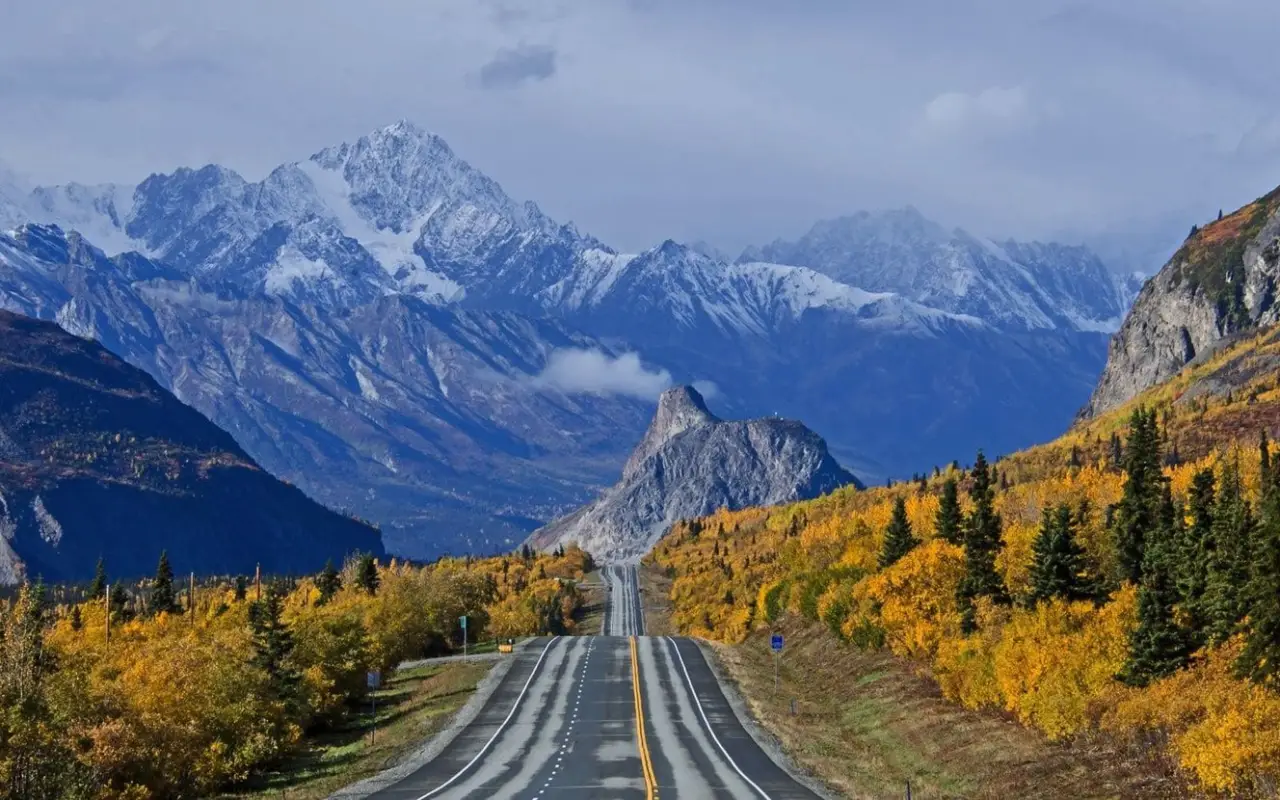
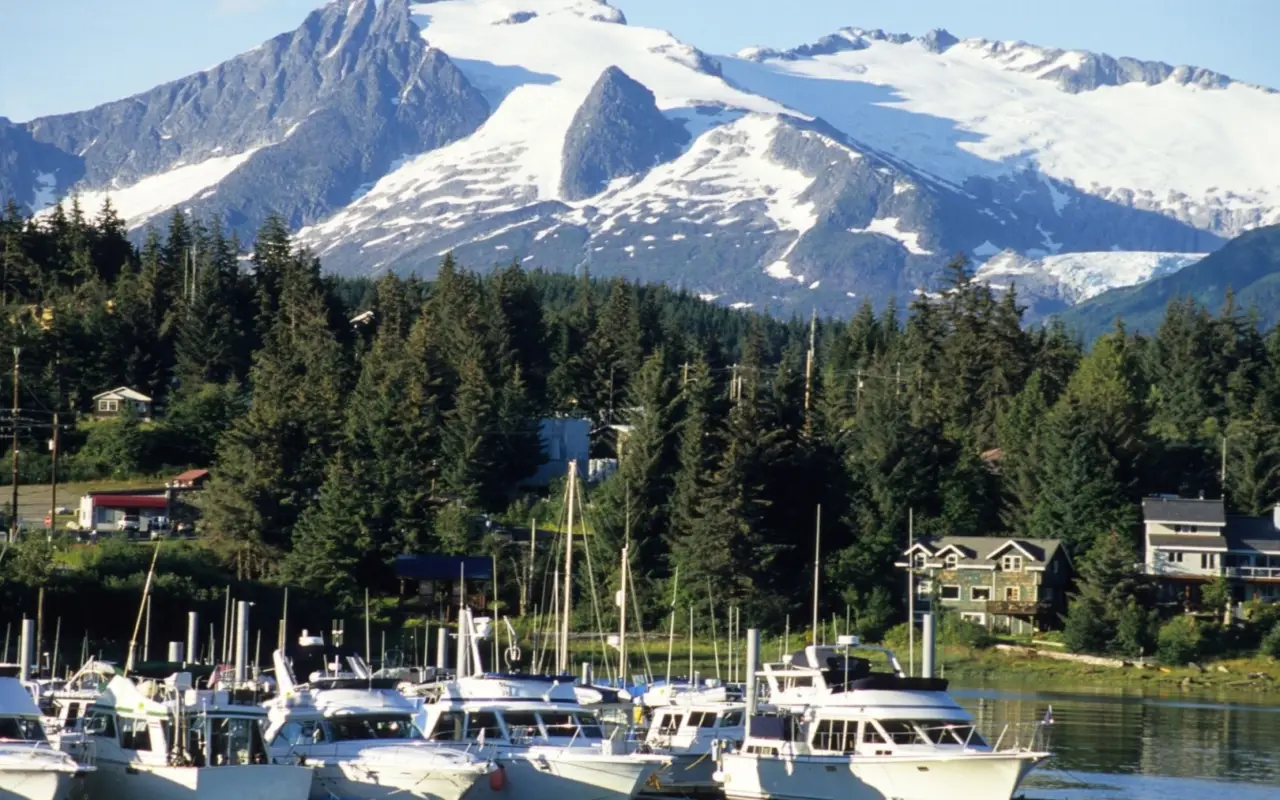
Juneau occupies a unique location: as the capital of Alaska, it is nestled against the Juneau and Roberts Mountains and the vast Juneau Icefield, with no roads connecting it to the rest of the state. It is accessible only by boat or plane; even residents must transport their cars by ferry. The city combines its administrative role with a wild natural setting.
A major stop onthe Inside Passage, Juneau provides access to the Mendenhall Glacier, just a few miles from downtown, Tracy Arm Fjord, and waters teeming with humpback whales. The State Museum, the State Capitol, and the Mount Roberts tram round out the attractions. This page provides details on activities, seasons, and how to get there.
Why visit Juneau?
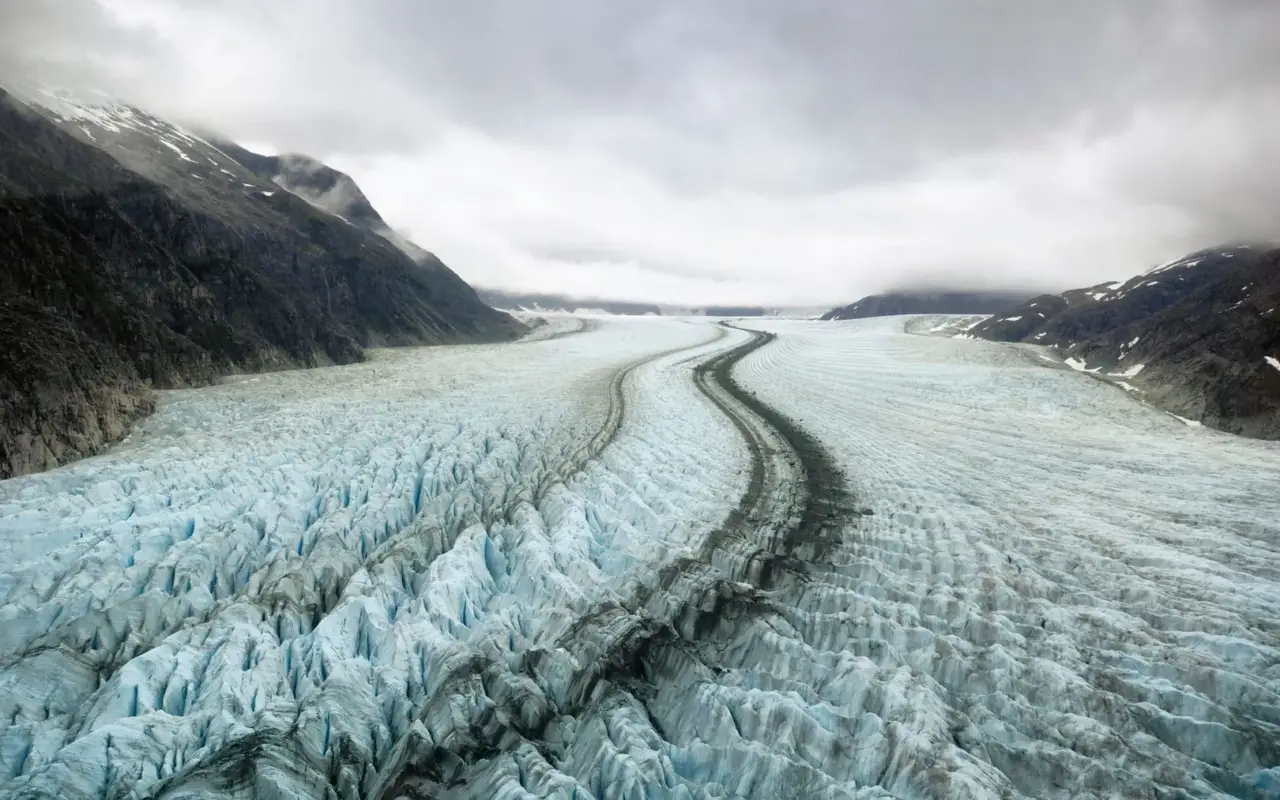
Juneau combines a roadless capital city, an accessible glacier, and abundant marine wildlife—a rare combination. The Mendenhall Glacier, just a few miles from downtown, flows down from the Juneau Icefield and can be explored on foot, by kayak, or by helicopter. Few cities offer such a glacier within easy reach.
The city also serves as a gateway to the wonders ofthe Inside Passage: Tracy Arm Fjord and its tidewater glaciers, the humpback whale waters of the southeast, and the Tongass National Forest. Its historic downtown, shaped by the gold rush, features the State Museum, the State Capitol, and the Mount Roberts tram. Juneau combines spectacular nature with cultural discovery.
What to Do in Juneau?
Here are the experiences that make a trip memorable, from glaciers to whales.
1. Visit the Mendenhall Glacier
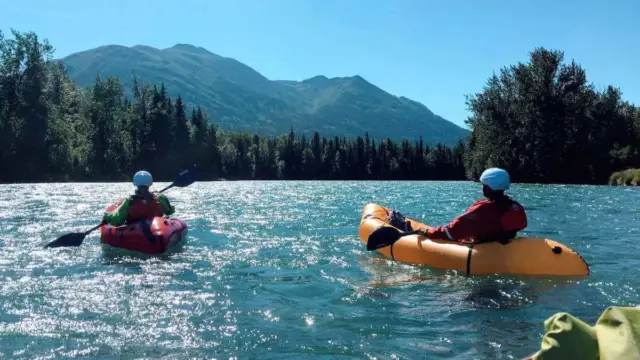
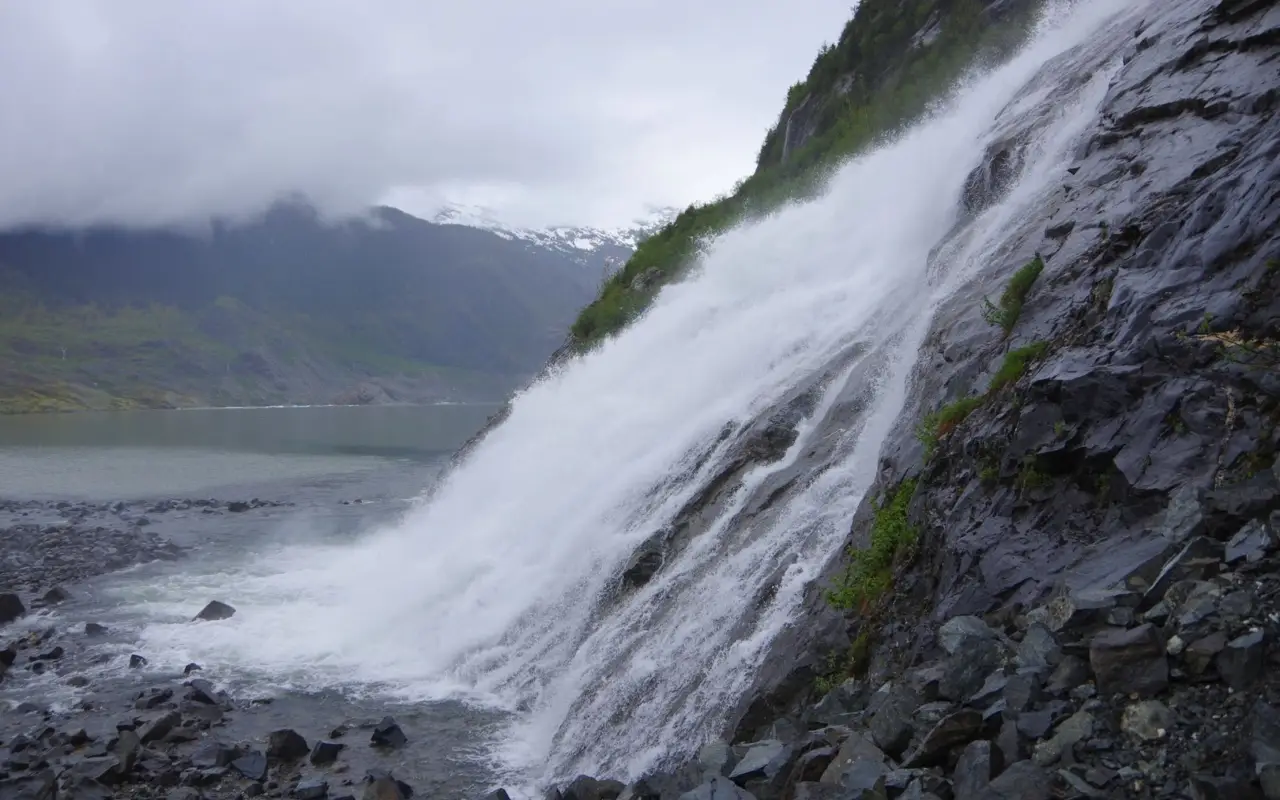
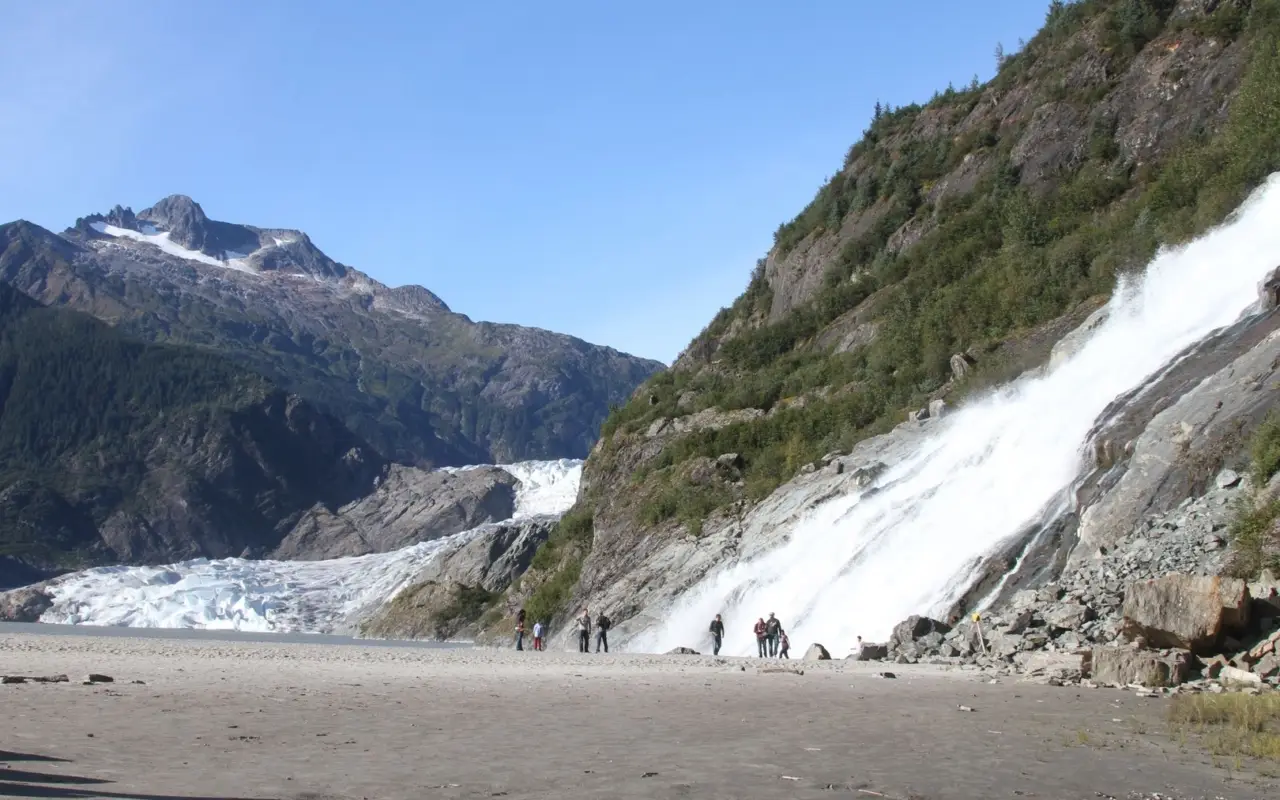
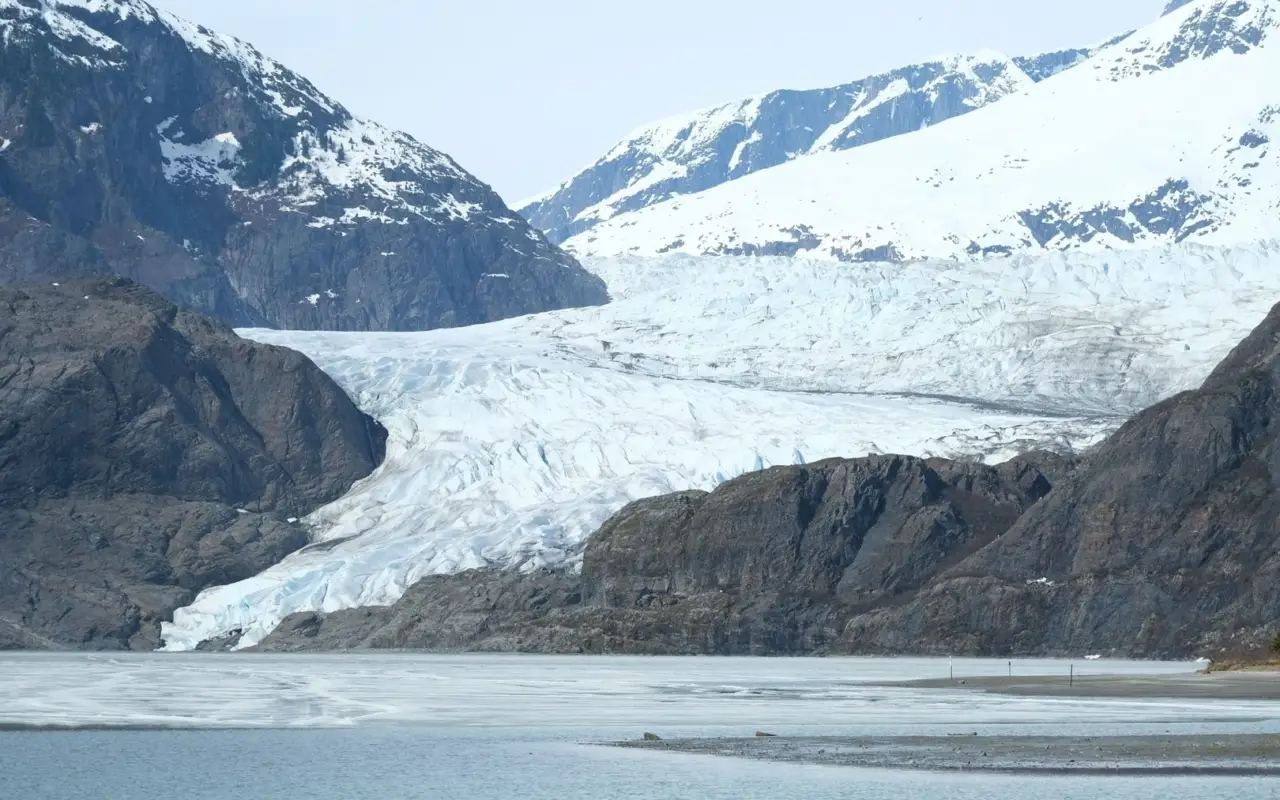
The Mendenhall Glacier, a few miles from downtown, is Juneau’s top attraction. A visitor center, trails, and overlooks provide easy access to it. You can also explore it by kayak on its glacial lake or by helicopter, sometimes with a landing on the ice.
2. Cruising through Tracy Arm
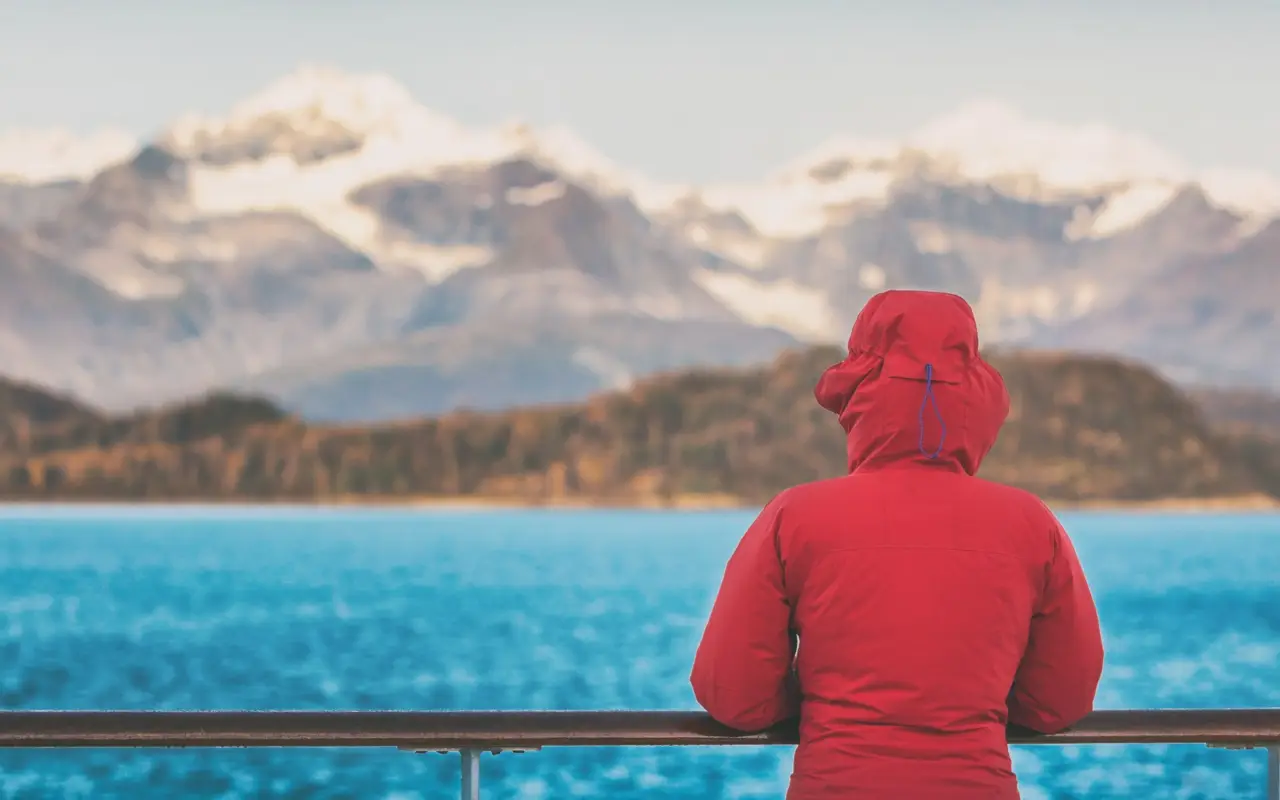
Tracy Arm Fjord, south of Juneau, features steep cliffs, waterfalls, and the Sawyer Glaciers. Day cruises navigate among the icebergs, at the foot of glacier fronts that calve into the water, while passengers observe seals, seabirds, and sometimes bears on the shores.
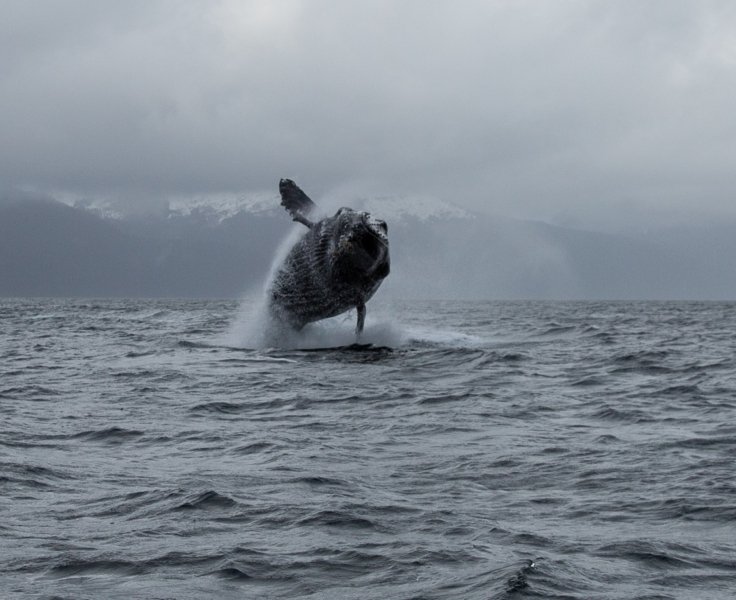
3. Humpback Whale Watching
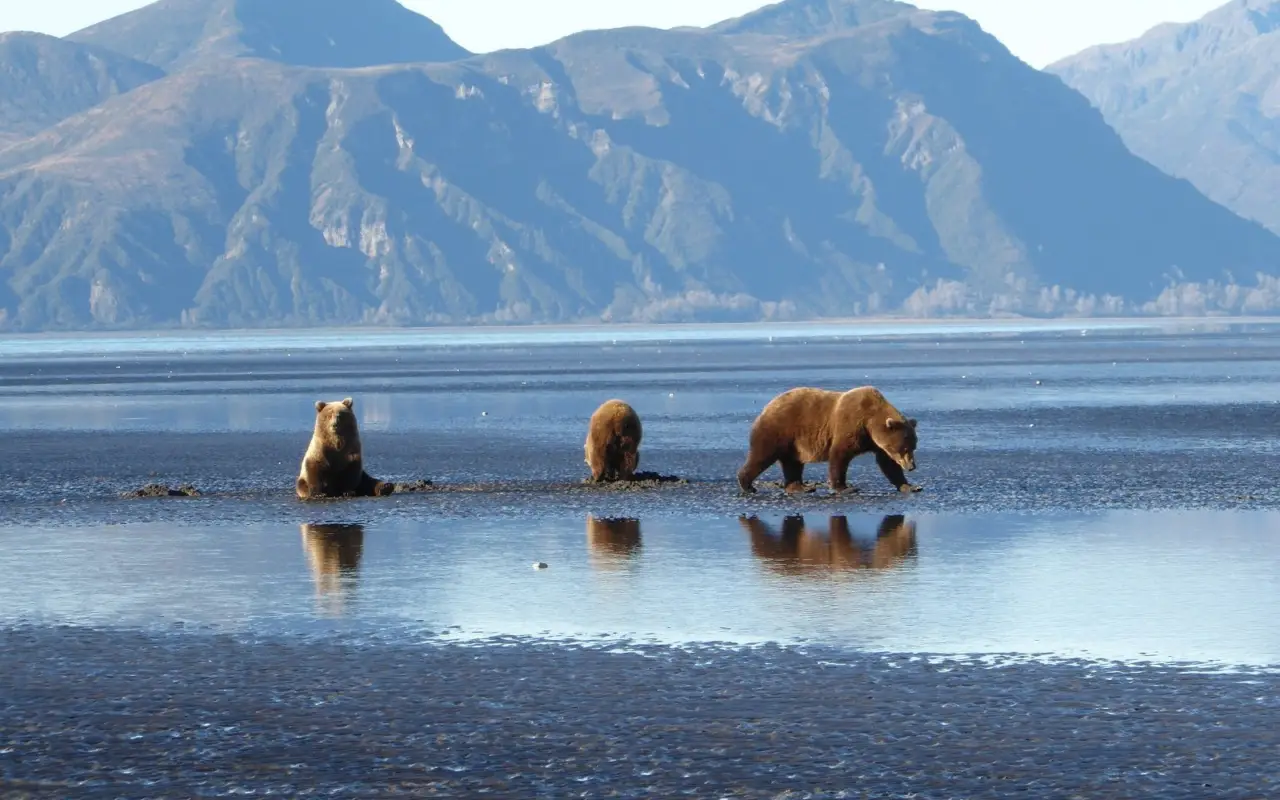
The waters around Juneau are among the best inthe Inside Passage for humpback whale watching from May through September. Specialized whale-watching tours, often in Stephens Strait, also offer opportunities to see orcas, sea lions, and bald eagles, with the highest numbers seen in the summer.
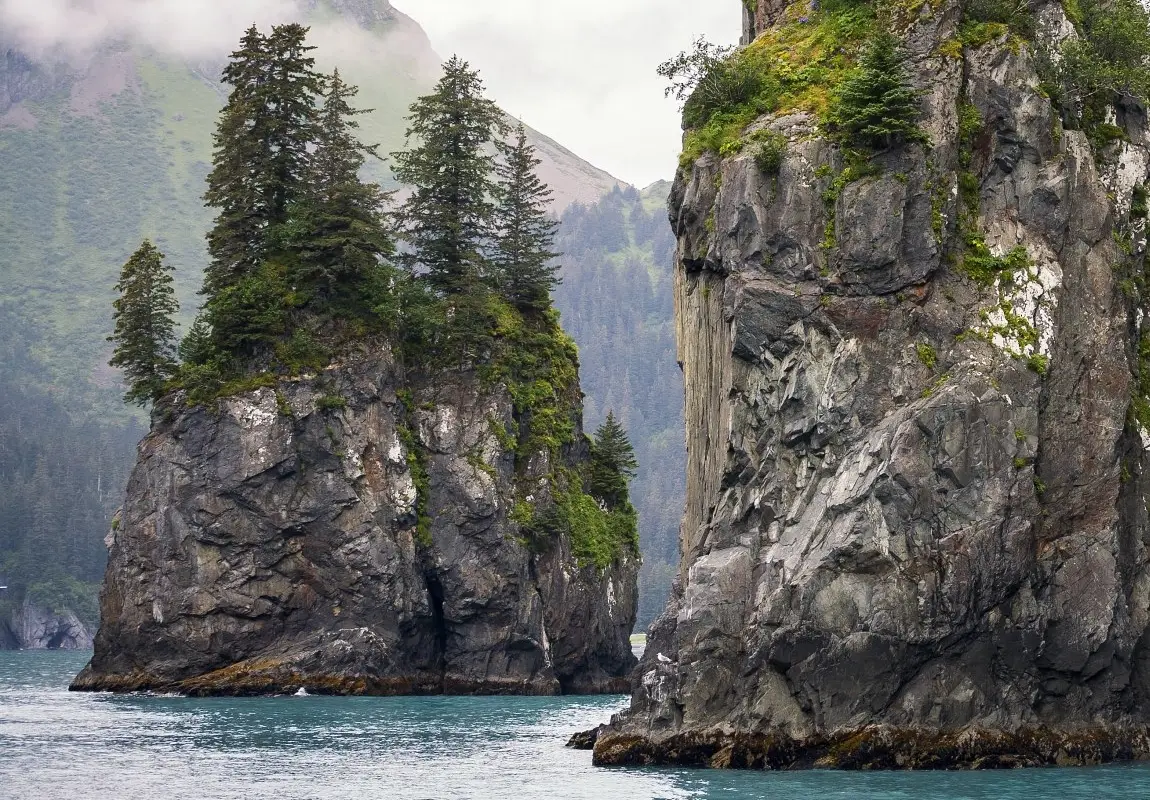
4. Hike up Mount Roberts
The Mount Roberts tram, departing from downtown, climbs above the city to offer panoramic views of the Gastineau Channel and the Inside Passage. At the top, hiking trails, a nature center, and scenic views round out the visit. The historic district, shaped by the gold rush, can then be explored on foot.
When is the best time to go?
The cruise and excursion season runs from May through September, when the weather is milder and the days are longer. June and July offer the best chances to see active humpback whales. The oceanic climate sustains a rainforest: rain is part of the experience, especially at the beginning and end of the season.
July and August are the most stable months for approaching the Mendenhall Glacier and cruising through Tracy Arm. Check out our guide on when to visit Alaska and our page onthe Inside Passage.
| Period | Terms and Conditions | Activities |
|---|---|---|
| May | Early season, low rates | Mendenhall, first whales |
| June through July | High season, long days | Peak whale season, Tracy Arm |
| August | Stable weather | Glaciers, cruises, hiking |
| September | End of season, rain | Wildlife still present, quiet |
How do you get there?
Since there are no roads, you can reach Juneau by plane from Anchorage or Seattle, or by sea. The Alaska Marine Highway ferry and cruise ships serve the city via the Inside Passage. The airport and the harbor are located near downtown.
Once there, most tours to Mendenhall Glacier, Tracy Arm, or whale-watching excursions include transportation. The city’s historic downtown, which runs along the Gastineau Channel, is easy to explore on foot.
Where to stay in Juneau?
Juneau offers a wide range of lodging options, from the historic downtown area to the outskirts of Mendenhall Glacier. Staying near the Capitol, the museum, and the excursion departure points—all within walking distance—is a convenient choice for a cruise stopover or a stay of a few nights.
More nature-oriented lodges line the Mendenhall Valley and the Tongass National Forest. Our team can incorporate Juneau into an itinerary alongthe Inside Passage, whether by cruise ship or ferry. Check out our suggested itineraries.
Frequently Asked Questions
Where is Alaska’s capital located?
Juneau, the capital of Alaska, is located in the southeastern part of the state, on the Inside Passage, backed by the Juneau and Roberts Mountains. Unusually for a capital city, it is not connected to the rest of the state by any roads: it can only be reached by boat or plane.
Why is it accessible only by boat or plane?
Juneau is surrounded by rugged mountains and the Juneau Icefield, with no possible road connection to the rest of Alaska. Even residents must transport their vehicles by ferry. The city thus remains one of the few capitals in the world without road access.
What is there to see at Mendenhall Glacier?
The Mendenhall Glacier, a few miles from downtown Juneau, flows down from the Juneau Icefield. A visitor center, trails, and overlooks allow you to get up close to it. You can reach it on foot, by kayak, or by helicopter flight, sometimes with a landing on the ice.
How do you get to the city?
You can reach Juneau by plane from Anchorage or Seattle, or by the Alaska Marine Highway ferry and cruise ships on the Inside Passage. No roads connect the city to the rest of the state. The airport and the port are located near downtown.
What is there to do in the city?
In Juneau, you can visit the Mendenhall Glacier and take a cruise to Tracy Arm Fjord. You can spot humpback whales, take the tram up Mount Roberts, and explore the Alaska State Museum and the State Capitol. The city blends nature and culture.
When is the best time to visit?
From May through September, during the cruise season, when the weather is milder and the days are long. June and July offer the best chances to see active humpback whales. The oceanic climate sustains a rainforest: rain is part of the experience for much of the year.
What is Tracy Arm?
Tracy Arm is a fjord south of Juneau, lined with steep cliffs and waterfalls, leading to the Sawyer Glaciers. Day cruises navigate among the icebergs, at the foot of glacier fronts calving into the water, while observing seals and marine wildlife.
Can you see whales in the area?
Yes. The waters around Juneau are among the best in the Inside Passage for spotting humpback whales, which are present from May through September. Specialized tours, often in Stephens Strait, also offer the chance to see orcas, sea lions, and bald eagles.
Last updated: August 18, 2026.
About Terra Alaska
Terra Alaska is a local travel agency specializing in custom trips to Alaska and a member of the Terra Panamerica network. Our team designs itineraries tailored to each traveler, from national parks to winter expeditions under the Northern Lights. Discover our expertise as a local inbound travel agency.
Contact us to plan your trip or explore our suggested itineraries.
Sources
Travel Alaska (Juneau); U.S. Forest Service (Mendenhall Glacier, Tongass National Forest); Alaska Marine Highway System.