Katmai National Park, in southwestern Alaska, protects approximately 4 million acres and is home to one of the highest concentrations ofbrown bears in the world, with around 2,200 bears. The park’s flagship attraction, Brooks Falls, offers visitors the chance to watch bears fishing for salmon from viewing platforms. Access is only possible by seaplane or boat via King Salmon. Best time to visit: July and September.
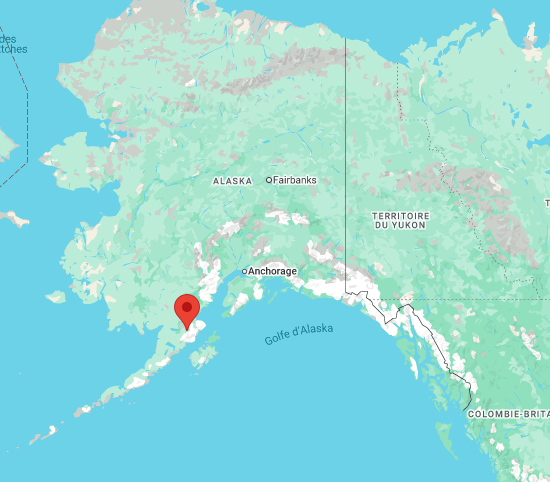
Katmai National Park is located on the Alaska Peninsula, about 290 miles southwest of Anchorage. A wilderness area with no roads, it takes some effort to reach: a commercial flight to King Salmon, followed by a seaplane or boat to Brooks Camp, the hub of the park’s activities. This limited access helps preserve the area’s pristine character.
Katmai is world-renowned for its brown bears, which gather in the summer at Brooks Falls to catch sockeye salmon. The park also protects the Valley of Ten Thousand Smokes, formed by the 1912 eruption of Novarupta. This page provides details on bear viewing, access, seasons, and lodging.
Why visit Katmai National Park?
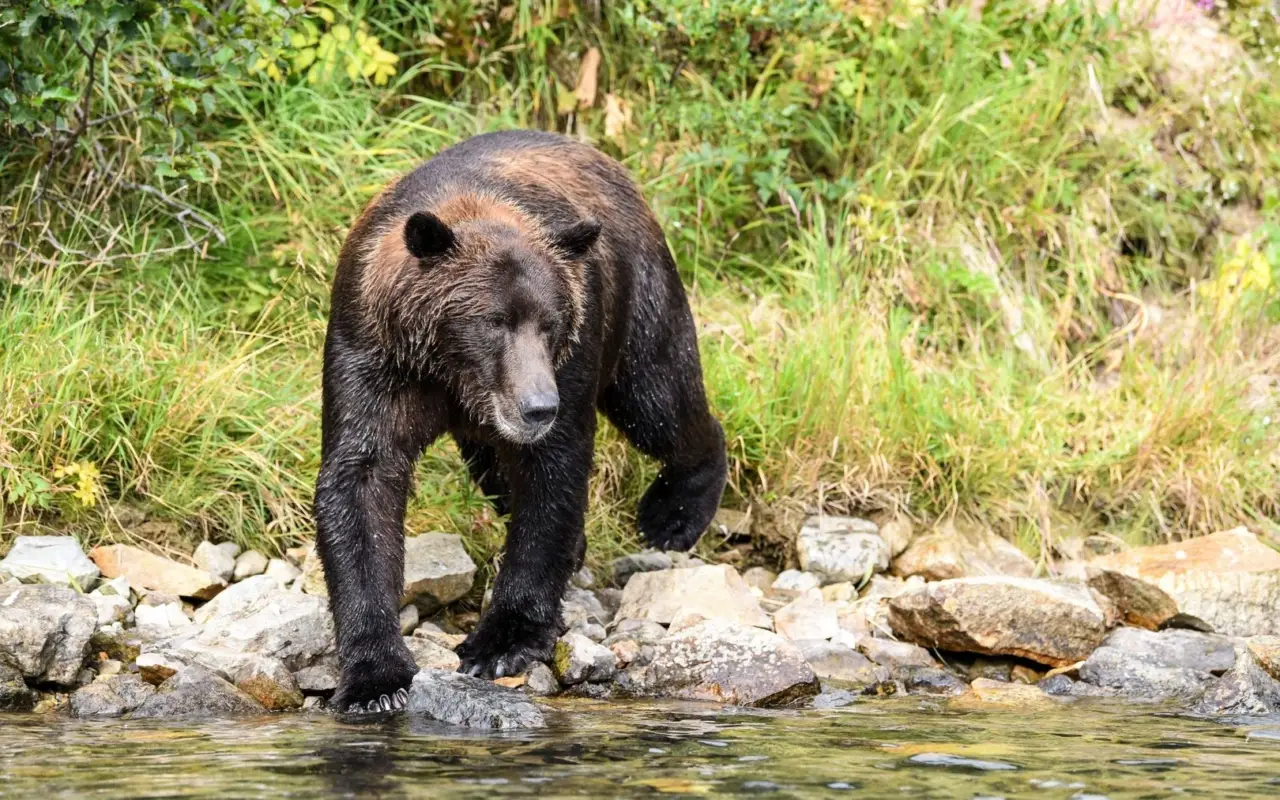
There’s one main reason: to observe brown bears in conditions found nowhere else in the world. At Brooks Falls, the bears gather to catch salmon leaping out of the water. In July, up to 25 bears can be seen at once from the secure viewing platforms. This is the iconic image of wild Alaska.
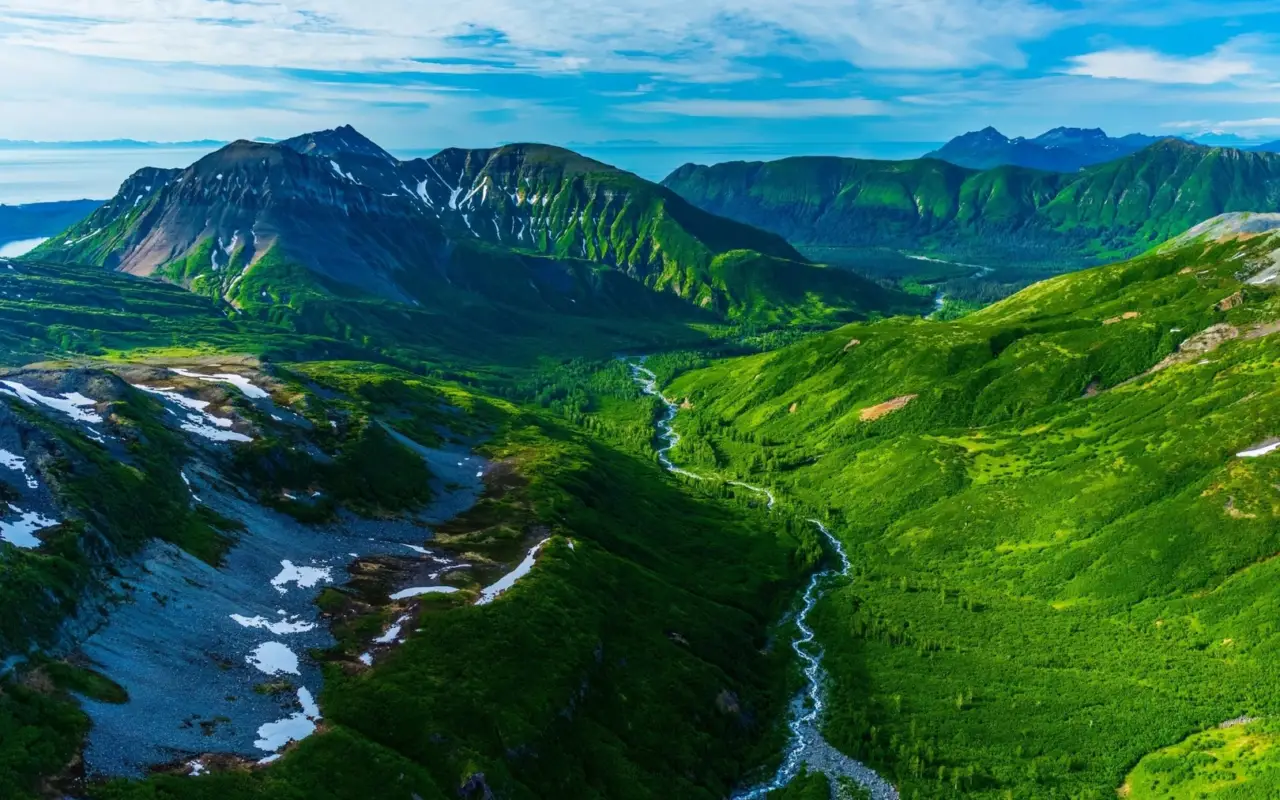
The park is home to approximately 2,200 brown bears, one of the highest densities of protected bears on the planet. Beyond Brooks Falls, Katmai protects the Valley of Ten Thousand Smokes, a lunar landscape of ash created by the 1912 eruption of Novarupta—the most powerful eruption of the 20th century. The park is also ideal for sport fishing and canoeing.
What to Do in Katmai National Park?
Here are the top experiences, from bear watching to exploring the volcanoes.
1. Bear Watching at Brooks Falls
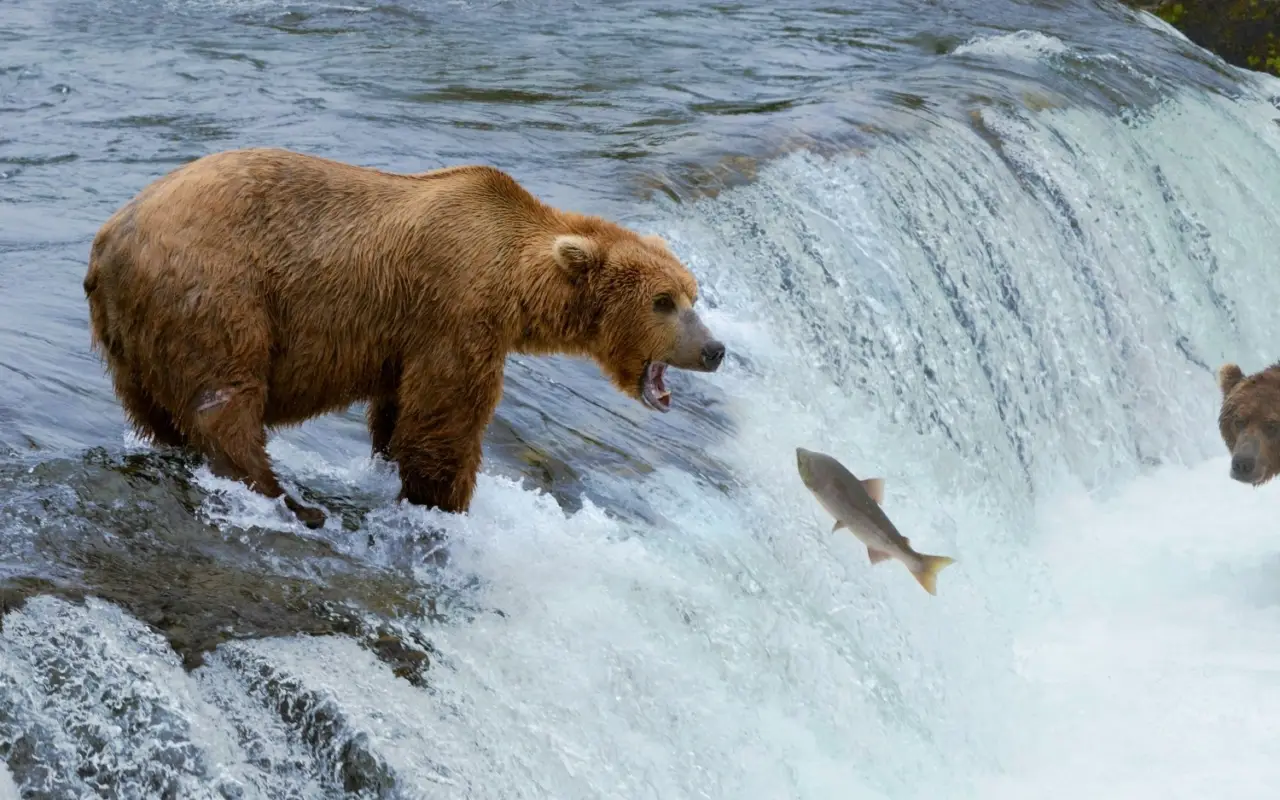
At Brooks Falls, brown bears catch sockeye salmon as they swim upstream. Four viewing platforms allow visitors to watch the scene safely; they are connected by a short trail from Brooks Camp. Park rangers manage visitor rotations at the platforms during peak times.
2. Hiking in the Valley of Ten Thousand Smokes
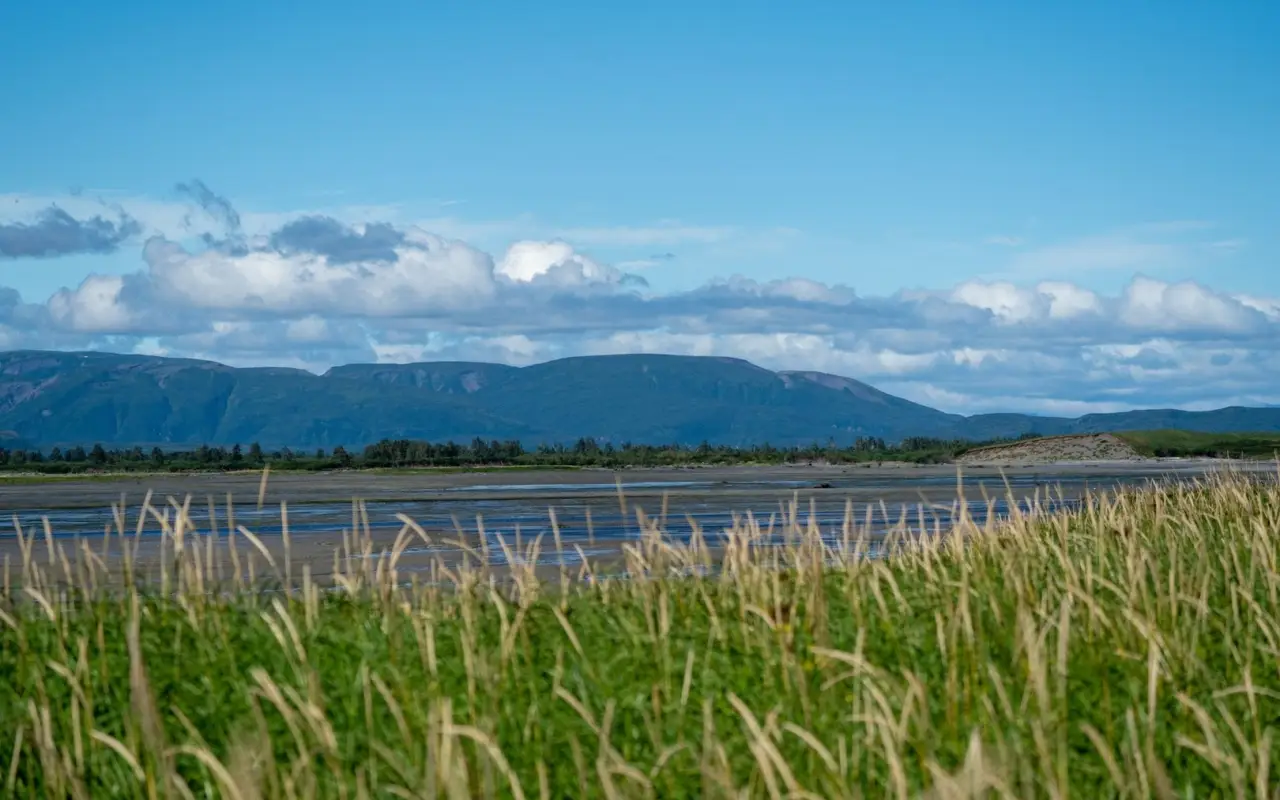
The Valley of Ten Thousand Smokes, formed by the 1912 eruption of Novarupta, offers a landscape of ash and pumice. A guided hiking tour takes you through this volcanic landscape, away from the hustle and bustle of Brooks Falls, to help you understand the park’s geology.
3. Hike to Dumpling Mountain
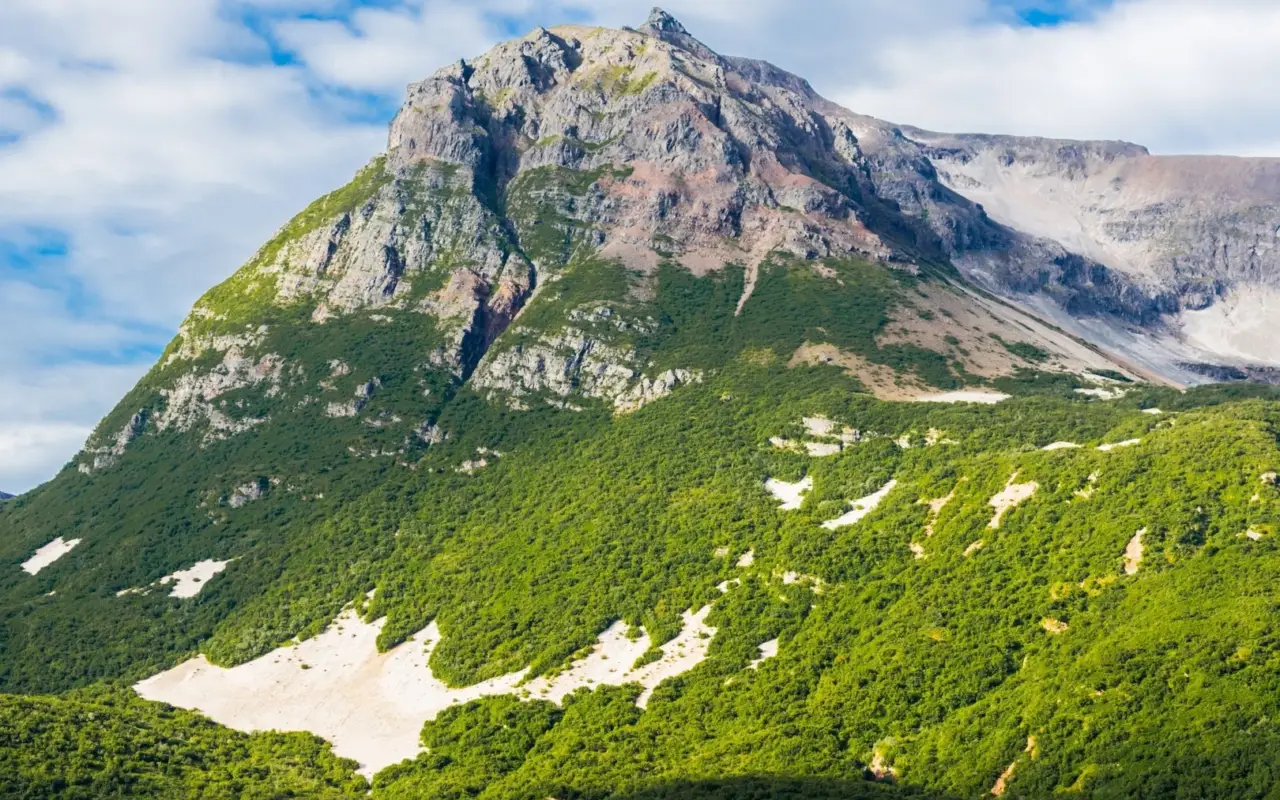
The Dumpling Mountain trail, starting from Brooks Camp, climbs to a viewpoint overlooking Naknek Lake and the Brooks River. The hike, about 4 kilometers long, offers a panoramic view of the lake’s three arms and, in the distance, the Alaska Range. A sweeping view of the region.
4. Fishing and Canoeing on Lake Naknek
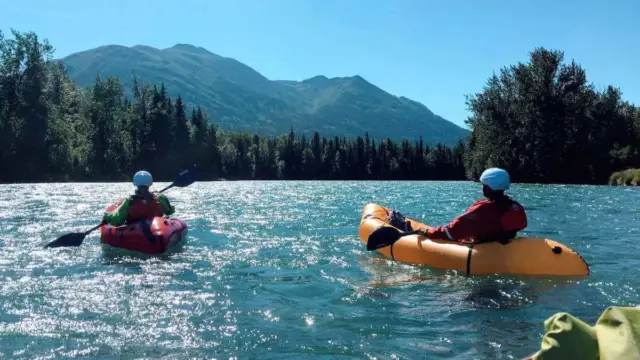
Naknek Lake and the park’s rivers are ideal for sport fishing and canoeing. The 80-mile Savonoski Loop attracts experienced paddlers. Fishing is governed by Alaska state regulations. These activities offer a different way to experience the park, away from the bear platforms.
When is the best time to visit Katmai National Park?
Services at Brooks Camp are available from June 1 through mid-September. The peak time for bear viewing is in July, during the salmon run, when up to 25 bears gather at the waterfalls. September offers a second, quieter wave, when the bears feed on dead salmon that have drifted downstream.
From October through May, the park enters deep winter: the bears hibernate and all services close. Katmai remains one of the most expensive and challenging national parks to visit in the United States, due to its access exclusively by air or water.
| Season | About Us | Access and Services |
|---|---|---|
| June | Bears present, sedge grass | Brooks Camp open, seaplanes |
| July | Peak season, up to 25 bears at the falls | High volume of visitors—book early |
| September | Second wave, quieter | Services available through mid-September |
| October through May | Hibernation | Services closed, charter access only |
How do you get to Katmai National Park?
There are no roads leading to Katmai. The typical route involves a commercial flight from Anchorage to King Salmon, the main access point, which takes about 1 hour. From there, a seaplane takes 20 minutes to reach Brooks Camp, or a boat takes 30 to 45 minutes across Lake Naknek.
Day trips are also available via direct seaplane flights from Anchorage, Homer, or Kodiak. Weather can delay or cancel flights, so it’s wise to build in some flexibility into your itinerary. Every visitor must complete a mandatory bear safety orientation upon arrival.
Where to stay in Katmai National Park?
Inside the park, Brooks Camp offers Brooks Lodge and a campground on the shores of Lake Naknek. Both are in high demand and must be booked well in advance—often nearly a year ahead of time. Staying on-site allows you to maximize your chances of seeing wildlife at the waterfalls, both early in the morning and in the evening.
Many travelers stay in King Salmon and make day trips to the park. Our team can arrange a multi-day stay at Brooks Lodge or a day trip from Anchorage. Discover our Alaska wildlife experiences.
Frequently Asked Questions About Katmai National Park
Where is Katmai National Park located?
Katmai National Park is located on the Alaska Peninsula, about 290 miles southwest of Anchorage. There are no roads leading to the park. It can be reached by seaplane or boat, usually via the small town of King Salmon.
When is the best time to see bears at Brooks Falls?
The peak viewing season is in July, when salmon are running up the Brooks River: up to 25 bears may gather at the falls. September offers a second, quieter wave, when the bears feed on dead salmon. Brooks Camp operates from June through mid-September.
How do you get to Katmai?
First, fly to Anchorage, then take a commercial flight to King Salmon (about 1 hour). From there, a seaplane takes 20 minutes to reach Brooks Camp, or a boat takes 30 to 45 minutes across Lake Naknek. There is no road access.
How many bears live in Katmai?
The park is home to about 2,200 brown bears, one of the highest concentrations of protected bears in the world. During the season, up to fifty bears may frequent the Brooks River, which is about a mile and a half long.
Is there an entrance fee for the park?
No. There is no entrance fee for a day trip. Costs include airfare, the seaplane ride, lodging at Brooks Lodge or the campground, and any guided tours.
Is training required before observing the bears?
Yes. Every visitor must attend a mandatory orientation session lasting about 20 minutes, led by a ranger at the Brooks Camp Visitor Center. The session covers safety rules and how to behave around bears.
What is the Valley of Ten Thousand Smokes?
It is a volcanic landscape formed by the 1912 eruption of Novarupta, the largest of the 20th century. Covered in ash and pumice, the valley can be visited on a guided tour from Brooks Camp, which includes a hike through this rocky landscape.
Can you stay overnight in the park?
Yes. Brooks Camp offers Brooks Lodge and a campground, both of which are in high demand and must be booked well in advance. Many visitors stay in King Salmon and make day trips to the park by seaplane.
Last updated: August 18, 2026.
About Terra Alaska
Terra Alaska is a local travel agency specializing in custom trips to Alaska and a member of the Terra Panamerica network. Our team designs itineraries tailored to each traveler, from national parks to winter expeditions under the Northern Lights. Discover our expertise as a local inbound travel agency.
Contact us to plan your trip or explore our suggested itineraries.
Sources
National Park Service (Katmai National Park and Preserve, Brooks Camp); Travel Alaska (Katmai); Alaska Department of Fish and Game.