The Yukon
Spectacular canyons, majestic mountains, hot springs, and historic villages in the heart of the vast wilderness.
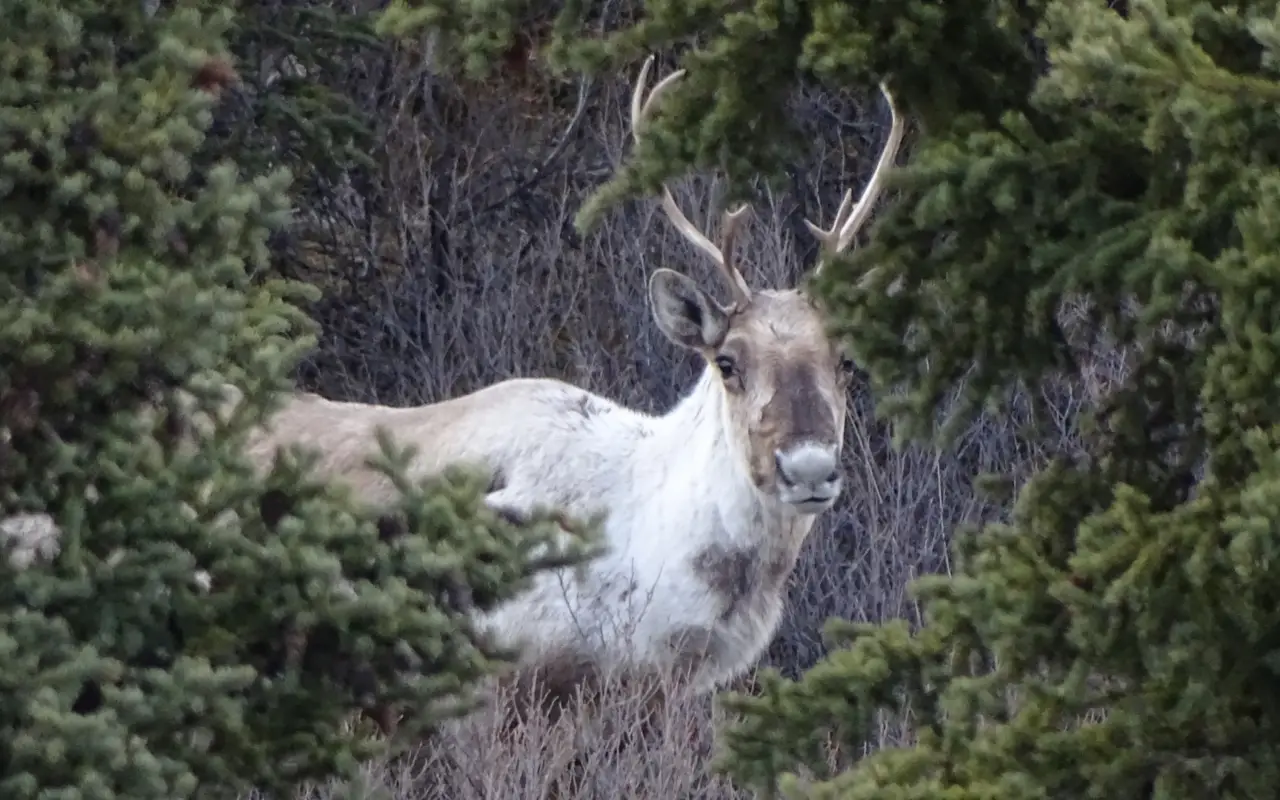
Immerse yourself in the untamed vastness of the Far North on this journey through Canada’s Yukon and theU.S. state ofAlaska. From the gold-rich, legendary lands of Dawson City to the monumental landscapes of Denali National Park—passing through the glittering glaciers of the Wrangell-Saint Elias range and the spectacular fjords of the Kenai Peninsula—each stop reveals raw, majestic nature.
This journey takes you along the legendary roads of the North, through pioneer villages, hot springs, boreal forests, and eternal mountains, to a world where time seems to stand still. An itinerary for lovers of boundless spaces, adventure, and pure excitement, set against some of the most majestic landscapes on the planet.
Length of stay: 27 days
Theme: Alaska-Canada Trips
Difficulty: Moderate
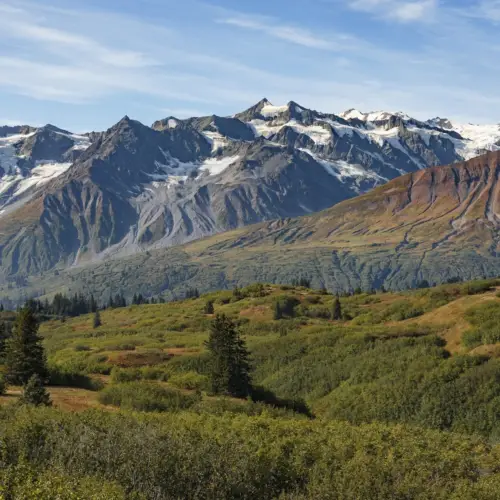
Spectacular canyons, majestic mountains, hot springs, and historic villages in the heart of the vast wilderness.
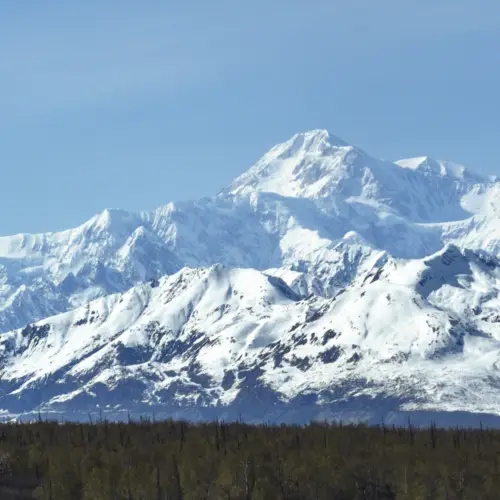
A premier destination for experiencing nature in its wildest form.
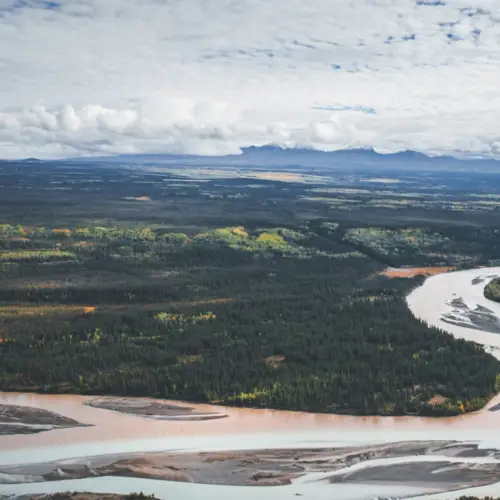
Impressive glaciers, volcanic mountains, and wild valleys in the United States' largest national park.
Whitehorse
Miles Canyon
Yukon Wildlife Preserve
Carcross
Haines Junction
Dawson city
Fairbanks
Denali
Glacier View
Matanuska
McCarthy alaska
Kennicott
Palmer
Seward
Resurrection Bay
Homer
Kachemak
Anchorage
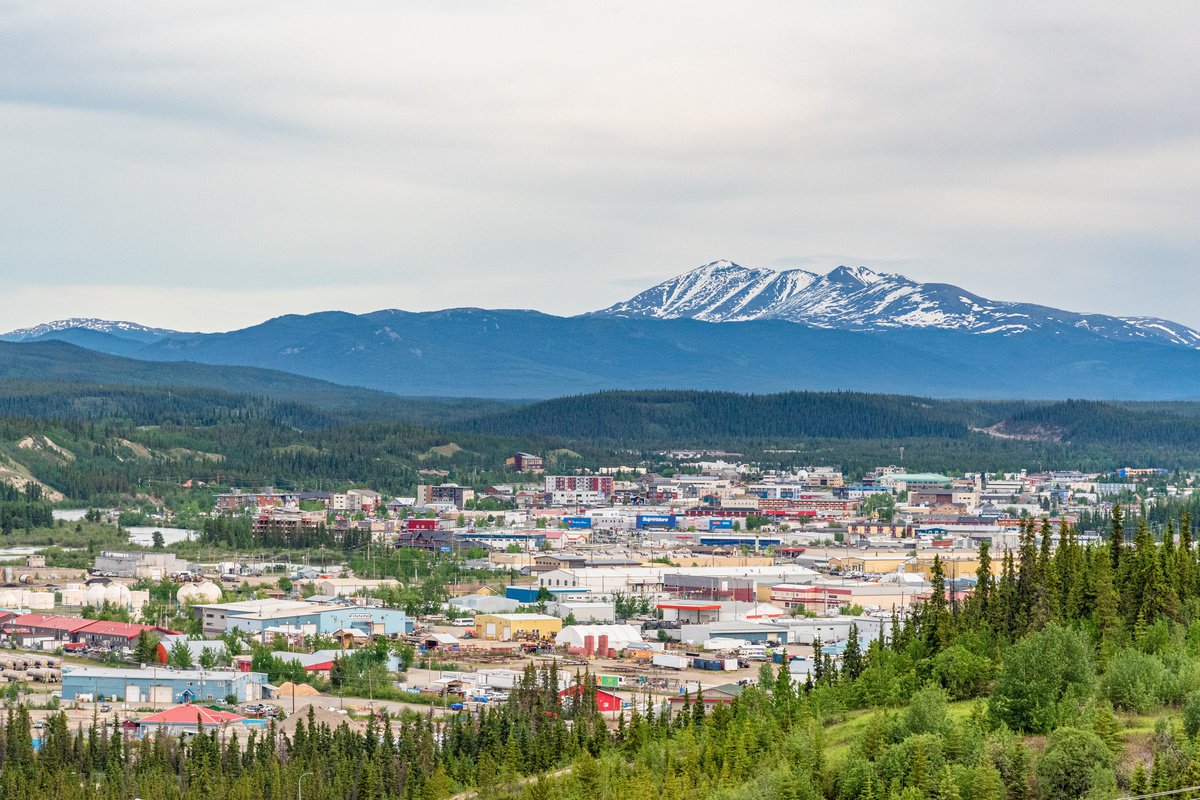
Welcome to Canada!
The Yukon is a very French-speaking region; you’ll be charmed by its people and its breathtaking landscapes.
On your own for the transfer between Whitehorse Airport and Whitehorse.
Overnight stay at a hotel in Whitehorse.
A day exploring Whitehorse and its surroundings on foot, following the course of the legendary Yukon River.
In the morning, tour Whitehorse, the capital of the Yukon and the nerve center of the gold rush of 1897 and 1898. You’ll stroll through the city’s iconic streets, with their facades straight out of another era, and discover the arts and traditions of Whitehorse’s first inhabitants, the Kwanlin Dun Indigenous people.
Next, head to the Yukon River, where you’ll find one of the remnants of the gold rush era: the SS Klondike, one of two stern-wheelers that served as supply vessels between Whitehorse and Dawson City. Your guide will bring the history of the gold rush to life as you tour this legendary structure. A little further along the riverbank, you’ll discover a dam where you can observe up close the migration of salmon, which travel more than 3,000 km before laying their eggs.
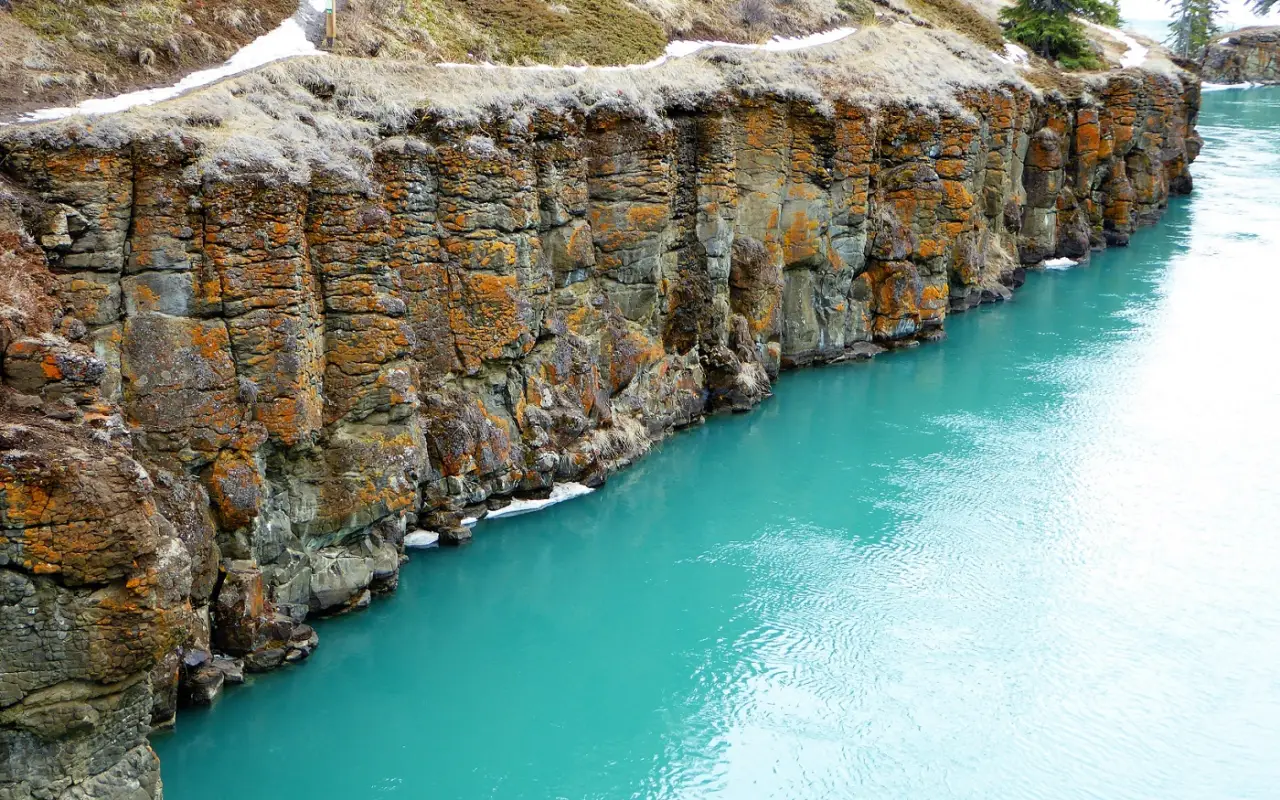
Exploring Miles Canyon.
You’ll meet up with your guide again in the early afternoon; traveling downriver south of Whitehorse, you’ll find the breathtakingly beautiful Miles Canyon. Basalt lava flows have carved the rock in a raw and spectacular way, offering a colorful panorama of the Yukon River. Open year-round, this hiking trail follows the river and takes you to Schwatka Lake with the mountains in the background. The color of the water changes with the seasons, shifting from green to blue.
Free afternoon in Whitehorse.
In addition to the city and its attractions, you can also explore the surrounding area. The Yukon Wildlife Preserve offers the chance to observe many of the Yukon’s wildlife species, such as the arctic fox and the musk ox.
Overnight at a hotel in Whitehorse.
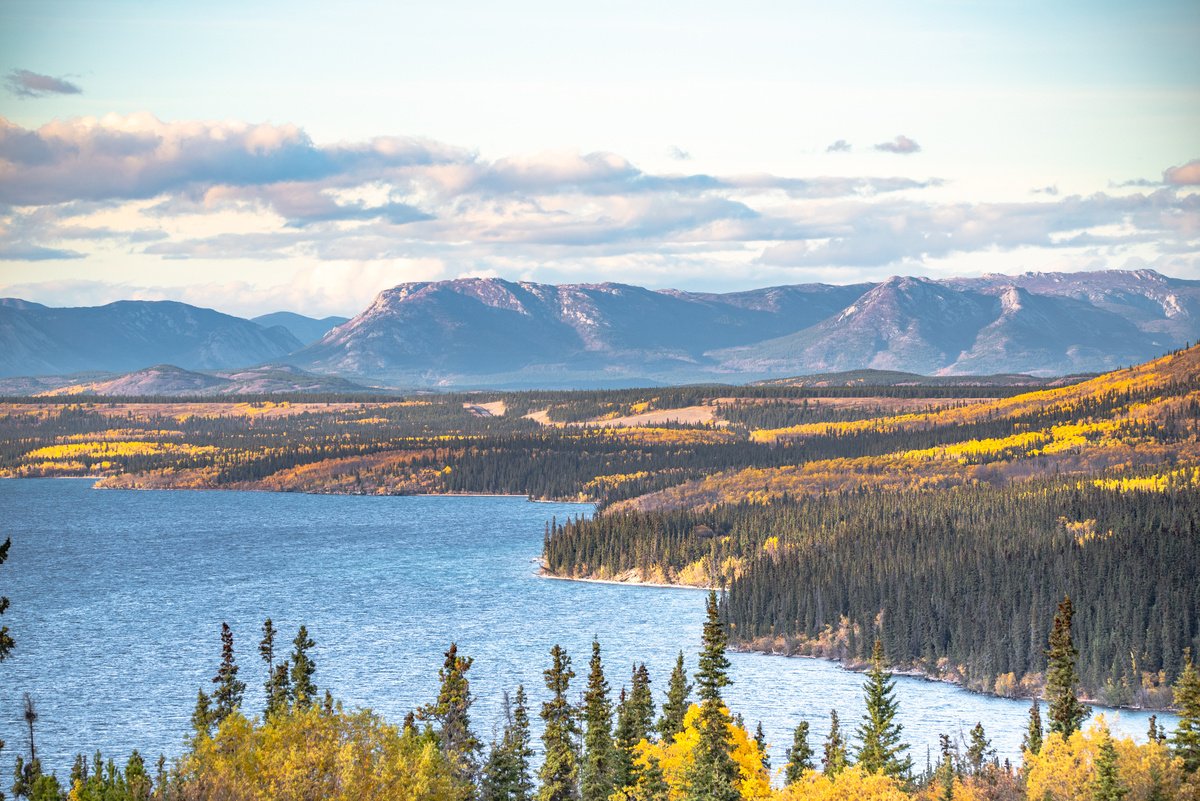
Pick up your rental car in Whitehorse.
A day dedicated to wildlife viewing and relaxing in the Takhini Hot Springs.
This morning, you’ll visit the Yukon Wildlife Preserve, a sanctuary dedicated to the conservation and well-being of Yukon’s wildlife. There, you’ll see arctic squirrels, arctic foxes with thick white fur, musk oxen, moose, Thinhorne sheep, caribou, and even bison in their natural habitat. This place is open year-round, and their rehabilitation program is well worth a visit.
Next, head to the Takhini Hot Springs. For over 100 years, these mineral hot springs have been a source of joy for Yukoners. Natural pools ranging from 36 to 42 degrees Celsius let you relax, summer or winter, in an idyllic setting.
Overnight stay at a hotel in Whitehorse.
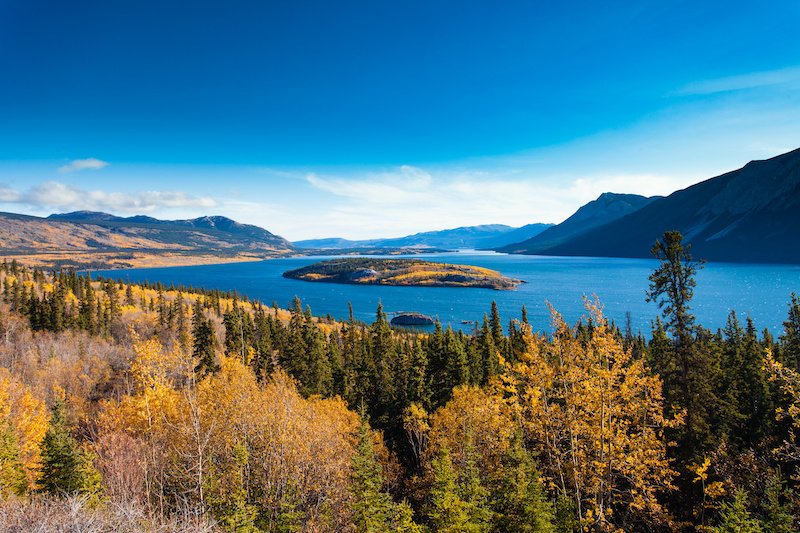
The road between Whitehorse and Carcross.
Carcross is a small village nestled between Bennett Lake and Tagish Lake and surrounded by mountains. Its name is a shortened form of its former name, Caribou Crossing. In fact, herds of caribou used to migrate through the region long before gold prospectors did the same.
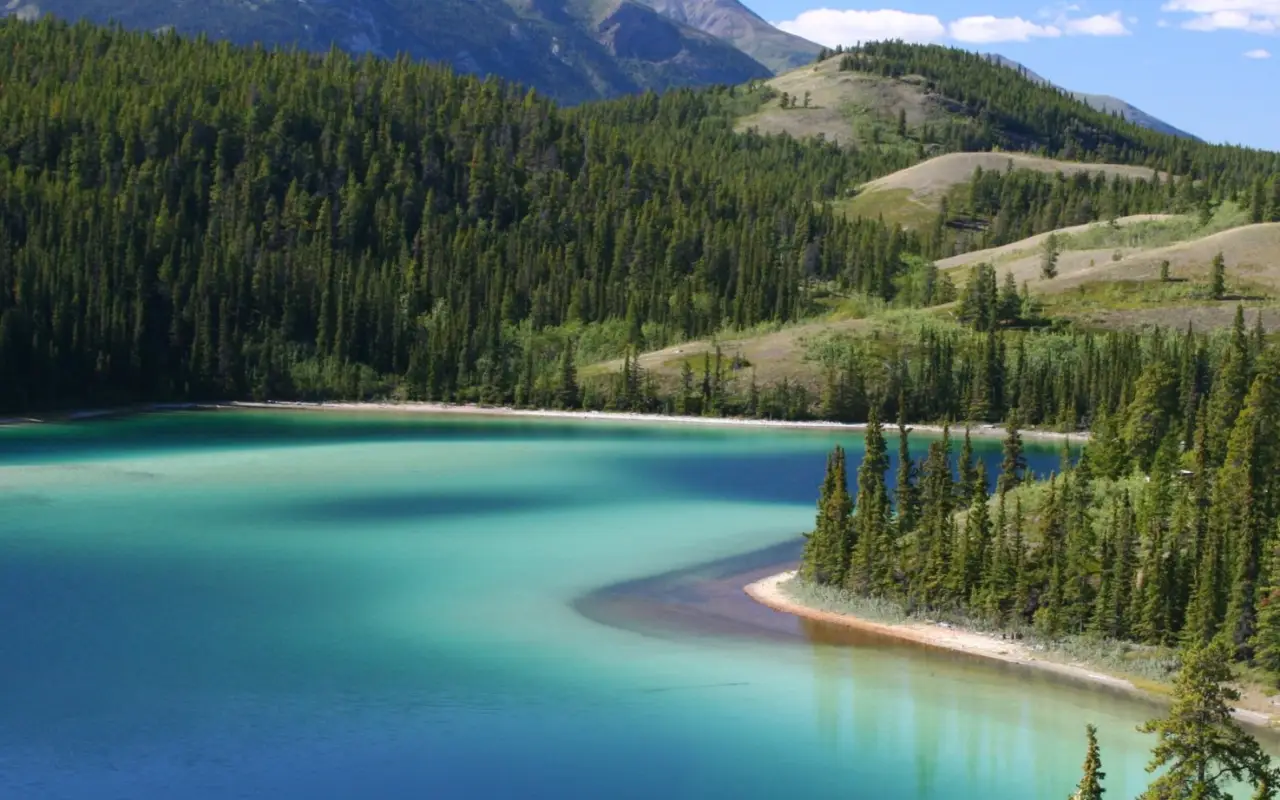
Along the way, stop at Emerald Lake and enjoy its incredible colors.
A little further on, stop at the Carcross Desert—known as the world’s smallest desert! It offers an incredible contrast between the boreal forest and the arid desert.
Aday exploring the Yukon’s hidden treasures, between Carcross and the Lake District
You’re not dreaming: just a few dozen kilometers from Whitehorse—where temperatures easily drop to -50 degrees in winter—a 2.6 km² sand desert has emerged. Considered the world’s smallest desert, these sand dunes are well worth the detour. Then, you’ll take a stroll through Carcross, formerly known as “Caribou Crossing,” on the territory of the Tagish First Nation. Various craft shops add a splash of color to the tiny downtown, and Lake Bennett offers a stunning sight with its emerald hues. The village is the starting point of the legendary White Pass Train, which connects Carcross to Skagway, Alaska, following the routes of the Gold Rush.
The day will be spent exploring, strolling along the lake, and making stops along the way to visit other equally majestic lakes.
Overnight at a hotel in Carcross.
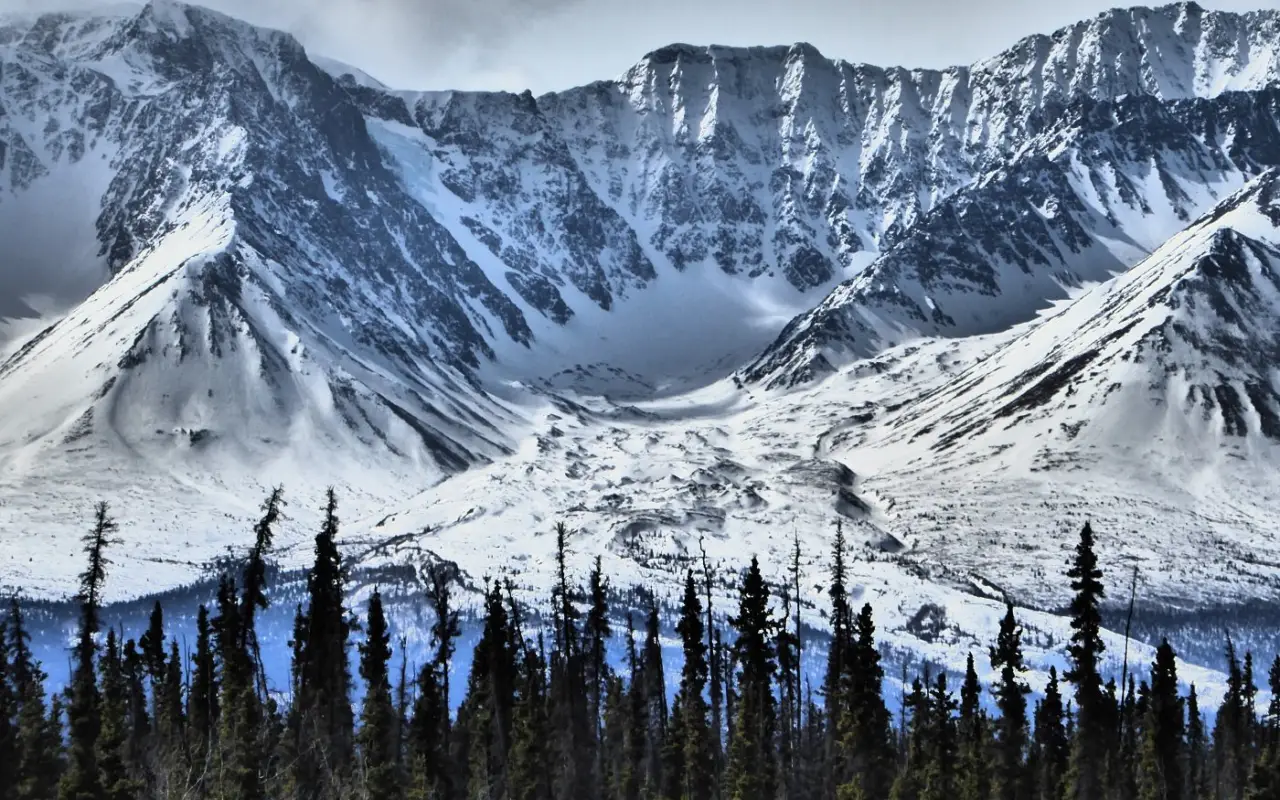
The road between Carcross and Haines Junction.
A day exploring the Kluane region, on the border between the Yukon and Alaska.
The region invites contemplation and is perfect for adventure. You’ll take the majestic highway connecting Whitehorse to Haines Junction—which is also the direct route to Alaska—and see Canada’s highest mountain: Mount Logan, at 5,959 meters. The interplay of colors from the trees, glaciers, and mountains offers magnificent views. Kluane National Park is impressive from every angle: you’ll discover some of its hidden corners and secluded trails along picturesque lakes. The region is home to abundant and diverse wildlife, such as the brown bear. A short hike will allow you to experience this incredible natural setting, dominated by the St. Elias Mountains and glacial lakes. You’ll also visit the Da Ku Cultural Center, run by the Champagne and Aishihik First Nations, to discover their culture and traditional crafts.
Overnight stay at a hotel in Haines Junction.
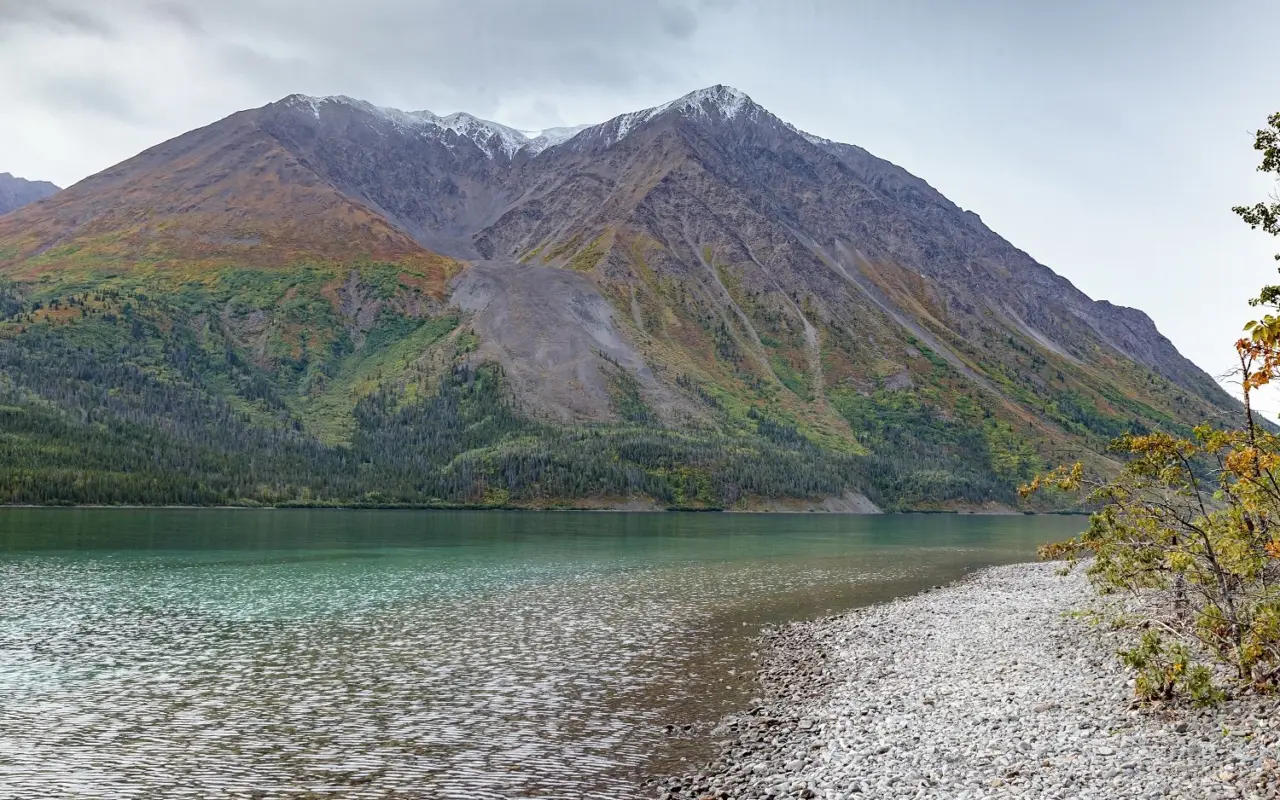
A self-guided hiking day trip in Kluane National Park.
Kluane National Park, a UNESCO World Heritage Site, is home to Canada’s highest peak, Mount Logan (5,959 m), the world’s largest non-polar ice field, and an abundance of wildlife. It consists mainly of high, rugged mountains, forests, lush valleys, and icefields whose frozen white blanket stretches endlessly to the horizon. The park is also home to the St. Elias Mountains, Canada’s largest mountain range.An ideal place for hiking enthusiasts.
Today, we invite you to explore the trail that will take you to Sheep Creek. The most adventurous can continue on to Sheep Mountain. The view from the top of the ridge overlooking Kluane Lake is spectacular.
A classic hike in Kluane National Park offering views of the Slim River Valley, Kluane Lake, and the surrounding mountains. Bring binoculars—sheep and grizzly bears are often spotted here.
Overnight at a hotel in Haines Junction.
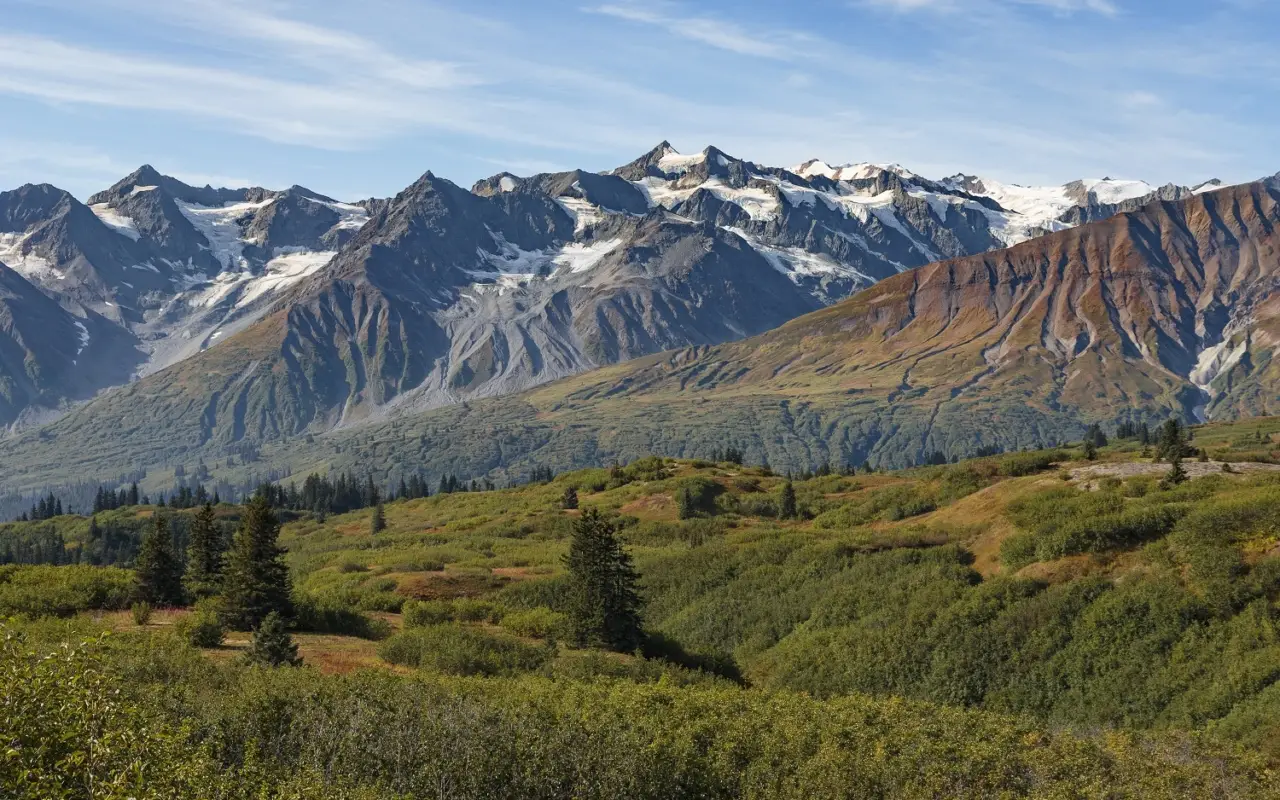
A day of exploration on a hike in Kluane National Park.
Today’s highlight: King’s Throne. Nothing less! The most determined hikers can continue on to reach the summit of King’s Throne.
This trail leads to a spectacular cirque that lives up to its name, as it resembles a king’s throne. It’s a majestic sight when viewed from the shores of Kathleen Lake. It’s one of the most popular day hikes in Kluane National Park, offering breathtaking views of the surrounding valleys and Lake Kathleen below.
Overnight at a hotel in Haines Junction.
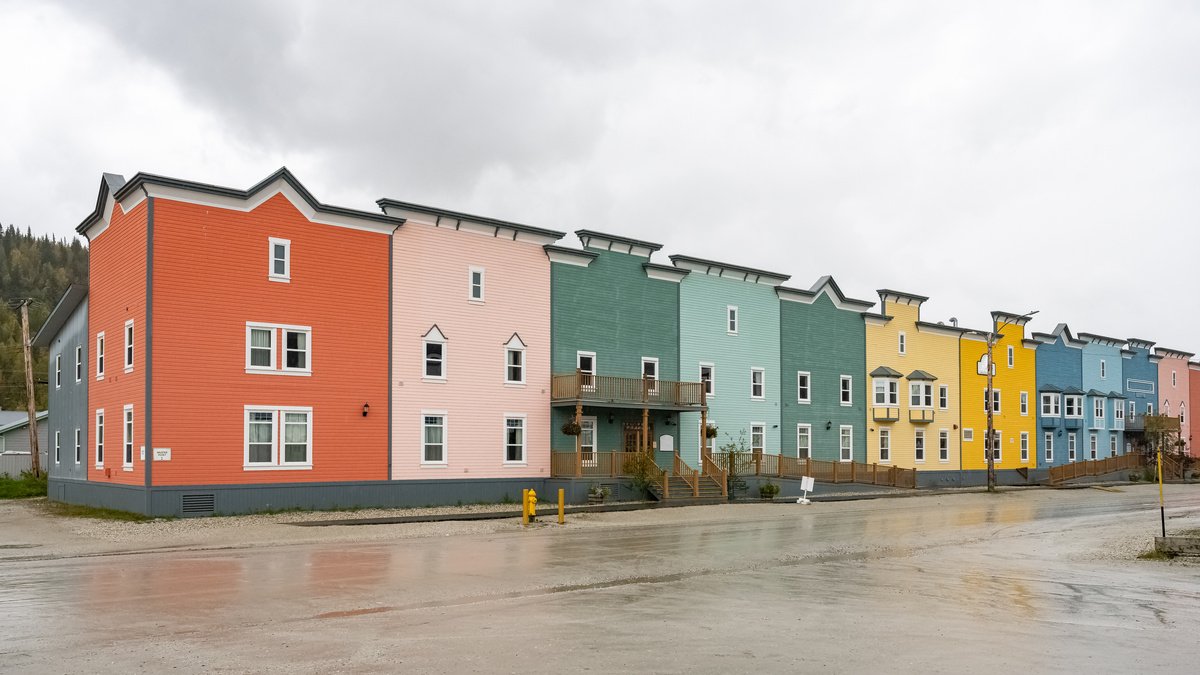
The route between Haines Junction and Dawson City, on the Klondike Highway.
The road runs largely along the Yukon River. Upon arrival in Dawson City, a legendary Gold Rush town that has retained much of its authentic Klondike-era character. The town enjoyed its heyday between 1896 and 1902, when its population reached 40,000, and was proclaimed the capital of the Yukon. It has retained all its old-world charm, with its period facades, casino, cabaret, bars, and hotels, and the streets are still unpaved.
Overnight stay at a hotel in Dawson City.
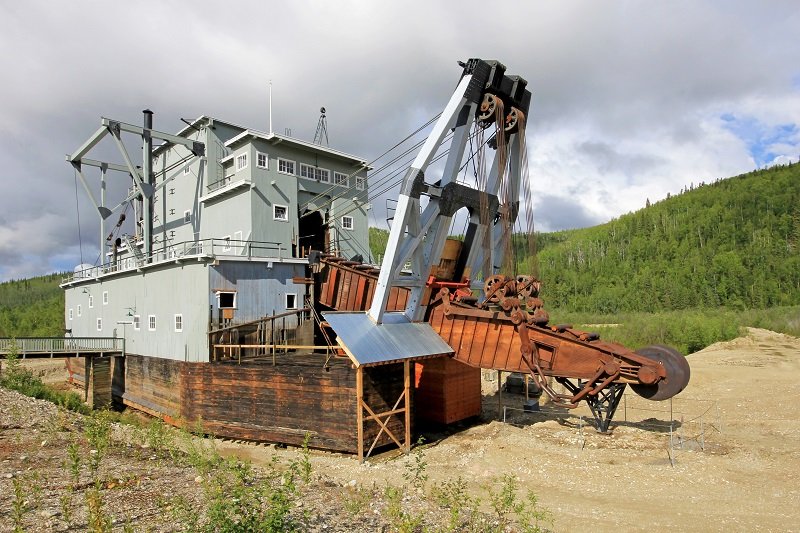
A half-day immersion in the heart of the gold rush era.
Tour of Dawson City, the legendary town of that era. Its storefronts and streets have remained virtually unchanged for over a century. Your guide will take you to the historic site of Dredge No. 4, which was used for gold mining, and will tell you the story of those wild years.
Free afternoon in Dawson City.
As you wander the dusty streets of the village, you’ll experience the atmosphere of that era. You’ll stroll along the river and admire the historic Keno steamboat, which is still in operation. You can explore the roads leading to the various gold mining camps—still in operation—and admire the different dredges.
We recommend heading up to the Top of Midnight Dome to admire the town, whether by day or by night. A magnificent view of the town and the Yukon River makes for some great photos.
Finally, for adults only, don’t miss the famous bar that serves the Sour Toe Cocktail, or experience the excitement of yesteryear during a cabaret evening featuring a French can-can!
Overnight stay at a hotel in Dawson City.
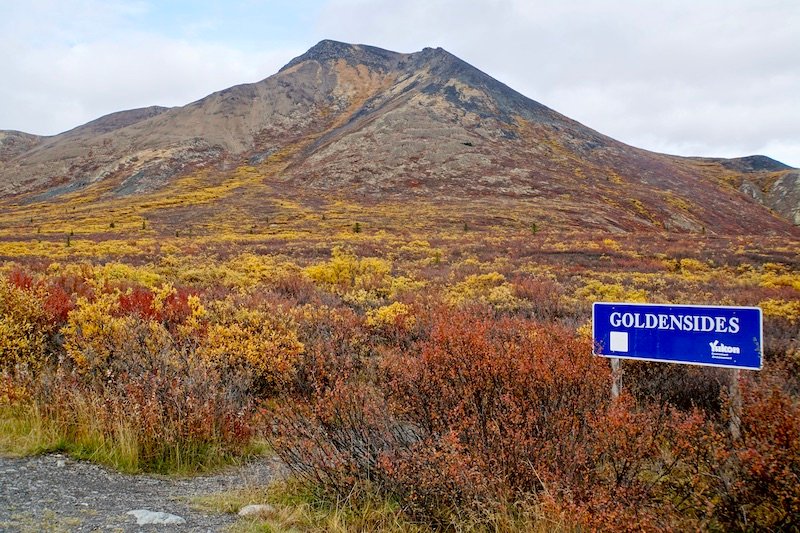
A Day of Hiking in Tombstone Territorial Park.
Nicknamed “Northern Patagonia,” the park is full of wonders. It owes its name to Mount Tombstone, a granite peak towering over the mountain range that resembles a tombstone. It is the land of the Tr’ondëk Hwëch’in First Nation and is undeniably one of the most beautiful parks in Western Canada.
Just getting there is an adventure in itself! From Dawson City, you’ll take the famous Dempster Highway—a former dog-sled trail and legendary route connecting the Klondike Highway to Inuvik, a town located 200 km north of the Arctic Circle. The road is unpaved, so drive carefully.
Once you arrive at the park, you’ll want to head to the Park Interpretive Center to join a guided hike or simply to check trail conditions and get wildlife viewing tips.
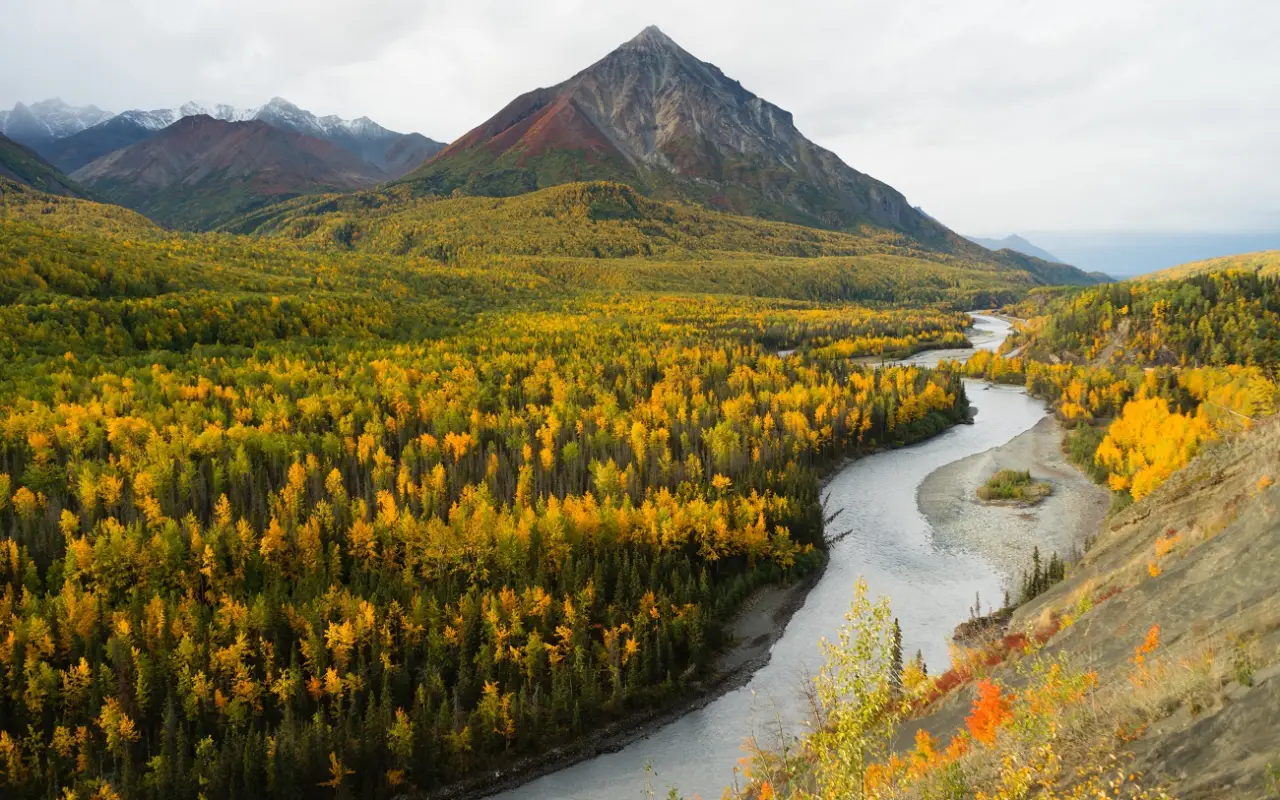
The park is incredibly beautiful, unspoiled, and wild. The colors reach their peak in early fall, around the end of August, and, much like an Indian summer, the park is blanketed in shades of yellow, orange, and red. It is home to a rich variety of wildlife and a diverse flora consisting of lichens, shrubs, and wildflowers.
You’ll then choose your hiking trail based on your skill level and preferences. Alpine lakes, rocky ridges, and 360-degree views of the desolate and wild Yukon—there are many options to choose from.
Overnight stay at a hotel in Dawson City.
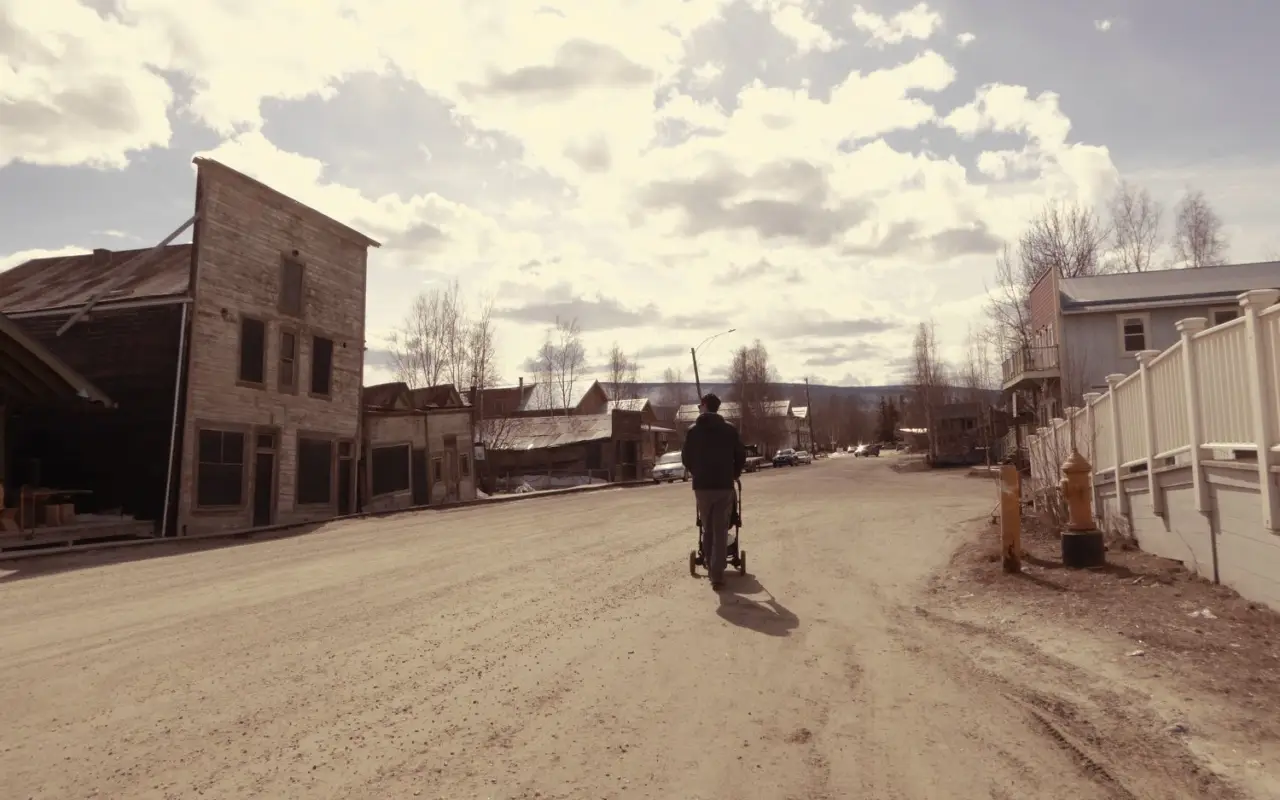
A free day to explore Dawson City at your own pace.
Overnight stay at a hotel in Dawson City.
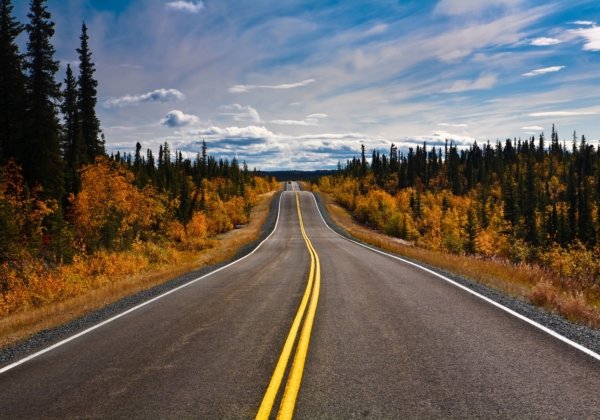
Route between Dawson City (Yukon, Canada) and Fairbanks (Alaska)
This trip is a magnificent adventure through wild landscapes, featuring iconic roads such as the Top of the World Highway. You’ll pass through Poker Creek, Chicken, and Tok.
Overnight stay at a hotel in Fairbanks.
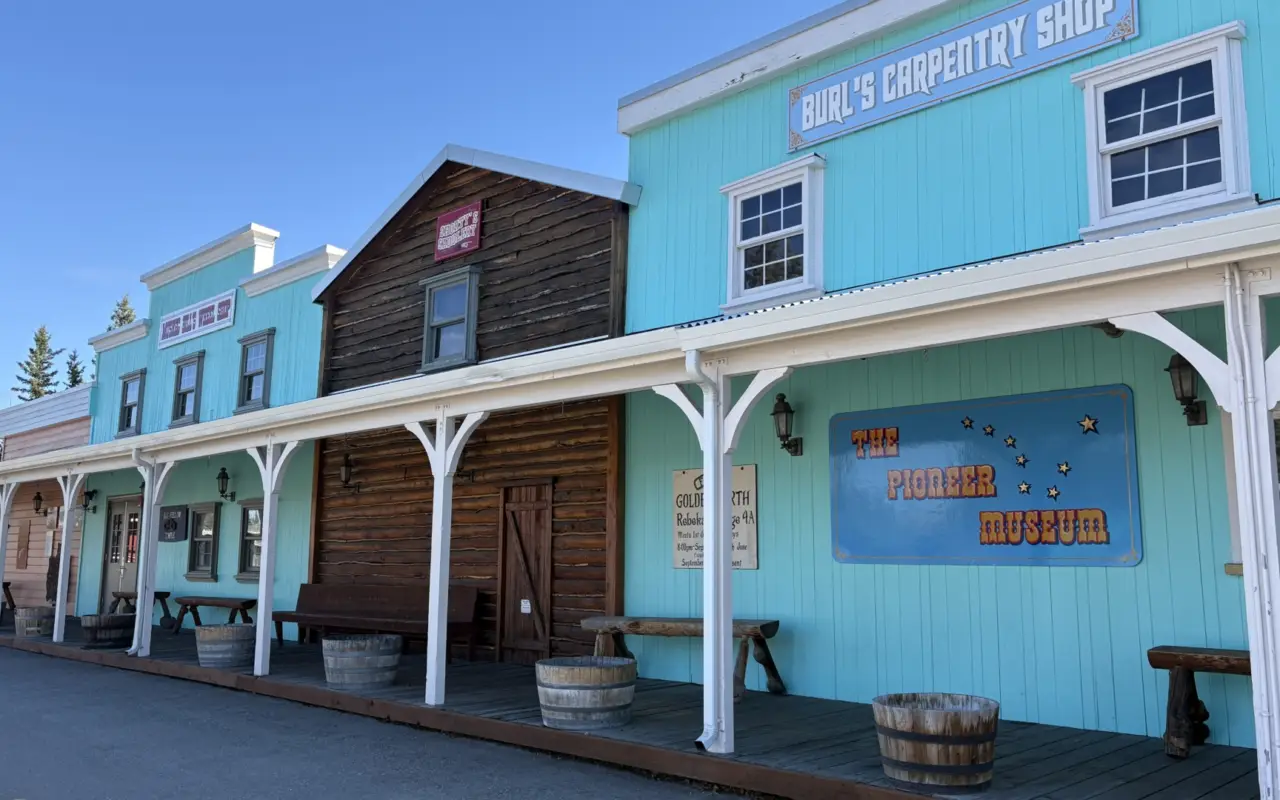
Free day in Fairbanks.
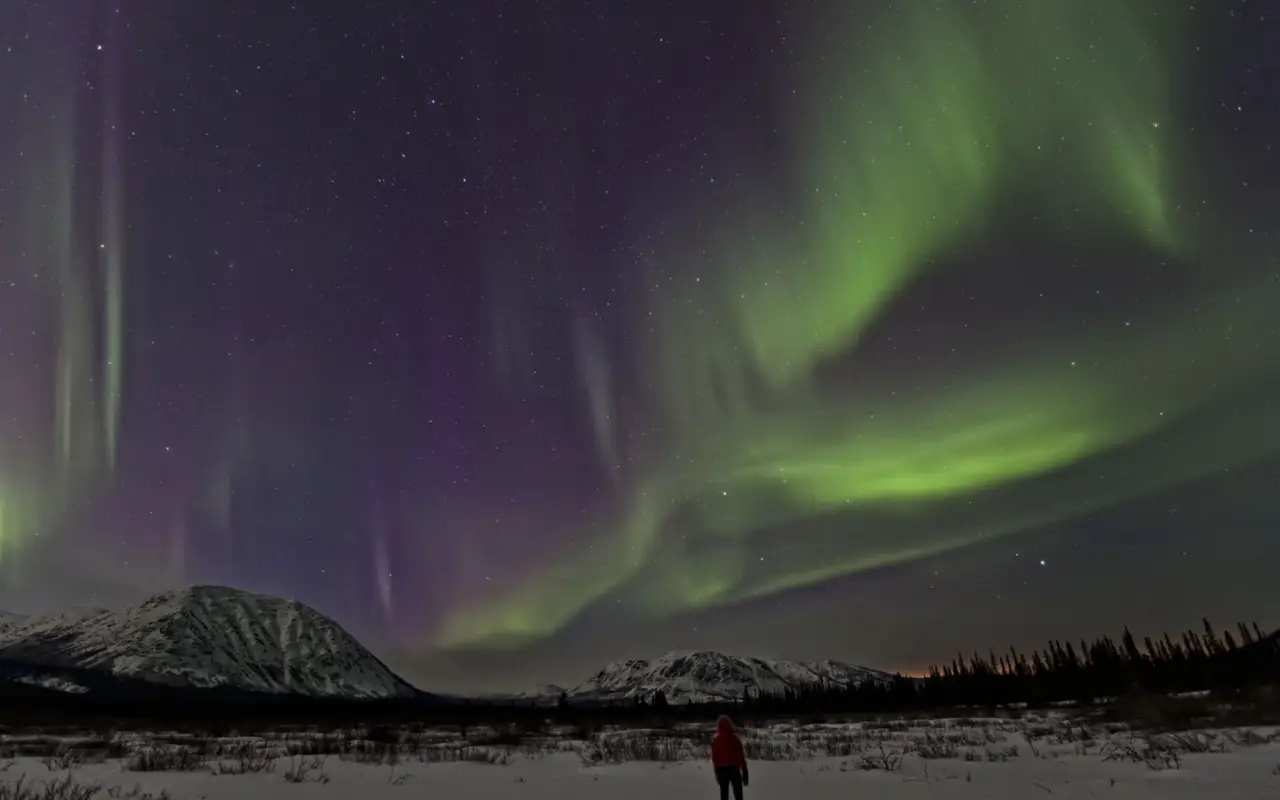
Fairbanks is a picturesque city located along the Chena River. Known for its cold winters and bright summers that last until the middle of the night, the city offers a warm and welcoming atmosphere. Fairbanks is a cultural and economic hub, home to the University of Alaska Fairbanks and the famous Morris Thompson Cultural & Visitors Center; the city offers a variety of cultural events throughout the year. Outdoor enthusiasts will find plenty to enjoy, with numerous activities such as viewing the Northern Lights in winter, fishing, hiking, and exploring Alaska’s wilderness.
Overnight stay at a hotel in Fairbanks.
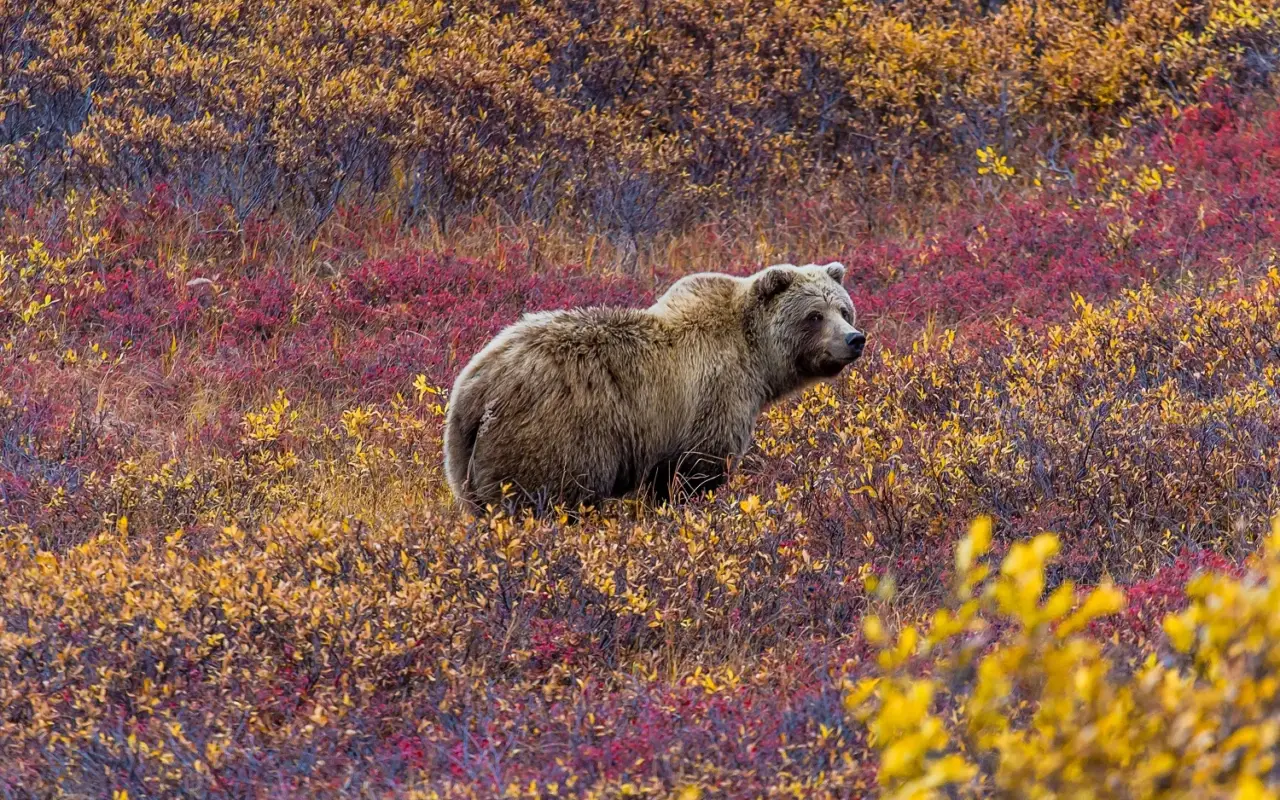
The route between Fairbanks and Denali National Park, the second-largest national park in the United States after Yellowstone.
This park is home to the country’s highest peak, Mount Denali, at 6,194 meters. The park is strictly protected; only the first 25 kilometers of the park’s sole road are accessible to vehicles. Along the route, don’t miss the picturesque Nenana train station, a designated historic landmark.
Spend a half-day on your own exploring Denali National Park on a hike.
Denali National Park has few hiking trails, a deliberate choice made to preserve the flora and fauna. The existing trails range from 1 to 3.5 kilometers. You’ll choose which trails to take based on what you’re in the mood for that day: lakes, canyons, glaciers, wildlife viewing, and/or plant life.
Overnight stay at a hotel near Denali.
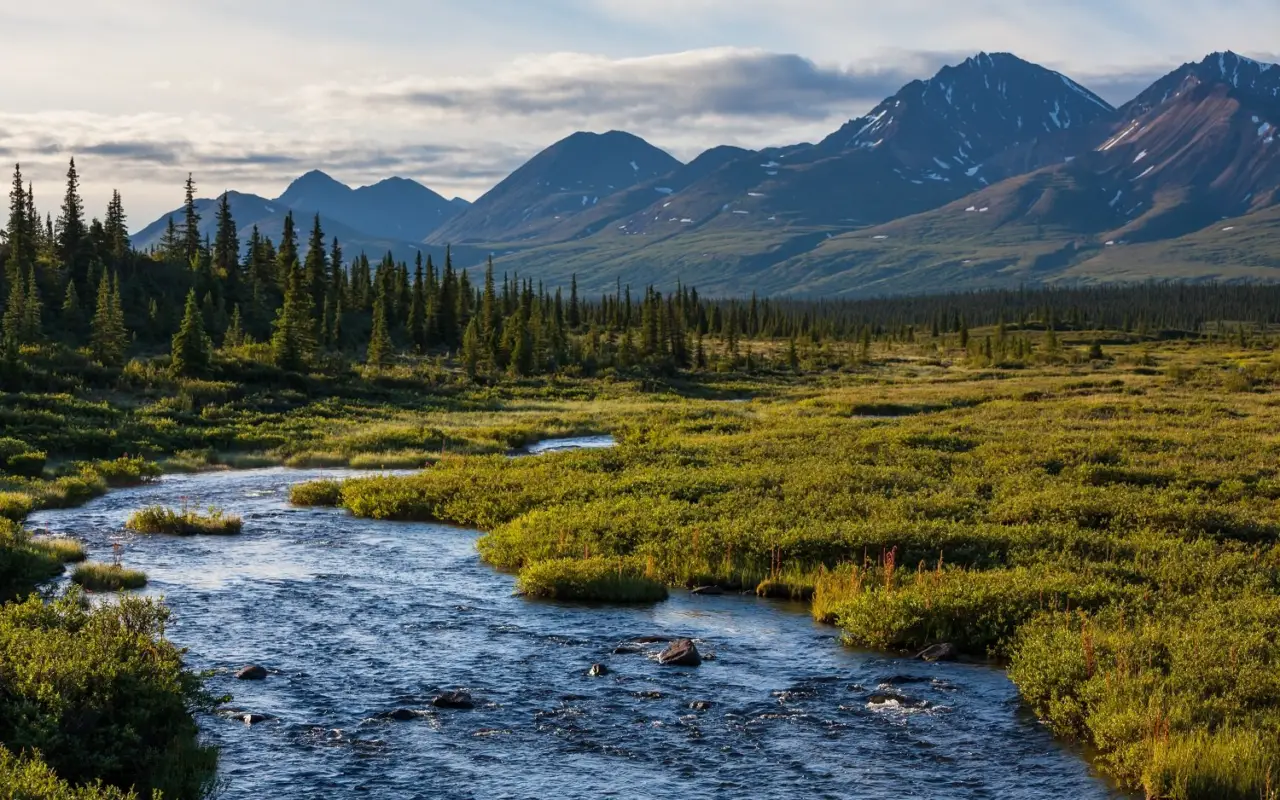
A guided day tour dedicated to exploring Denali National Park on foot.
Your guide will select the best hikes suited to your skill level and preferences. You’ll enter the park via its only road access, Park Road. It’s not uncommon to spot wildlife along the roadside. Many hiking trails are accessible from this road, though they are sparsely marked. Depending on your preferences, your guide will take you to admire landscapes featuring rivers, canyons, and glaciers, all set against a panoramic backdrop of the tundra.
Hiking in the heart of Denali National Park is a true encounter with nature… A mystical experience, dominated by an abundance of flora and fauna and by the spectacle of Mount Denali, rising to 6,194 meters. Denali is home to many mammals: you won’t be surprised to come across a grizzly bear or a herd of caribou, moose, or wolves. You’ll observe a unique and well-preserved ecosystem, as well as a tundra dotted in places with stunning wildflowers. Many species of migratory birds are also found in this park, including the whooper swan and the golden eagle. Weather permitting, you’ll get a close look at the Nenana River.
Overnight at a hotel near Denali.
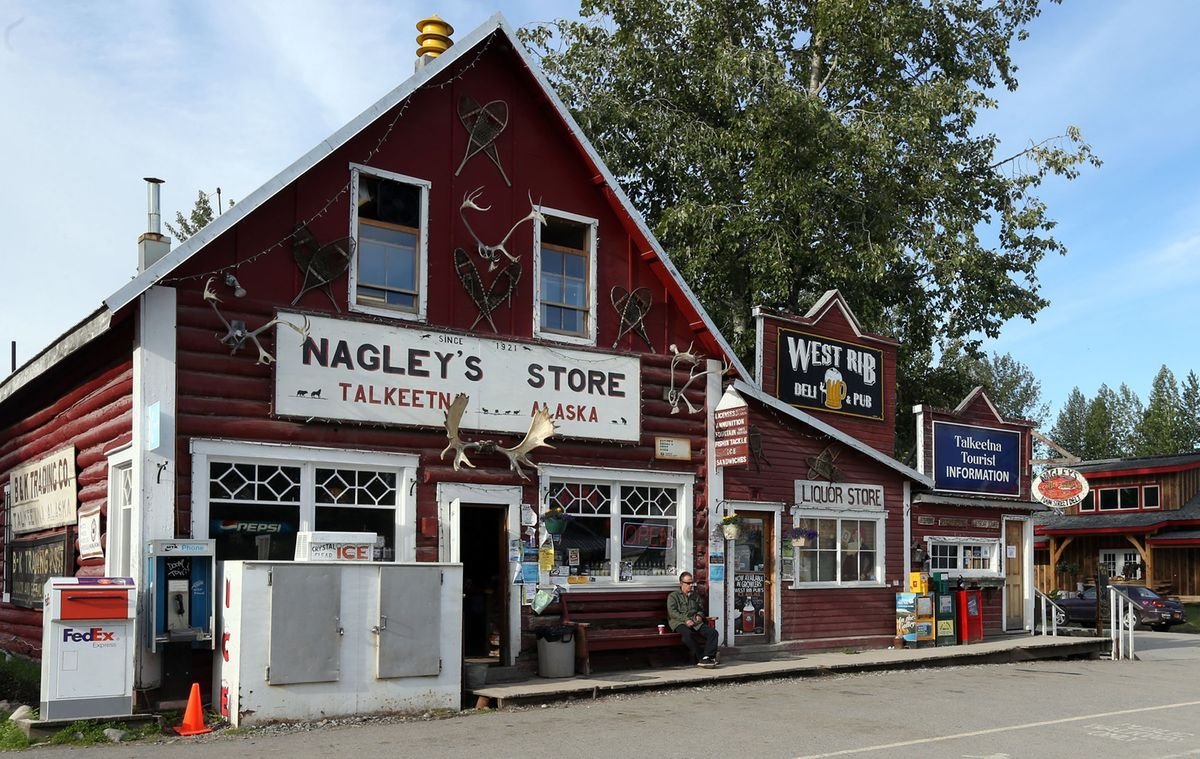
Drive between Denali National Park and Talkeetna.
Half-day at leisure in Talkeetna.
Talkeetna is a charming, artisanal town. It is located at the confluence of three rivers and takes its name from the Talkeetna River. Founded in 1919, it now offers many activities such as rafting, kayaking, and scenic flights to Mount Denali. The town itself is picturesque, with its colorful wooden houses, cabins adorned with caribou antlers, and craft shops along the main street. Its rustic and picturesque atmosphere makes it a unique place in Alaska.
Road between Talkeetna and Glacier View.
Overnight stay at a hotel near Glacier View.
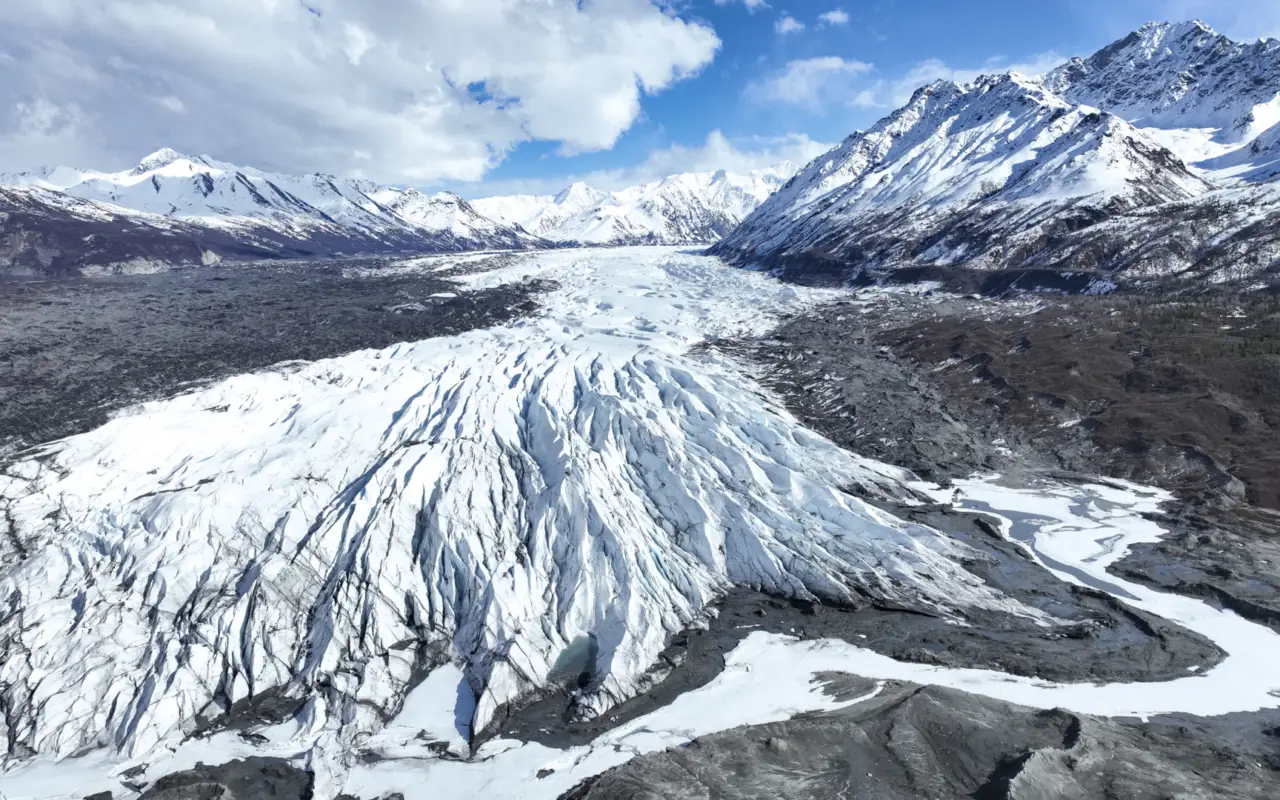
Guided Day Trip to Explore the Matanuska Glacier.
For thrill-seekers, we recommend embarking on this adventure-filled day trip, which will take you all the way to the back of the glacier.
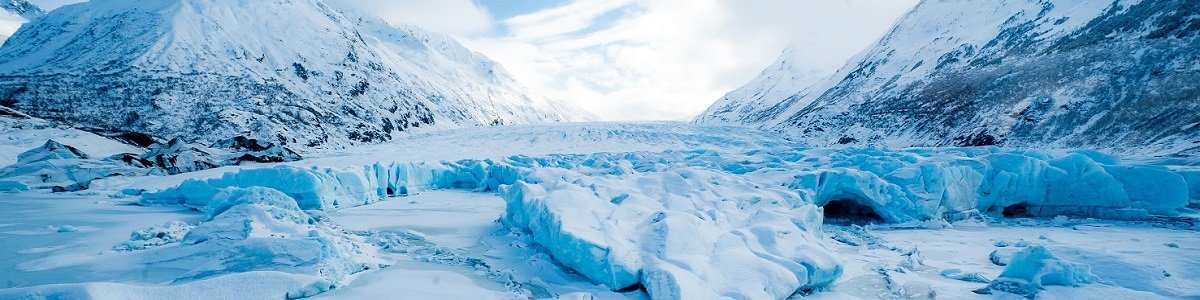
After putting on your mountaineering crampons and helmet, you’ll receive instructions to help you get comfortable with crampon walking techniques. Then, you’ll head into a remote area of the glacier to explore its various features, getting up close to crevasses and blue pools. The day will alternate between walking, rope-assisted climbing on the glacier, and trekking along the edges of crevasses and over rugged terrain.
Overnight at a hotel near Glacier View.
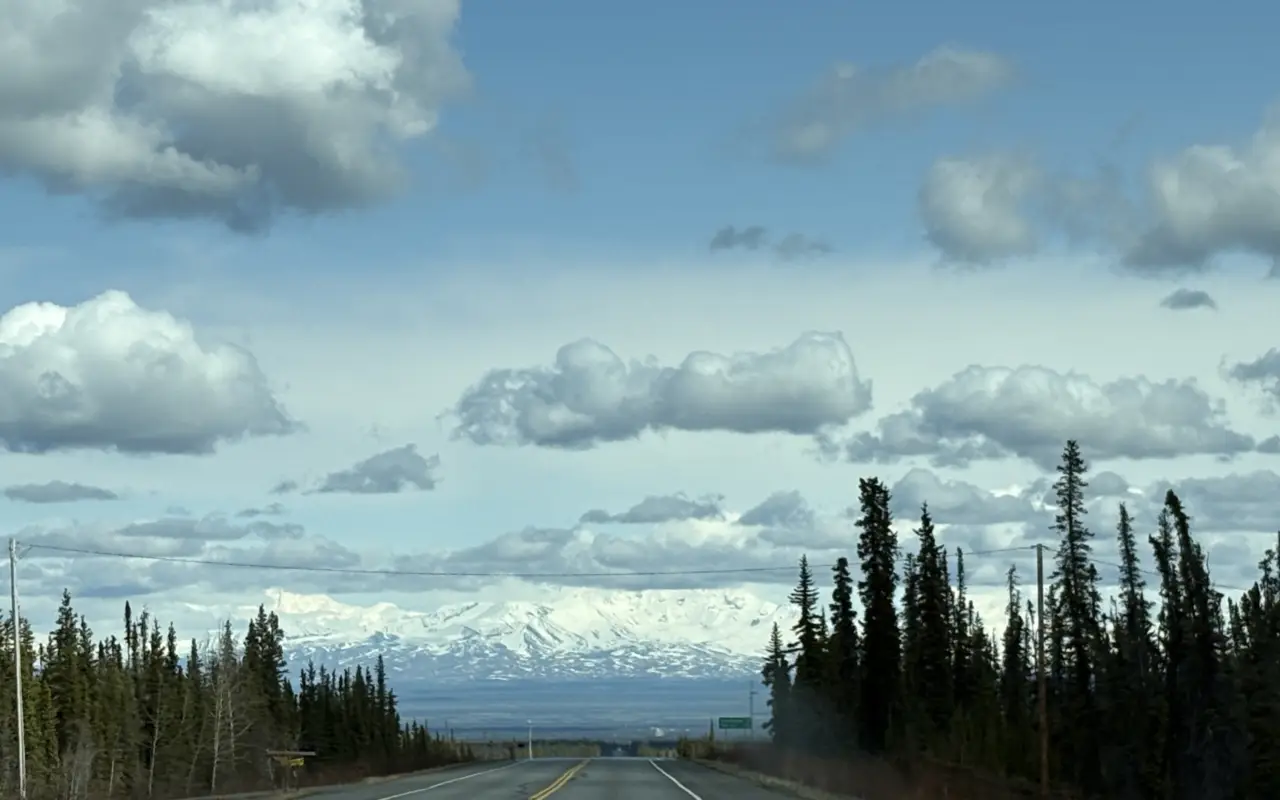
The road between Glacier View and McCarthy—a wonderful adventure!
If you’ve decided to take this road, it means you’ve deliberately chosen to venture off the beaten path! The road is paved all the way to the village of Tonsina, the last outpost of civilization, and then turns into a dirt road leading to the village of McCarthy. It will take you straight to the majestic Wrangell-St. Elias National Park, rich in natural and historical wonders. Wrangell-St. Elias National Park and Preserve is the largest national park in the United States, with its towering peaks and massive glaciers.
The road was once a railroad track built to transport copper from the Kennecott mines to Alaska’s ports. Since mining operations ceased in 1938, the road has been covered with gravel, and you’ll finish your journey on foot to cross the bridge and finally reach McCarthy.
Overnight at a hotel in McCarthy.
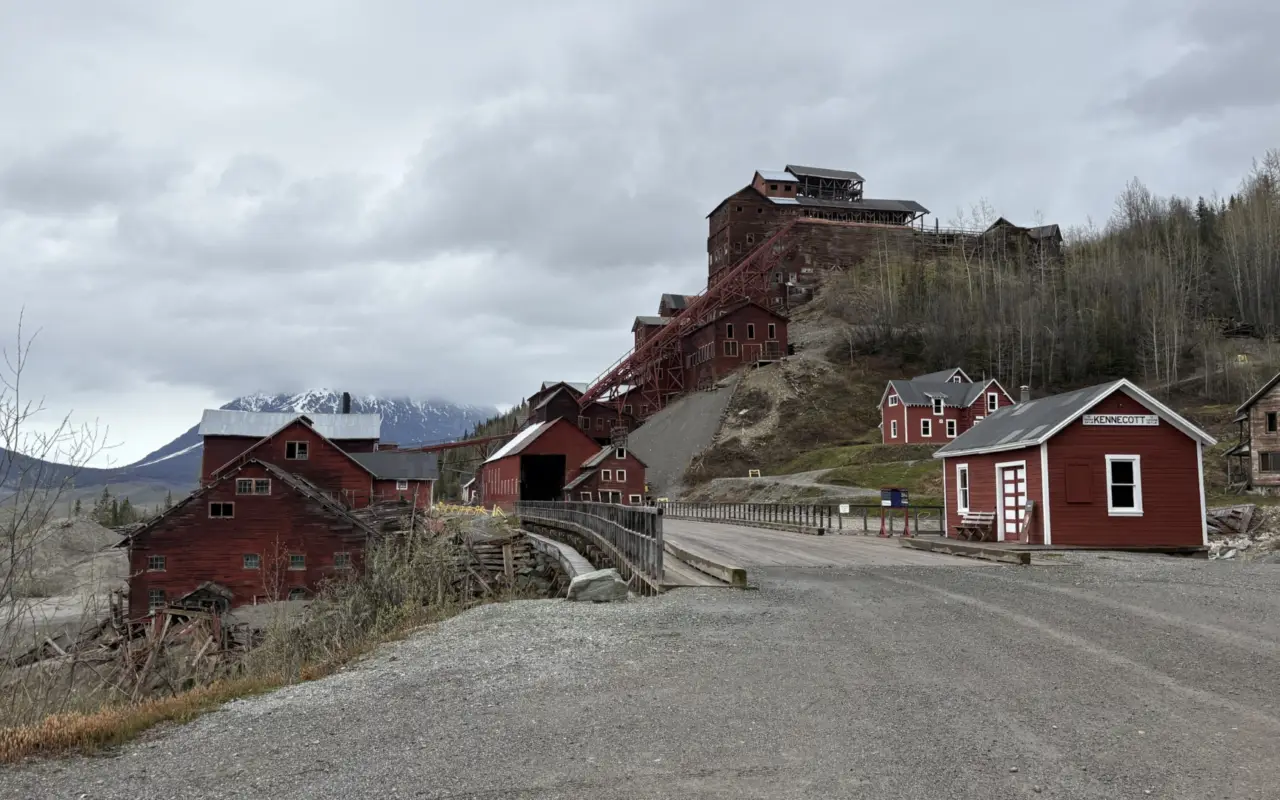
Free day in McCarthy, a charming old-time village where time seems to have stood still.
You can take this opportunity to visit Kennicott, a former mining town. We highly recommend hiking one of the many trails near Root Glacier. On the way back, stop at the McCarthy Historical Museum to learn more about the region’s legendary history.
End the day with an Alaskan beer or hot chocolate, surrounded by mountains, in one of Alaska’s most unique spots.
Overnight stay at a hotel in McCarthy.
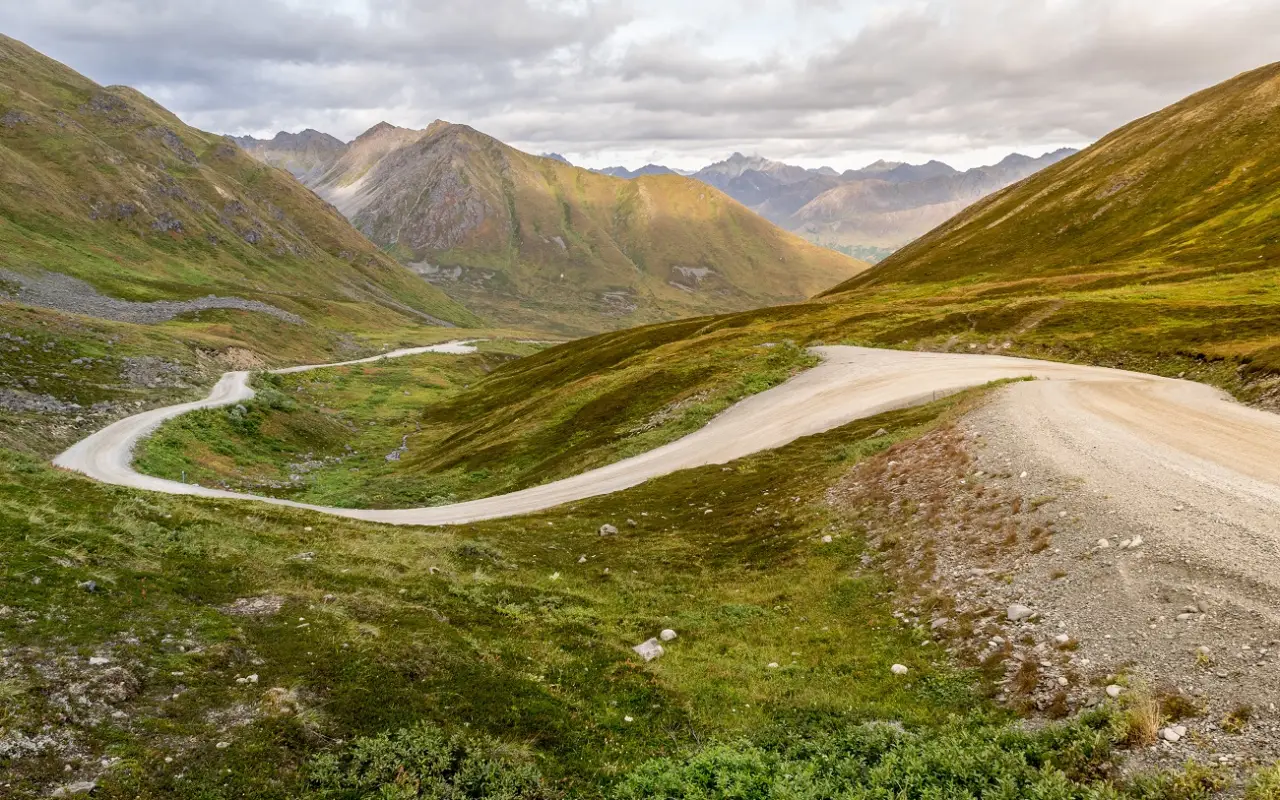
The road between McCarthy and Palmer. The drive is spectacular, winding through mountains and glaciers.
Overnight stay at a hotel in Palmer.
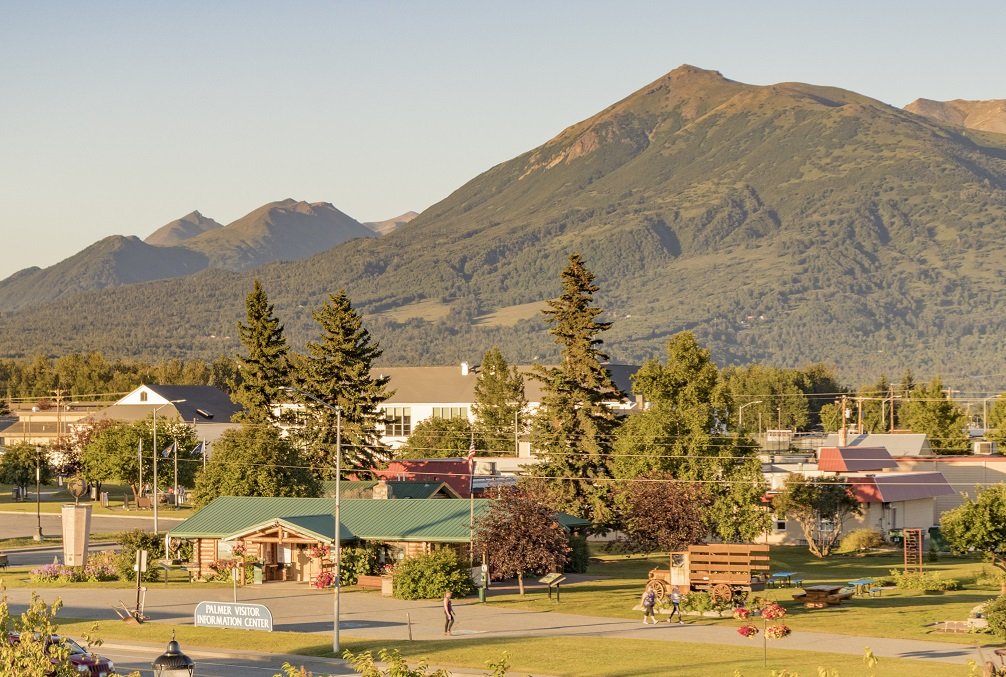
A Day of Exploration in the Wasilla/Palmer/Hatcher Pass Region.
There are many wonderful things to do in this region—here’s a glimpse. We’ll then provide more specific recommendations based on your interests.
Set out for Hatcher Pass via the magnificent scenic mountain road, with its panoramic views of the Chugach Range. At the end of the road, discover the historic Independence Mine State Historic Site. This former gold mine is quite unique; in fact, there were very few mining sites in this southern part of Alaska. Perched at an elevation of 1,184 meters, it was in operation from 1886 to 1951. While there, you can learn more about mining techniques and life in the historic village, where a few buildings still stand.
Overnight stay at a hotel in Palmer.
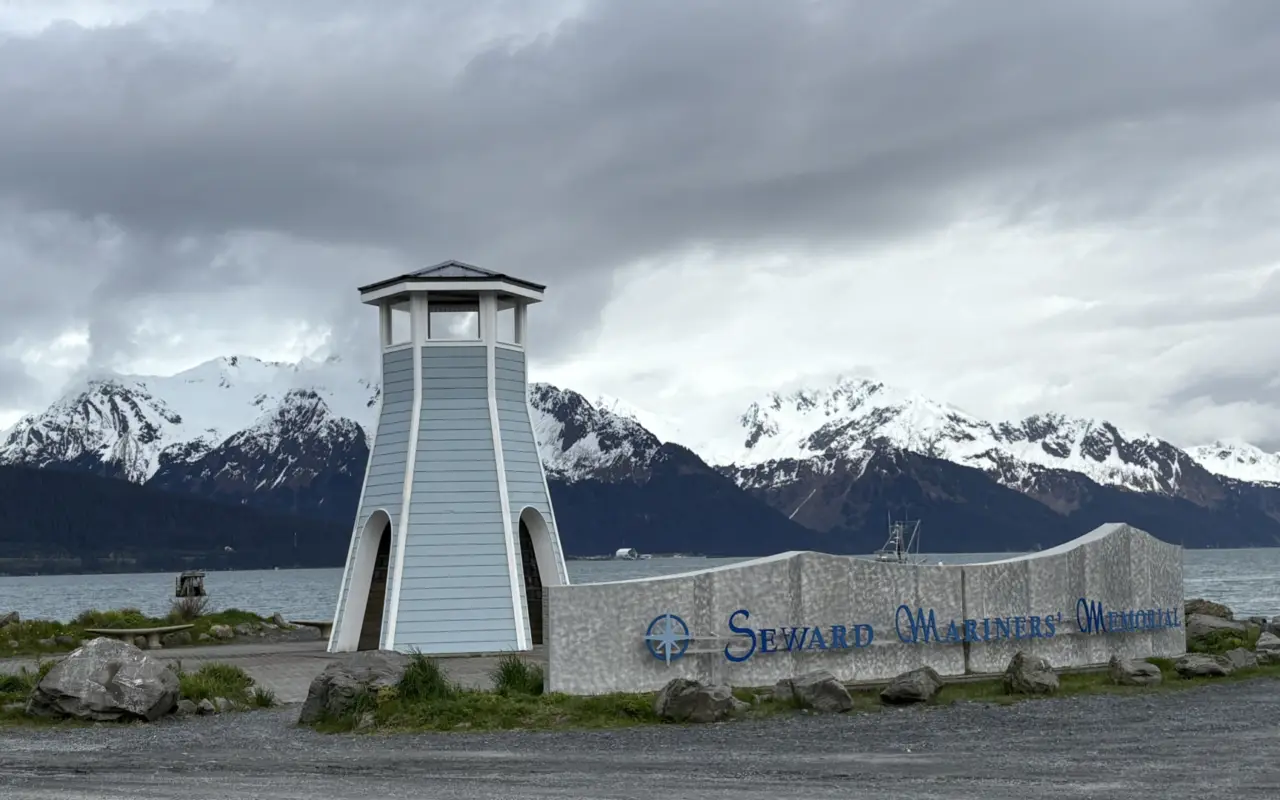
The road between Palmer and Seward.
The road winds through Kenai Fjords National Park. Some of the scenic viewpoints are breathtaking: various stops will allow you to admire the beauty of nature, from forests to glaciers. In the heart of the Kenai Mountains lies the majestic Exit Glacier, which you’ll see after a short hike.
Overnight stay at a hotel in Seward.
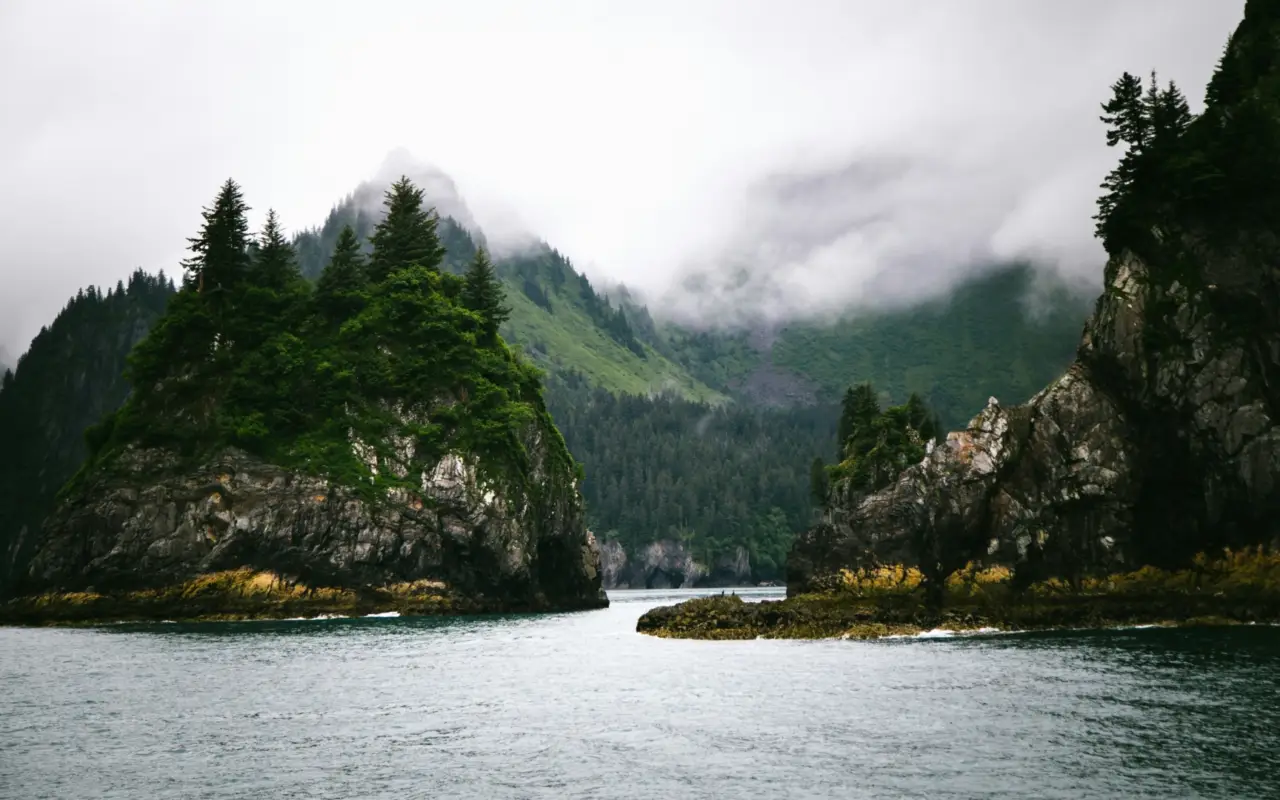
Boat tour to observe marine wildlife in Kenai Fjords and Resurrection Bay.
From the port of Seward, you’ll embark on a half-day trip aboard a small boat, and your captain will navigate the calm, sheltered waters of the northwestern part of Kenai Fjords National Park in search of whales (including humpback whales and orcas), sea otters, seals, and bird colonies. The rugged coastline of the Chugach mountain range adds to the beauty of the scenery. The expedition also offers the chance to get up close to some glaciers.
The afternoon is free to explore Seward and its surroundings at your own pace.
You’ll be fascinated by the variety of landscapes and hiking trails—both on land and by the sea—that you can explore from the town. This small town, with fewer than 3,000 residents, has an interesting history that you can discover in its small museums. A cornerstone of the Kenai Peninsula, it now offers numerous opportunities for boat trips and hikes.
Overnight stay at a hotel in Seward.
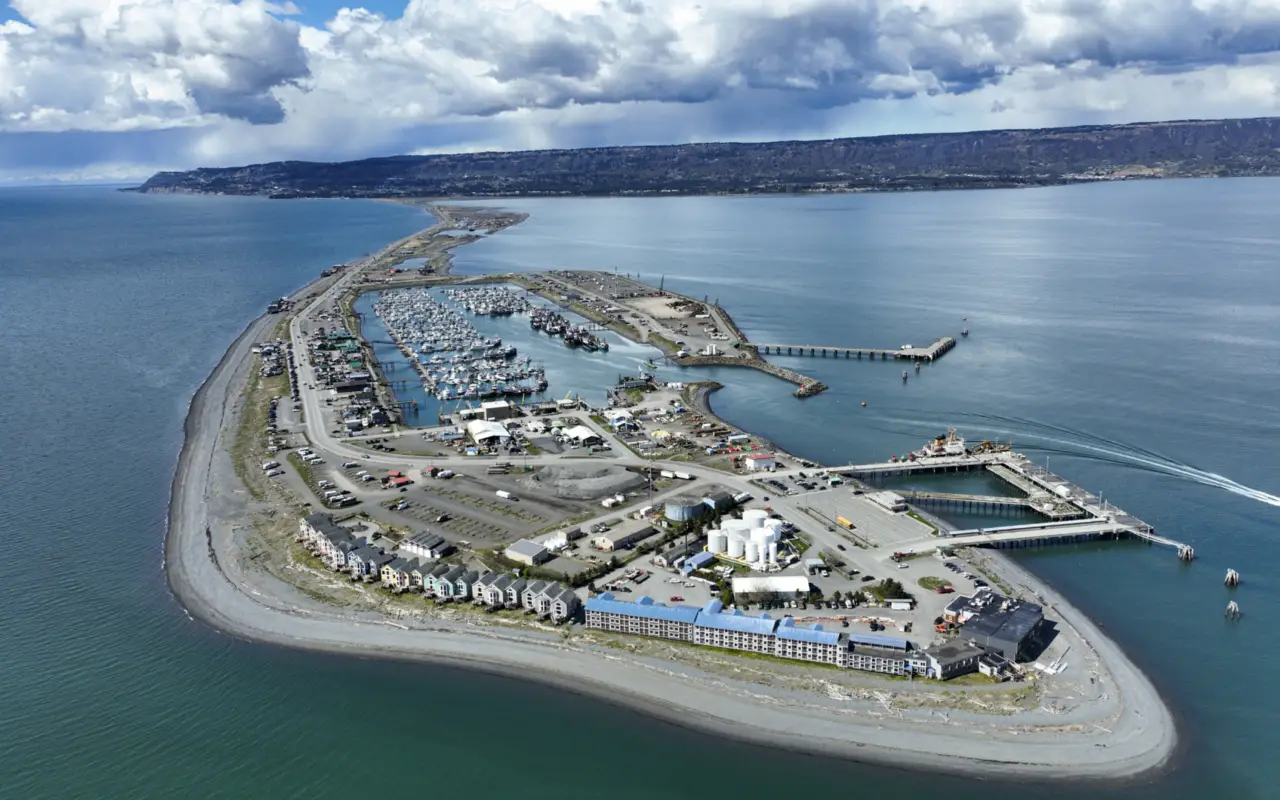
The drive between Seward and Homer.
You’ll arrive in Homer, a town known worldwide for sport fishing and the halibut fishing capital. The route winds through Kenai Fjords National Park before reaching the coast. Several photo stops are scheduled along this scenic route.
Free day to explore Homer at your own pace.
As the terminus of the Sterling Highway, which runs along the west coast of the Kenai Peninsula, Homer is well worth exploring to immerse yourself in its history and natural beauty. The “downtown” area is a maze of narrow streets lined with colorful wooden houses, small cafés, and great spots to sample the famous king crab legs. The fishing harbor alone speaks to the importance of halibut fishing. And for photographers, the colorful mosaic of buoys will delight your lenses. The “Spit”—a seven-kilometer strip of land jutting out into the sea—is impressive. There you’ll find shops, restaurants, and lovely walking paths. Venturing along the seashore is breathtaking; the strong waves add to the wild, untamed feel of the place.
Finally, the area surrounding the town is perfect for beautiful hikes, both along the coast and inland among the mountains of Kachemak Bay.
Overnight stay at a hotel in Homer.
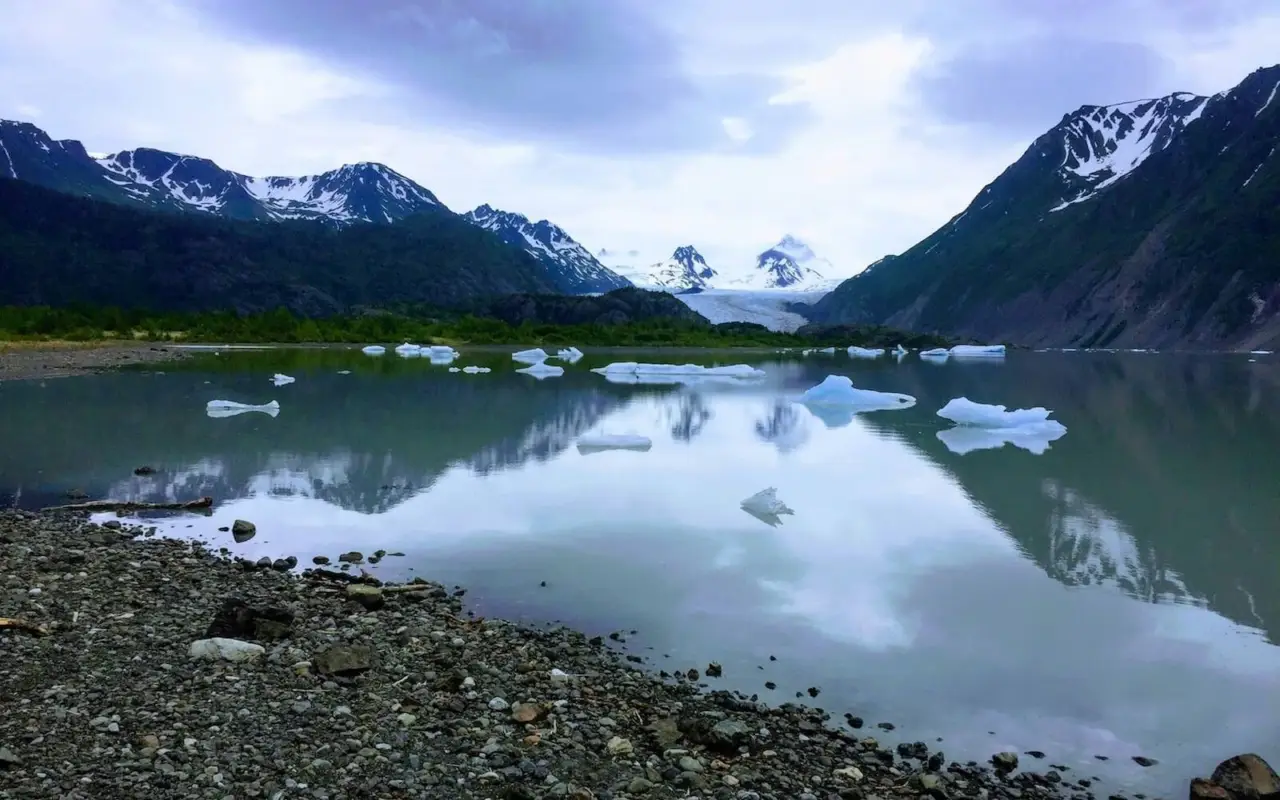
Guided Kayaking Day Trip in Kachemak Bay.
For true adventurers seeking the vastness of Alaska, this authentic day trip is perfect for you! Between the two bays, you’ll paddle through a variety of landscapes, from the calm waters of the bay to the open sea, encountering marine life along the way. You’ll get up close to the bird colonies on Gull Island, including magnificent Atlantic puffins and other seabirds. The scenery changes as the day progresses, with coastal cliffs giving way to beautiful beaches—perfect for short hikes to break up the day and, above all, to admire the panoramic views.
Overnight stay at a hotel in Homer.
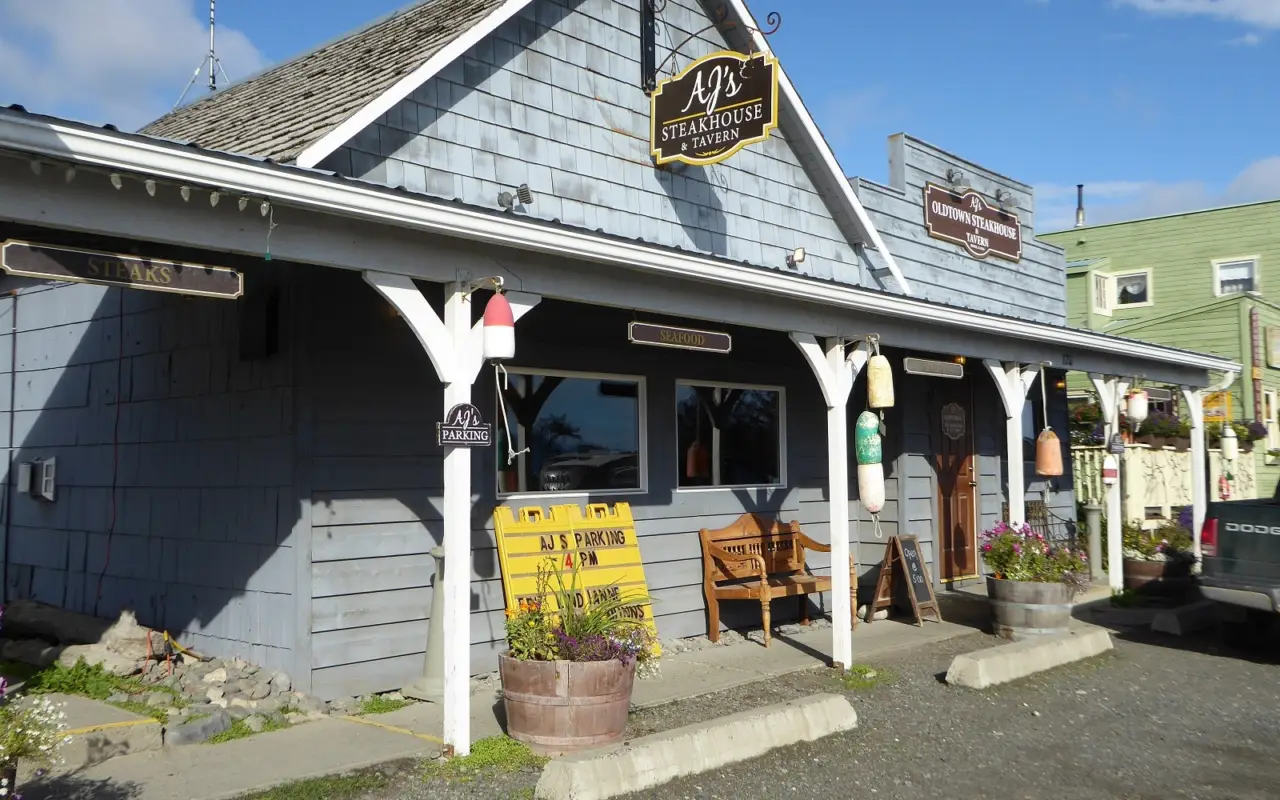
Drive between Homer and Anchorage.
Half-day at leisure in Anchorage.
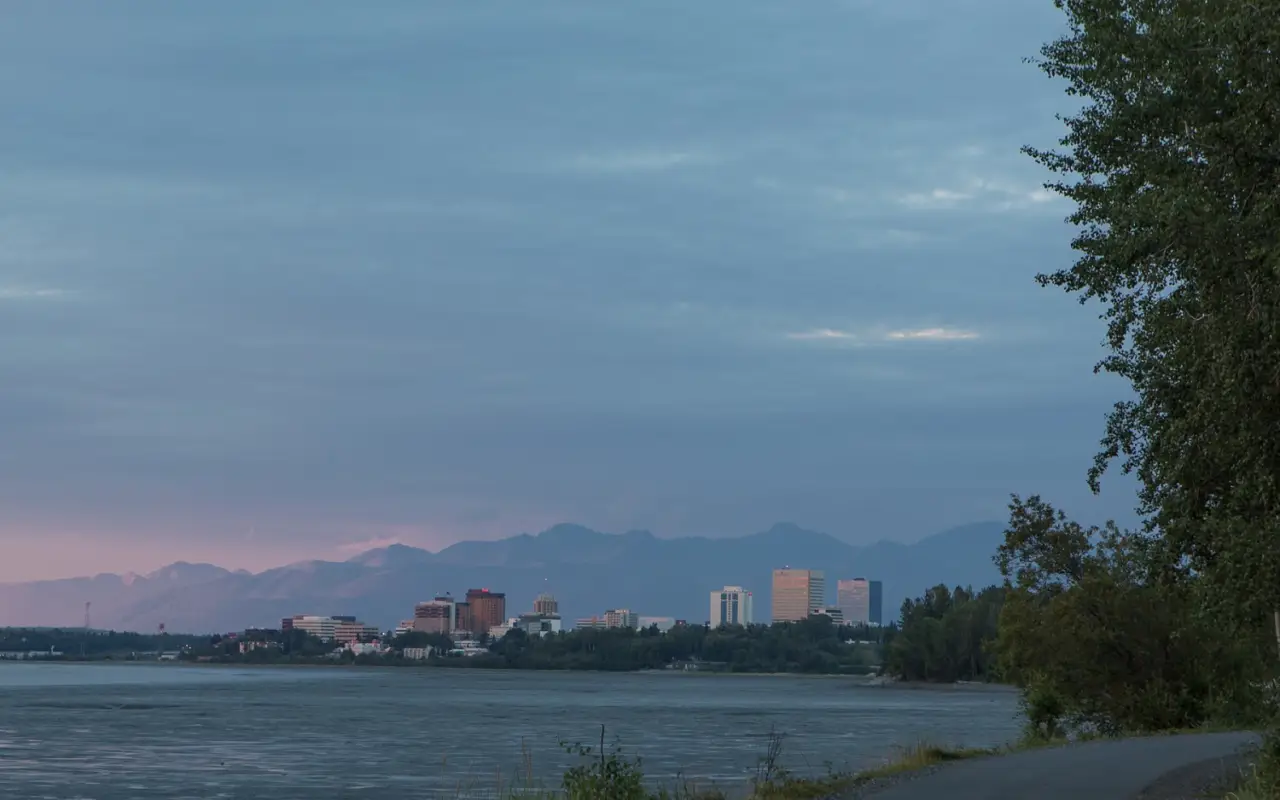
Explore the largest city in the state of Alaska. Anchorage isn’t a particularly charming city, but it was the starting point for the construction of the famous Alaska Railroad. The city has gone through various eras, from the visit of British explorer James Cook to the discovery of gold and oil decades later. You’ll stroll through the various streets of downtown and, from an observation deck, view one of the continent’s most important urban fishing spots—an iconic site for the migration of king, coho, and pink salmon.
Next, we strongly recommend visiting the Alaska Native Heritage Center, the province’s largest center for learning about Indigenous cultures. You’ll journey through 10,000 years of history through exhibits, dance and art demonstrations, games, and films, as well as by visiting the traditional habitats of these cultures. A fascinating and highly interactive experience.
Overnight stay at a hotel in Anchorage.
Return your rental car in downtown Anchorage.
On your own: Transfer from downtown Anchorage to Anchorage Airport.
Connect to your international flight.
Local expertise

Custom Design
Monitoring and Security
Authentic Experiences
No middlemen
Responsible Tourism