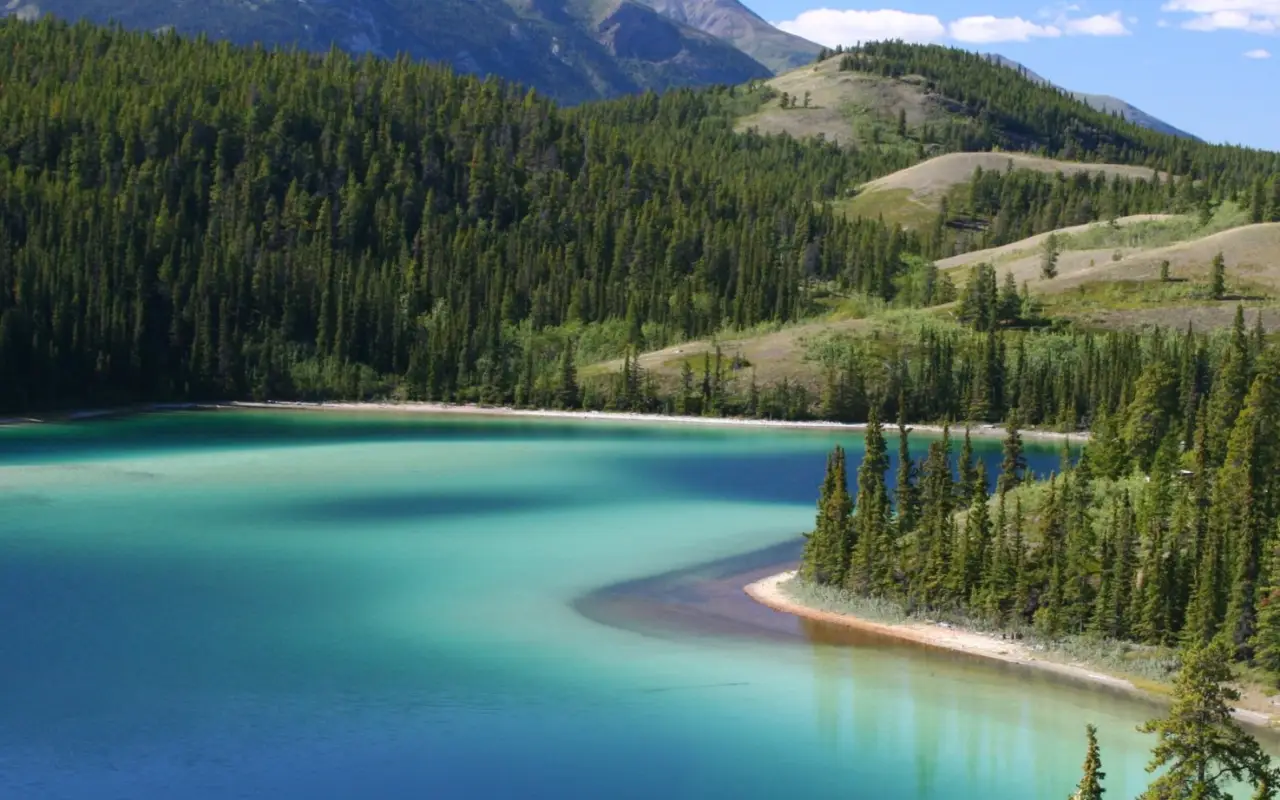
Lake Clark National Park, in southwestern Alaska, features volcanoes, turquoise lakes, glaciers, and salmon-filled rivers—all without a single road. It is one of the best places in the state to spot brown bears, along the shores of Chinitna Bay and Silver Salmon Creek. Accessible by small plane from Anchorage, Homer, or Kenai, often on a day trip. Adjacent to Katmai National Park. Best time to visit: June through September.
Across Cook Inlet, an hour’s flight from Anchorage, Lake Clark National Park embodies the wild side of Alaska: volcanic peaks, deep-blue lakes, glaciers, and rivers where salmon run. No roads lead there, which helps preserve its pristine character.
The park owes its reputation tobear viewing, asbrown bears forage freely along its coastline. Often visited on day trips by small plane, it’s the perfect complement to Katmai National Park. This page provides details on the bears, activities, the season, and how to get there.
Why visit Lake Clark State Park?
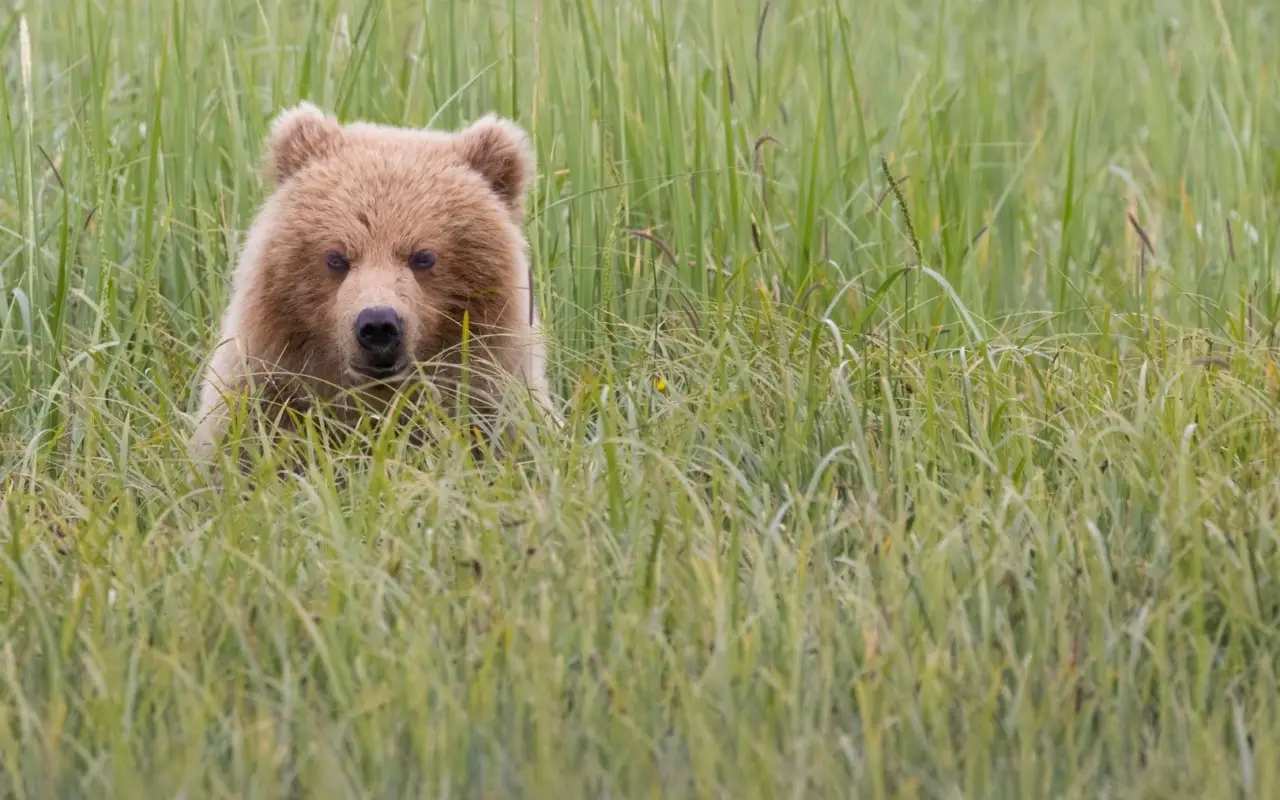
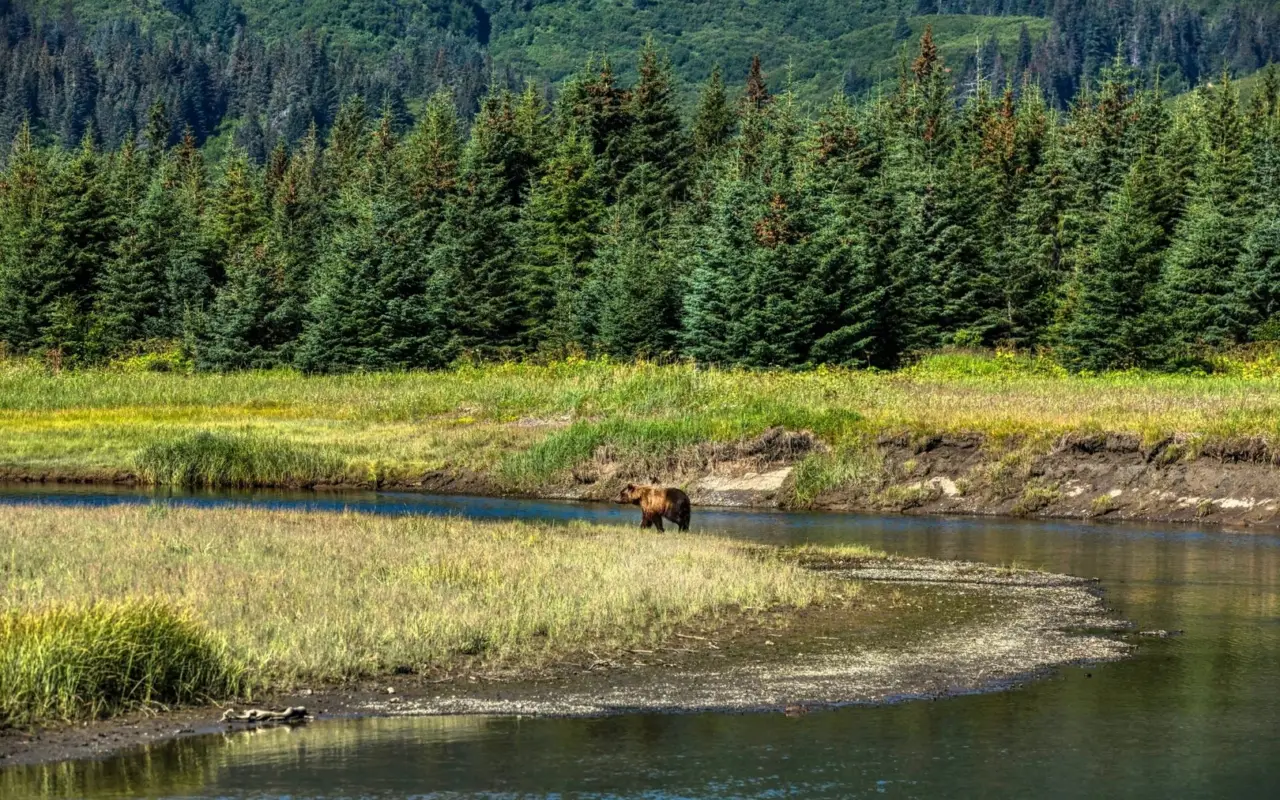
Lake Clark offers some of the most accessible and intimate brown bear viewing in Alaska. On the coastal meadows of Chinitna Bay and Silver Salmon Creek, bears graze, dig for clams, and fish for salmon, often just a short distance from guided visitors.
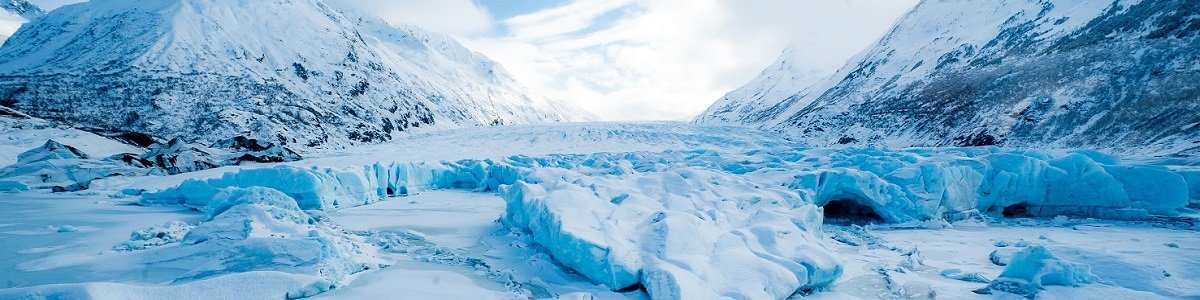
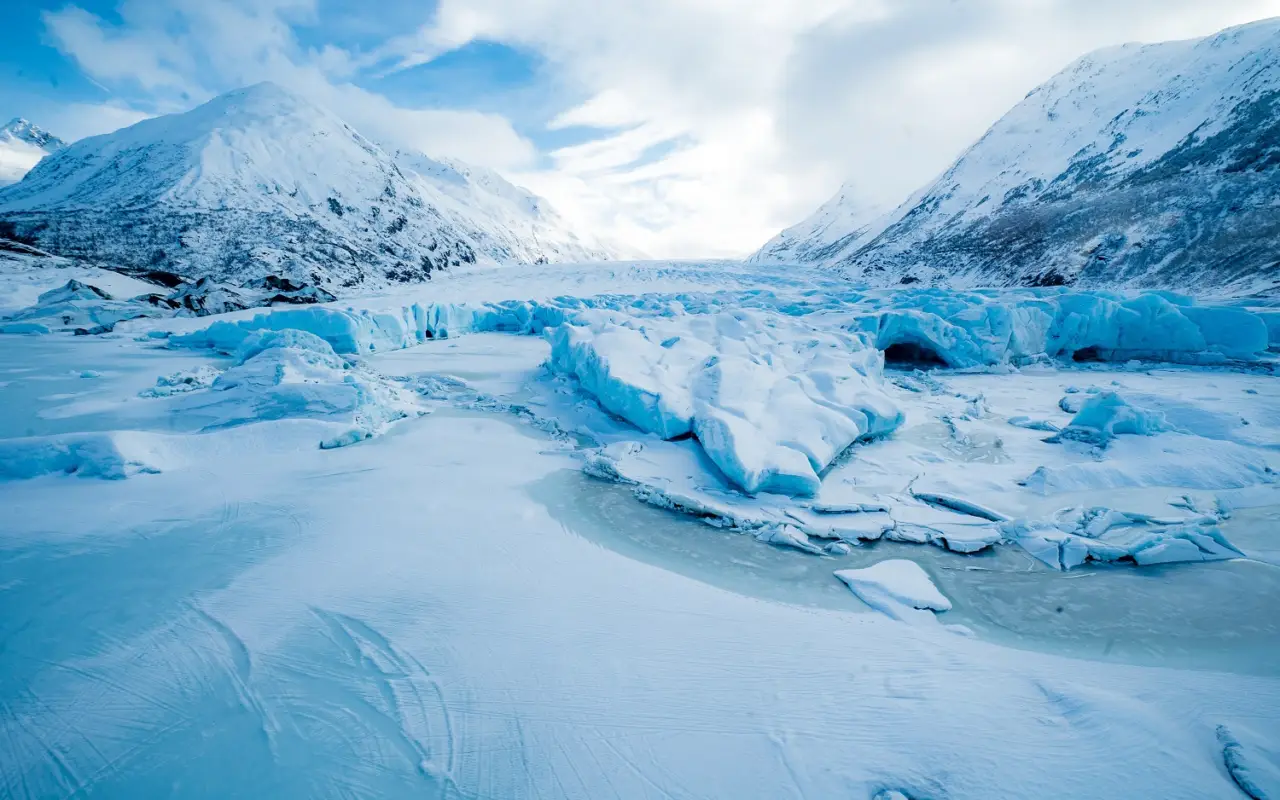
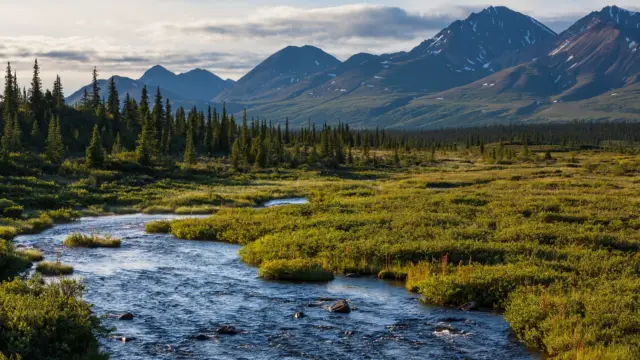
Beyond the bears, the park boasts a rare diversity: active volcanoes, turquoise lakes, glaciers, and fish-filled rivers—all without roads or crowds. It’s a destination for those seeking untamed nature and wildlife, whether on a day trip or a lodge stay, often as a complement to Katmai.
What to Do at Lake Clark Park?
Here are the top experiences, focused on wildlife and nature.
1. Brown Bear Watching
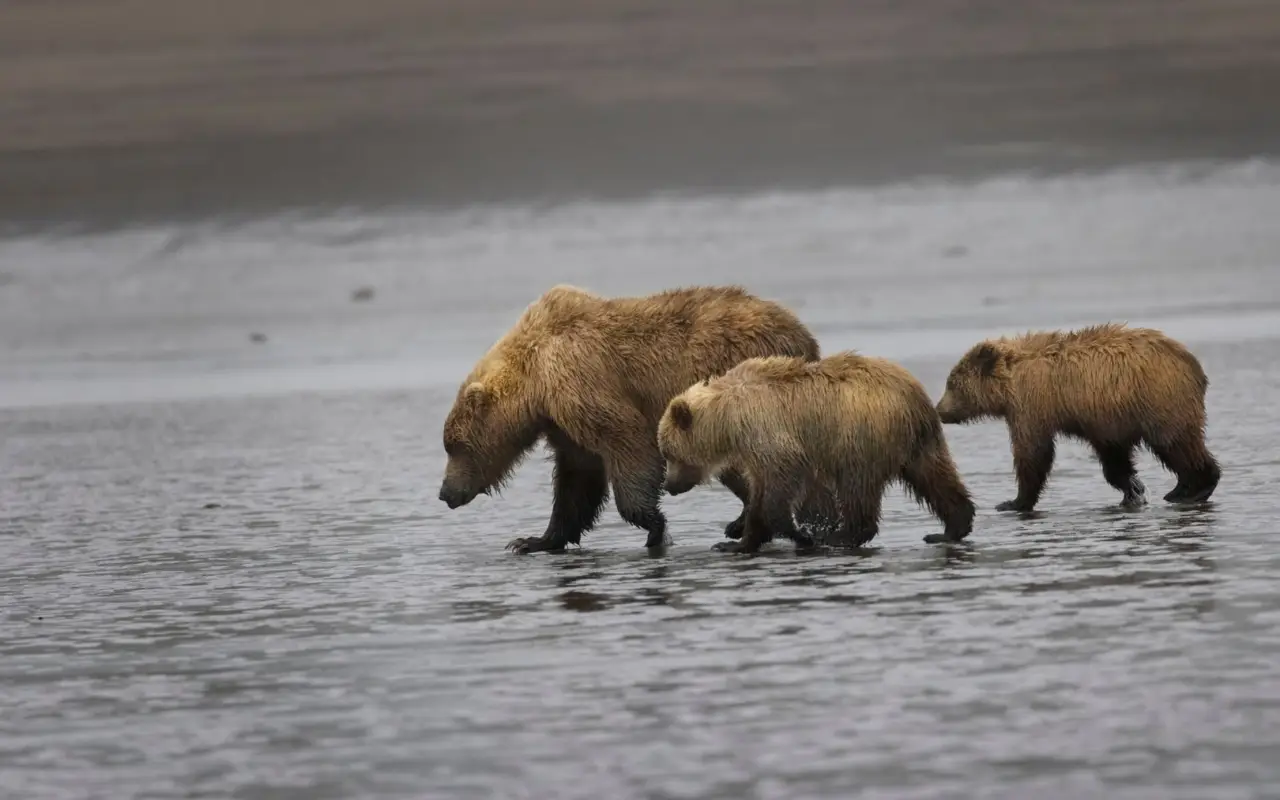
Brown bear watching is Lake Clark’s signature attraction. Along the shores of Chinitna Bay and Silver Salmon Creek, bears forage in the meadows and on the foreshore, then fish for salmon in the summer. Guided day trips are available via small plane from Anchorage, Homer, or Kenai.
2. Fly over volcanoes and lakes
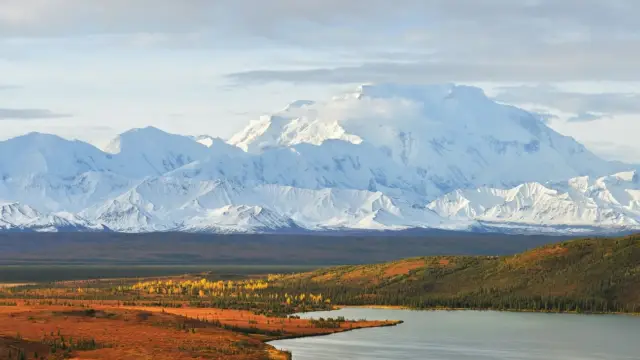
The flight to the park is a spectacle in itself. The park is home to active volcanoes, including Redoubt and Iliamna, turquoise lakes such as Lake Clark—which gives the park its name—and glaciers. Certain flights and lodge stays allow you to explore this mosaic of landscapes, which are inaccessible by road.
3. Fishing and Kayaking
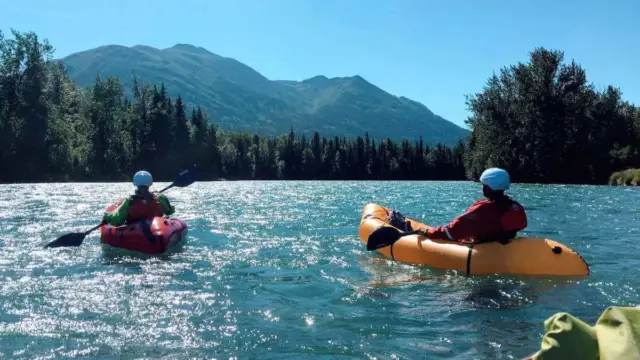
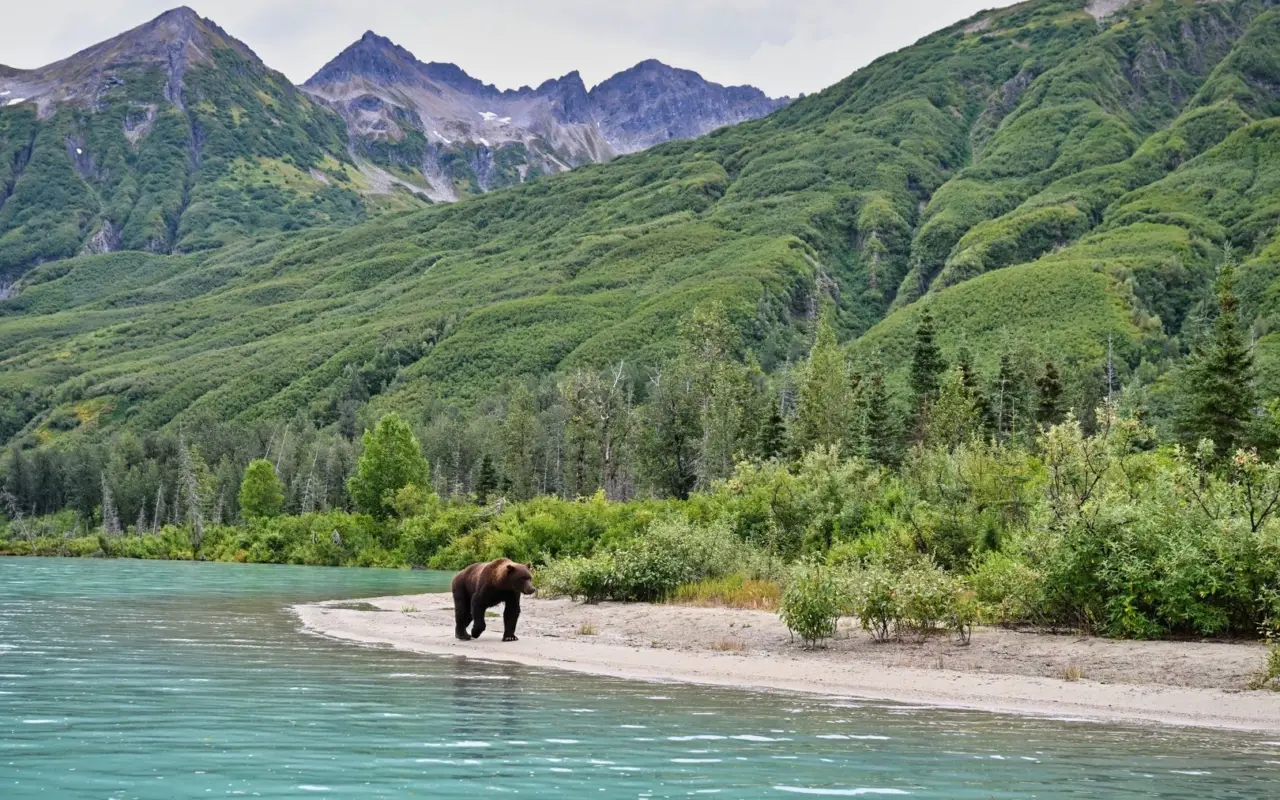
The rivers and lakes of Lake Clark are among the most abundant in Alaska, renowned for their salmon and trout. Fishing, kayaking, and hiking can be enjoyed from the park’s lodges in a pristine setting. The wild, designated Tlikakila River attracts whitewater rafting enthusiasts.
When is the best time to visit Lake Clark National Park?
The season runs from June through September. In the spring and early summer, bears graze on grasses and dig for clams on the foreshore. Starting in July, they hunt salmon as they run upstream—a highlight for wildlife watching.
The summer months also offer the best conditions for fishing, kayaking, and scenic flights. Outside of this window, access and services are significantly reduced. Check out our guide on when to visit Alaska.
| Season | About Us | Activities |
|---|---|---|
| June through early July | Grazing on grasses, clams | Wildlife viewing, kayaking, fishing |
| July through September | Salmon fishing | Wildlife viewing, fishing, scenic flights |
| October through May | Hibernation | Very limited access |
How do you get to Lake Clark National Park?
The park is not accessible by road. It can be reached by small plane or seaplane, usually as a day trip from Anchorage, Homer, or Kenai—a flight of about one hour. Flights are weather-dependent.
Some lodges in the park offer multi-day trips focused on bear watching. Many travelers combine Lake Clark and Katmai into a single trip. Our team organizes these excursions and extensions. Discover our wildlife experiences in Alaska.
Frequently Asked Questions About Lake Clark National Park
Where is Lake Clark National Park located?
Lake Clark National Park is located in southwestern Alaska, about 160 kilometers southwest of Anchorage, across Cook Inlet. With no access roads, it can only be reached by small plane, often from Anchorage, Homer, or Kenai, in about an hour’s flight.
What is there to do in Lake Clark National Park?
Lake Clark is renowned for brown bear viewing, particularly along the shores of Chinitna Bay and Silver Salmon Creek, where bears forage in the meadows and on the foreshore. The park also offers fishing, kayaking, hiking, and scenic flights over volcanoes, turquoise lakes, and glaciers.
When is the best time to see bears in Lake Clark?
The bear-viewing season runs from June through September. Bears graze on grasses and dig for clams in the spring and early summer, then catch salmon during the run, starting in July. Day trips are available via small plane from Anchorage, Homer, or Kenai.
How do you get to Lake Clark?
The park is not accessible by road. It can be reached by small plane or seaplane, usually for a day trip from Anchorage, Homer, or Kenai. Some lodges in the park offer multi-day stays focused on bear watching and nature.
Is Lake Clark a good destination for a trip from Anchorage?
Yes. Many visitors discover Lake Clark on a day trip by plane from the Anchorage, Homer, or Kenai areas, primarily for bear watching. A multi-day extension at a lodge allows you to further explore the park’s lakes, volcanoes, and rivers.
What makes Lake Clark special?
Lake Clark brings together active volcanoes, turquoise lakes, glaciers, salmon-filled rivers, and some of the best brown bear viewing in Alaska—all within a single park, free of roads and crowds. It complements the neighboring Katmai National Park, which is often combined with Lake Clark on the same trip.
Last updated: August 19, 2026.
About Terra Alaska
Terra Alaska is a local travel agency specializing in custom trips to Alaska and a member of the Terra Panamerica network. Our team designs itineraries tailored to each traveler, from national parks to winter expeditions under the Northern Lights. Discover our expertise as a local inbound travel agency.
Contact us to plan your trip or explore our suggested itineraries.
Sources
National Park Service (Lake Clark National Park and Preserve); Travel Alaska (Lake Clark).