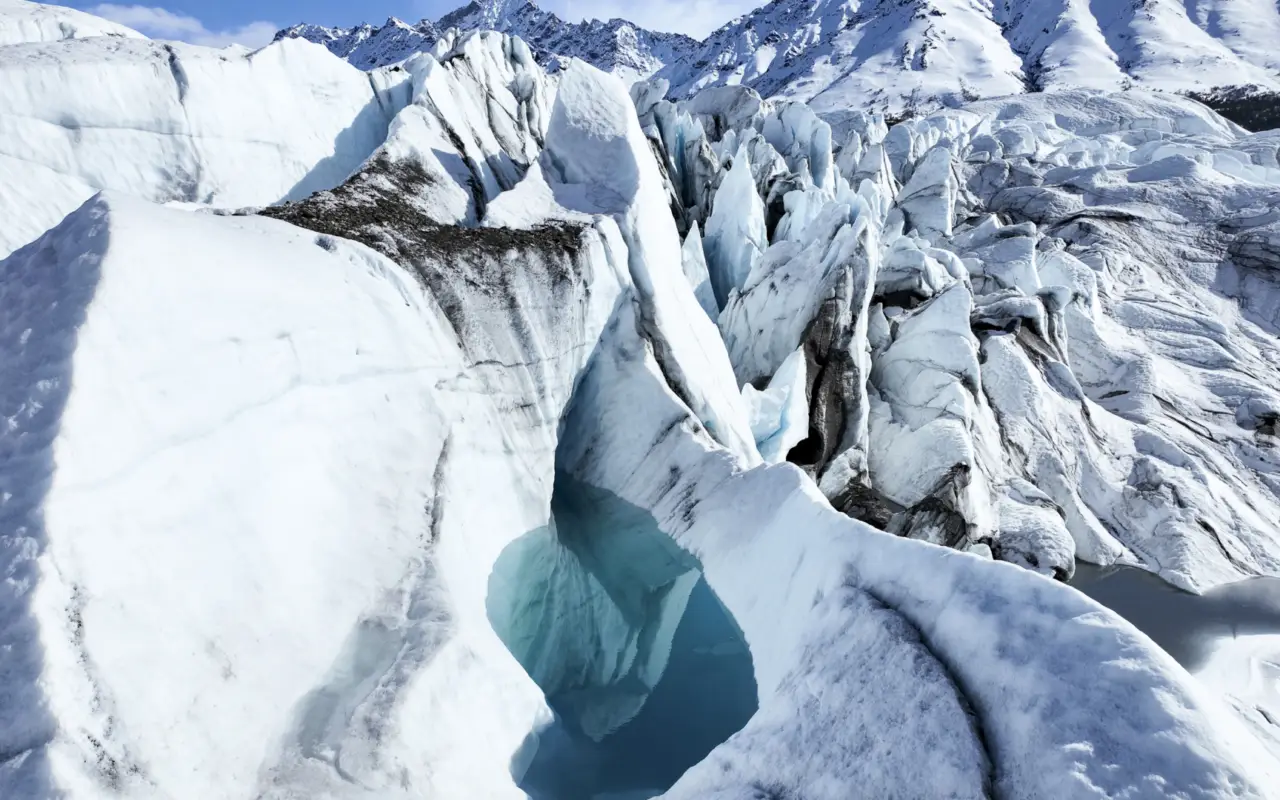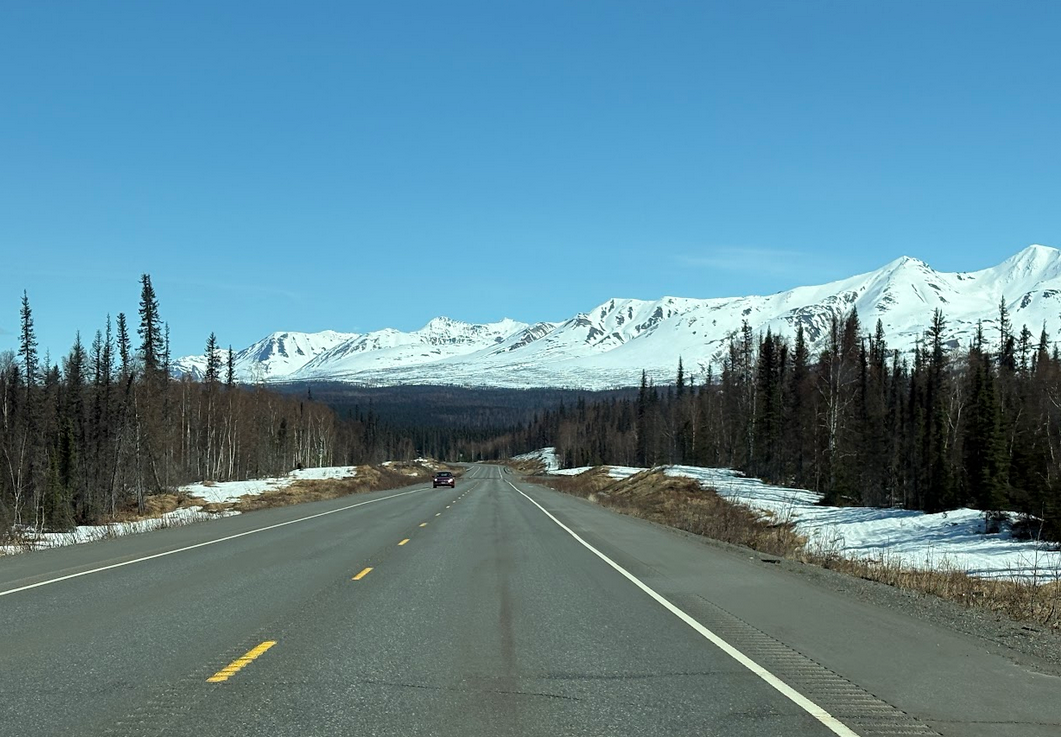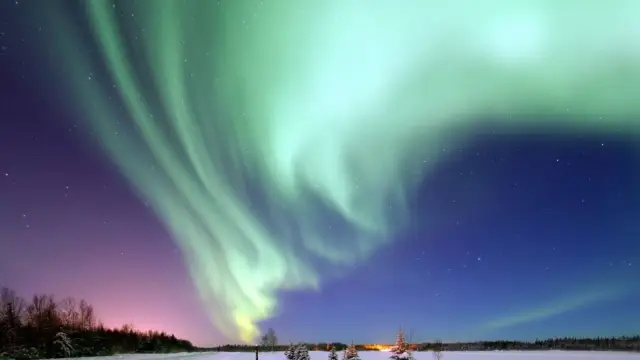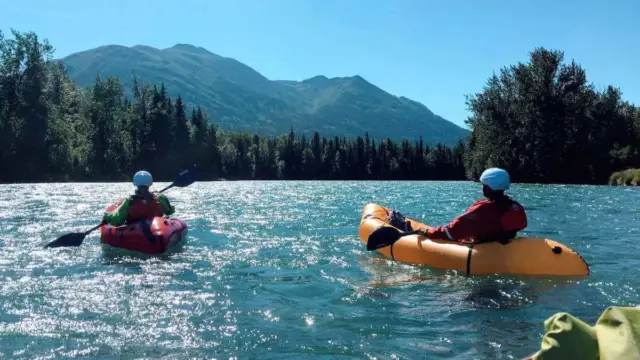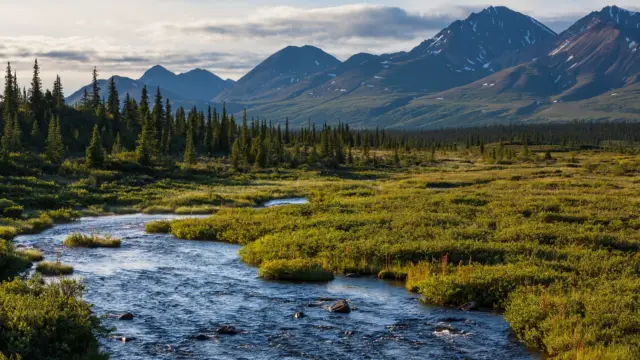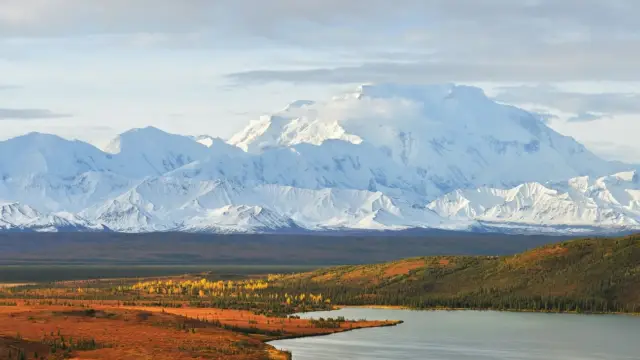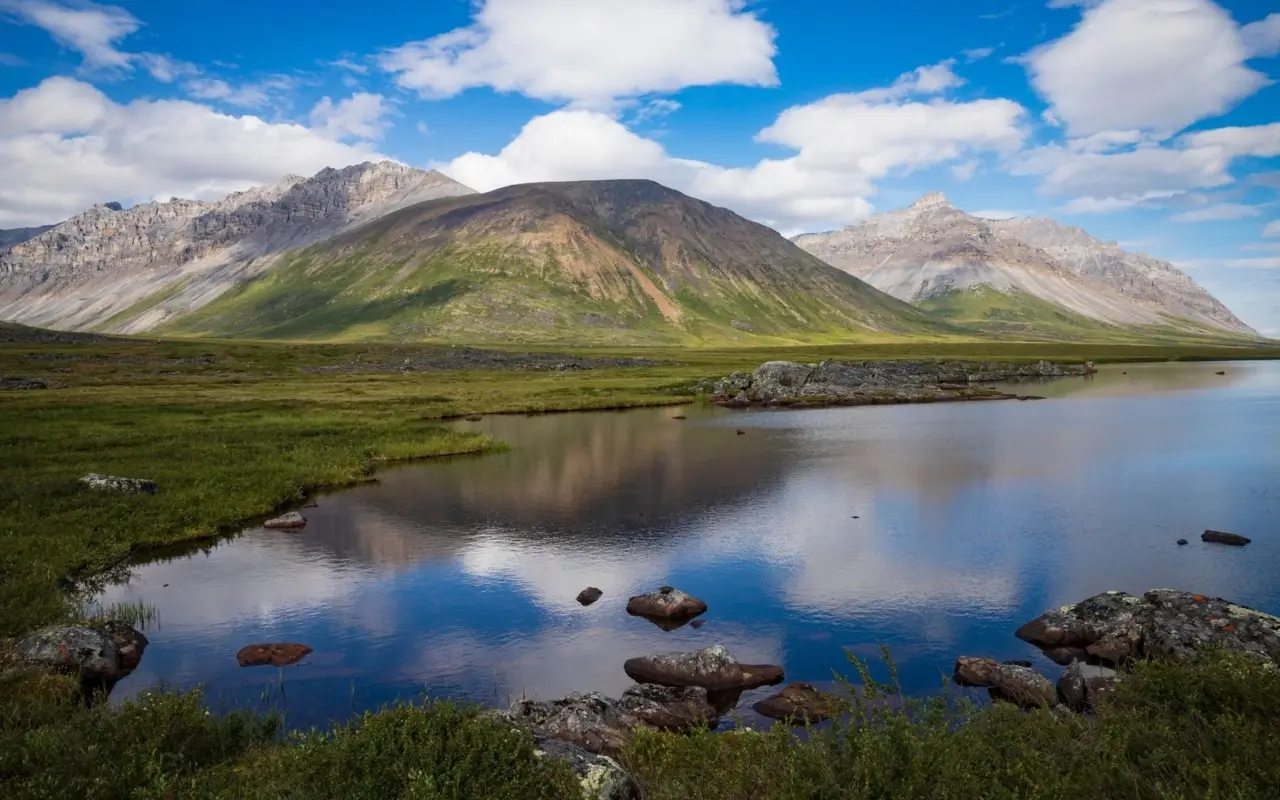
Gates of the Arctic National Park, located entirely north of the Arctic Circle, is one of the most remote national parks in the United States. With no roads or trails, it can only be reached by plane from Fairbanks. It’s ideal for hiking, whitewater rafting, and spotting Arctic wildlife such as caribou, bears, and wolves. Its dark skies also make it a prime spot for viewing the Northern Lights. Best time to visit: June through early September.
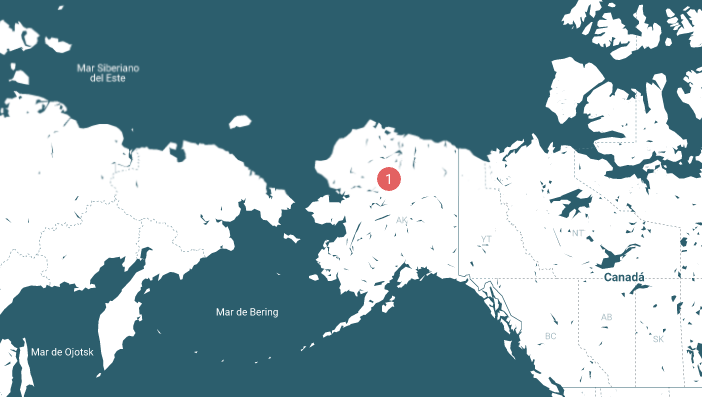
In the heart of the Brooks Range, in northern Alaska, Gates of the Arctic National Park protects a vast expanse of tundra, mountains, and rivers, all located entirely above the Arctic Circle. As the second-largest national park in the United States, it has no roads, trails, or infrastructure.
It is anexpedition destination for self-sufficient travelers or those accompanied by guides, all seeking the ultimate wilderness experience. Off-trail hiking, packrafting, Arctic wildlife, and the Northern Lights make this a truly unique adventure. This page details the activities, access, seasons, and the spirit of the place. It complements our page on Fairbanks, the gateway to the Far North.
Why Visit Gates of the Arctic?
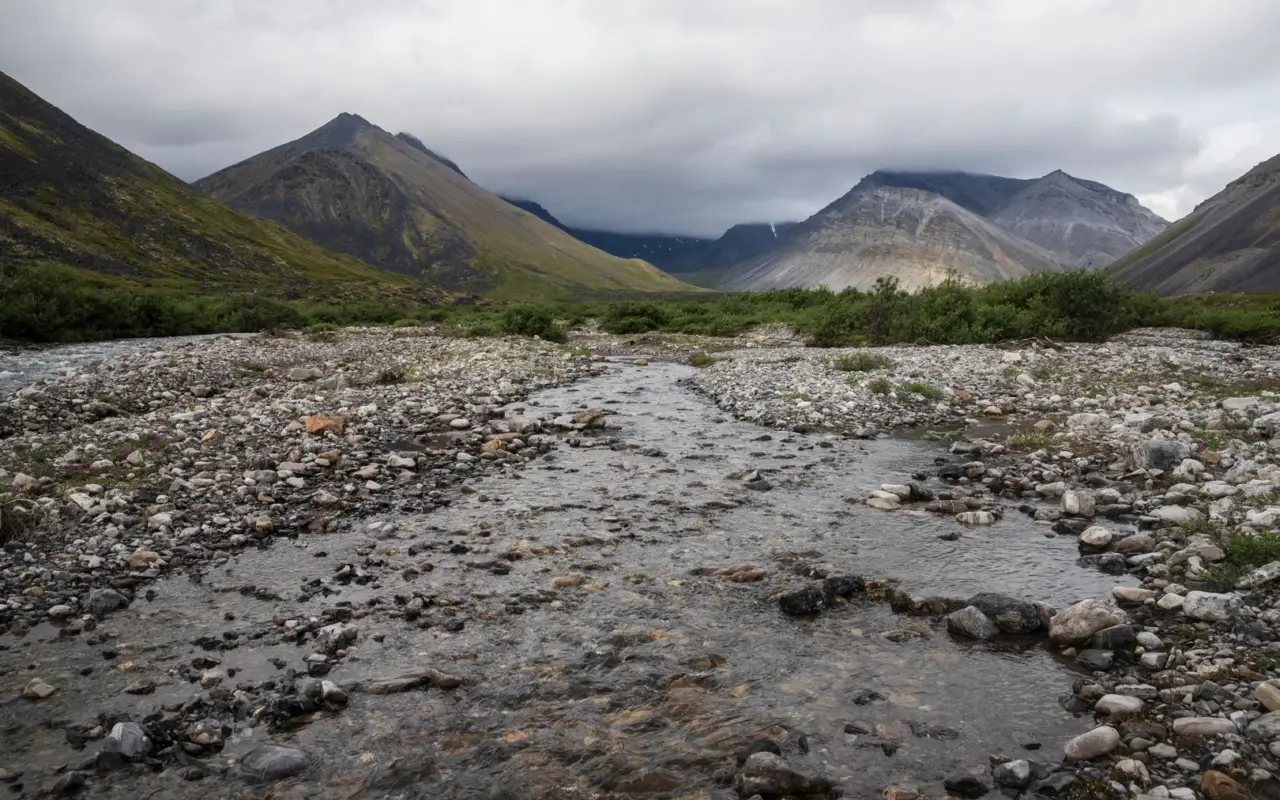
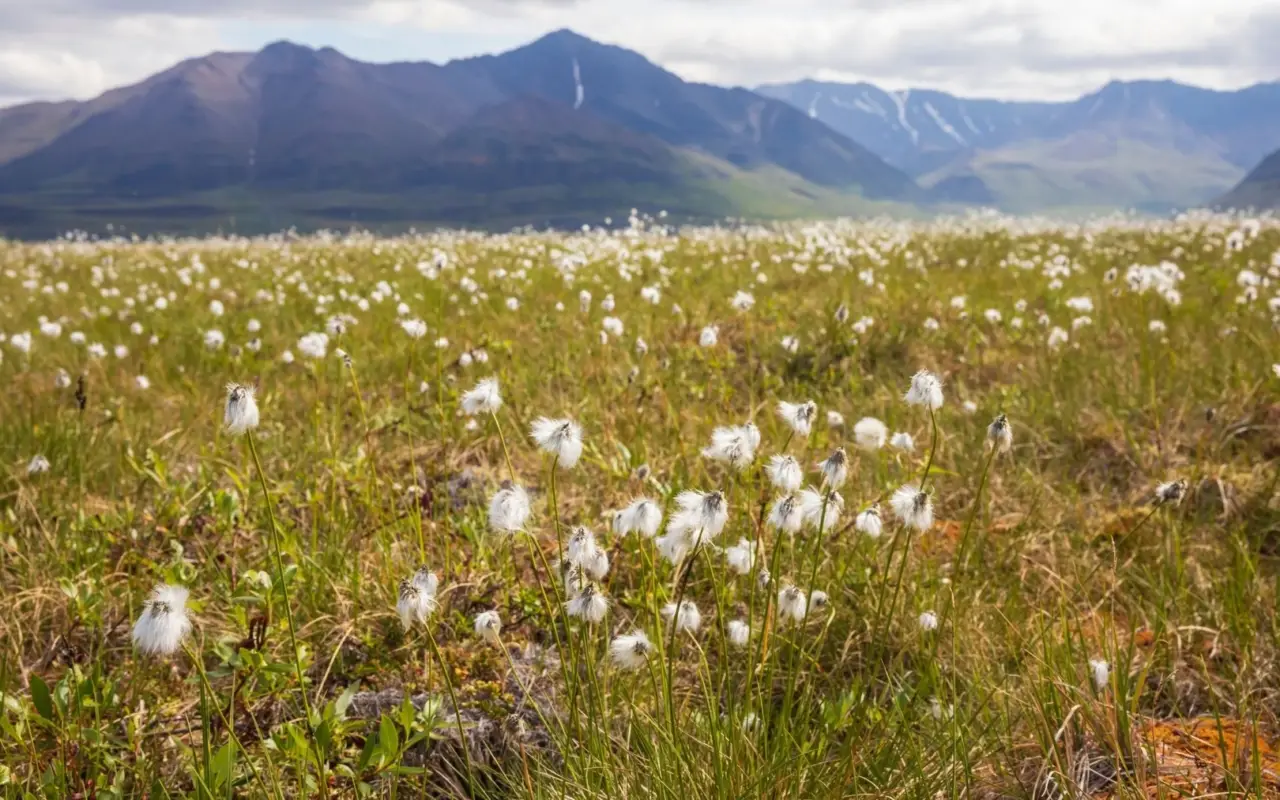
Gates of the Arctic is for those seeking nature in its purest form. With no roads or marked trails, the park offers a rare immersion in the Arctic: glacial valleys, crystal-clear rivers, tundra stretching as far as the eye can see, and the peaks of the Brooks Range. Solitude here is nearly total.
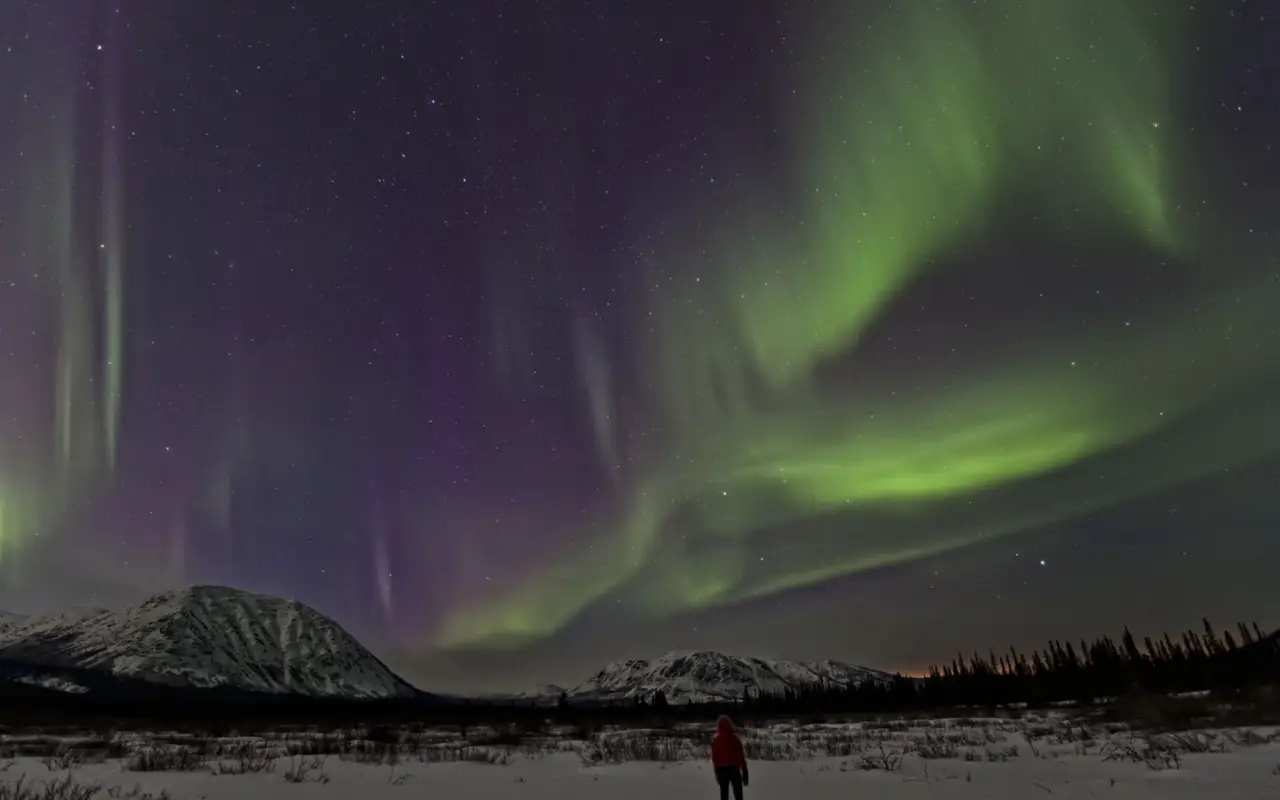
The park is home to iconic Arctic wildlife, including the great caribou migration, bears, and wolves. North of the Arctic Circle and far from any artificial light, it also offers remarkable conditions for viewing the Northern Lights. It is a demanding adventure, reserved for well-prepared travelers, but an unforgettable one.
What to Do in Gates of the Arctic?
Here are the top experiences, all focused on adventure.
1. Off-trail hiking
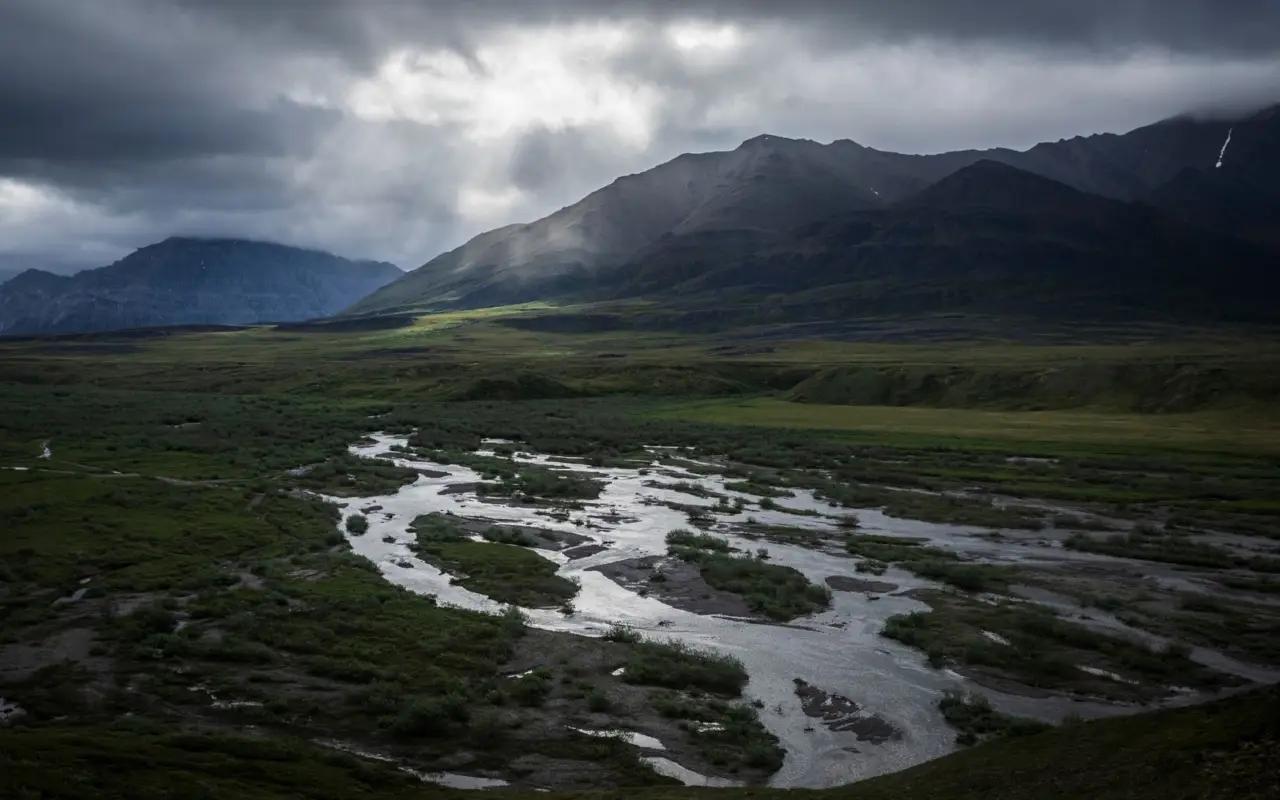
With no marked trails, hiking in the Gates of the Arctic is a self-guided adventure through the tundra and glacial valleys. These treks, often lasting several days, lead into the heart of the Brooks Range. Hiring guides is recommended for navigation, safety, and logistics in this remote environment.
2. Paddle down wild rivers
The park is home to several rivers designated as wild rivers, such as the Alatna, the Noatak, and the John. Paddling down these rivers in a packraft or canoe takes you through pristine landscapes, nestled between mountains and tundra. This is one of the most beautiful ways to explore the park, reserved for well-prepared expeditions.
3. Observe Arctic wildlife
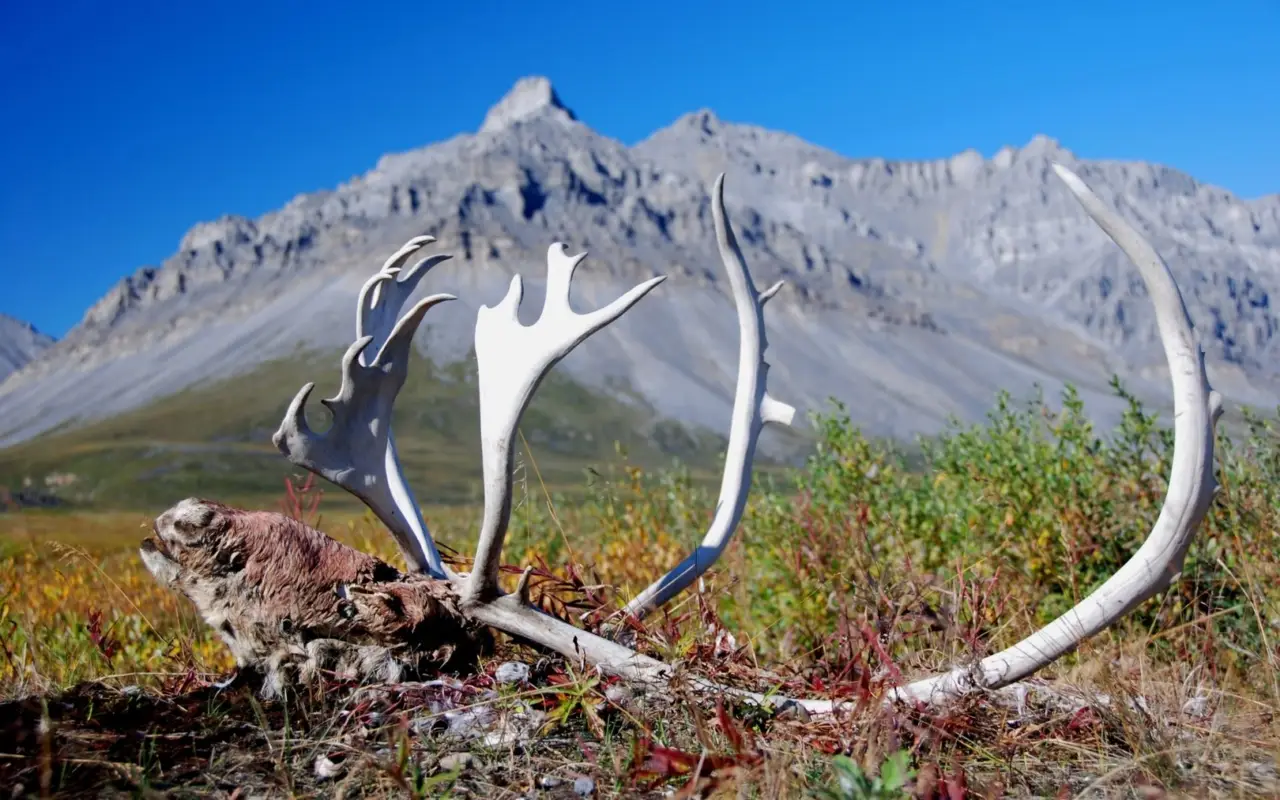
Gates of the Arctic is home to iconic Arctic wildlife: the Western Arctic caribou herd, one of the largest in North America, as well as bears, wolves, Dall’s sheep, and foxes. Spotting these animals requires patience and discretion, in a setting where humans remain rare visitors.
When is the best time to visit Gates of the Arctic?
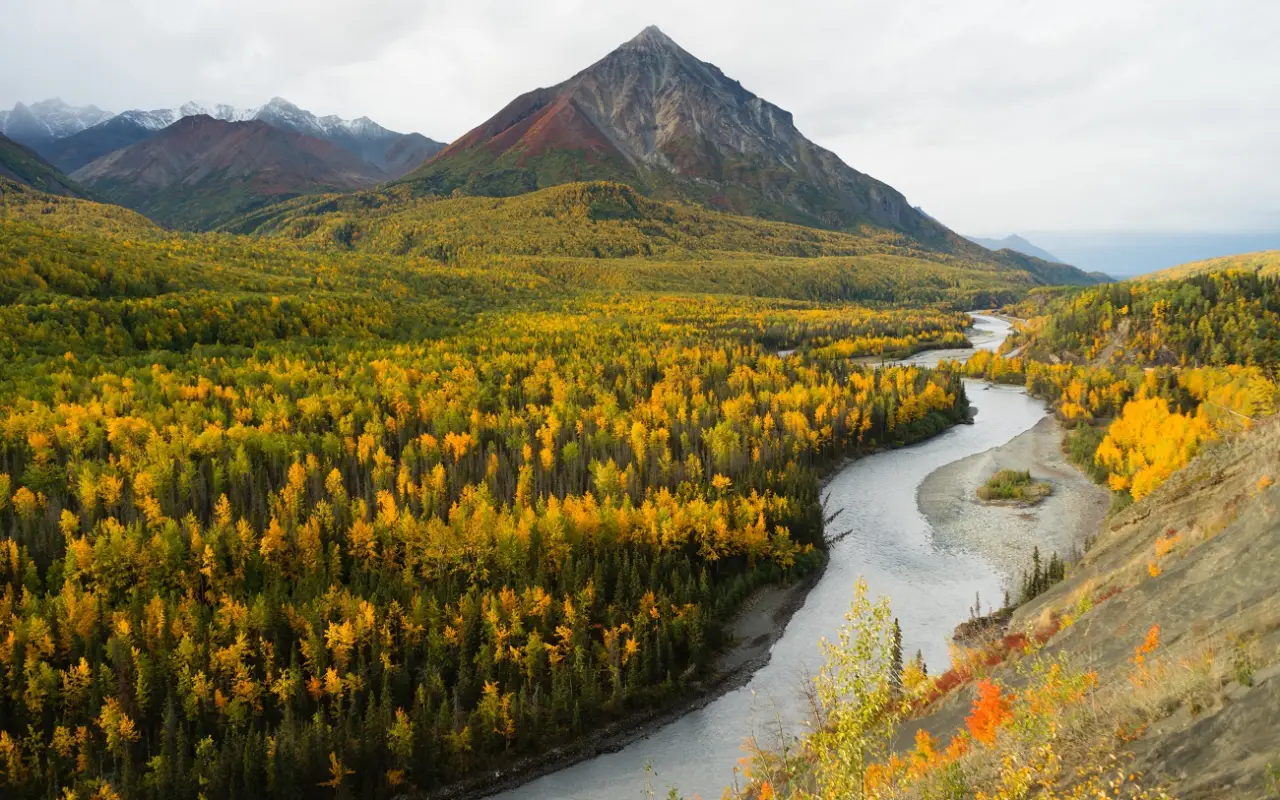
Summer, from June through early September, offers the best conditions: hiking, packrafting, active wildlife, and long days. Late summer and fall bring the colors of the tundra and the first Northern Lights.
Winter—long and harsh—means the park is best suited for experienced expeditions. In any season, Arctic weather can change quickly and leave visitors stranded. Thorough preparation is essential. Check out our guide on when to visit Alaska.
| Period | Terms and Conditions | Activities |
|---|---|---|
| June through early September | Arctic summer, long days | Hiking, packrafting, wildlife |
| Late August through October | Tundra colors, first northern lights | Hiking, northern lights |
| November through May | Harsh winter | Experienced expeditions |
How do you get to Gates of the Arctic?
The park has no roads. It’s accessible by small plane, usually from Fairbanks via the hamlets of Bettles or Coldfoot, followed by a charter flight further inland. Some areas can be reached on foot from the Dalton Highway.
With no services or infrastructure, visiting the park requiresexpedition-level logistics and, in most cases, certified guides. It’s wise to allow for extra days in case of unpredictable weather. Our team designs these adventures for experienced travelers. Check out our suggested itineraries.
Frequently Asked Questions About Gates of the Arctic
Where is Gates of the Arctic National Park located?
Gates of the Arctic National Park is located entirely north of the Arctic Circle, in the Brooks Range in northern Alaska. It is the second-largest national park in the United States. It has no roads or maintained trails and can only be reached by plane or on foot.
How do you visit Gates of the Arctic?
The park is accessed by small plane, often from Fairbanks via Bettles or Coldfoot, followed by a charter flight into the interior. Some areas can be reached from the Dalton Highway. It is an expedition destination with no infrastructure, reserved for self-sufficient travelers or those accompanied by guides.
What to do in Gates of the Arctic?
The park is ideal for off-trail hiking, trekking, packrafting down wild rivers, and observing Arctic wildlife, including caribou, bears, and wolves. In winter and fall, its dark skies also make it a great spot for viewing the Northern Lights.
Is Gates of the Arctic difficult to reach?
Yes. With no roads, trails, or services, the park is one of the most remote in the United States. Visiting requires expedition-level preparation, good physical condition, and, in most cases, the guidance of experienced guides. Arctic weather can change quickly and leave visitors stranded.
Can you see the Northern Lights at Gates of the Arctic?
Yes. Located north of the Arctic Circle, within the auroral oval, and far from any artificial light, the park offers excellent conditions for the Northern Lights in late summer, fall, and winter. However, access in winter remains very challenging. See our guide dedicated to the Northern Lights.
When is the best time to visit Gates of the Arctic?
Summer, from June through early September, offers the best conditions for hiking, packrafting, and wildlife viewing, with long days. Late summer and fall bring the colors of the tundra and the first northern lights. Winter is reserved for experienced expeditions.
Dernière mise à jour : 19 août 2026.
À propos de Terra Alaska
Terra Alaska est une agence de voyage locale spécialisée dans les séjours sur mesure en Alaska, membre du réseau Terra Panamerica. Notre équipe conçoit des itinéraires adaptés à chaque voyageur, des parcs nationaux aux expéditions hivernales sous les aurores boréales. Découvrez notre expertise d’agence réceptive locale.
Contactez-nous pour construire votre voyage ou explorez nos idées d’itinéraires.
Sources
National Park Service (Gates of the Arctic National Park and Preserve) ; Travel Alaska (Arctic).