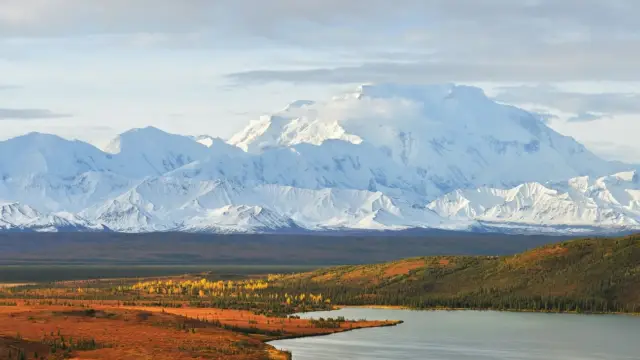
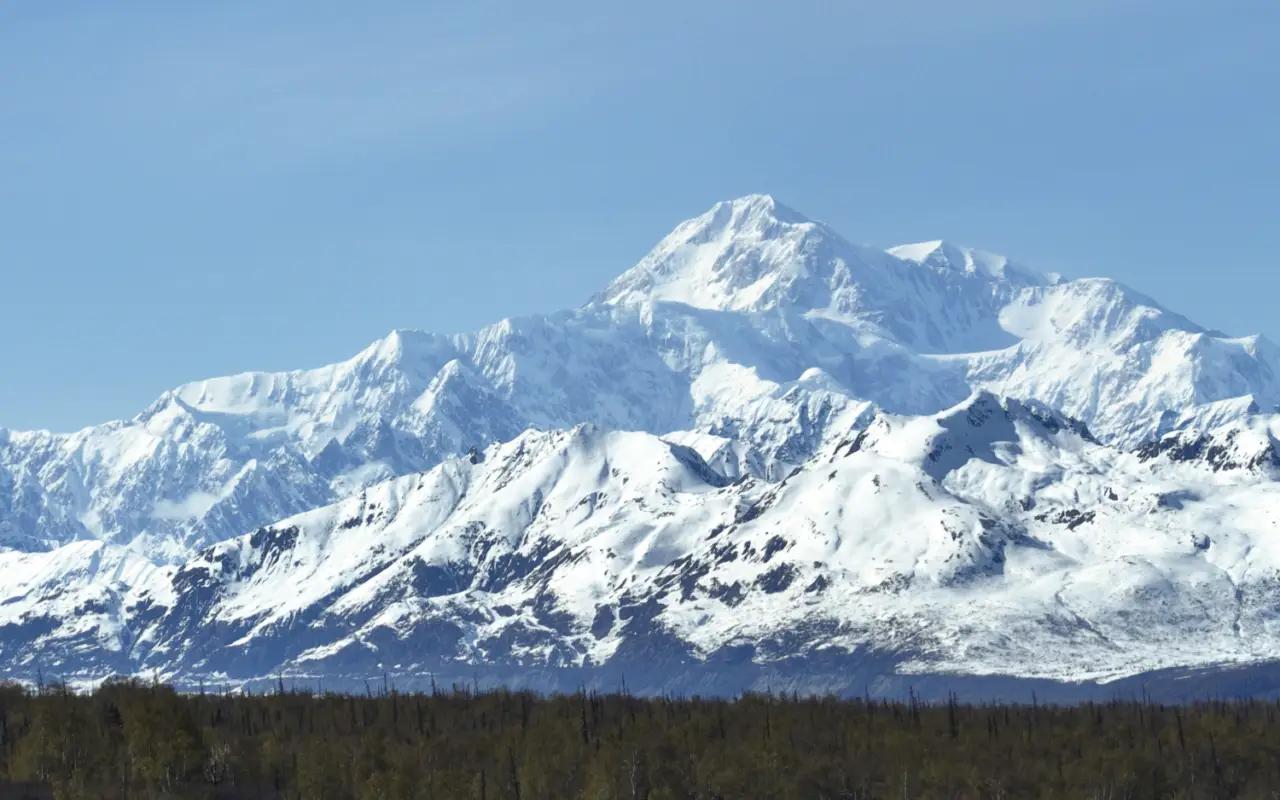
Mount McKinley, also known as Denali, is the highest peak in North America, at 6,190 meters. It rises in the Alaska Range, within Denali National Park, about 210 kilometers northof Anchorage. Climbing it is considered one of the most challenging of the Seven Summits, with extreme cold and harsh weather. Permit 2026 costs between $340 and $440; a guided expedition typically costs between $8,000 and $13,000. About half of the climbers reach the summit.
Mount McKinley fascinates travelers and mountaineers alike. As the highest peak on the North American continent, it towers over the Alaska Range with its mass of granite and ice. This page answers the most frequently asked questions: where is it located, why does it have two names, how tall is it, how much does a climb cost, and why is it considered so difficult?
The information presented is based on authoritative scientific and institutional sources, cited at the end of the article. Whether you dream of climbing this peak or simply admiring it, this guide will help you understand what makes this mountain unique. To plan a trip to the region, visit our page on Denali National Park.
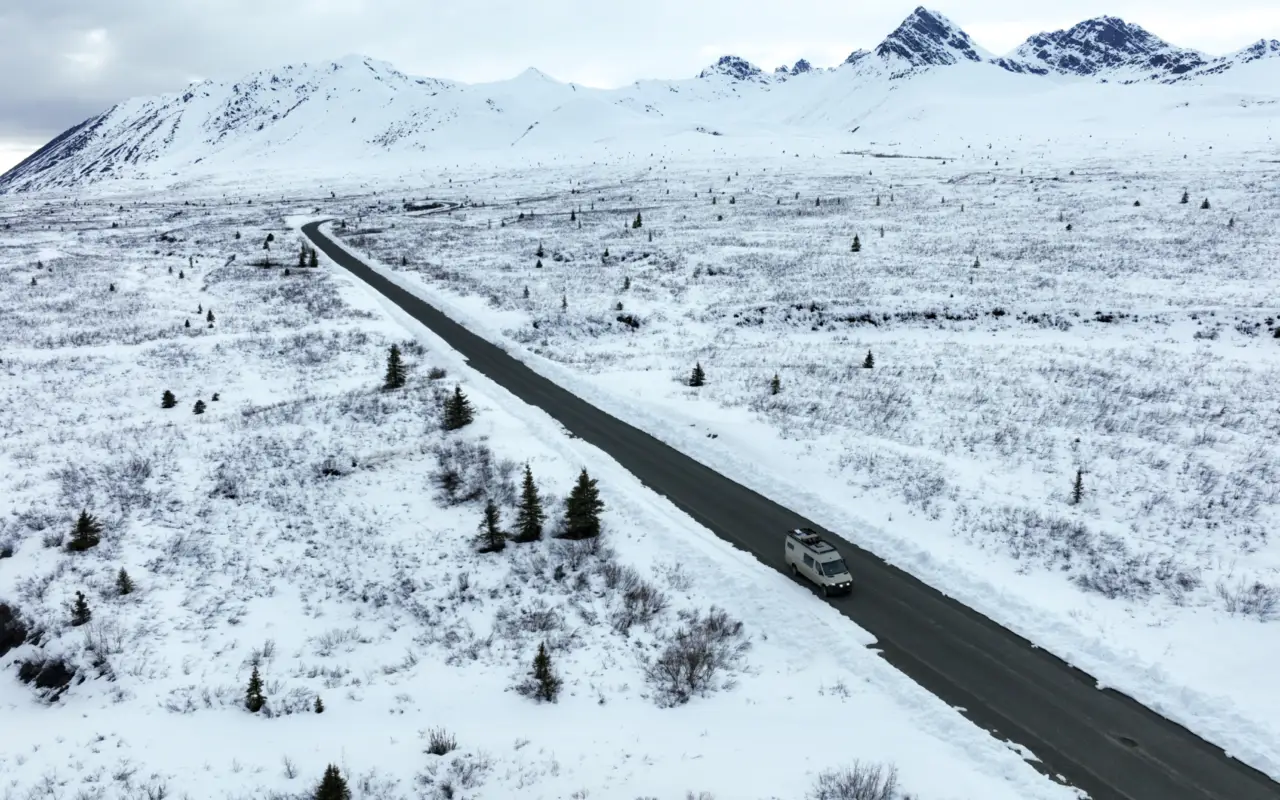
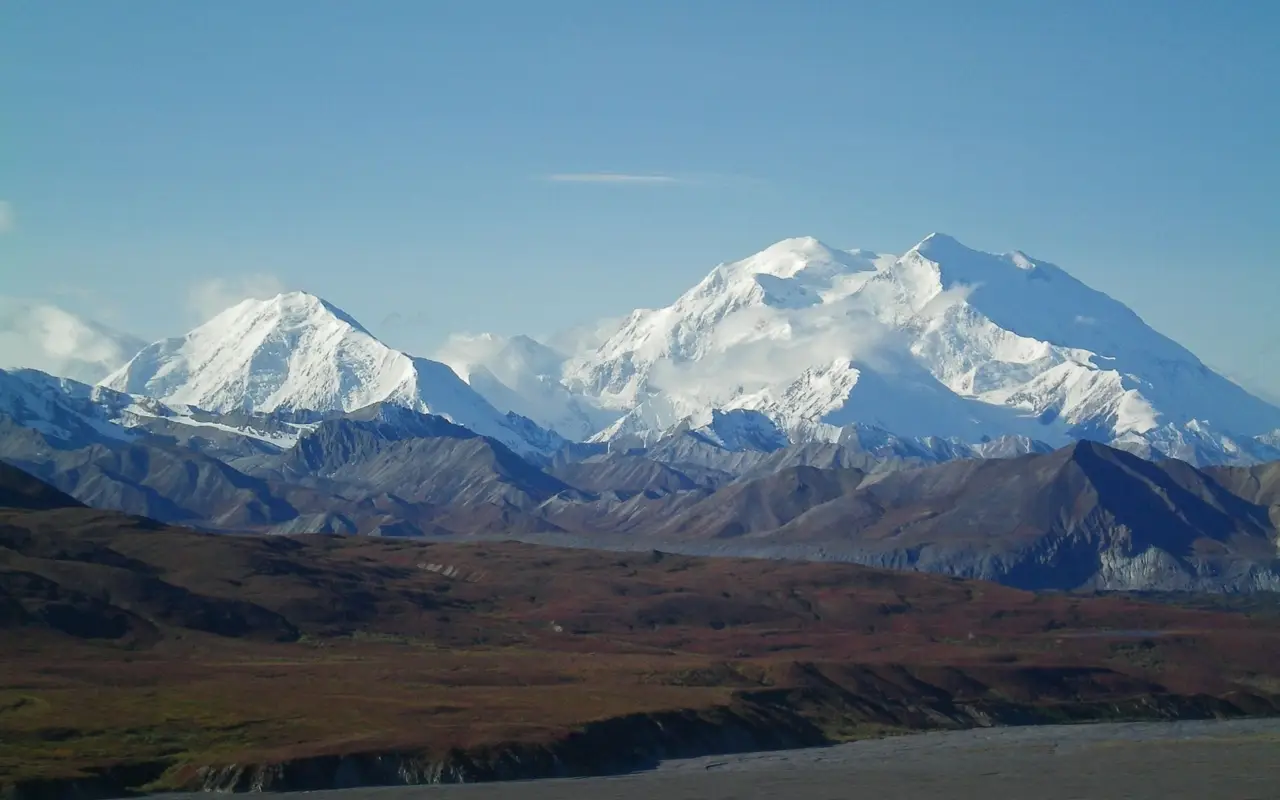
Where is Mount McKinley located?
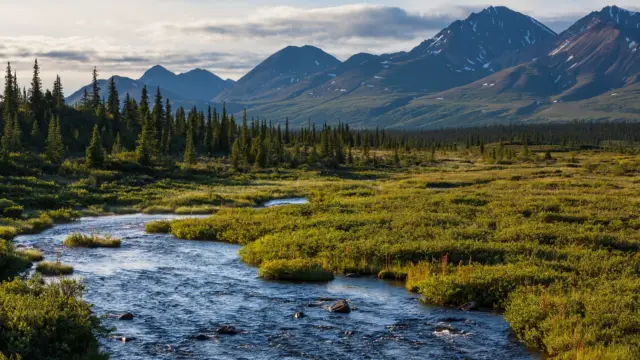
Mount McKinley is located in the Alaska Range, in the center of Denali National Park, in the south-central part of the state. It rises about 210 kilometers north-northwest of Anchorage and 275 kilometers southwest of Fairbanks, roughly 320 kilometers south of the Arctic Circle.
The town of Talkeetna serves as the gateway for expeditions: this is where climbers register with the National Park Service before flying to base camp.Anchorage International Airport, about a two-hour drive south of Talkeetna, is the main point of entry from abroad.
Mount McKinley or Denali?
The mountain has two names. Denali is the original name, derived from the Athabaskan Koyukon language, where it means “the highest.” Indigenous peoples have used it for centuries. In 1896, a prospector named it Mount McKinley in support of presidential candidate William McKinley.
This name was official at the federal level from 1917 to 2015. In August 2015, the U.S. Department of the Interior reinstated the name Denali. Then, on January 20, 2025, the name Mount McKinley was reinstated at the federal level. Both names refer to the same mountain, and the name Denali remains widely used by the mountaineering community and in Alaska.
Height and Formation of the Mountain
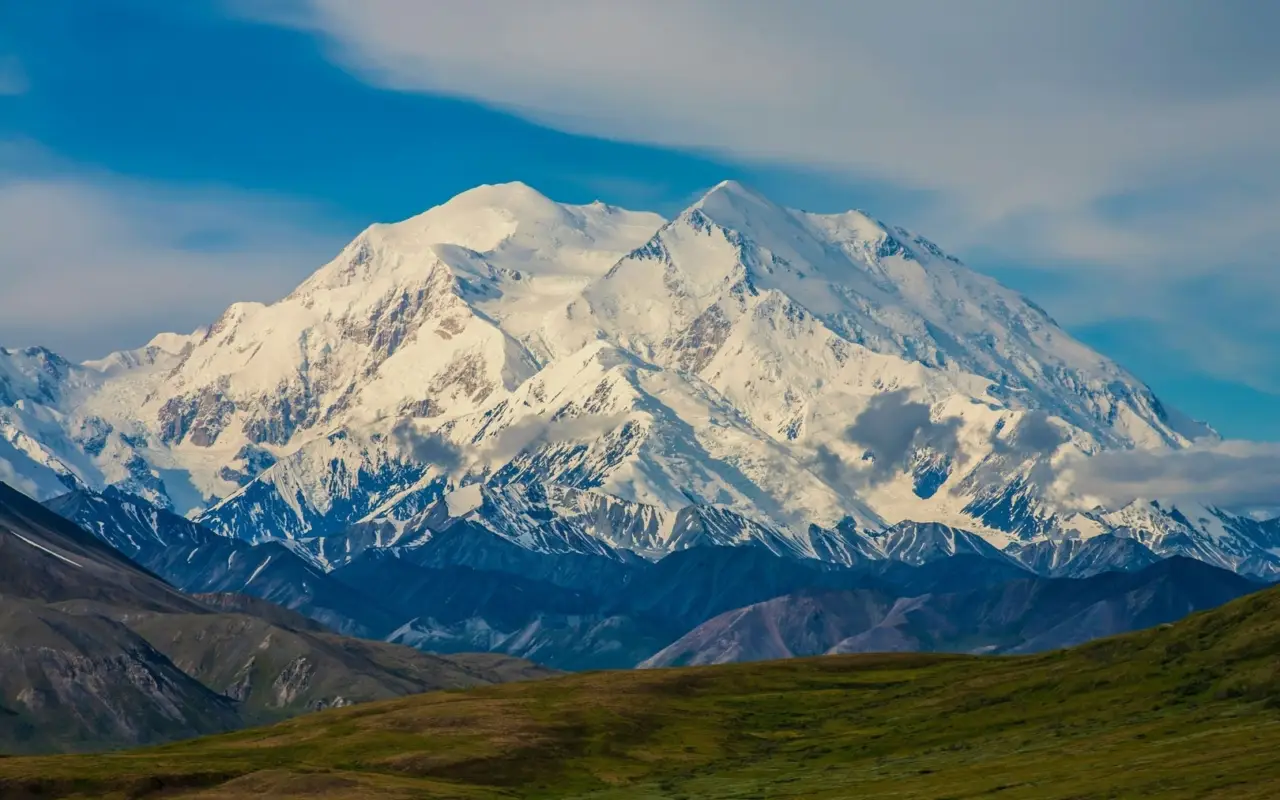
Mount McKinley rises to 6,190 meters, or 20,310 feet—an elevation established by the U.S. Geological Survey (USGS) in 2015 using GPS measurements. This value corrected a 1953 measurement that had given an elevation of 6,194 meters. It is the highest peak in North America and the third-highest of the Seven Summits—the highest peaks on each of the seven continents.
Its distinctive feature lies in its vertical rise. Its base rises approximately 5,500 meters to the summit—the greatest elevation gain from the base for a mountain entirely above sea level, exceeding that of Mount Everest. Geologically, it is a granite pluton, uplifted approximately 60 million years ago by the subduction of the Pacific Plate beneath the North American Plate.
Is Mount McKinley difficult to climb?
Yes, for several reasons. Many climbers consider it the most demanding of the Seven Summits. The reason isn’t its technical difficulty, but rather the combination of conditions: extreme cold, severe weather, total self-reliance, and long weeks of glacier travel. Temperatures drop below -40 degrees at high-altitude camp, and winds can exceed 160 kilometers per hour.
A scientific factor adds to the difficulty: the high latitude. Near the pole, atmospheric pressure is lower than at the same altitude in the tropics. The perceived altitude at the summit is therefore around 7,000 meters. Each year, about 1,200 people attempt the climb, and only about half reach the summit, with the weather remaining the main obstacle.
Climbing Routes
The classic route is the West Buttress, first climbed by Bradford Washburn in 1951. Considered the safest and most accessible, it is the focus of most climbing attempts. The ascent begins on the Kahiltna Glacier, where a plane drops off the climbers, followed by a climb of nearly 4,000 meters to the summit.
Other, more challenging routes exist, such as the Muldrow Glacier route to the north, which was historically the first to be climbed. The first verified ascent of the summit took place on June 7, 1913, by a team led by Hudson Stuck; Walter Harper, of Koyukon Athapascan descent, was the first to set foot on the summit. Strict protocols now require the removal of human waste from the mountain.
How much does a climb cost?
The cost breaks down into several components. The climbing permit issued by the national park costs, for the 2026 season, $340 for climbers age 24 and under, and $440 for those age 25 and older. Added to this is the $15 park entrance fee. On top of that is the charter flight from Talkeetna to base camp on the glacier.
For a guided expedition on the West Buttress led by a licensed operator, the cost is typically around $8,000 to $13,000 per person. This amount does not include international flights and varies depending on the duration and services provided. Independent climbers pay significantly less but must handle all logistics and self-sufficiency on their own. These amounts are for reference only: check with the operators.
Mount McKinley at a Glance
| Characteristic | Data |
|---|---|
| Other name | Denali (Koyukon Athapascan, “the highest”) |
| Elevation | 6,190 m (20,310 feet), USGS 2015 |
| Location | Alaska Range, Denali National Park |
| Rank | Highest peak in North America |
| Classic route | West Buttress (1951) |
| Ascent time | Approximately 17 to 21 days |
| Season | May through July |
| Success rate | About 50 percent |
When is the best time to climb Mount McKinley?
The climbing season runs from May through July, when the days are longest, with nearly 24 hours of daylight in June. This nearly continuous light makes for easier progress and greater safety. Even during this period, storms and cold remain severe and can strand teams at high altitudes for several days.
Climbers therefore plan for extra days to account for the weather. Outside of this window, conditions become too harsh. To see where this season fits into the Alaskan calendar, check out our guide on when to visit Alaska.
Admiring Mount McKinley Without Climbing It
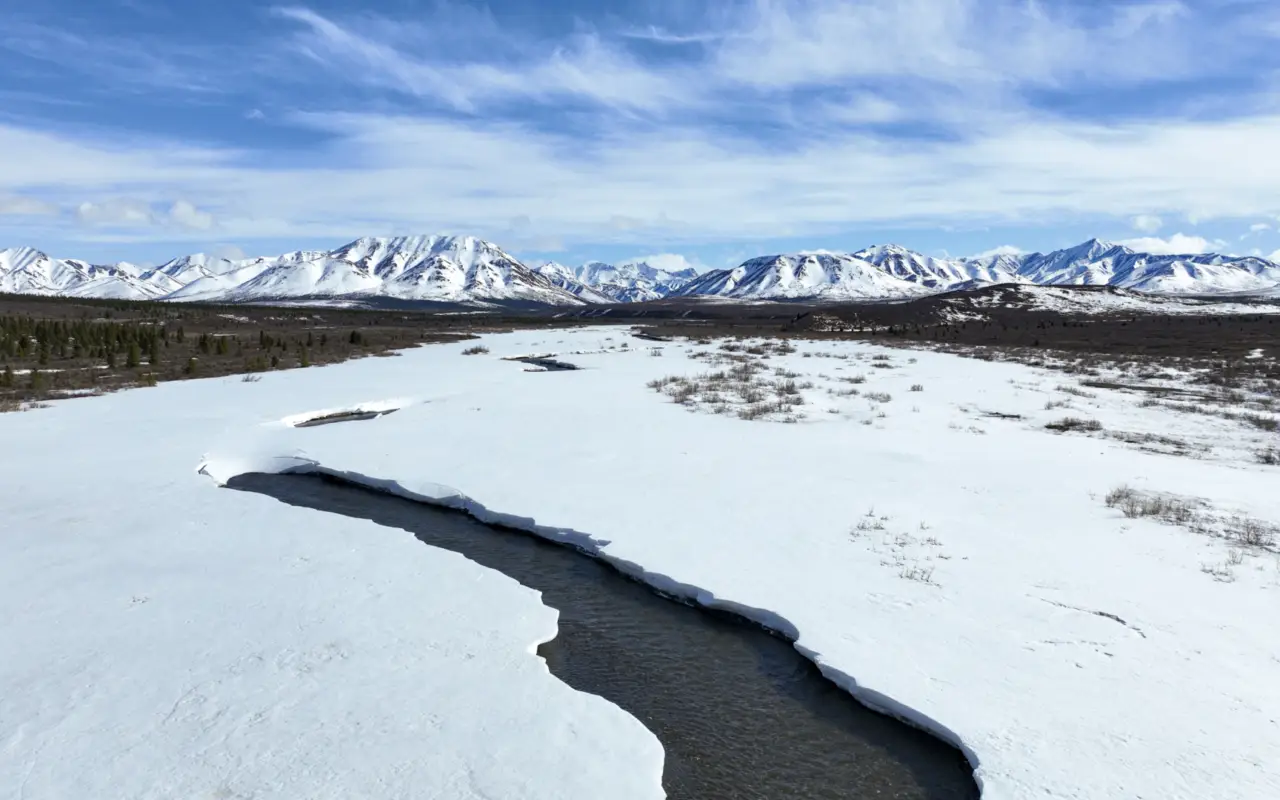
Climbing to the summit remains the domain of experienced mountaineers, guided by specialized high-altitude operators. The vast majority of travelers, however, experience the mountain in other ways, and there’s no shortage of opportunities to do so.
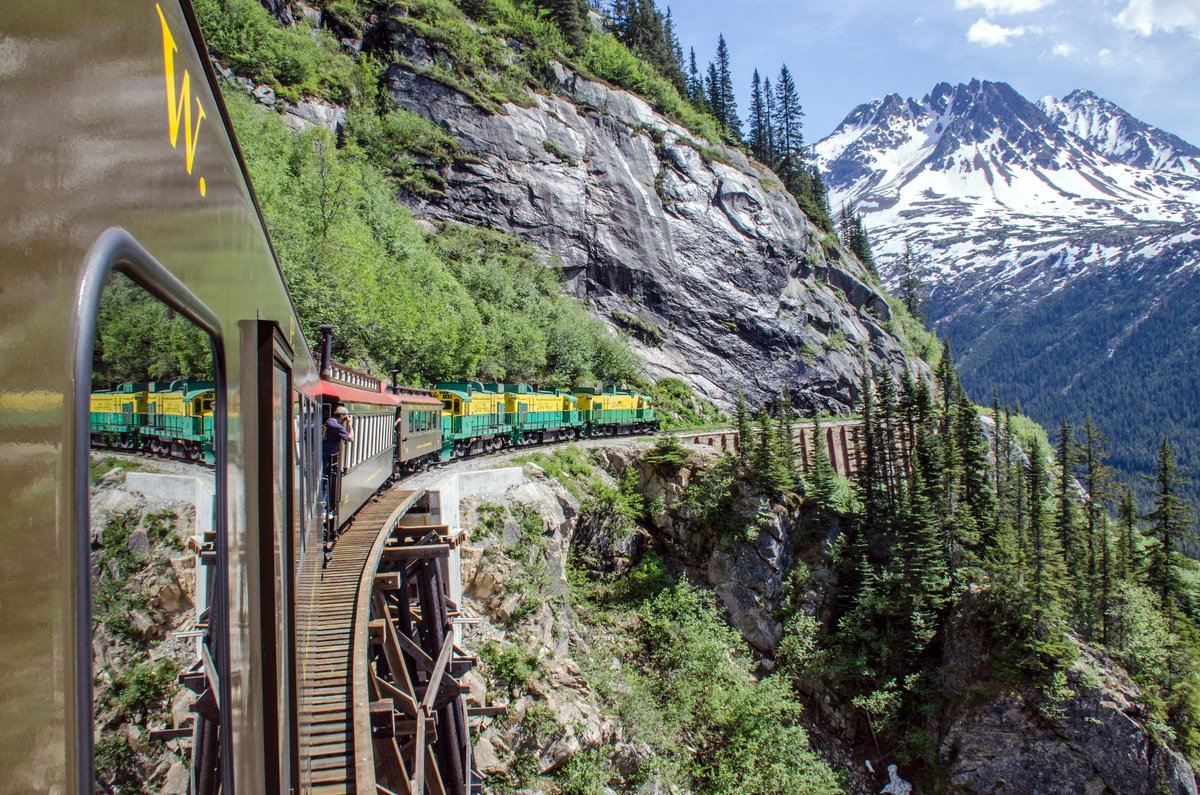
A scenic flight in a small plane from Talkeetna is the most spectacular way to approach the summit, sometimes including a landing on a glacier. Denali National Park offers numerous viewpoints, accessible by shuttle, as well as the Alaska Railroad’s scenic train. Terra Alaska, a local travel agency, designs trips that incorporate these experiences. Explore our itinerary ideas or our article on must-see places in Alaska.
Frequently Asked Questions: Mount McKinley
Where is Mount McKinley located?
Mount McKinley, also known as Denali, is located in the Alaska Range, in the heart of Denali National Park, in the south-central part of the state. It is approximately 210 kilometers north-northwest of Anchorage and 275 kilometers southwest of Fairbanks. The town of Talkeetna serves as the gateway for expeditions.
How high is Mount McKinley?
Mount McKinley rises to 6,190 meters, or 20,310 feet, making it the highest peak in North America. This elevation was established by the U.S. Geological Survey (USGS) in 2015 using GPS measurements. Its elevation gain from the plain, approximately 5,500 meters, is the greatest in the world.
Why is it also called Denali?
Denali is the original name, derived from the Athabascan Koyukon language, meaning “the highest.” The peak was officially named Mount McKinley from 1917 to 2015, then Denali from 2015 to January 2025, when the name Mount McKinley was reinstated at the federal level. Both names refer to the same mountain.
How much does it cost to climb Mount McKinley?
For the 2026 season, the national park climbing permit costs $340 for those 24 and under and $440 for those 25 and older, plus a $15 entrance fee. A guided expedition on the Classic Route typically costs between $8,000 and $13,000 per person, not including international flights.
Is Mount McKinley difficult to climb?
Yes, very difficult. Many consider it the most demanding of the Seven Summits, not so much for its technical difficulty as for its conditions: extreme cold, severe weather, total self-sufficiency, and long weeks on the glacier. Its high latitude lowers atmospheric pressure, so the perceived altitude at the summit is around 7,000 meters. About half of the climbers reach the summit.
When is the best time to climb Mount McKinley?
The climbing season runs from May to July, when the days are longest, with nearly 24 hours of daylight in June. Even during this period, storms and cold remain severe. Climbers must be prepared to wait several days at high-altitude camps in case of bad weather.
How long does it take to climb Mount McKinley?
The climb via the classic West Buttress route typically takes 17 to 21 days, including acclimatization. Climbers carry or haul all their gear, often on sleds in the lower glacier sections. Buffer days are necessary to account for weather conditions.
Can you see Mount McKinley without climbing it?
Yes. The vast majority of travelers see the summit without climbing it, either during a small-plane flight from Talkeetna—sometimes including a landing on a glacier—or from the viewpoints in Denali National Park. The train and certain roads also offer beautiful views on clear days.
Last updated: August 20, 2026. Ride prices are for informational purposes only and may vary depending on the operator and park regulations.
About Terra Alaska
Terra Alaska is a local travel agency specializing in custom trips to Alaska and a member of the Terra Panamerica network. We do not guide summit ascents, which are reserved for high-altitude operators, but we design trips to explore and admire Mount McKinley, from the national park to scenic flights departing from Talkeetna. Discover our expertise as a local inbound travel agency.
Contact us to plan your trip or explore our suggested itineraries.
Sources
U.S. Geological Survey, USGS (elevation 2015); National Park Service, Denali National Park and Preserve (permits, ascent statistics); Encyclopædia Britannica; National Geographic. Data collected in 2026, for informational purposes only.