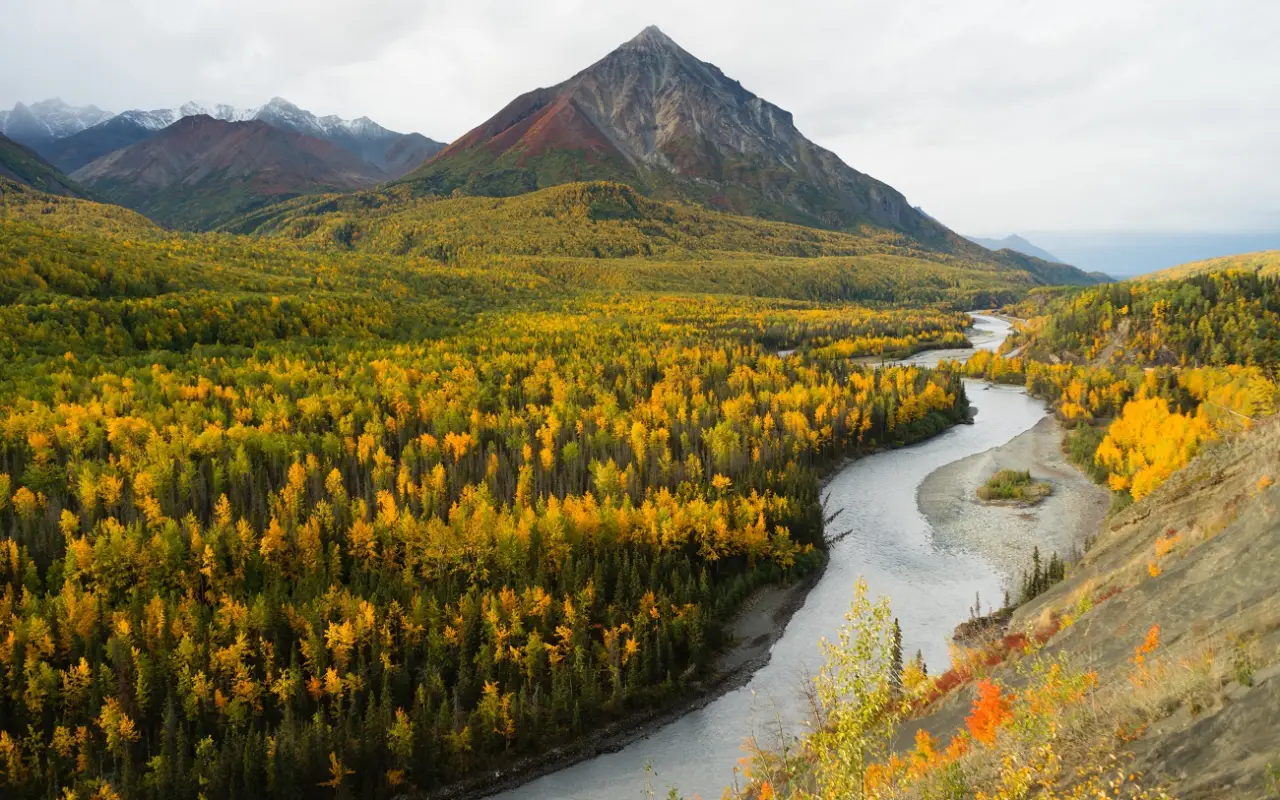
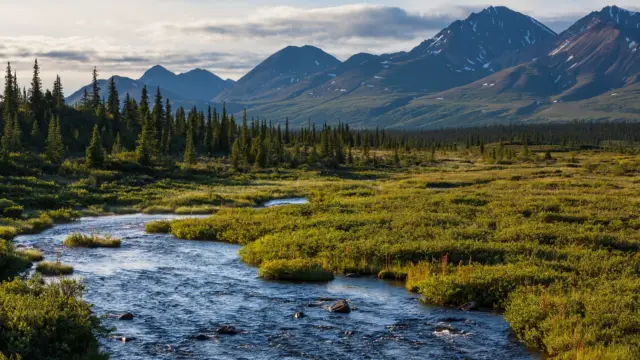
For hiking in Alaska, the top destinations are Denali National Park, the Kenai Peninsula, Wrangell-St. Elias National Park, and, for off-trail adventures, Gates of the Arctic. The season runs from June through early September. Trails range from easy walks to expedition-style hikes, including glacier hiking.
With its vast parks and unspoiled nature, Alaska is an exceptional destination for hiking. From marked trails around the major parks to off-trail treks in the Arctic, there’s something for every skill level. This guide details where to hike, when to go, how to handle encounters with bears, and what gear to bring.
This article is part of our series on things to do in Alaska. It complements our coverage of glaciers,bear watching, and—for those looking to extend their trip into Canada—our Alaska-Yukon tours.
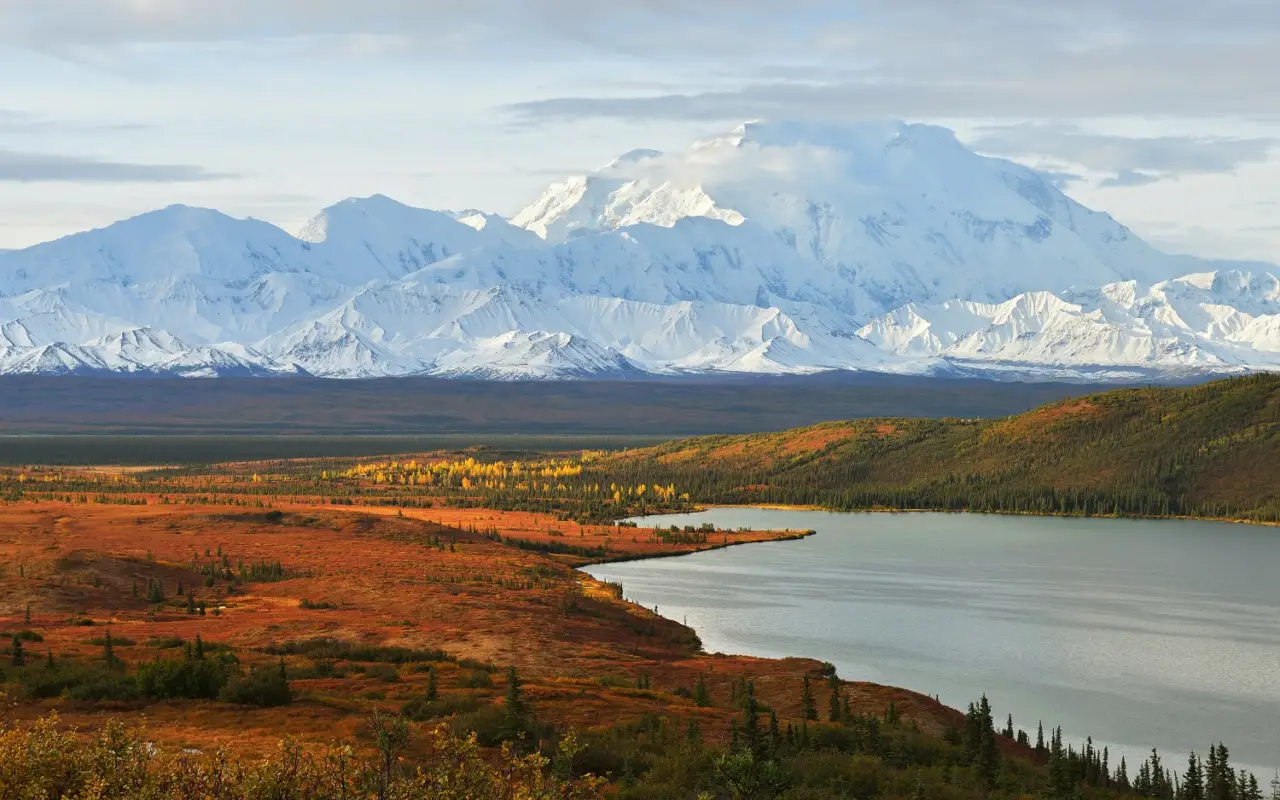
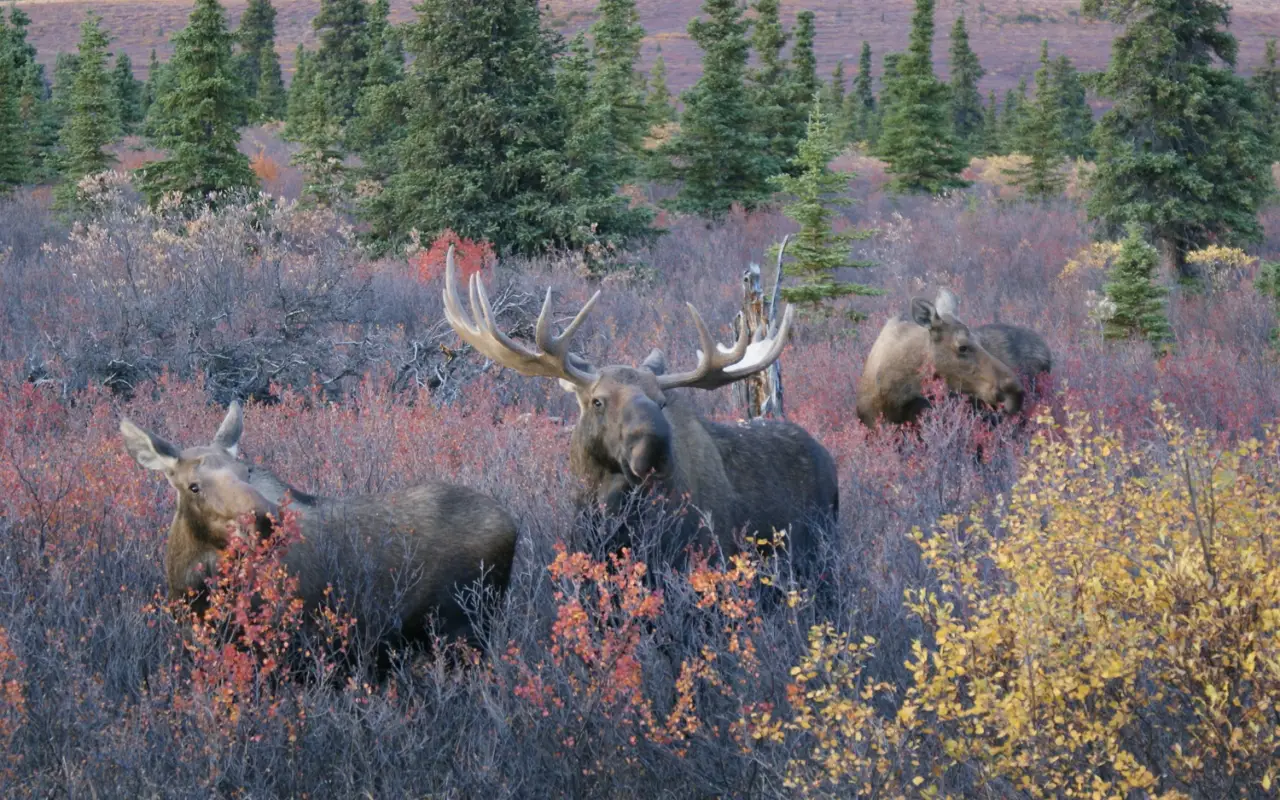
Where to Hike in Alaska?
From accessible trails to wilderness expeditions, here are the top hiking destinations in Alaska.
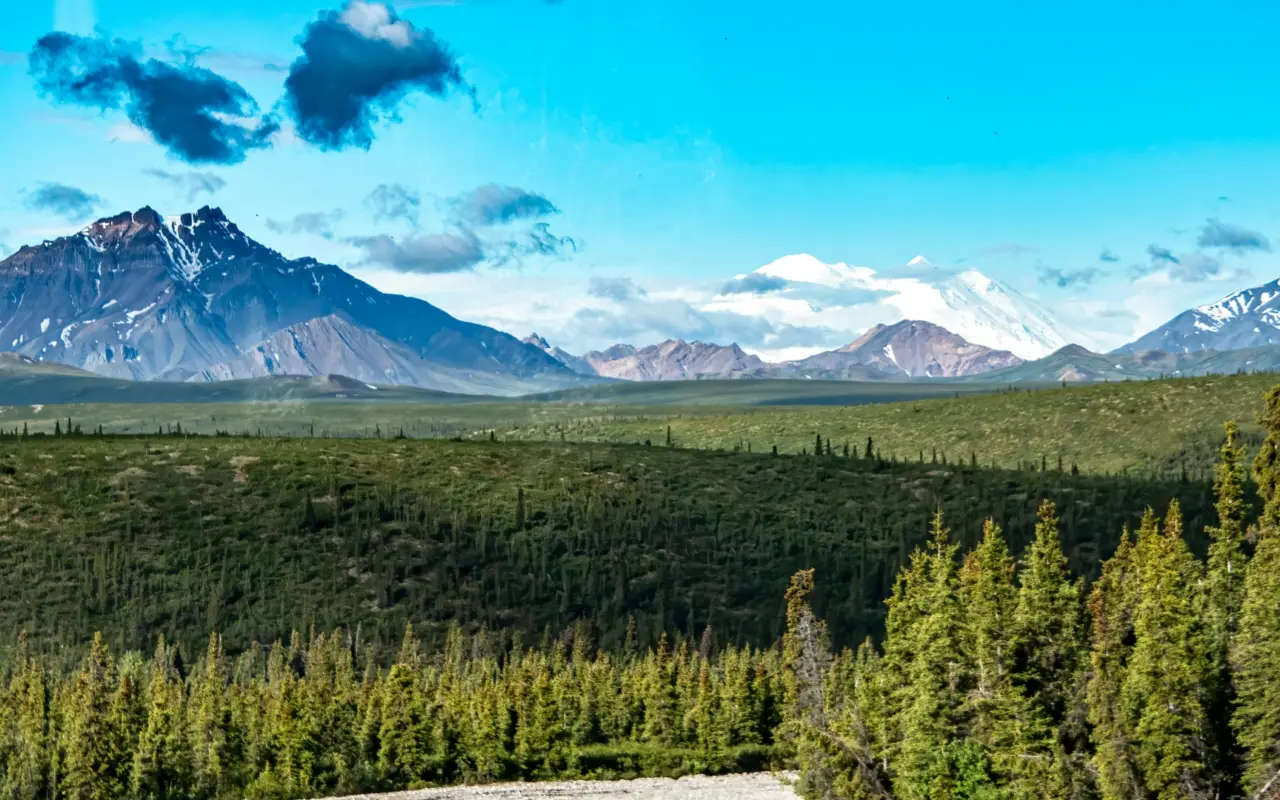
1. Denali National Park
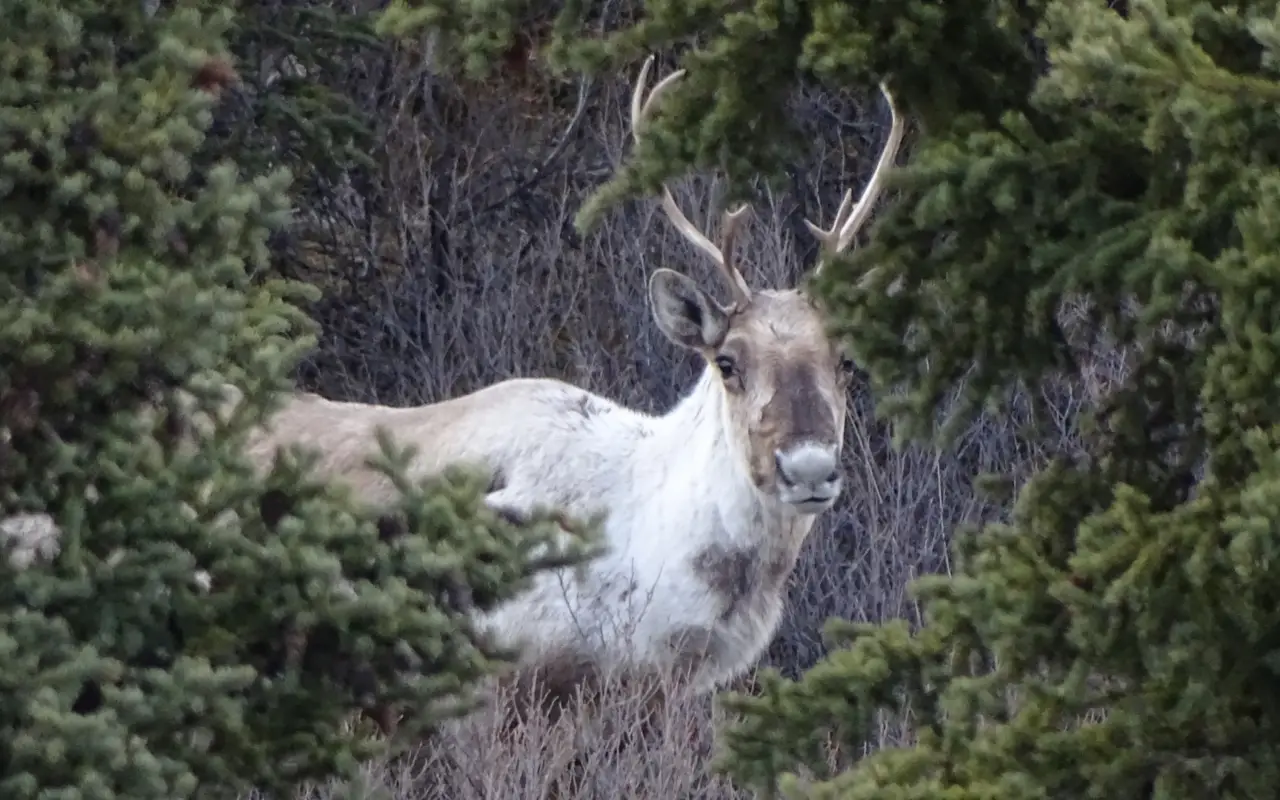
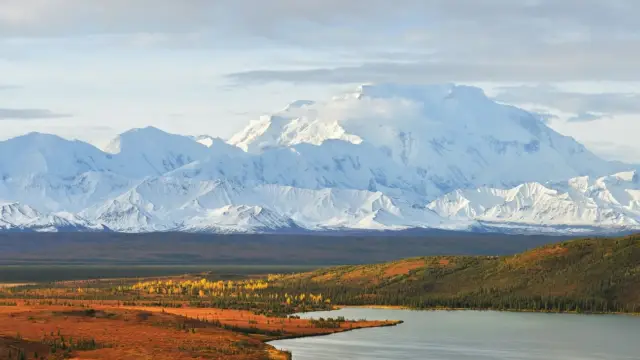
Denali National Park offers marked trails near the entrance and the option to hike off-trail in its backcountry—a unique feature of the park. Here, you can hike with a view of North America’s tallest mountain, surrounded by wildlife including bears, caribou, and moose. It’s one of Alaska’s premier hiking destinations.
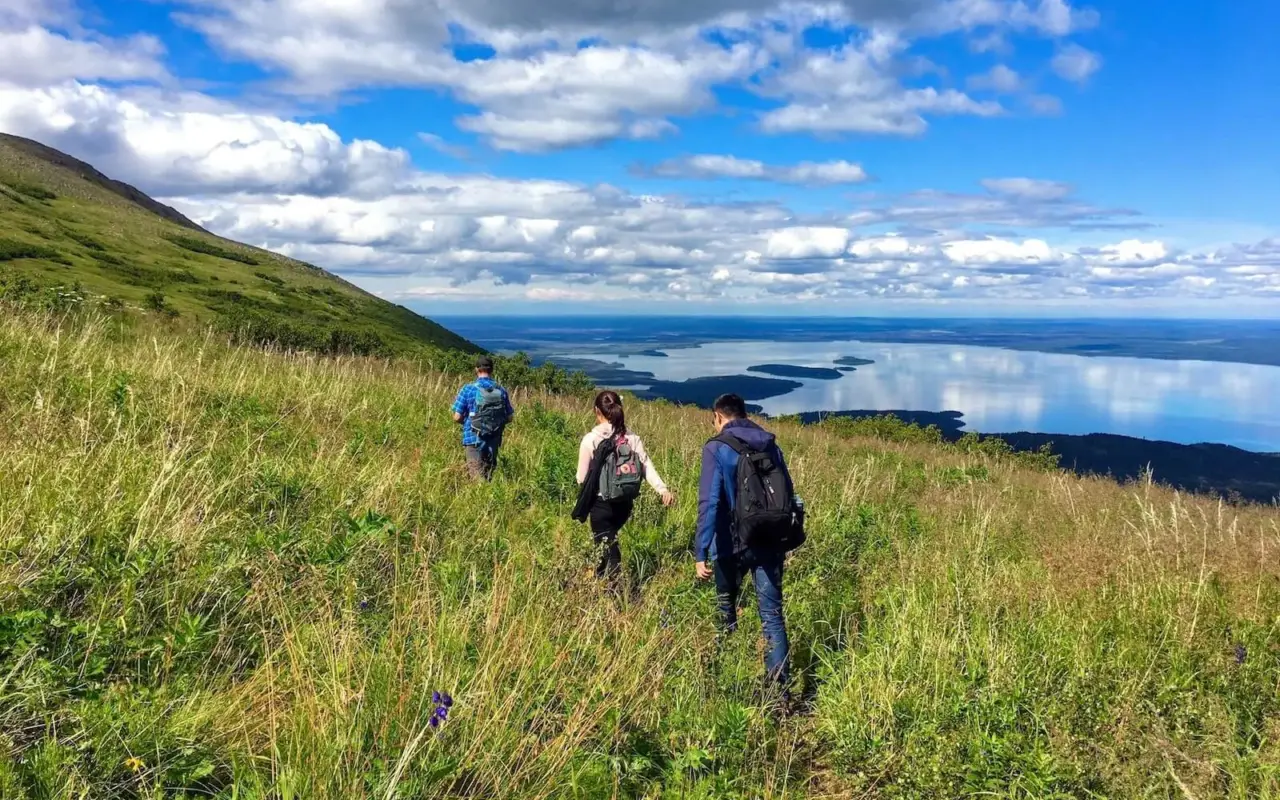
2. The Kenai Peninsula and Seward
The Kenai Peninsula offers a variety of hiking trails. Near Seward, the challenging Harding Icefield Trail leads to a view of the icefield. In Homer, the Grewingk Glacier in Kachemak Bay State Park offers a beautiful hike accessible by boat. From leisurely walks to challenging treks.
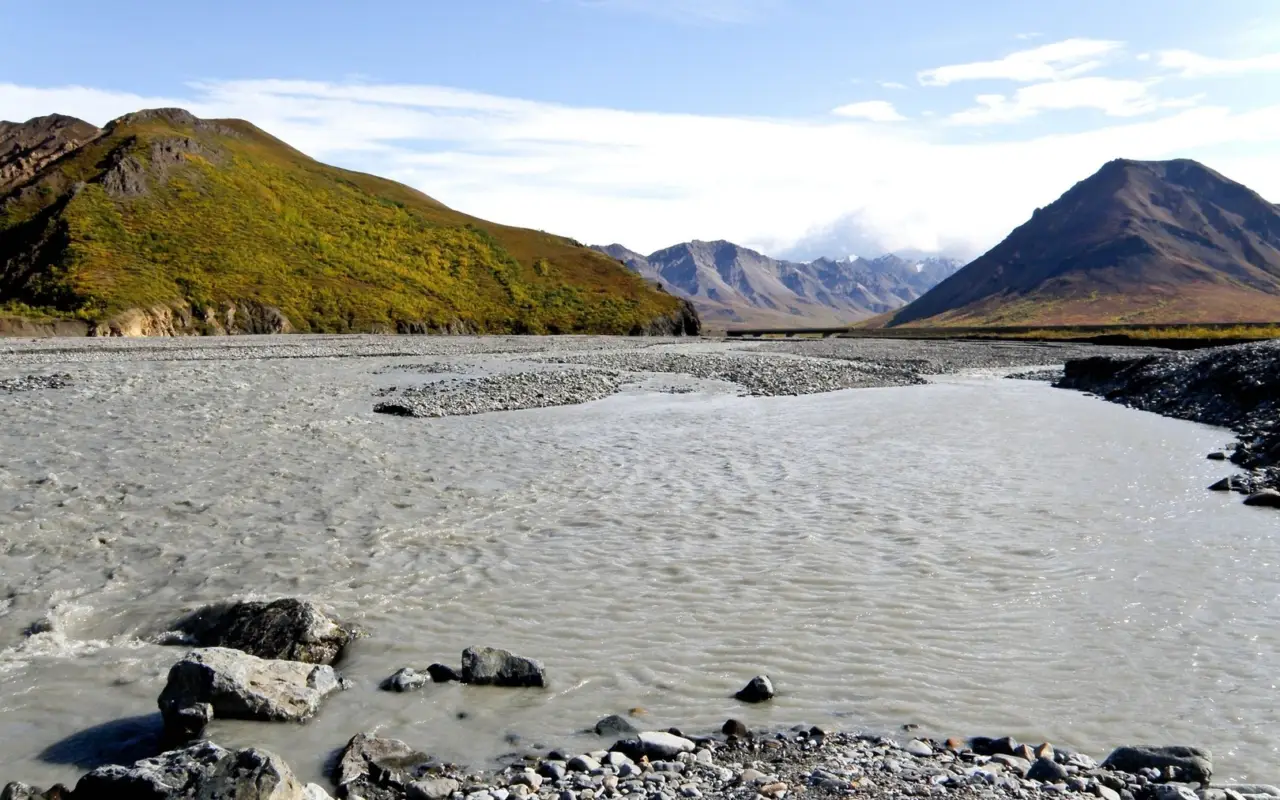
3. Wrangell-St. Elias and Gates of the Arctic
Wrangell-St. Elias National Park, the largest in the United States, offers access to the Root Glacier and the trails around McCarthy. Further north, Gates of the Arctic—which has no roads or trails—can only be explored via a guided expedition, for experienced hikers seeking unspoiled wilderness.
Glacier Hiking and Bear Safety
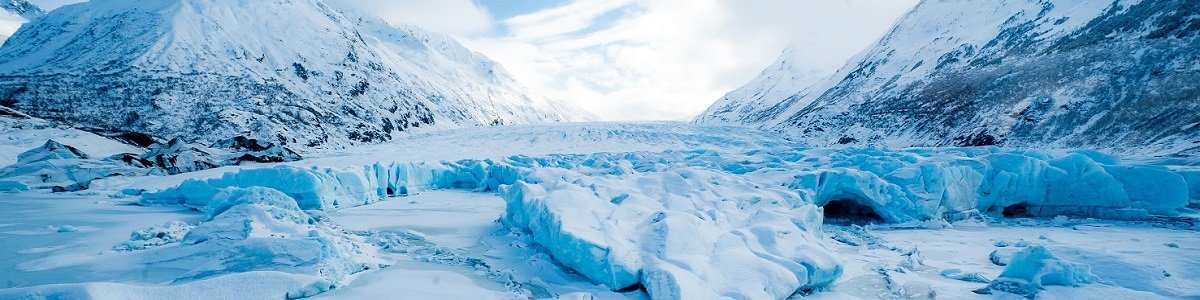
Glacier hiking is a unique experience. The Matanuska, Root, and Exit glaciers are explored with crampons and a guide, navigating between crevasses and blue ice. It’s a spectacular way to complement the classic trails.
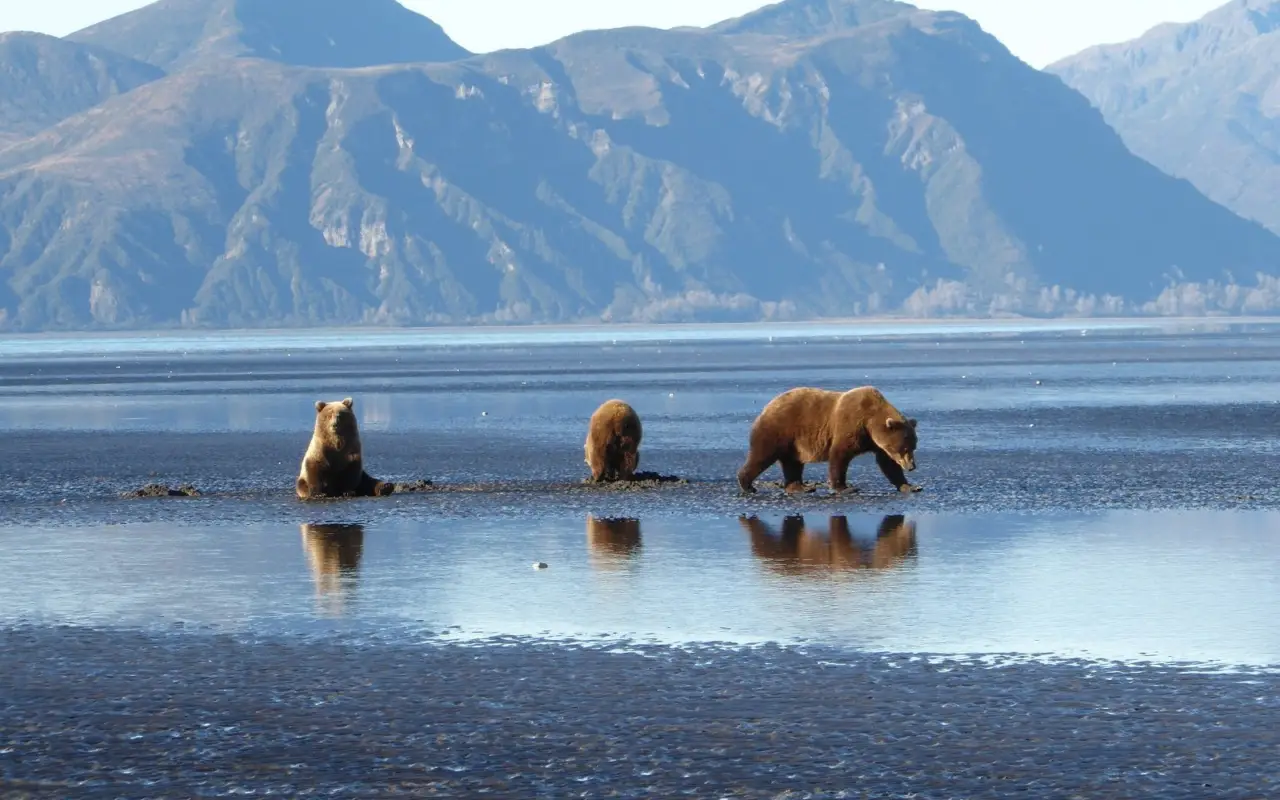
Bears are a part of hiking in Alaska. You should make noise, hike in a group, carry bear spray, and keep food out of reach. Our guides provide specific instructions tailored to each area. To observe bears safely, see our guide dedicated tobear watching.
| Level | Example | Season |
|---|---|---|
| Easy | Grewingk Glacier, Denali Trails | June through September |
| Moderate | Harding Icefield, Root Glacier | June through September |
| Expedition | Gates of the Arctic, Wrangell Backcountry | June through early September |
When to go hiking and what gear to bring?
Hiking season runs from June through early September, when the trails are clear and the days are long. At higher elevations and in the north, snow may linger longer. The weather can be unpredictable, so be sure to pack appropriately even when the weather is nice.
Be sure to bring waterproof shoes, several layers of clothing, a windbreaker and rain jacket, water, and insect repellent. Bear spray is recommended in wilderness areas. Our guide, “Planning Your Trip,” provides detailed information on what to pack.
Frequently Asked Questions: Hiking in Alaska
Where can I go hiking in Alaska?
The top destinations are Denali National Park, the Kenai Peninsula, Wrangell-St. Elias National Park, and Gates of the Arctic National Park for off-trail adventures. The Harding Icefield Trail near Seward and the Grewingk Glacier in Homer are among the most popular hikes.
When is the best time to hike in Alaska?
The hiking season runs from June through early September, when the trails are free of snow and the days are long. June and July offer the best conditions. At higher elevations and in the north, snow may linger longer. The weather remains changeable throughout the season.
Do you need a guide to hike in Alaska?
It depends. Many marked trails, such as those around Denali or Seward, can be hiked on your own. But off-trail areas, such as the Gates of the Arctic or the Wrangell-St. Elias backcountry, require a guide for navigation, safety, and bear encounters.
Is the Harding Icefield Trail difficult?
The Harding Icefield Trail, near Seward, is a challenging hike of about 13 kilometers round-trip, with a steep elevation gain. It leads to a panoramic view of the icefield. Plan on a full day and be in good physical condition. The visual reward is well worth the effort.
How do you deal with bears while hiking?
Bears are a part of hiking in Alaska. You should make noise, hike in a group, carry bear spray, keep food out of reach, and maintain a safe distance. Park rangers and local guides will provide area-specific instructions before you set out.
Can you go glacier hiking?
Yes. The Matanuska Glacier, the Root Glacier in Wrangell-St. Elias National Park, and the Exit Glacier near Seward offer glacier hiking with crampons and a guide. It’s a unique and spectacular form of hiking that complements forest and mountain trails.
Is hiking in Gates of the Arctic accessible?
Gates of the Arctic National Park, north of the Arctic Circle, has no roads or trails. Hiking there is done entirely independently, as an expedition, most often accompanied by guides. It requires serious preparation and is suitable for experienced hikers seeking unspoiled nature.
What gear do you need for hiking in Alaska?
Pack waterproof hiking boots, several layers of clothing, a windbreaker and rain jacket, water, and insect repellent. Bear spray is recommended in wilderness areas. Due to the unpredictable weather, you should be fully equipped even in good weather.
Last updated: August 24, 2026.
About Terra Alaska
Terra Alaska is a local travel agency specializing in custom trips to Alaska and a member of the Terra Panamerica network. We design hiking itineraries tailored to every skill level, from marked trails to guided expeditions. Discover our expertise as a local inbound travel agency.
Contact us to plan your trip or explore our suggested itineraries.
Sources
National Park Service (Denali, Kenai Fjords, Wrangell-St. Elias, Gates of the Arctic); Alaska State Parks (Kachemak Bay). Data collected in 2026.