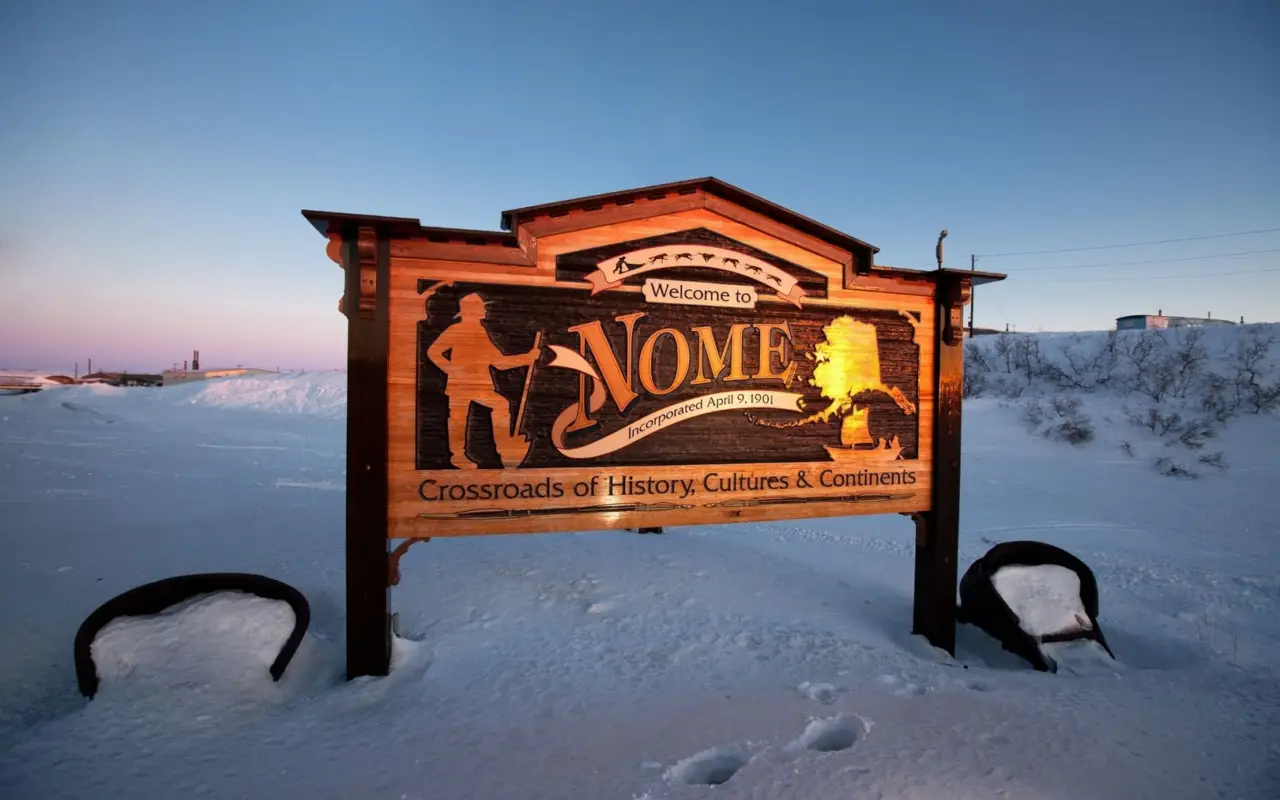
Nome, on the coast of the Bering Sea in western Alaska, is known for the gold rush of 1899 and as the finish line forthe Iditarod, the famous dog sled race. With no road connecting it to the rest of the state, the city is accessible only by plane. In the surrounding area, gravel roads lead into the tundra, where visitors can experience the wildlife and Inupiat culture. Best time to visit: summer for nature, March for the Iditarod.
Situated on the Seward Peninsula, facing the Bering Strait, Nome is one of the most evocative towns in western Alaska. Born out of the 1899 gold rush, when thousands of prospectors flocked to its gold-bearing beaches, it has retained a frontier atmosphere.
The city is world-renowned as the finish line ofthe Iditarod, the dog-sled race that runs from Anchorage to Nome every March. The surrounding tundra, wildlife, and Inupiat culture can be explored via a sparse network of gravel roads. This page details the history, nature, access, and seasons. It complements our pages onthe Alaskan interior.
Why visit Nome?
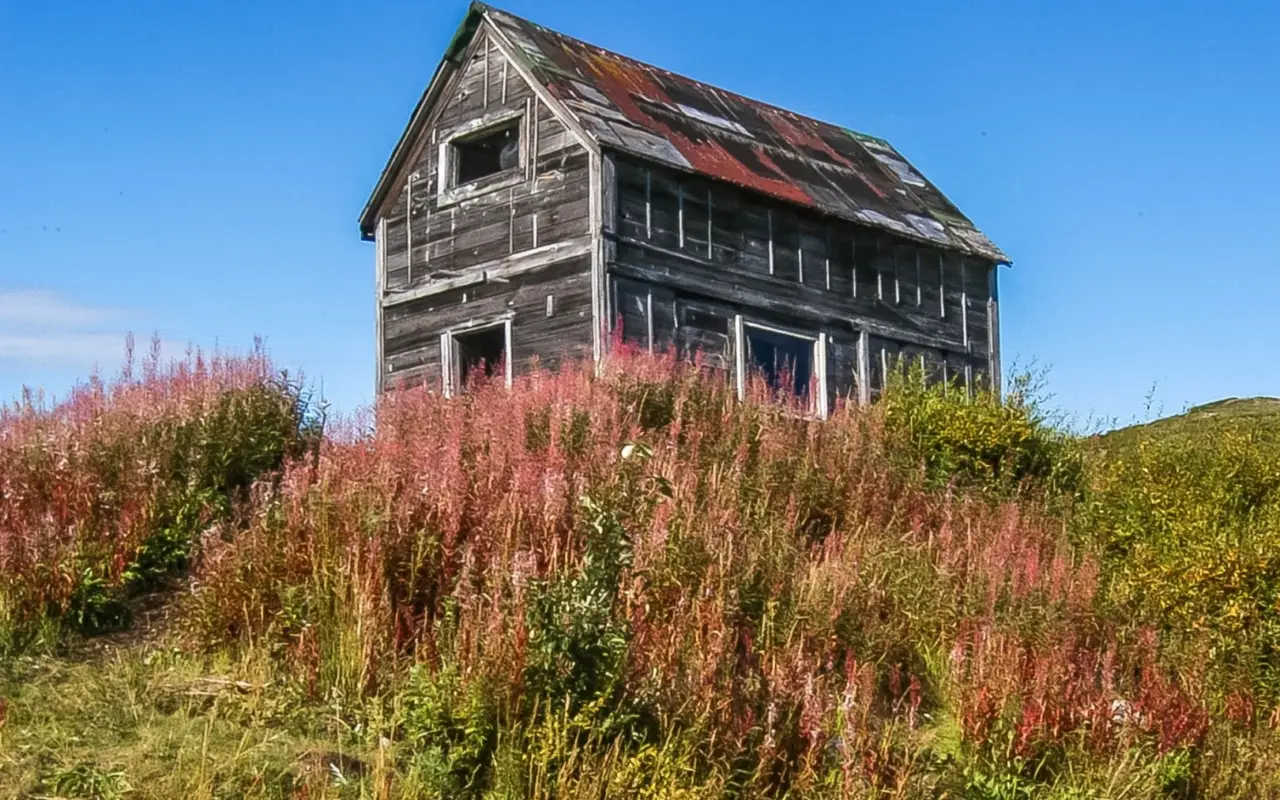
Nome offers a rare blend ofhistory and Arctic nature. The 1899 gold rush, which took place right on the city’s beaches, left a lasting mark that is still evident in its frontier atmosphere and mining ruins. Few places capture the spirit of adventure in the Far North quite like this one.
The city also serves as a gateway to the tundra of the Seward Peninsula, crisscrossed by an unusual network of gravel roads. There, you can observe Arctic wildlife, including muskoxen and numerous birds, and discover Inupiat culture. In March, the arrival ofthe Iditarod transforms Nome into the capital of dog sledding.
What to Do in Nome?
Here are the top things to do, from history to the tundra.
1. Discover the Gold Rush
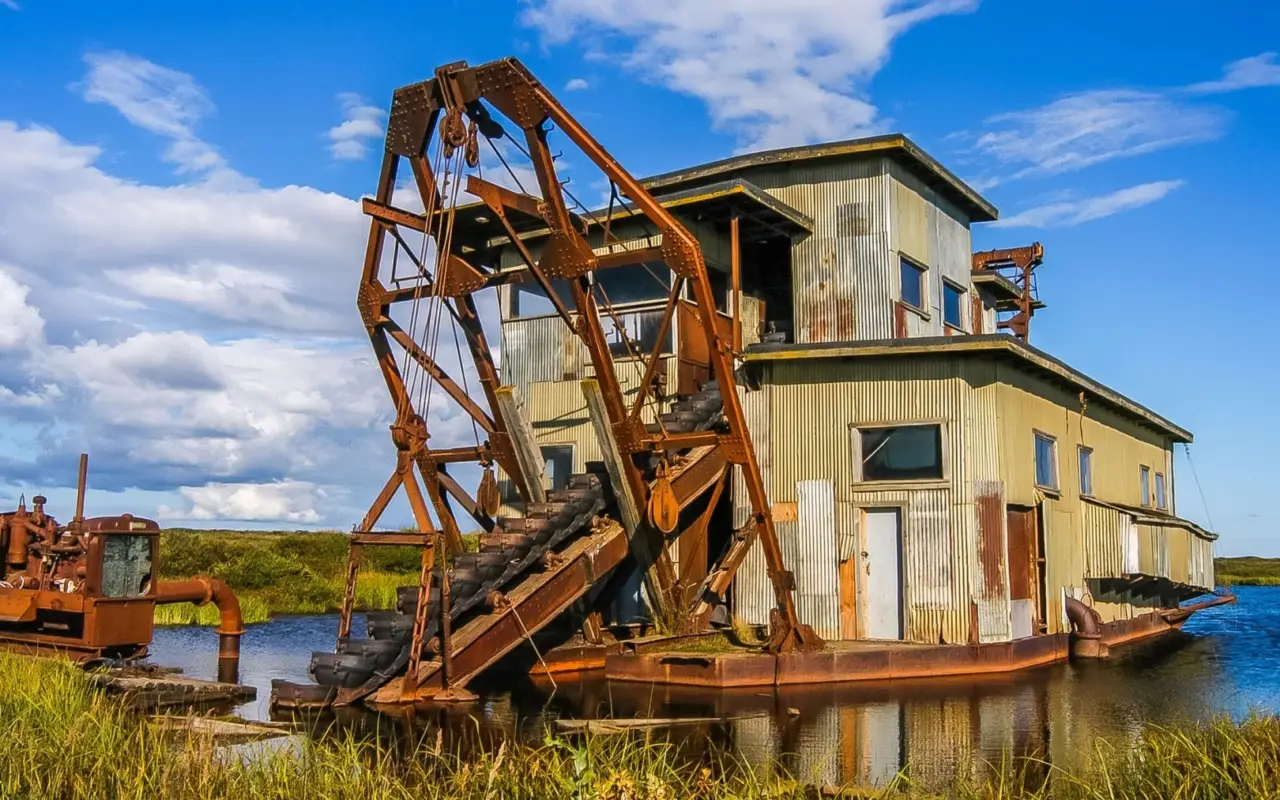
Nome was founded during the gold rush of 1899, when gold was discovered even on its beaches. The city preserves this history through its museums, mining ruins, and frontier atmosphere. Even today, you can try your hand at panning for gold on certain beaches open to the public.
2. Explore the tundra and its wildlife
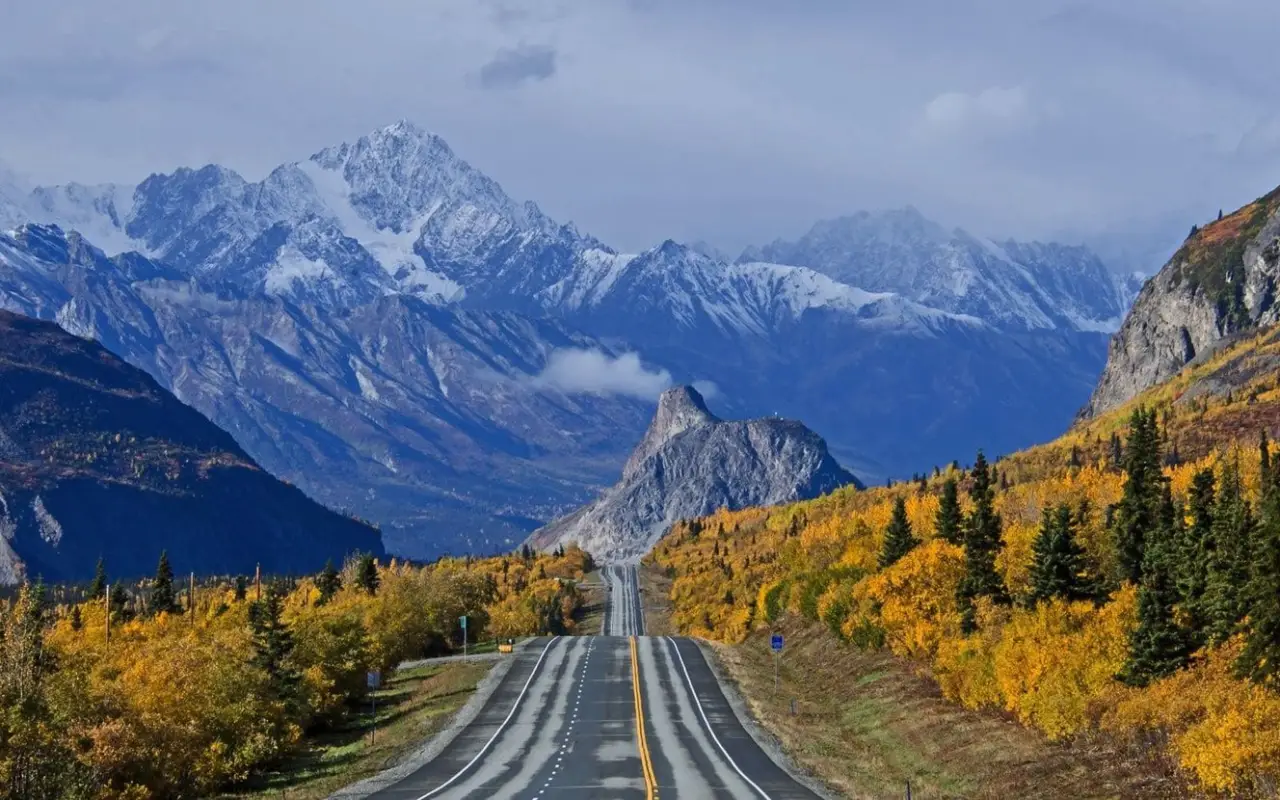
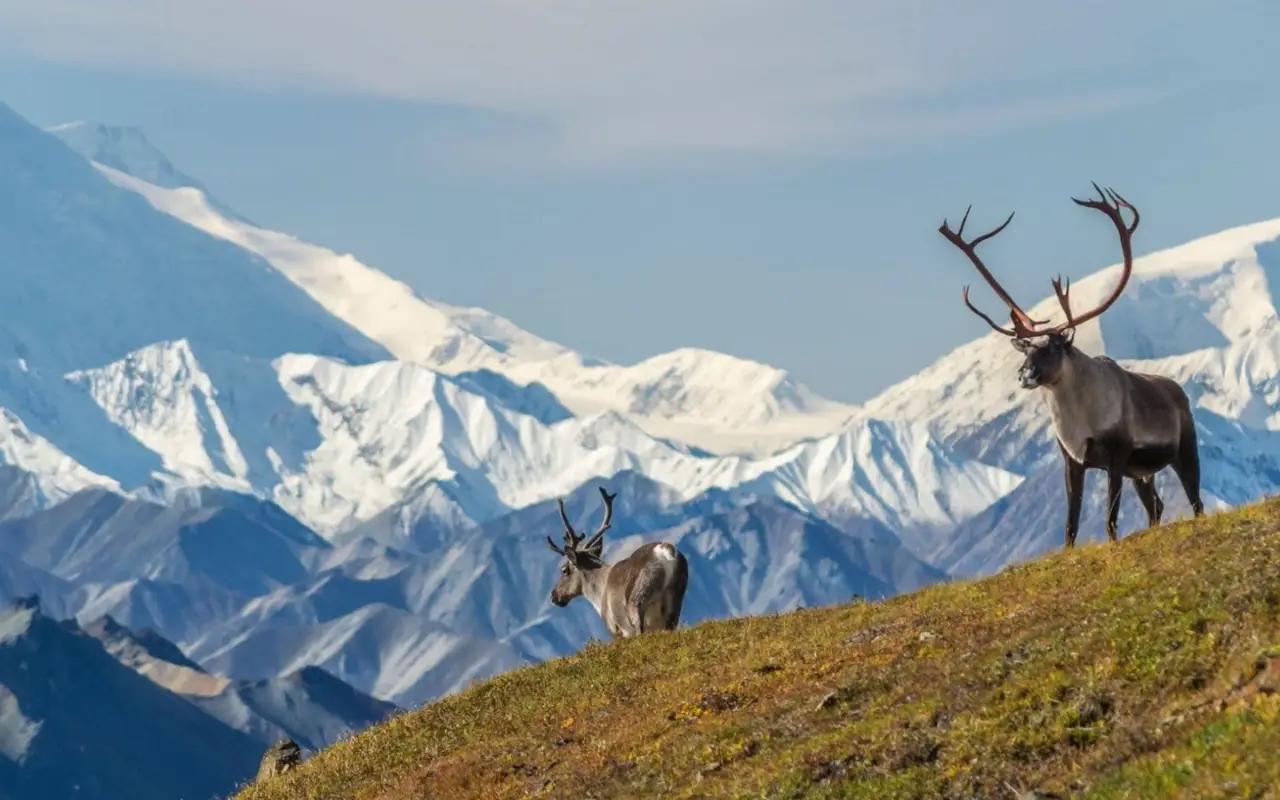
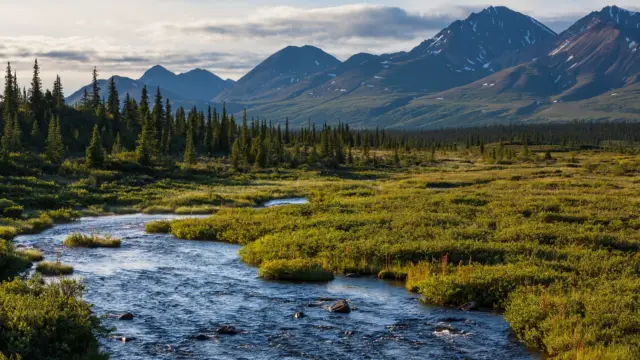
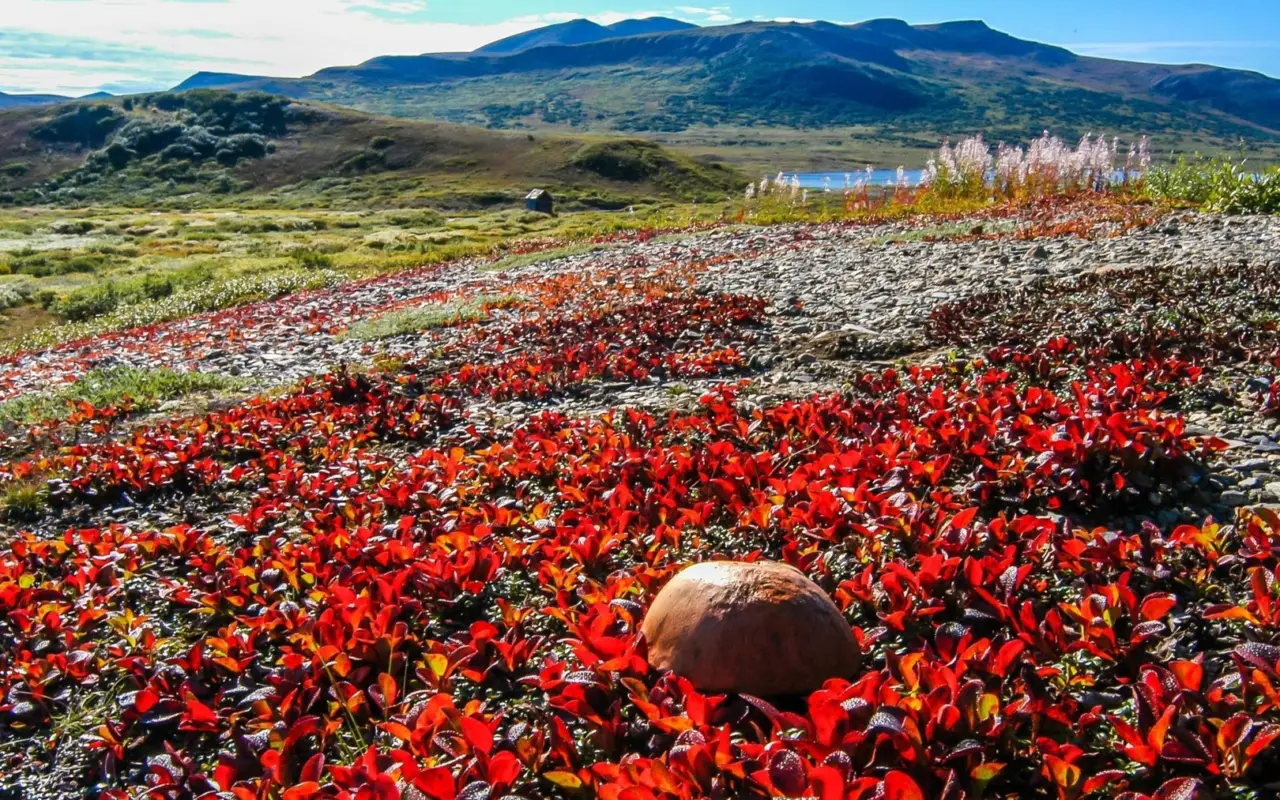
Around Nome, a rare network of gravel roads winds its way into the tundra of the Seward Peninsula. These roads offer opportunities to observe Arctic wildlife, including musk oxen, reindeer, and numerous birds—making the region a renowned birding destination. The open, wild landscapes change with the seasons.
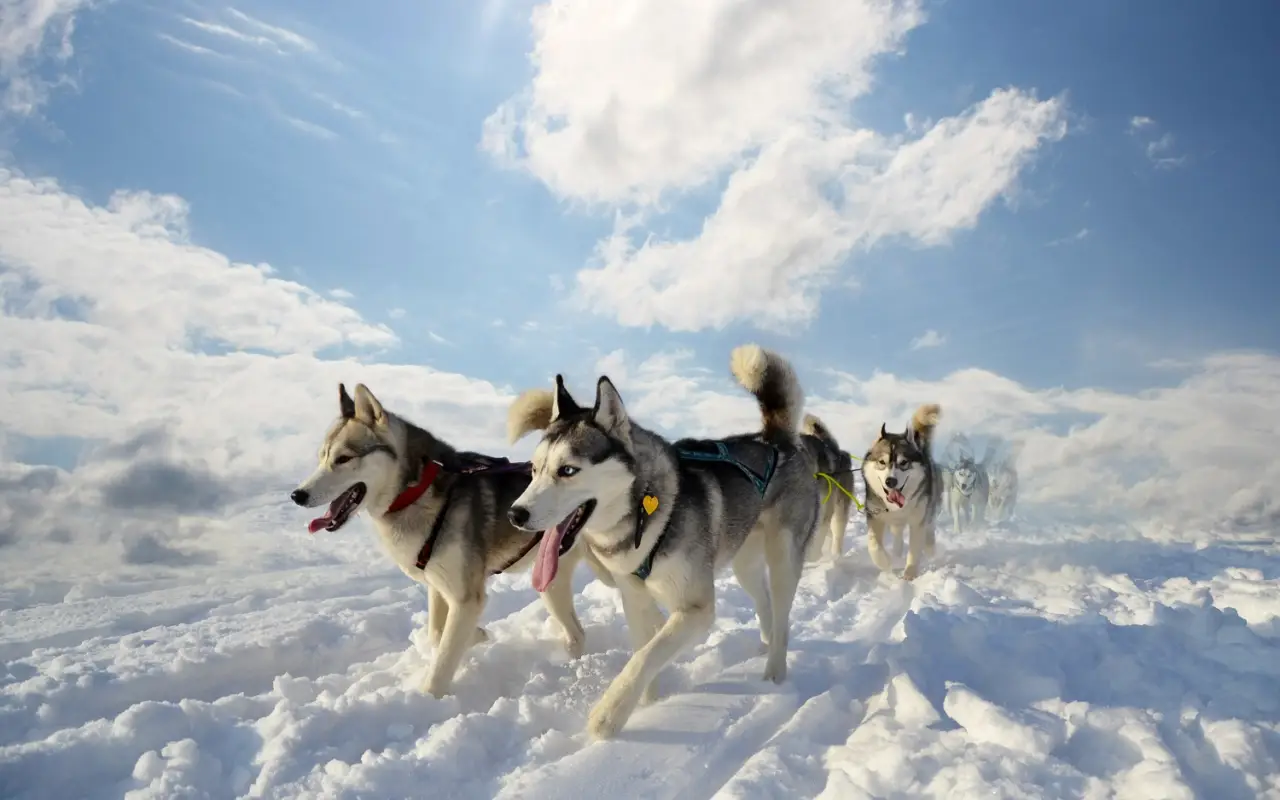
3. Experience theIditarod
Every March, Nome welcomes the finish ofthe Iditarod, the dog sled race spanning more than 1,500 kilometers that starts in Anchorage. The event, one of Alaska’s most famous, immerses the city in a festive, wintry atmosphere filled with dog teams, mushers, and traditions of the Far North.
When is the best time to visit Nome?
Summer, from June through August, is ideal for wildlife and bird watching and for exploring the tundra along gravel roads, with long daylight hours. This is the best time of year for nature.
March, around the time of the Iditarod finish, offers a unique winter experience amid bitter cold. The subarctic climate remains challenging outside the summer season. Check out our guide on when to visit Alaska.
| Period | Conditions | Highlights |
|---|---|---|
| June through August | Subarctic summer, long days | Tundra, wildlife, birds, gold panning |
| March | Winter, bitter cold | Iditarod finish |
| Rest of the year | Cold, limited access | Local Life |
How do you get to Nome?
Nome is not connected by road to the rest of Alaska. It is accessible only by plane, with regular flights from Anchorage and Fairbanks. It is this isolation that has shaped its unique character.
Once there—a rarity for such a remote community—a network of gravel roads serves the Seward Peninsula, allowing you to explore the tundra on your own. Our team can include Nome in a trip through western and northern Alaska. Check out our suggested itineraries.
Frequently Asked Questions About Nome
Where is Nome located in Alaska?
Nome is located on the coast of the Bering Sea in western Alaska, on the Seward Peninsula, facing the Bering Strait. With no road connecting it to the rest of the state, the city is accessible only by plane, with regular flights from Anchorage and Fairbanks.
Why is Nome famous?
Nome owes its fame to the gold rush of 1899, which drew thousands of prospectors to its gold-bearing beaches. It is also the finish line for the Iditarod, the famous dog sled race that runs from Anchorage to Nome every March, covering more than 1,500 kilometers.
What is there to do in Nome?
In Nome, you can explore the history of the gold rush and travel along gravel roads into the tundra. You can spot wildlife, including muskoxen and birds, and experience the atmosphere of the Iditarod in March. The city is also a gateway to the Inupiat culture of western Alaska.
What is the Iditarod?
The Iditarod is a dog-sled race spanning more than 1,500 kilometers that runs annually from Anchorage to Nome in March. Commemorating a 1925 serum run, it is one of Alaska’s most famous events. Nome hosts the finish in a festive atmosphere.
How do you get to Nome?
Nome is not connected by road to the rest of Alaska. It is accessible only by plane, with regular flights from Anchorage and Fairbanks. Once there, a network of gravel roads serves the Seward Peninsula and allows visitors to explore the surrounding tundra.
When to visit Nome?
Summer, from June to August, is ideal for wildlife and bird watching and for exploring the tundra, with long daylight hours. March, around the time of the Iditarod finish, offers a unique winter experience. The subarctic climate remains harsh outside the summer season.
Last updated: August 19, 2026.
About Terra Alaska
Terra Alaska is a local travel agency specializing in custom trips to Alaska and a member of the Terra Panamerica network. Our team designs itineraries tailored to each traveler, from national parks to winter expeditions under the Northern Lights. Discover our expertise as a local inbound travel agency.
Contact us to plan your trip or explore our suggested itineraries.
Sources
Travel Alaska (Nome); National Park Service (Bering Land Bridge National Preserve); Iditarod Trail Committee.